














Hacked Boarding Pass QR code?
 Oct 23, 2012 | 12:34 pm
#16
Join Date: Feb 2011
Programs: AA, UA, Marriott Gold
Posts: 349
From IATA:
5.2.6. Digital signature
The security field is optional and to be used only when required by the local security administration.
5.2.6. Digital signature
The security field is optional and to be used only when required by the local security administration.
 Oct 23, 2012 | 6:03 pm
#17
FlyerTalk Evangelist


Join Date: Aug 2005
Location: Chicago
Posts: 11,680
 Oct 24, 2012 | 2:53 pm
#18

Join Date: Apr 2005
Location: BOS,PIT
Programs: Marriott Lifetime Platinum, JetBlue Mosaic-2, AA Platinum
Posts: 563
Oct 24, 2012 | 7:40 pm
#19

Join Date: Aug 2006
Location: DCA / WAS
Programs: DL 2+ million/PM, YX, Marriott Plt, *wood gold, HHonors, CO Plt, UA, AA EXP, WN, AGR
Posts: 9,386
Oct 24, 2012 | 9:56 pm
#20
FlyerTalk Evangelist
Join Date: Sep 2007
Location: SJC, SFO, YYC
Programs: AA-EXP, AA-0.41MM, UA-Gold, Ex UA-1K (2006 thru 2015), PMUA-0.95MM, COUA-1.5MM-lite, AF-Silver
Posts: 13,436
Oct 24, 2012 | 10:11 pm
#21
Join Date: Sep 2011
Programs: AA SPG Amex
Posts: 4,644
TSA is stupid, but even I find it hard to believe that they are that stupid as to not realize this was readable with very rudimentary tools. And to suspend PreCheck, as I've already said in other threads, would be to admit that TSA made a mistake, which they categorically do not do.
If anything, I think this will coincide with PreCheck becoming a membership-based program and it will be an excuse to get people to submit to a background check and pay a fee. No different really than GE (other than the competency level of the administering agency).
If anything, I think this will coincide with PreCheck becoming a membership-based program and it will be an excuse to get people to submit to a background check and pay a fee. No different really than GE (other than the competency level of the administering agency).
Oct 24, 2012 | 11:09 pm
#22
Join Date: Mar 2011
Posts: 2,814
So why not make the scanner itself be what determines if regular screening is needed instead of the BP? Or am I missing something?
Oct 25, 2012 | 12:33 am
#23
FlyerTalk Evangelist
Join Date: Aug 2005
Location: Chicago
Posts: 11,680
No, but it knows the airline's private key. I'm unclear why you think it would need a live link to the airline in order to verify signatures if it has the private key.
Oct 25, 2012 | 12:36 am
#24
Join Date: Apr 2009
Location: WAS
Programs: AMEX Platinum, Global Entry, Priority Pass, SPG Gold, HHonors Gold
Posts: 1,594
The TSA wants to assess a number of risk factors, including travel history and Trusted Traveler membership, to determine selection for PreCheck. An offline scanner can't make those assessments.
Oct 25, 2012 | 12:45 am
#25
Join Date: Mar 2011
Posts: 2,814
Oct 25, 2012 | 5:10 am
#26
Join Date: Nov 2008
Posts: 3,657
I wonder if the "solution" to this is going to be a regression to the bad old days when you had to line up at the airline ticket counter to get a boarding pass issued ...
Oct 25, 2012 | 11:07 am
#27
FlyerTalk Evangelist
Join Date: Aug 2005
Location: Chicago
Posts: 11,680
And herein lies the "problem". As long as passengers are permitted to print their own boarding passes outside of an airport, TSA will have a problem determining if the boarding pass is legitimate. Since TSA relies on the boarding pass to determine positive (PreCheck) or negative (SSSS) eligibility for screening, this is going to be an inherent flaw in the system.

I am starting to question the competence and literacy of my fellow FT'ers.
 Oct 25, 2012 | 11:14 am
#28
Join Date: Sep 2011
Programs: AA SPG Amex
Posts: 4,644
Not to mention the fact that I was under the impression that those with SSSS couldn't print a home BP...
Oct 25, 2012 | 11:25 am
#29
Ambassador: Alaska Airlines
Join Date: Jul 2009
Location: Seattle
Programs: AS MVP Gold
Posts: 2,733
There's no flaw and no security threat, only a great deal of speculation by uninformed individuals who haven't taken the time to verify any of their assertions.
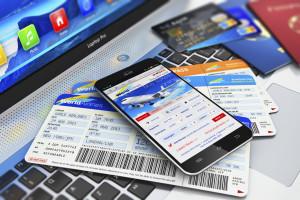
The airlines send names to the TSA 72 hours prior to departure. The TSA determines who should not get PreCheck screening under any circumstances: the general public, those on "no-fly" lists, members who list a Trusted Traveler number that doesn't match their full name, etc. These people get a "0". Other people that are potentially approved for PreCheck screening get a "3". This information is stored in the boarding pass barcode, but it's not a secret. Security does not increase or decrease when passengers view the barcode information, including the PreCheck digit. The PreCheck approval digit and other identifying information in the bar code (like passenger name and flight details) are digitally signed by the airline which prevents any possibility of tampering. This signature uses public key encryption to allow the signature to be verified offline, without any connection to a live database maintained by the airline or the TSA.
At the airport when the BP is scanned, the reader makes a decision whether to allow the person into the expedited screening lane:
0 -> Normal screening
3 -> Expedited screening MOST of the time. The barcode reader or any TSA official can require a normal screening for any or no reason, whether there is a 3 there or not. This is the critical "random" element that ensures that getting a "3" on your BP is not a free pass.
The final screening decision is always made at the checkpoint, regardless of what is printed on the BP barcode. There's no hackery going on here (unless you call scanning a cereal box at the grocery store checkout "hacking") and no security threat.
The airlines send names to the TSA 72 hours prior to departure. The TSA determines who should not get PreCheck screening under any circumstances: the general public, those on "no-fly" lists, members who list a Trusted Traveler number that doesn't match their full name, etc. These people get a "0". Other people that are potentially approved for PreCheck screening get a "3". This information is stored in the boarding pass barcode, but it's not a secret. Security does not increase or decrease when passengers view the barcode information, including the PreCheck digit. The PreCheck approval digit and other identifying information in the bar code (like passenger name and flight details) are digitally signed by the airline which prevents any possibility of tampering. This signature uses public key encryption to allow the signature to be verified offline, without any connection to a live database maintained by the airline or the TSA.
At the airport when the BP is scanned, the reader makes a decision whether to allow the person into the expedited screening lane:
0 -> Normal screening
3 -> Expedited screening MOST of the time. The barcode reader or any TSA official can require a normal screening for any or no reason, whether there is a 3 there or not. This is the critical "random" element that ensures that getting a "3" on your BP is not a free pass.
The final screening decision is always made at the checkpoint, regardless of what is printed on the BP barcode. There's no hackery going on here (unless you call scanning a cereal box at the grocery store checkout "hacking") and no security threat.
Oct 25, 2012 | 11:44 am
#30
Join Date: Nov 2007
Location: USA
Posts: 1,688
We glaze over the most important point of the article:
Soghoian of the ACLU suggests that if keeping laptops and small amounts of fluids in carry-on bags are a threat, TSA should keep random screenings confidential, rather than alerting PreCheck passengers early. He says that if those materials aren't a threat, then everyone should get expedited screening such as PreCheck
Soghoian of the ACLU suggests that if keeping laptops and small amounts of fluids in carry-on bags are a threat, TSA should keep random screenings confidential, rather than alerting PreCheck passengers early. He says that if those materials aren't a threat, then everyone should get expedited screening such as PreCheck