Oslo was a delight. Plenty to see and do, and escaping the Autumn chill in a cafe with a coffee and a bun was all very cosy.
I ran the numbers on the Oslo Pass, which provides free admission to museums and free public transport, including the commuter train to the airport, and starts from 550 NOK (~£41) for 24 hours. Museum admissions were typically around 200 NOK (~£15), and single journeys within central Oslo were 44 kr (~£3.30), so a couple of museums plus four transport trips made the card worthwhile.
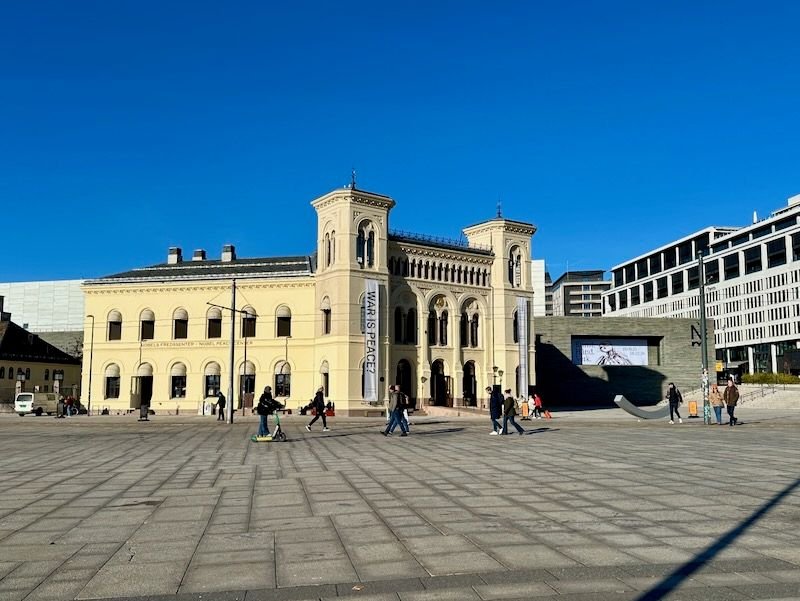
Highlights included the Nobel Peace Centre, which was most interesting on the history of Alfred Nobel and the prize itself, alongside a hall of laureates.
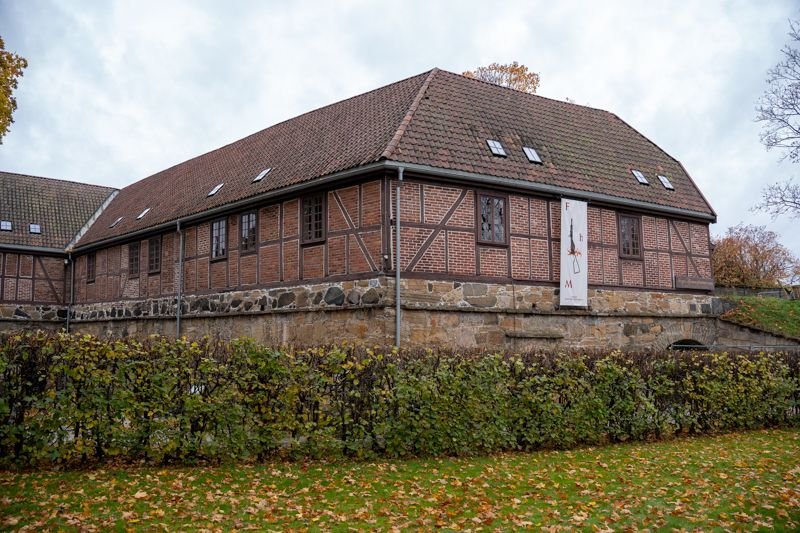
Norway’s Resistance Museum is within the Akershus Fortress and tells the story of Norway’s occupation during World War II. Lots of moving accounts of resistance and civil disobedience, and operations such as the Shetland Bus supply runs from Scotland into occupied Norway.
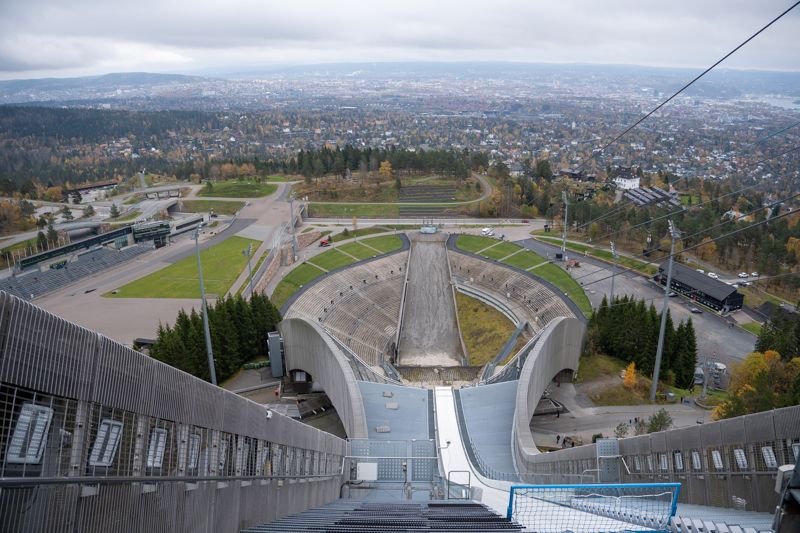
Getting to the Ski Museum in Holmenkollen involves a metro that starts off underground and then climbs into the hills. The Museum was unexpectedly fascinating on the history of skiing and its importance in Norwegian culture. The highlight is taking an inclined elevator to the top of the jumping tower for views over Oslo. Should you wish to fling yourself back down but not know how to ski jump, there is also a zipline. Tragically, the need to pre-book meant we had to give this a miss.
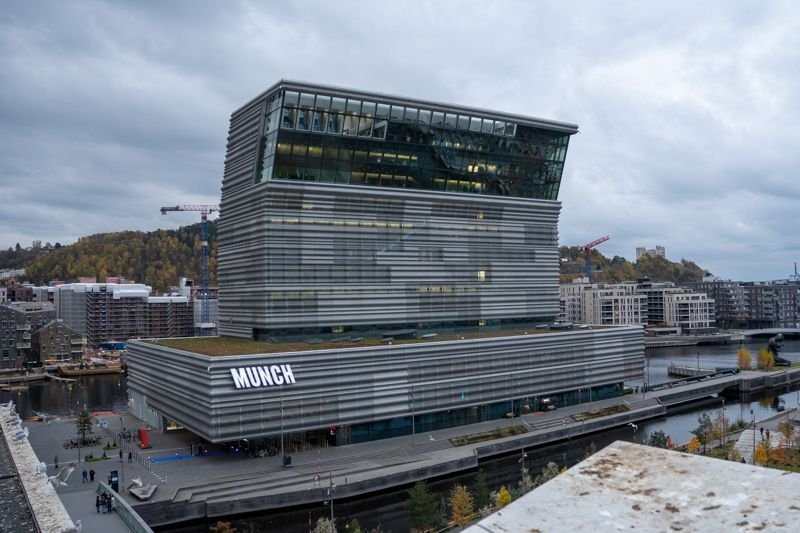
The Munch Museum is a striking building next to the equally modern Opera House. The Scream is featured, naturally, with one of three versions displayed every half-hour. But there was more to see: sketches of the monumental painting he did for the University of Oslo, his linotypes from his interest in printing, and many of his effects.
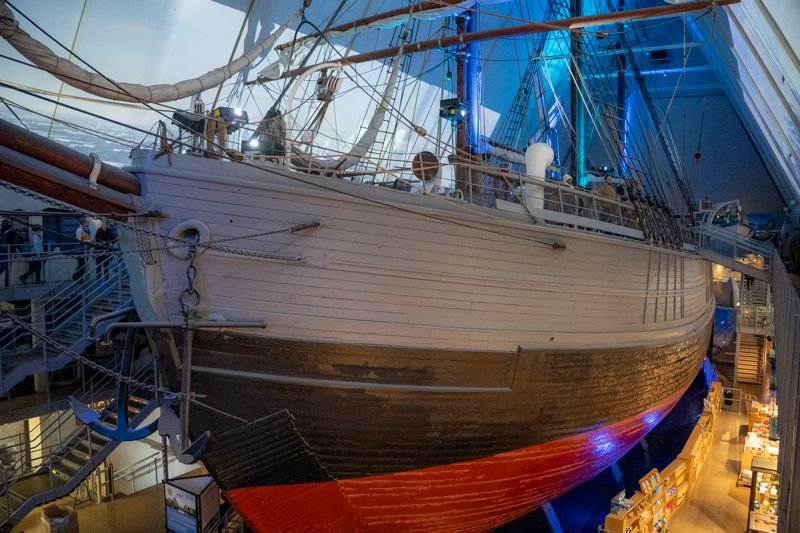
My single favourite spot was the Fram Museum on the Bygdøy peninsula. In addition to housing the ship in which Fridtjof Nansen attempted to reach the North Pole in 1893-96 (and which Roald Amundsen later used in his South Pole expedition), it offers a comprehensive survey of the Heroic Age of Polar Exploration.
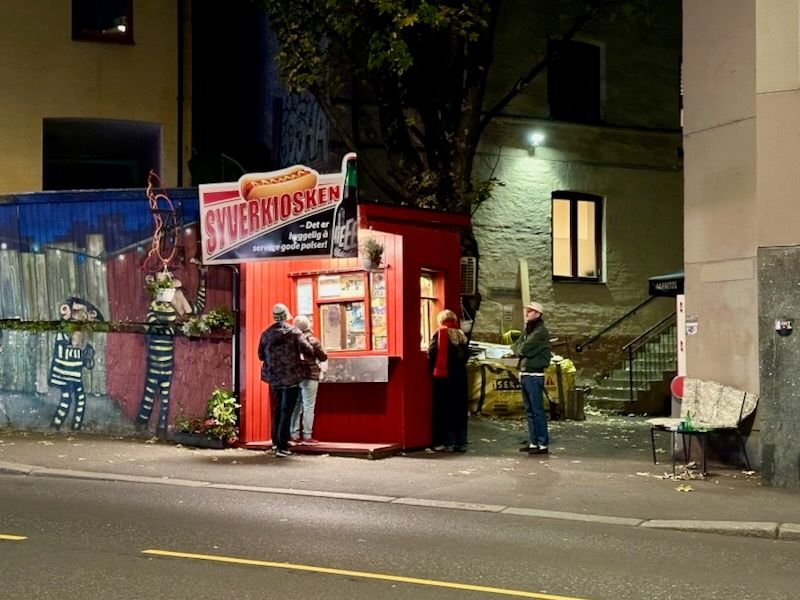
Food was good, if expensive. We visited Oslo’s last remaining wooden hot dog kiosk, Syverkiosken (the kiosk is wooden; the hot dog is pig, mostly). We enjoyed an elk burger and lamb stew at Hett Vilt in the Mathallen food hall, which we reached via a walk along the tree-lined Aker River. Our best meal was at Våghals, a Bib Gourmand restaurant offering a three-course lunch for a reasonable-for-Oslo-and-for-the-quality ~£50 each.
For drinks, we enjoyed the taproom of the Ringnes brewery, and the Amundsen brewery pub. And RØØR, which makes up for being difficult to type without a Norwegian keyboard by offering an improbable ~70 beers on tap.
We left Oslo calmer and culturally enriched, but diminished financially.