CREW QUALIFICATIONS
In order for pilots to be able to conduct low visibility operation in conditions below those allowed for CAT I the following need to be satisfied for UK operations.
Ground training – This is conducted during the ground school period of a pilots conversion course onto an aircraft type.
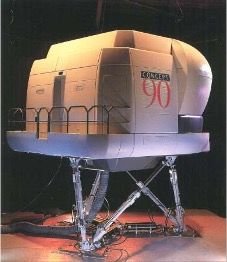
Flight Simulator Training – May be substituted for the real aircraft if more relevant, however for the vast majority of airline pilots this will be simulator training conducted at the airline’s relevant training centre. For BA this is housed in TBA at the eastern end of Heathrow.
Operator’s specific check or line check – The LV or Low Visibility qualifying check is normally conducted as part of the license skills test or LST. The final simulator qualifying check prior to base training.
After qualifying on type and in possession of a new hot off the press type rating in their license, a pilot will conduct one AUTOLAND during line training in the real aircraft. Captains are precluded from conducting low visibility operations until they have achieved 20 sectors and 50 hours on the aircraft post release to the regular line environment.
The ground training consists of what you are reading in this guide, plus a little more depth that isn’t vert pertinent to understanding everything that goes into this type of adverse weather operation.
The simulator phase will consist of at least 6 approaches and include, normal operations, non-normal operations and low visibility take-offs, go arounds and rejected take offs too.
So as you can see there is a regulatory element to the qualification and we need to re-qualify every year in our instrument rating revalidation. Should a situation develop in which we do not have sufficient time to complete the low visibility elements of the check and re-validation, we are precluded from operating in those conditions until we can be scheduled back into the simulator to complete these elements.