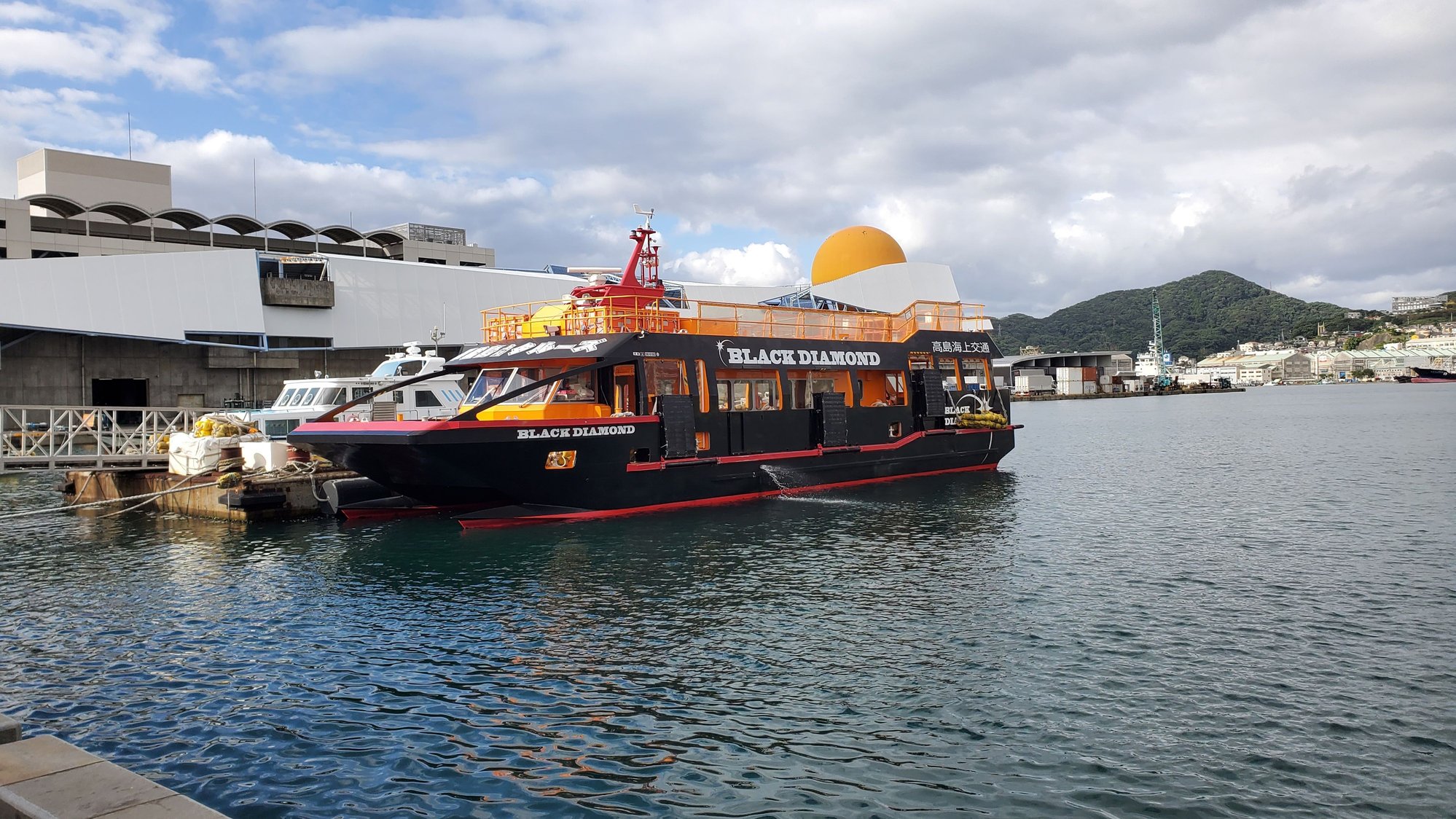
As I have posted previously, I took a Gunkanjima tour back in October but could not land at Gunkanjima due to the waves and the condition of the wind surrounding Gunkajima. However, I did not think the tour was a total wash. I decided to post some pictures from the Gunkanjima tour I took back in October.
There are a few different tours of Gunkanjima. I chose the tour by
Black Diamond because this tour stops at Takashima and Gunkanjima.
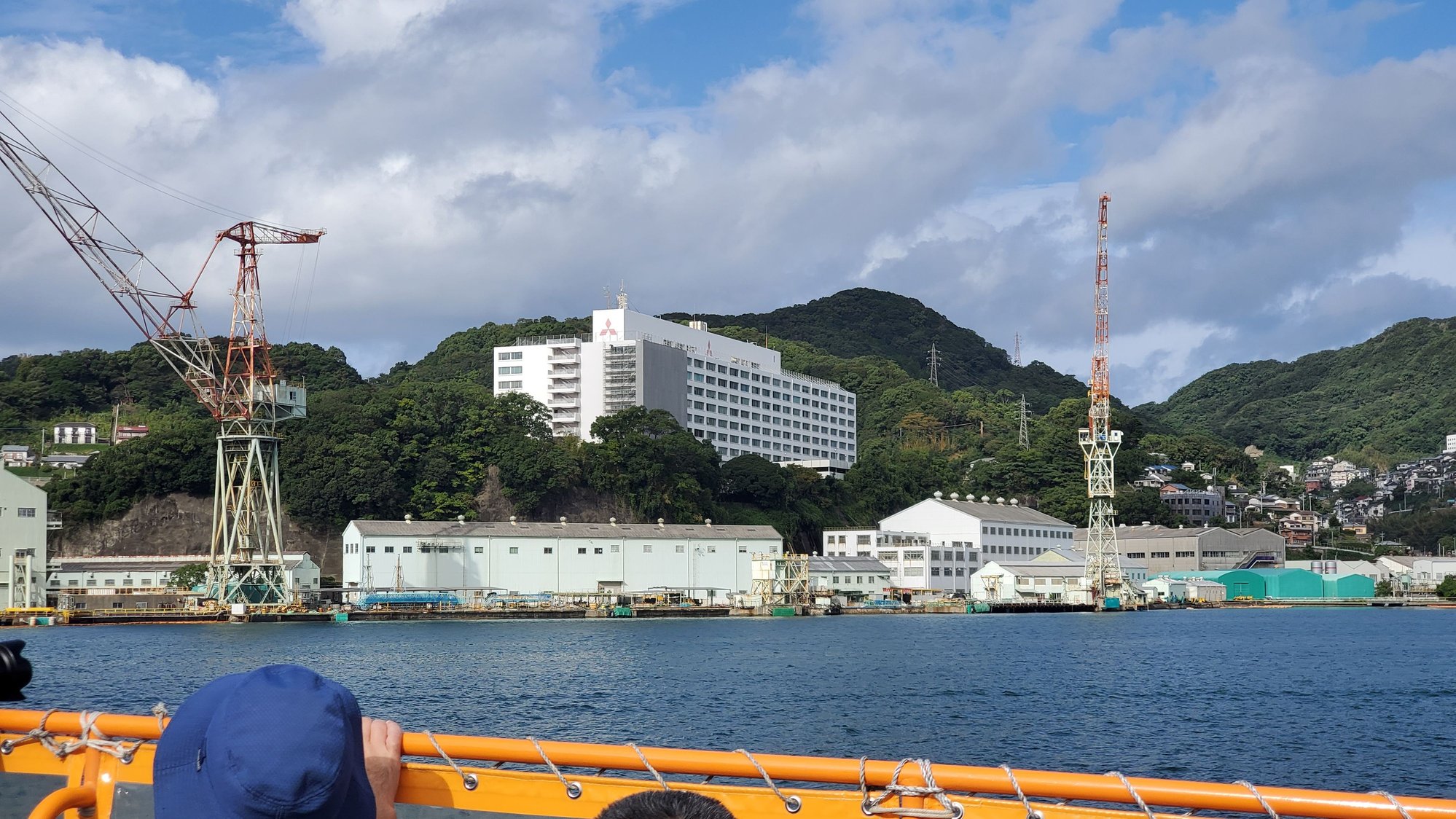
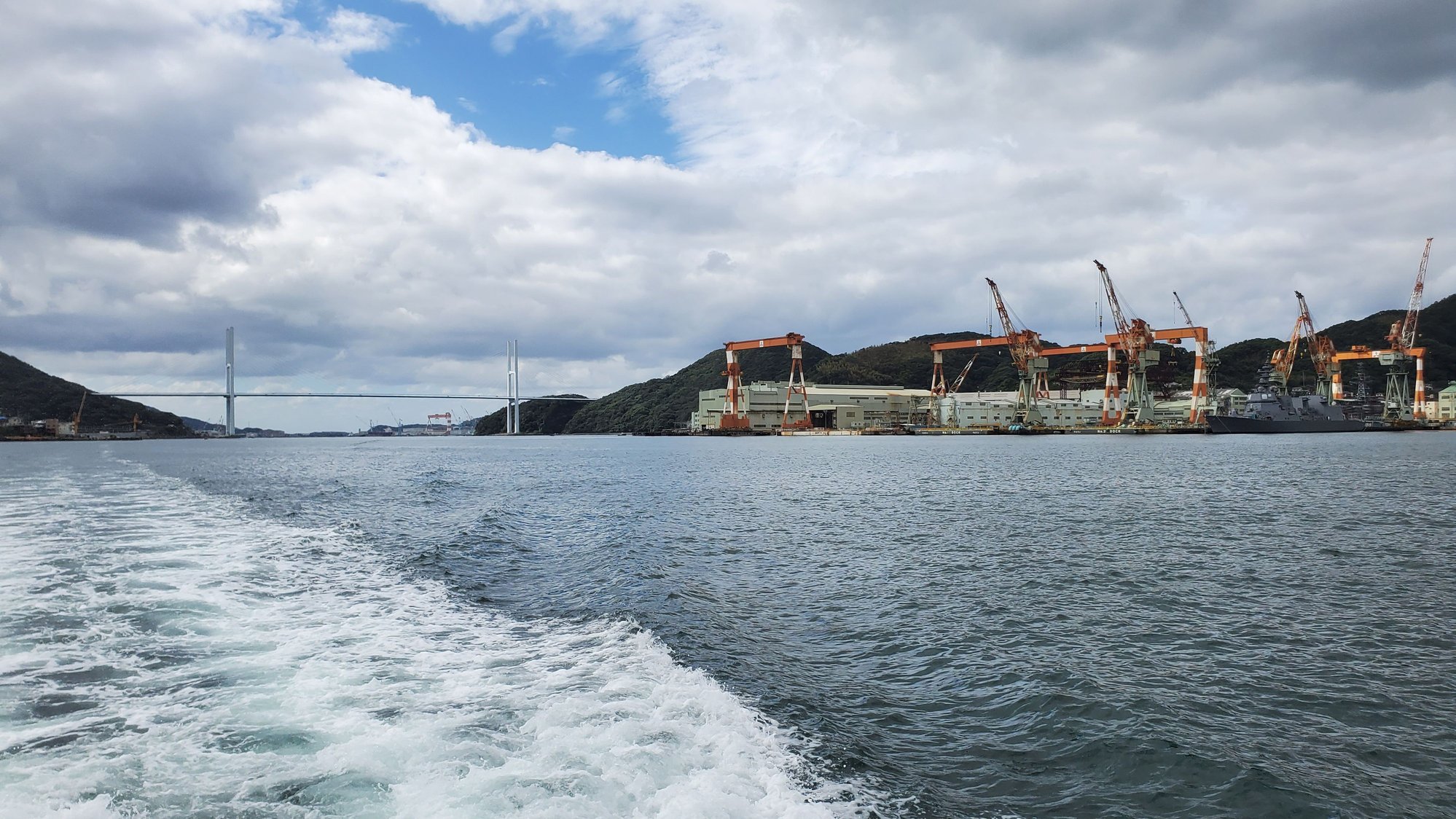
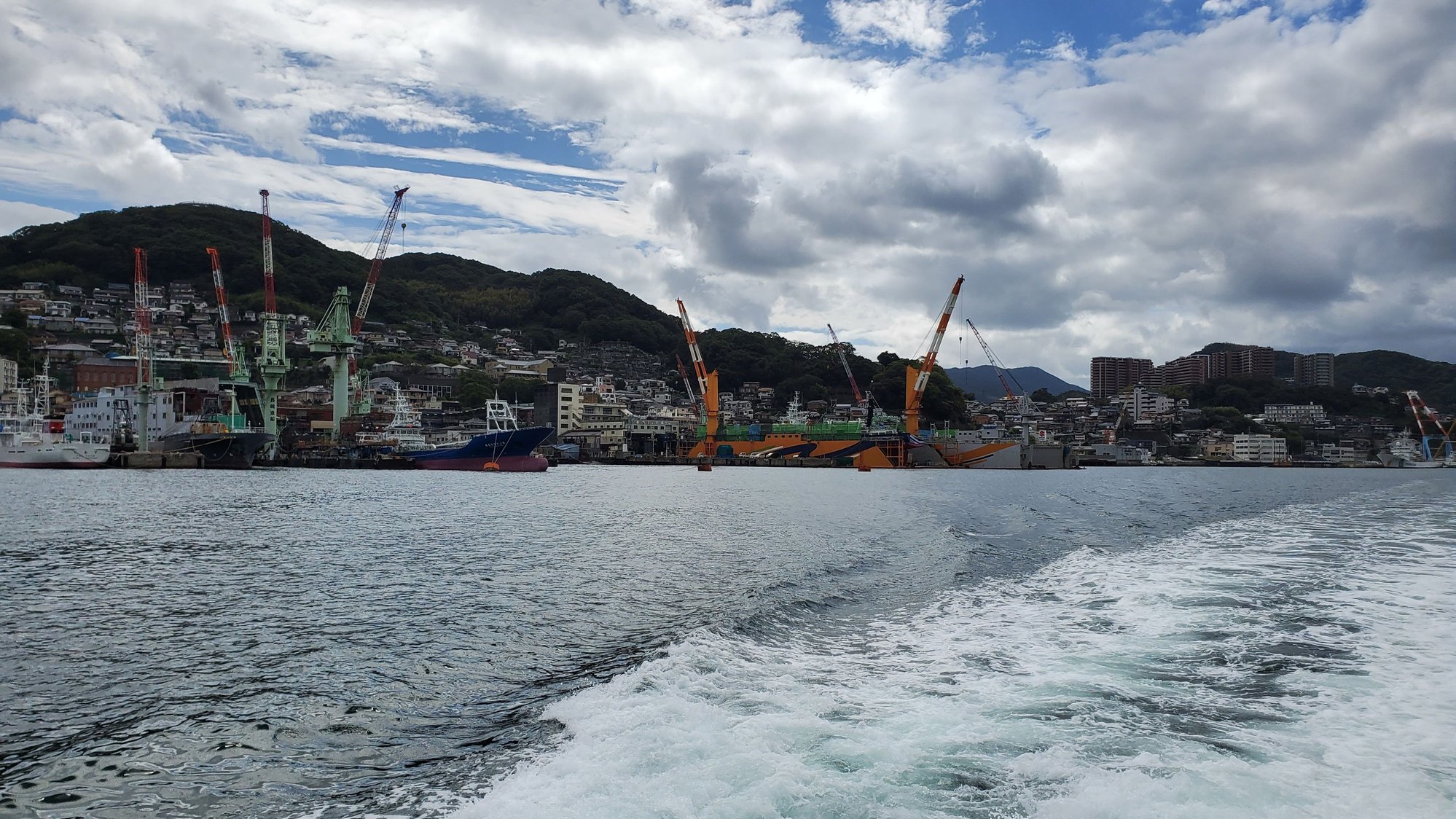
On the way to Gunkanjima and on the return from Gunkanjima is the tour of Nagasaki Bay. Nagasaki is the city of shipbuilding, shipbuilding at Nagasaki can date back to 1855 and started by the Tokugawa shogun. The technology of shipbuilding came from Dutch. Shipbuilding at Nagasaki today is not what used to be back in the peak of shipbuilding at Nagasaki. But dry docks for shipbuilding are still everywhere in Nagasaki Bay today.
Mitsubishi Heavy Industries Nagasaki Shipyard Headquater and one of many dry docks at Nagasaki Bay.

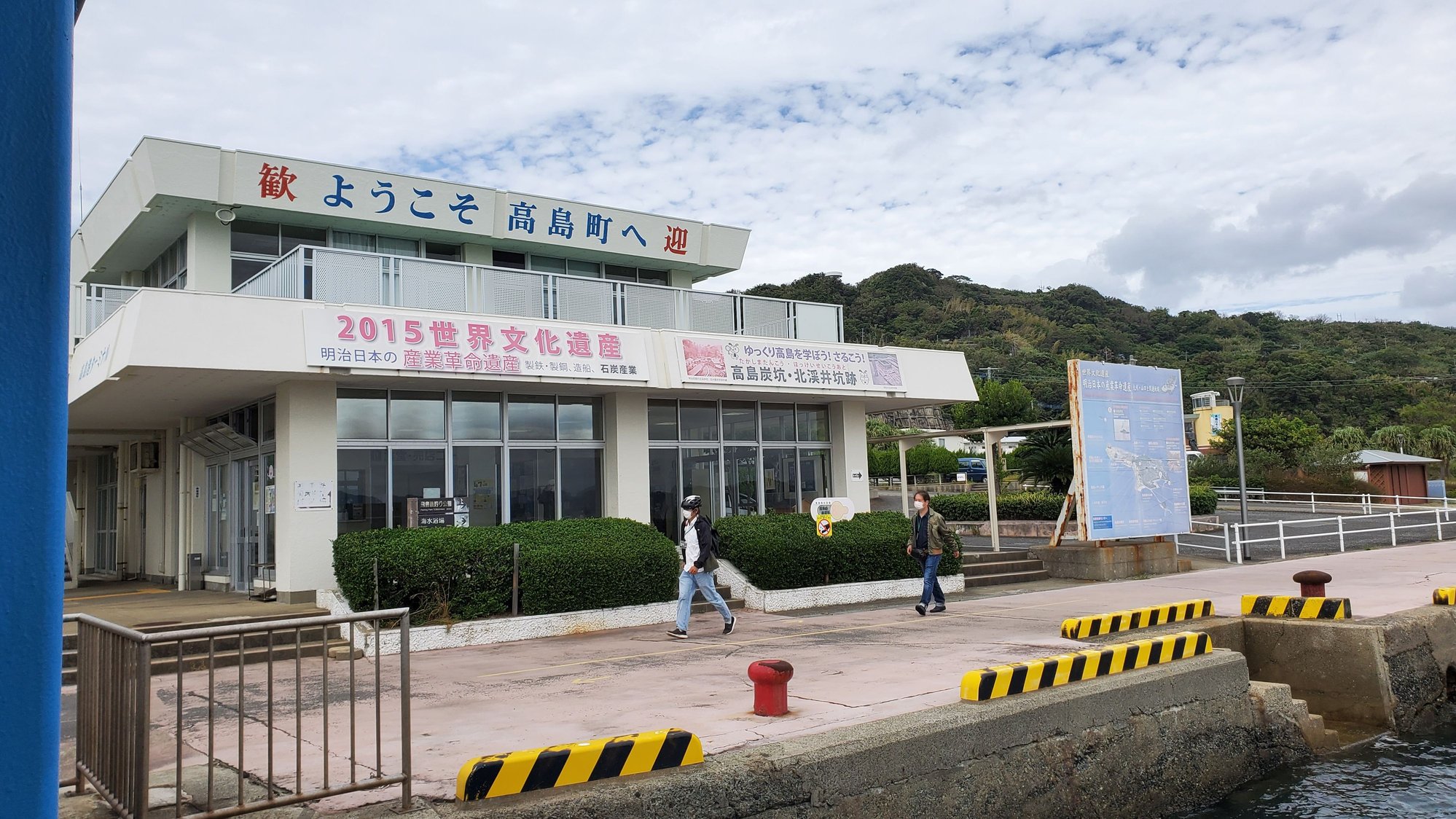
The first stop of the tour was Takashima. Gunkanjima became the most famous mining island off the coast of Nagasaki but there used to be several mining islands off the coast of Nagasaki, today all mines are closed but some still have residents on the islands. Takashima is one of the mining islands off the coast of Nagasaki and currently 382 residents live on the island. The mining at Takashima was started by
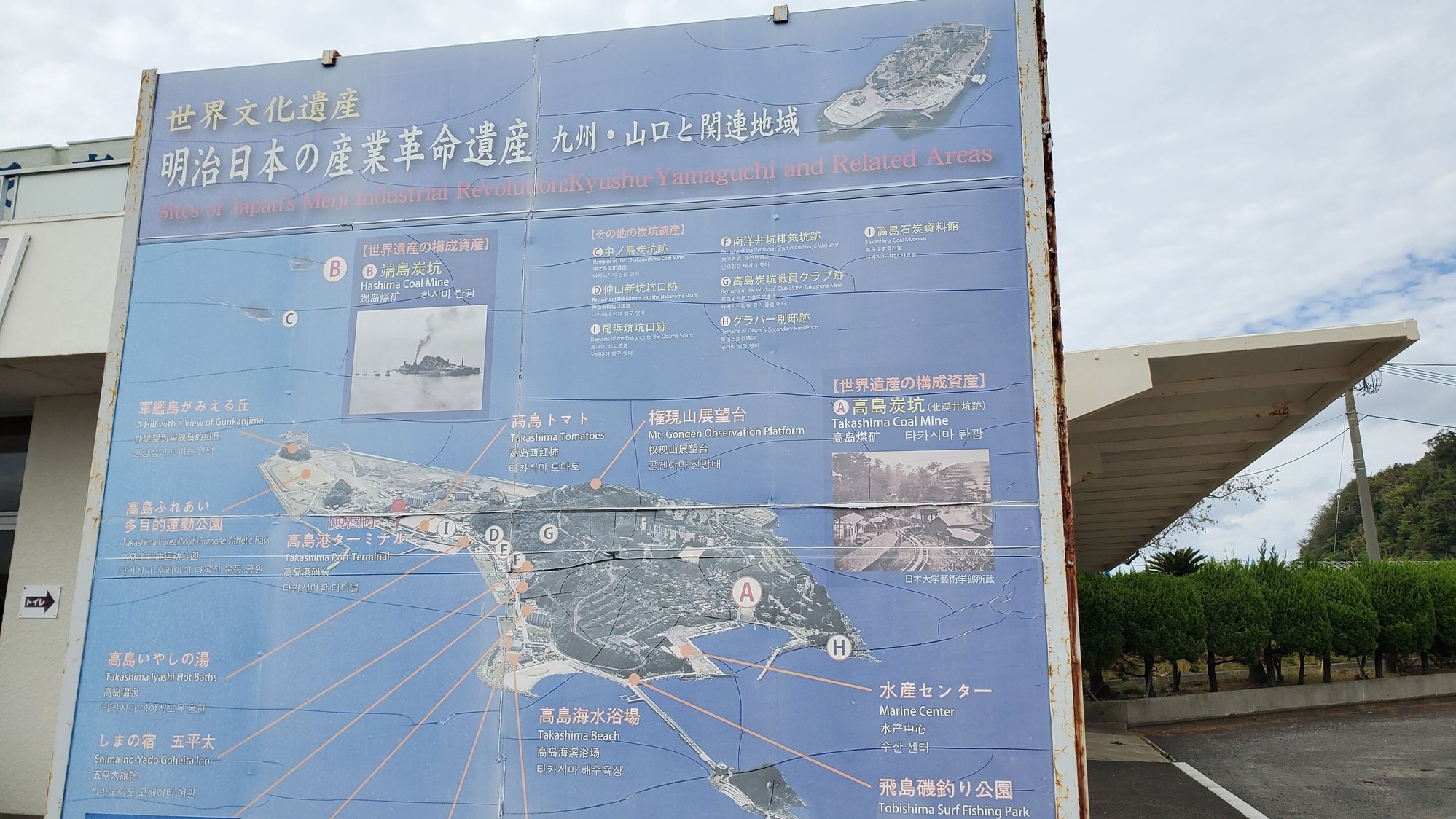
Thomas Glover of Glover Garden in Nagasaki. Thomas Glover used to have a vacation home in Takashima. The mine on Takashima closed in 1986. Takashima was designated as a World Heritage Site by UNESCO in 2015 for the mining history of Japan.
Map of Takashima
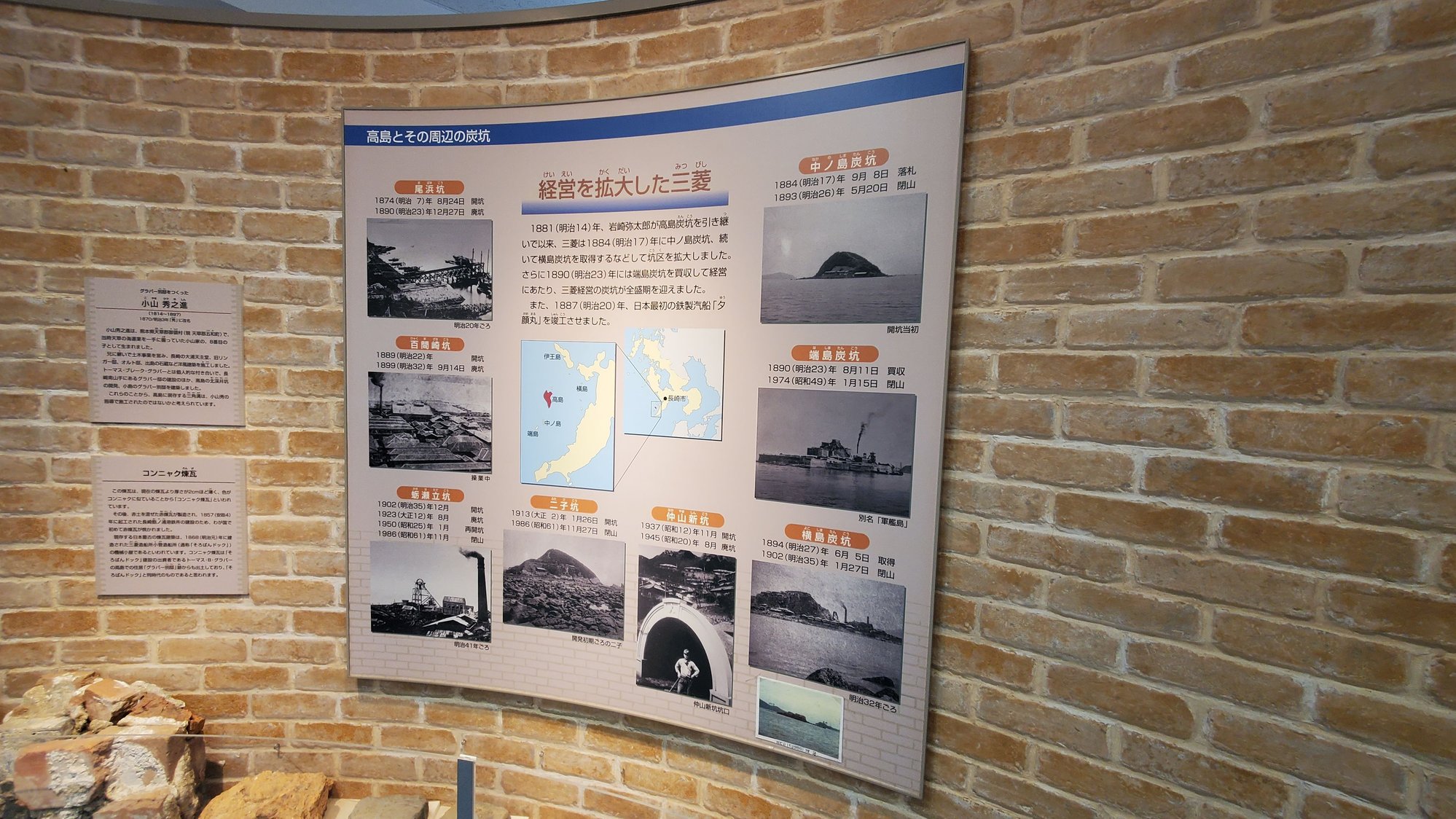
There is a small mining museum at Takashima including small scale model of Gunkanjima. There were several mining islands off the coast of Nagasaki. The below picture is the list of mining islands off the coast of Nagasaki owned by Mitsubishi. Yokoshima, the one on the right bottom in the picture below, is an interesting one. The mine in Yokoshima closed in 1902. In 1965 sinking of land was observed at Yokoshima. Today, a big portion of Yokoshima has sunk into the ocean, and only a 160 m (490 ft.) portion of Yokoshima is left sticking out of the ocean.
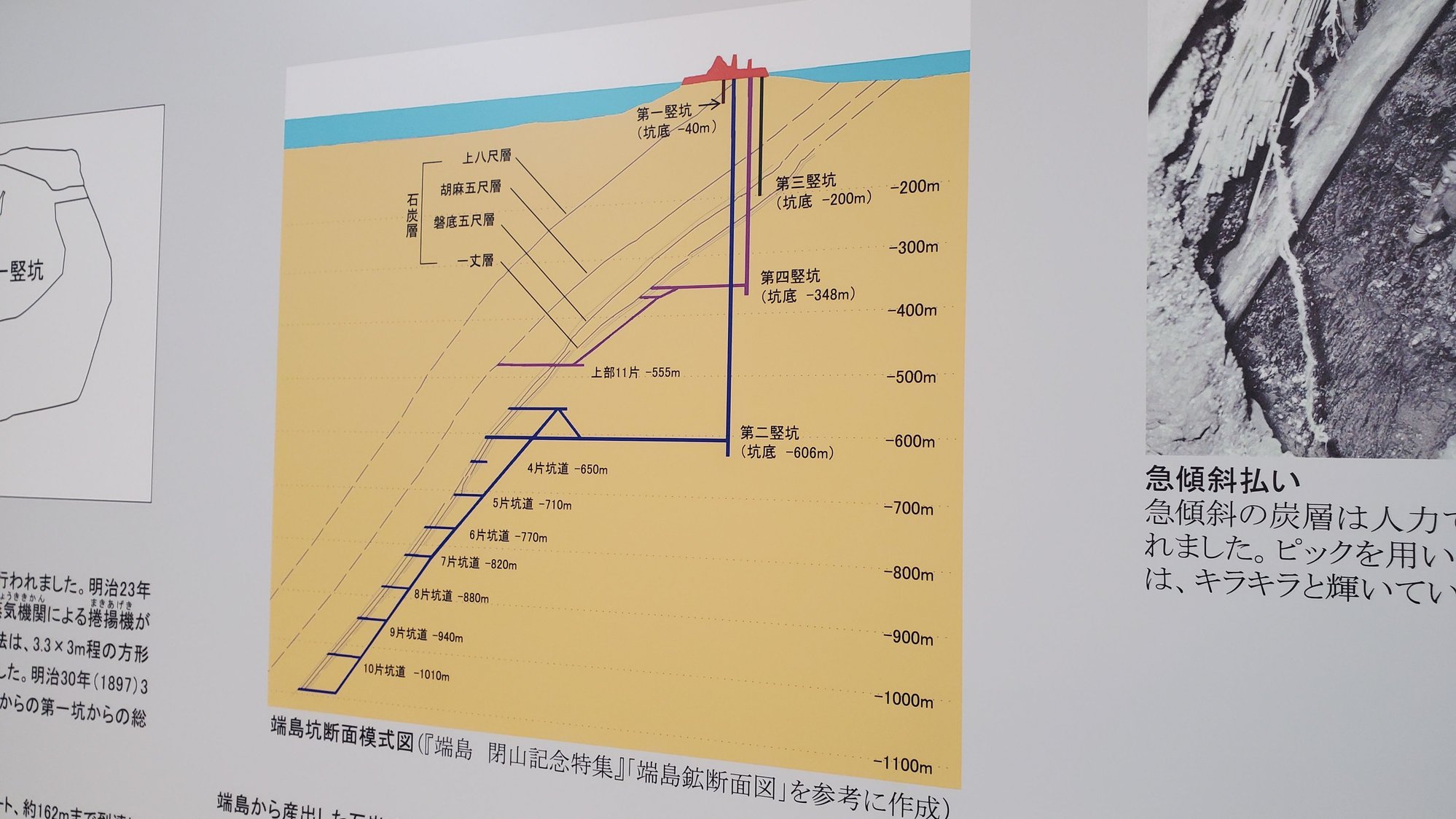
The mine could go as deep as 1100 m (3600 ft.) below the sea level.
Small scale replica of Gunkanjima.

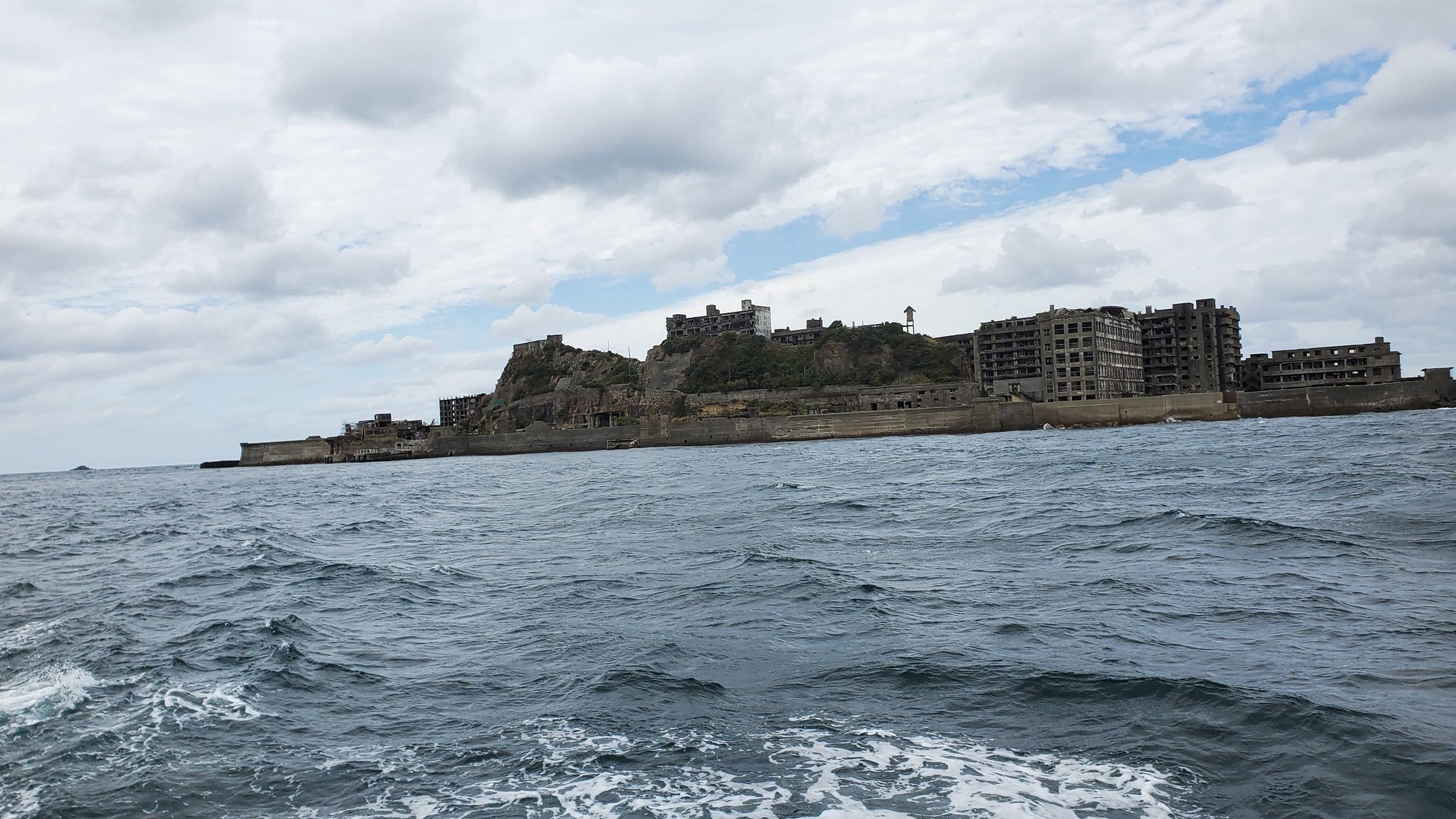
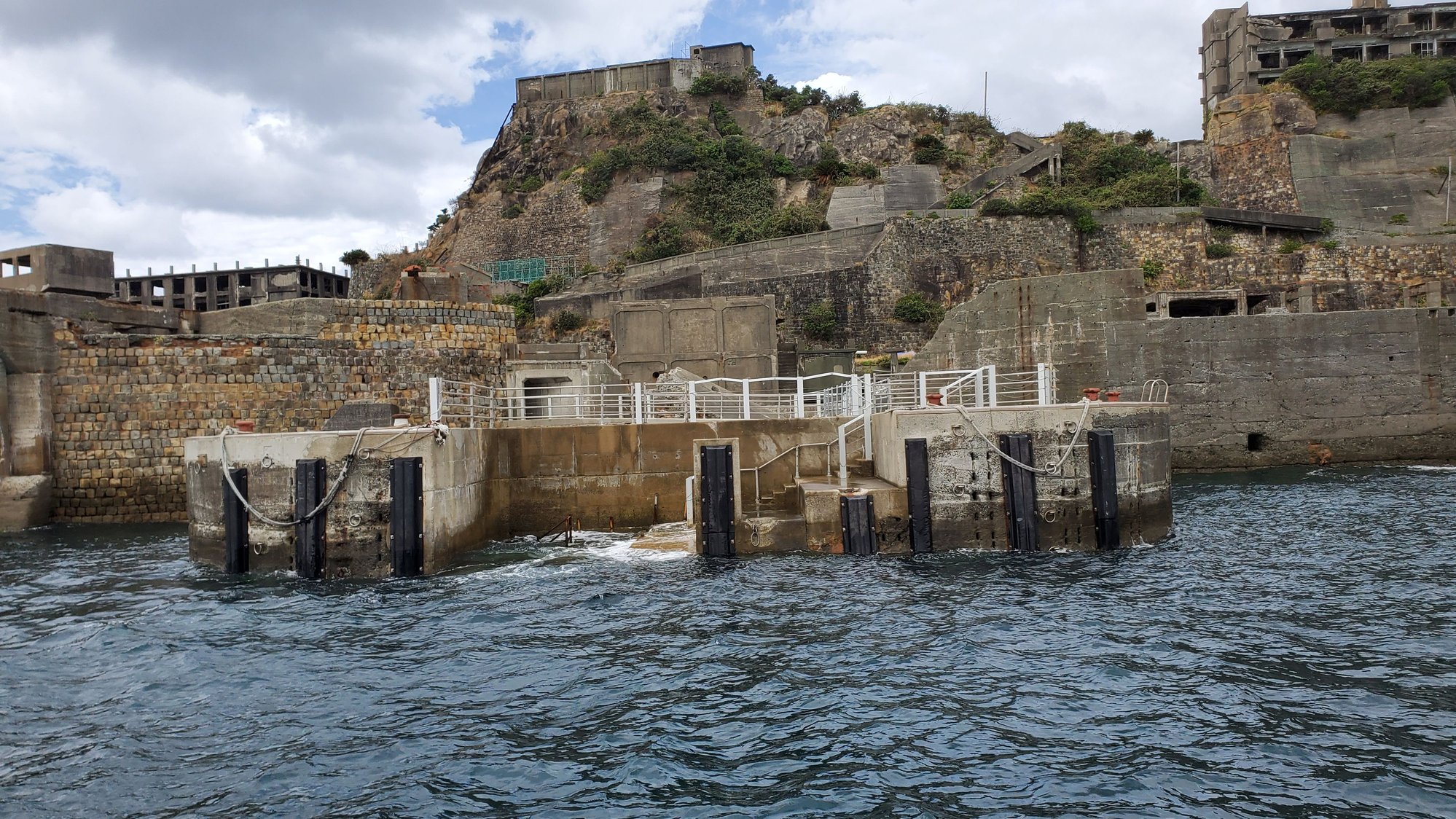
The second stop of the tour was Gunkanjima. However, as I have previously posted we did not land at Gunkanjima because the wave and the wind were twice as high as the maximum allowable to dock at Gunkanjima. The ship circled around Gunkanjima for our view.
On the way back the view of Nagasaki Bay.
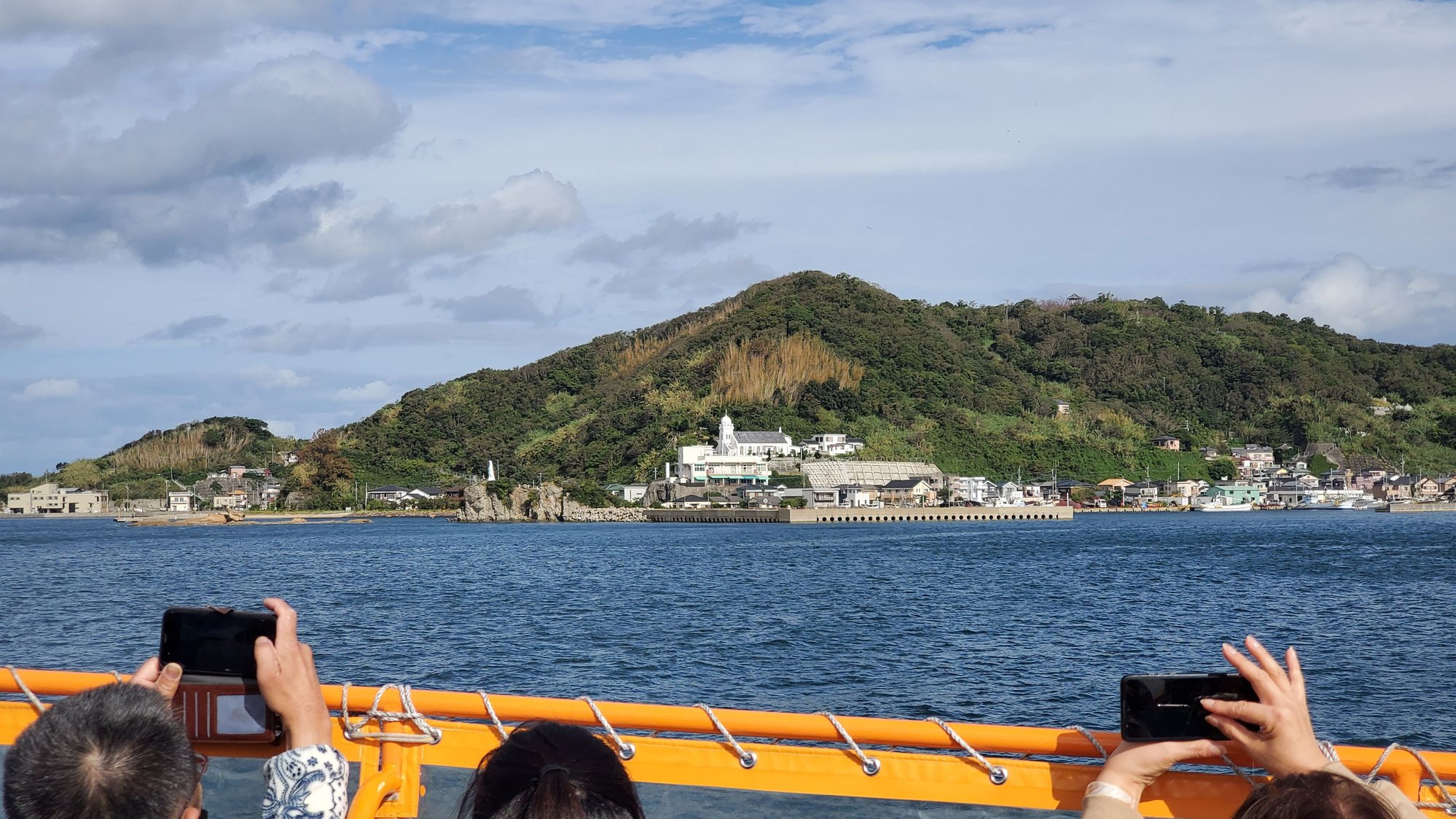
Hidden Christian church.
At the end of the cruise 310 yen Gunkanjima landing fee was refunded to the passengers.