We visited the ancient coastal city of Kamakura a few weeks ago, and opted to stay at a ryokan called Modern Ryokan kishi-ke. While most visitors to Kamakura are day-trippers from Tokyo (it's about an hour away), we opted to spend two nights in the vicinity to truly immerse ourselves in the city that was the the political center of Japan between 1185 and 1333. It's filled with wonderful Buddhist Zen temples and shrines, as well as the iconic Great Buddha of Kotoku-in. There are some blissful hiking trails in the area, where you can follow the footsteps of the Samurai from medieval times (they were actually used as footpaths back in the day.) Kamakura also has some pretty shopping streets lined with souvenir outlets, restaurants and boutiques, especially Komachi-dori, which runs between Kamakura Station and Tsurugaoka Hachiman-gu Shrine. Enoshima Island is a short train ride away and is also a well-known destination for Tokyo visitors - there are some decent beaches and an aquarium that's located on the mainland just off Enoshima.

kishi-ke is located just behind the main coastal road and across from Yuigahama Beach; it's about a 10 minute drive or a 10 minute walk + train ride (from Hase Station) to JR Kamakura Station. It is not, however, in the middle of nowhere... Hasedera and the Great Buddha statue are within walking distance, and there are small streets that are lined with some decent restaurants nearby. The ryokan is owned and managed by Nobuyuki and Hitomi Kishi (husband & wife); we had a delightful time interacting with them and learning about the area, how kishi-ke came to be, as well as their plans for the future. Nobuyuki studied English in Buffalo for a year, so he speaks (and reads/writes) very good English, which comes in handy given that roughly 80% of their guests are international visitors.
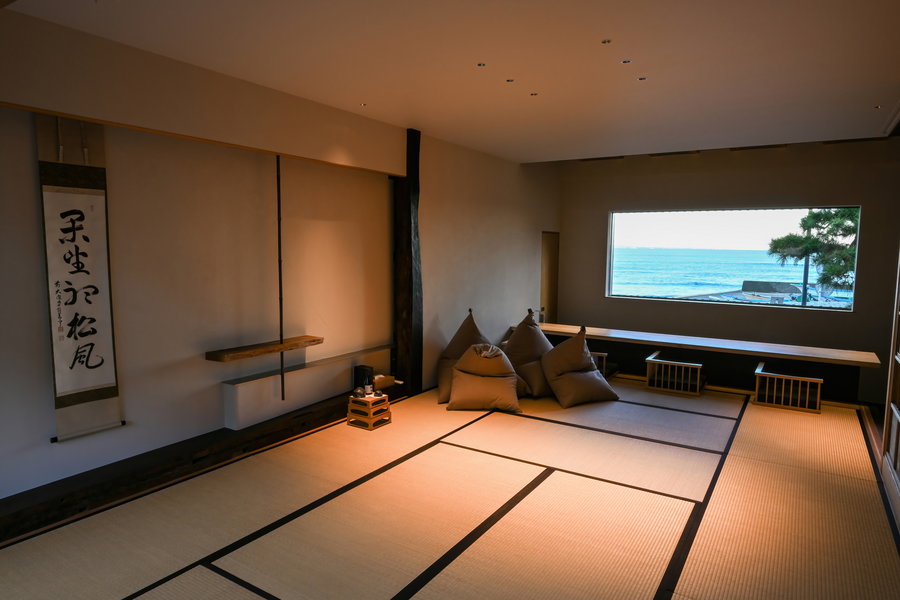
We opted to maximize our time visiting the top Kamakura sights, which meant that we did not take full advantage of everything that kishi-ke has to offer. The official name is Modern Ryokan kishi-ke stay & experience, which is an apt description of this property. kishi-ke only accepts one group of guests at any given time, and there are loads of activities on offer (including numerous ones on premise.) The fact that we primarily used kishi-ke as a place to stay meant that we did not avail ourselves to the ryokan's full potential. They offer experiences such as Zazen meditation, several kinds of tea ceremonies, tending to a rock garden, katana training and watersports activities. Numerous other activities can be arranged through kishi-ke (check their website for more details.) We don't regret it, since Kamakura itself is chock full of attractions. Now that we've gotten the touring out of the way, we'd love to return and really immerse ourselves in kishi-ke the next time we visit.

For guests (like us) that choose to forgo the kishi-ke experiences, it still works well for those that seek maximum privacy and enjoy getting to know the owners. As a property, it's good but not amazing... there is a dry rock garden that is sandwiched between the reception building and the two-story guest villa. The reception is where an abbreviated form of tea ceremony takes place during the check-in formalities. The villa itself has 88 square meters of total indoor living space, but to us, it wasn't as usable as we hoped. The first floor is a tatami room that also serves as the place where some of the experiences take place. It's also where breakfast is served. The bedroom and bathroom, along with a small desk, is on the second floor. The stairs between the two floors is outside, which we feel is a design flaw and made it too much of a hassle to bother using the first floor for anything other than breakfast. One side of the Villa faces the ocean, but the view is partially obscured by some ugly electric poles and wires. Those that have been to Japan know that the country is littered with such eyesores (with the exception of some parts of major tourist areas in Tsumago, Takayama, Kyoto and a precious few other places.) The rest of the property is surrounded by residential and business buildings, but it really can't be helped. Kamakura is a very compact town with very few large open spaces to build a brand new luxury property.

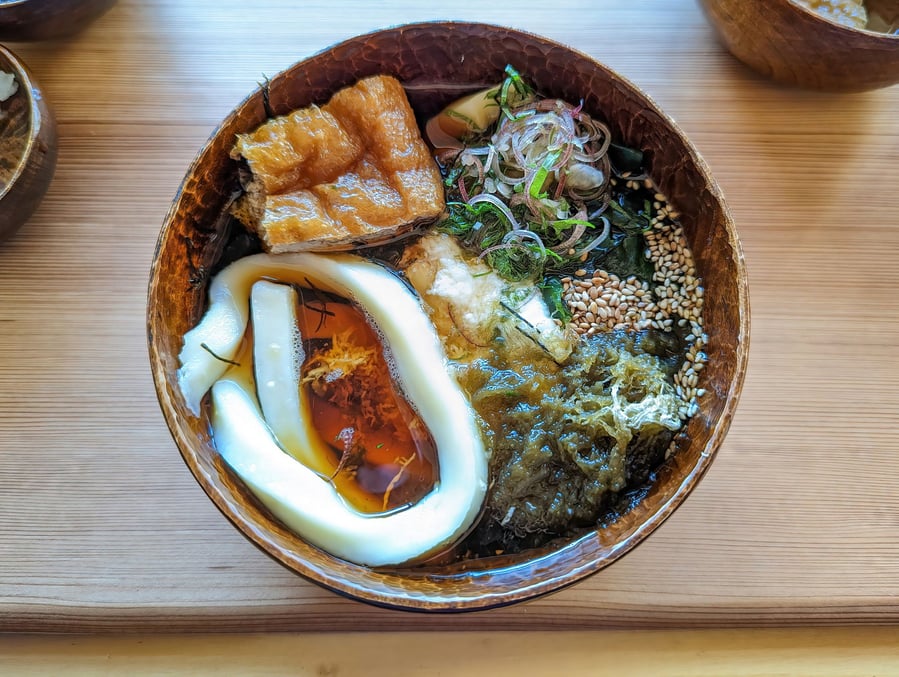
Breakfast is included in the rate, and kishi-ke serves vegeterian Buddhist Shojin cuisine - the kind that is served in Japan's temples. Breakfast on both days was creative, nutritous and hearty, and not once did we lament the lack of meat or fish. Some highlights included Kabocha (Japanese Squash) Potage, Udon noodles with an amazing broth, and marinated tofu skin that was prepared in a way that mimics the look and taste/texture of Unagi (grilled Eel.) There's a full kitchen on the Villa's ground floor, and each dish is lovingly prepared by Ms. Hitomi Kishi.
Unlike many luxury ryokans, dinner is not included in the base nightly rate, and that's for good reason. There are a vast array of local delicacies, and you'll want to venture out to dine at some of the finer restaurants in Kamakura. kishi-ke can, however, arrange to prepare anything from Sushi to Shojin vegetarian dinner as long as you request it in advance.

Overall, we really enjoyed our stay. It's not a one-room Aman or Asaba, and there is no onsen here (Kamakura is apparently devoid of any hot springs.) However, kishi-ke offers a bespoke and private experience that's enthusiastically managed by a wonderful couple that speaks very good English and can serve as a private concierge as well (Nobuyuki was extremely helpful in interacting with us over WhatsApp, securing us with last minute reservations at a popular Shirasu (Japanese Whitebait fish, a delicacy in the area) establishment in the city center.
One thing to note about Kamakura. Due to some very strict land zoning regulations, Kamakura has only 980 total guest rooms despite attracting over 20 million annual tourists. Compare that to Hakone, that has over 10 times as many rooms. As a result, kishi-ke only operates 4 days a week - they leave a day open between guest stays. The only other luxury property is Kamakura Cocon, a 2-room ryokan that opened in 2019 and also is prohibited from providing overnight accommodation for more than 180 days per year. Cocon only operates on Fridays and weekends. Therefore, early mornings and late evenings are very quiet in the city - we had the Kamakura Great Buddha all to ourselves at 8AM in the morning, before the day trippers arrived in droves. Kamakura is definitely worthy of an overnight stay, and if you're going to stay here, your best options are kish-ke and Cocon.