Sabah, one of Malaysia’s two eastern states that shares the island of Borneo with the sultanate of Brunei and the Indonesian territory of Kalimantan, is a place where the tourist attractions are some of the strangest creations this planet has to offer.
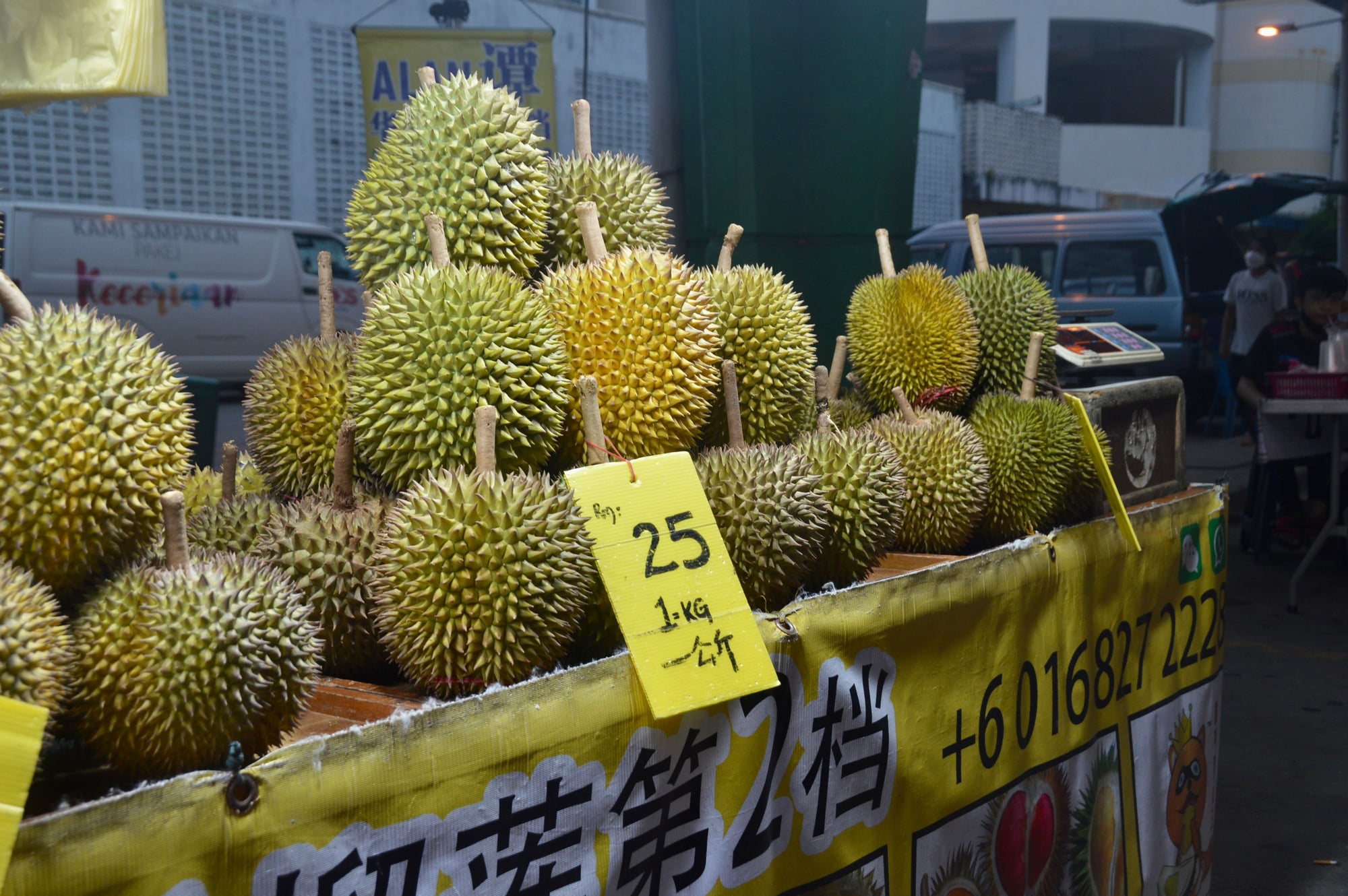
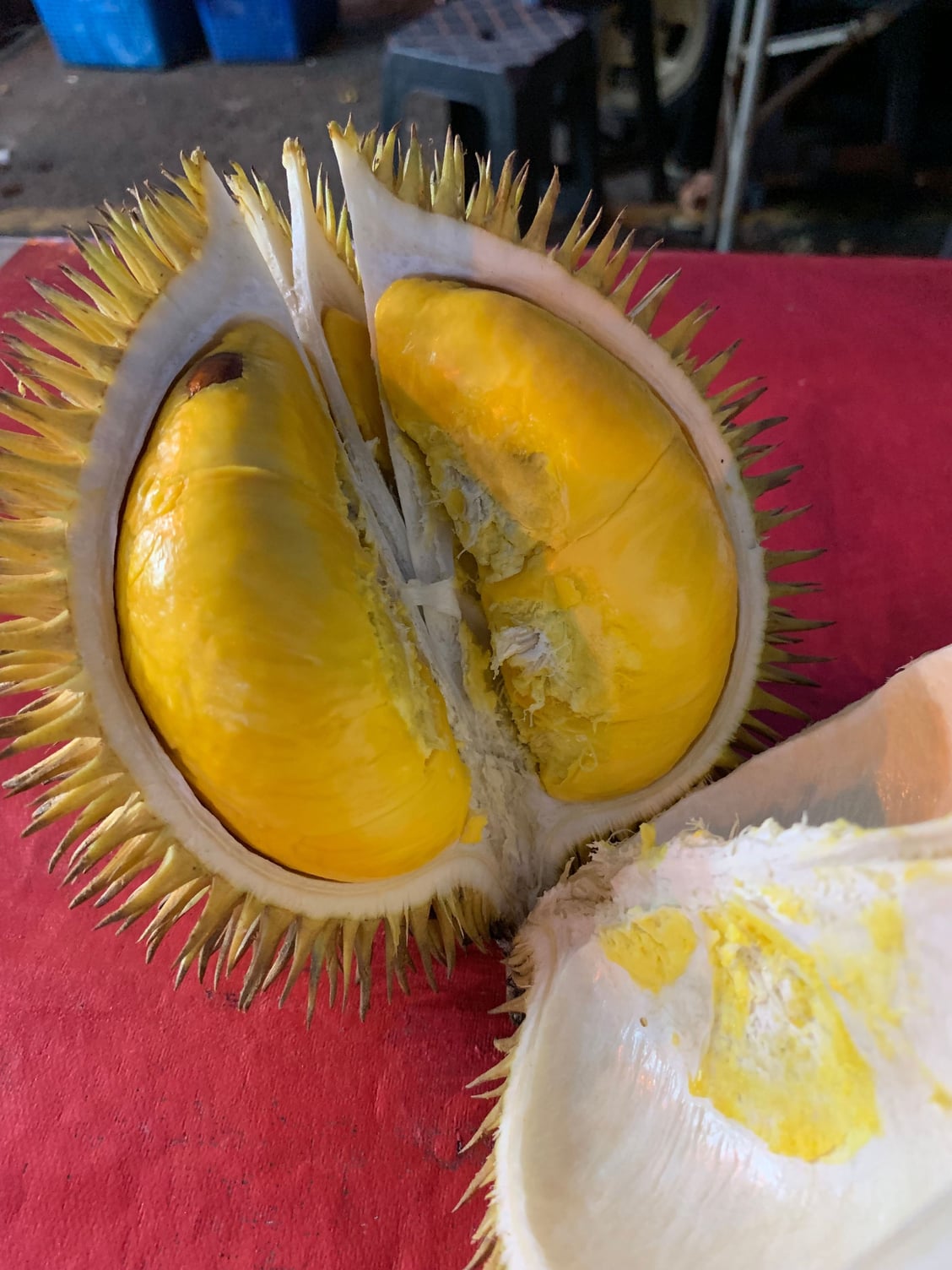
Every time I fly into Kota Kinabalu, Sabah’s capital, my first stop is Jalan Segama, otherwise known as Durian Street. Here, during the fruit season, vendors from various areas of Sabah and as far afield as Sarawak, Sabah’s southerly neighbor state, set up stands with generators and fluorescent lights to hawk the infamous and pungent fruit. Signs in hotels warn against bringing durian inside because the fruit has been described as smelling like gym socks, rotting flesh or raw sewage. I find that it smells like almond and onion. The odor is the most known characteristic of durian but there are plenty of other oddities related to the fruit. For instance, it’s given to patients in hospitals in the Philippines who have low blood pressure due to dengue fever because of the fruit’s capability to raise blood pressure. Perhaps relatedly, in Southeast Asia, you hear stories of people’s relatives who have dropped dead due to mixing durian with alcohol, which some believe to be a deadly concoction. It’s also the only plant-based food consumed regularly by tigers.
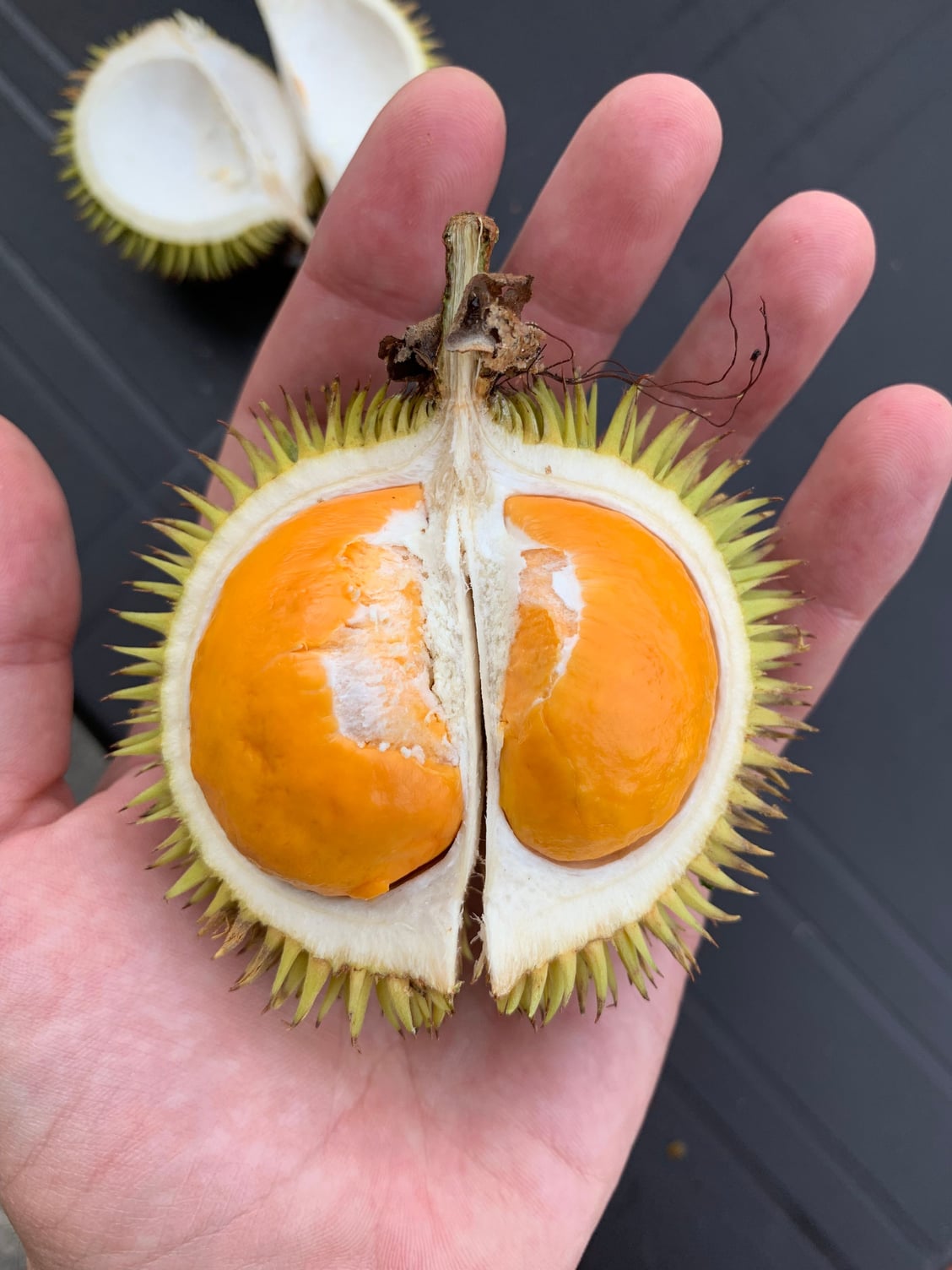
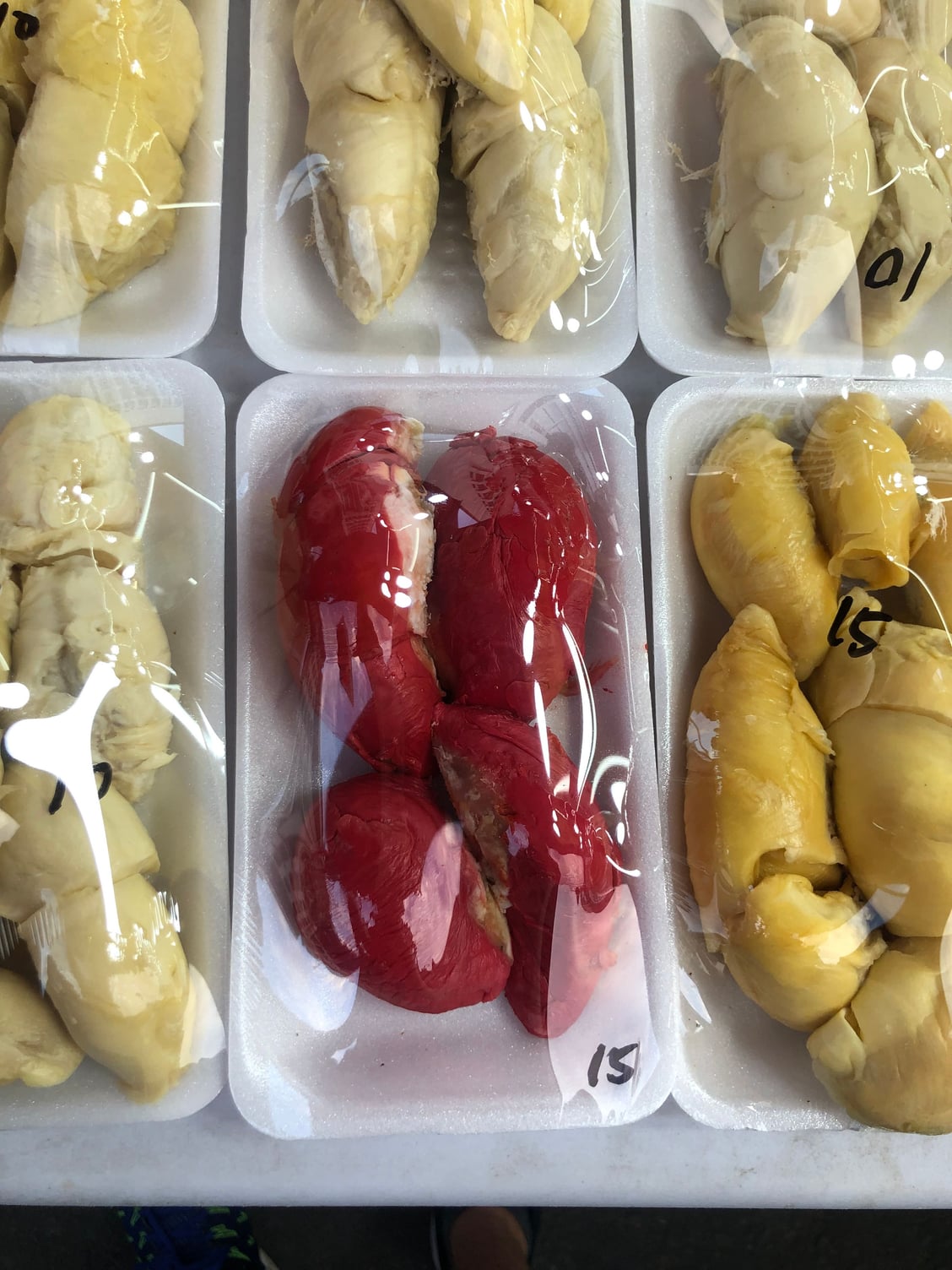
Durian shaped streetlights, durian murals on downtown buildings and freeze dried durian in every corner store remind you that if you are a durian lover, you are in the right place. Borneo is also one of the few places in the world where you can find wild jungle durian, which come in lipstick pink, fire truck red and almost neon orange. I won’t get too much into the botanical nerdom and Latin names here (if you’re a durian fan, you probably already know about Lindsay Gasik who is the expert on the subject and you can find more than you ever could’ve guessed there was to learn about durian on her website,
Year of the Durian), but suffice it to say that I often crave the subtle, nutty flavor of these wild durians that are so thick and peanut buttery that they’re better sucked off the seed than bitten.
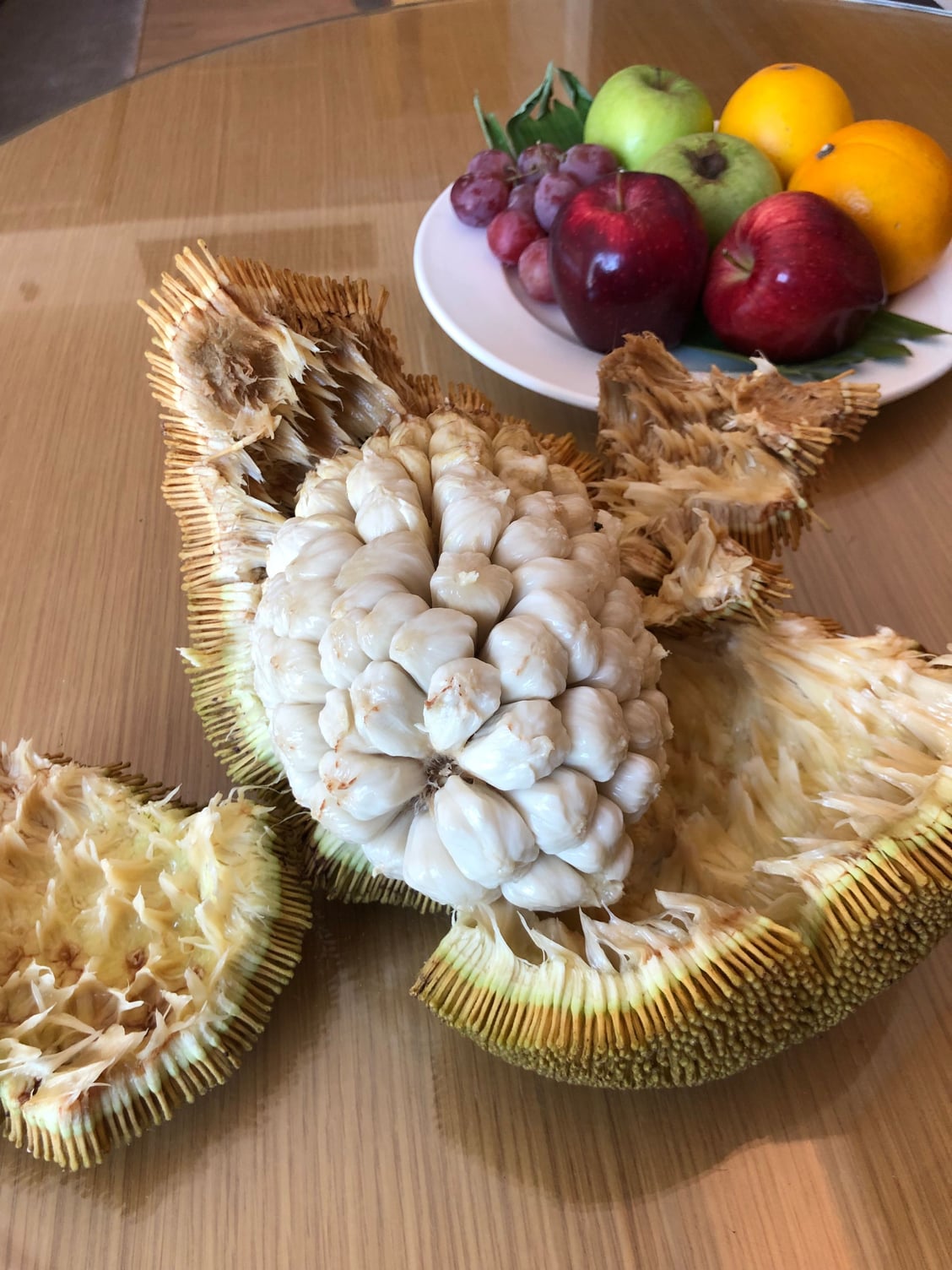
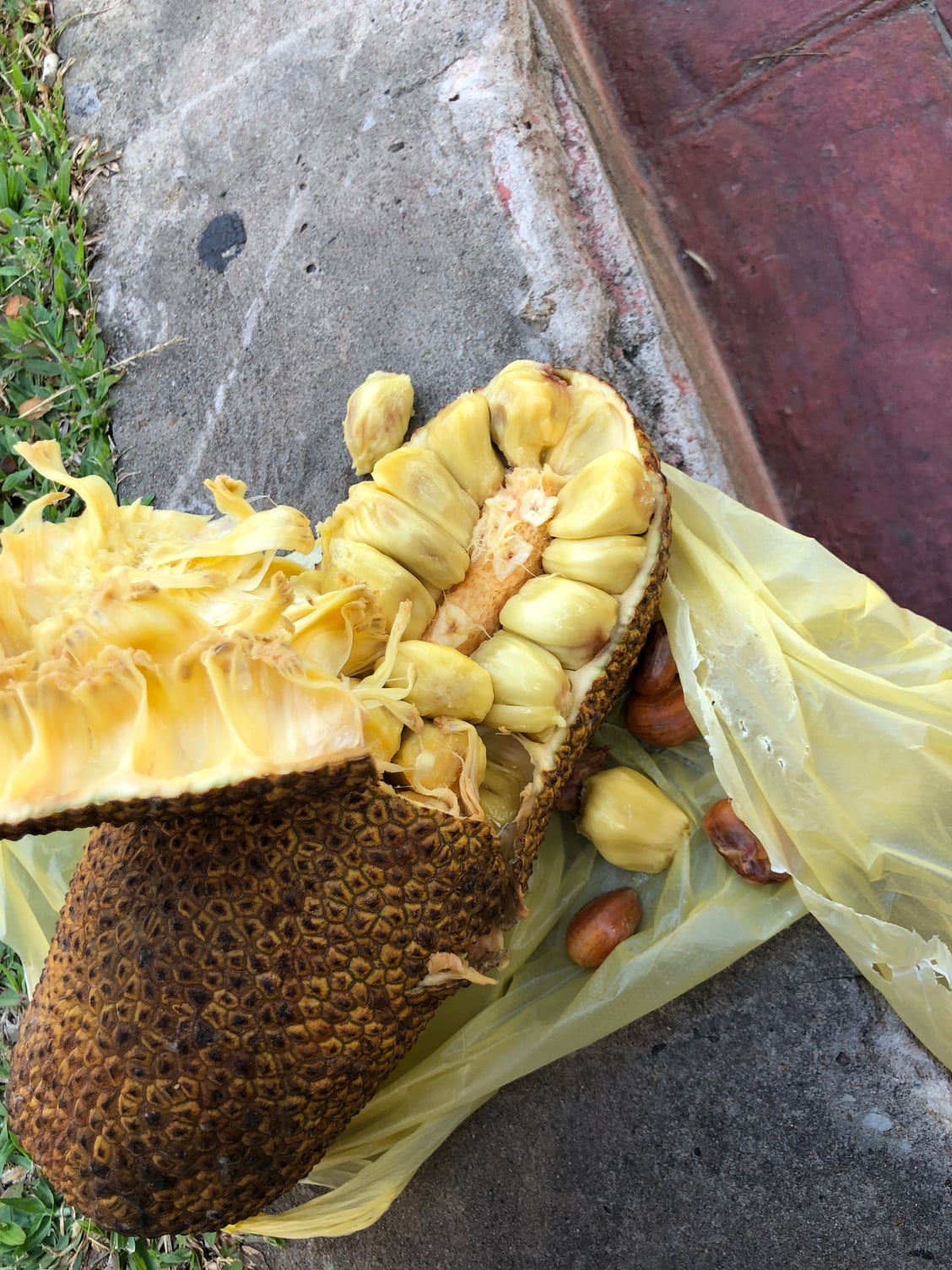
Other fruits you might find on Durian Street are tarap, which looks a bit like a Rick and Morty creation, pulasan, which glows like an ember, and cempedak, which has a scent that some say reminds them of honey and fermented urine.
Under the fluorescent lights, tourists struggle against the humidity to get into single-use plastic gloves to keep their hands clean during the durian feast, which can be a messy affair. Durian shells litter the tables and seeds are picked out of the trash basket by the durian sellers’ kids. They fill entire trashbags full of them to bring home and plant. The trees will bear fruit in close to a decade and the’ll be trucked into Durian Street for a new crop of fruit lovers to enjoy.
In Kota Kinabalu’s high-end souvenir shops, behind glass cases, are box after box of exorbitantly priced edible birds nests, a beige, honeycomb-like bowl structure a bit larger than a half-dollar. Various species of swiftlets create the nests with their solidified saliva and the nests can fetch upwards of $3,000/pound. The nests are collected in caves at significant risk to the climbers’ lives but more and more, artificial nests are being built to house the birds. Malaysians will sometimes put up birdhouses in their back yard in the hope that swiftlets will find their property an appealing place to come live and spit out some nests. The nests are used to create soup, which can be served in either a sweet or savory variety. Although it’s phenomenally pricey, the soup is eaten in large quantities to better enjoy the texture. There is also a red varietal, known as a “blood nest.” At the same souvenir shops, you’ll find hedgehog bezoars, also prized in Chinese medicine, and also absurdly expensive. Down the street is the dried seafood market where a brisk trade in dried sea cucumbers is done. The things that tourists bring home do a good job of representing the uniqueness of Sabah’s.
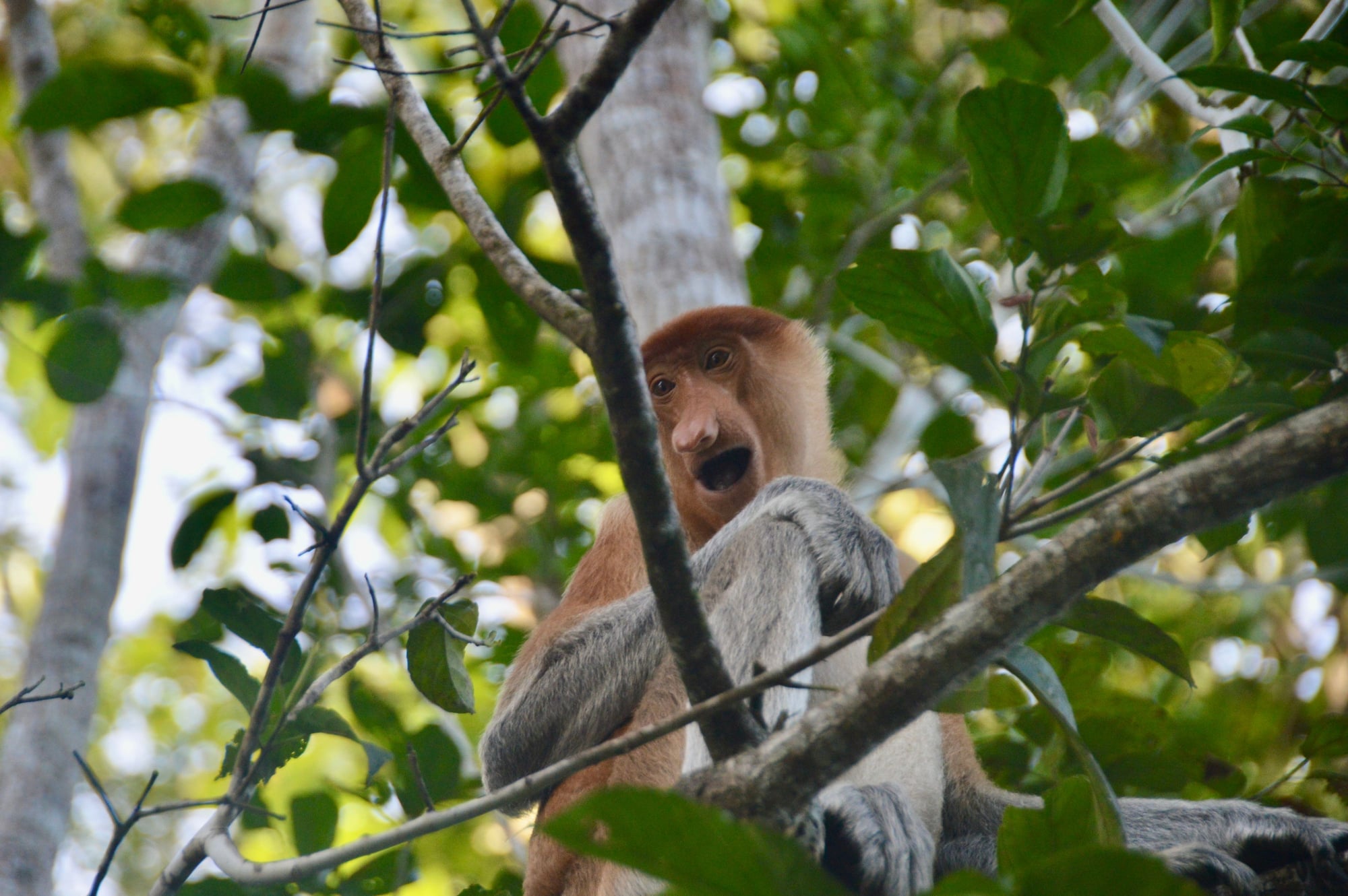
But alright, enough of the city, the majority of the visitors who come to Sabah are here for the incredible wildlife, such as the endangered proboscis monkey. These primates have comically bulbous noses if they’re male or Pinocchio before telling a lie noses if they’re female. The males have potbellies and very prominent, very red penises which are often in view because of how the monkeys like to sit - legs spread wide apart with their hands on their knees. They subsist on unripe fruit and will die if they eat fruit that’s too ripe because it will ferment in the aforementioned belly, leading to fatal bloating. Their preferred way to enter the rivers along which they live to swim to the other side or to escape an airborne predator like one of Borneo’s many eagles is to bellyflop.
Sabah’s second claim to fame which smells like rotting flesh is the Rafflesia flower, a gigantic red petaled monstrosity also known as the corpse flower because of its stench. One of its species holds the title of largest flower in the world. The plant wouldn’t be out of place on the set of Little Shop of Horrors and visitors to Sabah trek through the jungle to observe and sniff the plant while it’s in bloom. It’s one thing for the flower to be featured on the back of a 10 ringgit note, but it is deeply weird that someone would think to name a
medical center after the flower, given, you know, the whole rotting flesh thing. And on the topic of ringgit notes, Malaysia’s currency has also, at various points, featured the hornbill, a toucanesque bird with a bony helmet atop its bill, a betel nut chewing container, and a Boeing 777 belonging to the airline whose 777s have suffered two of the most spectacular catastrophes in recent memory.
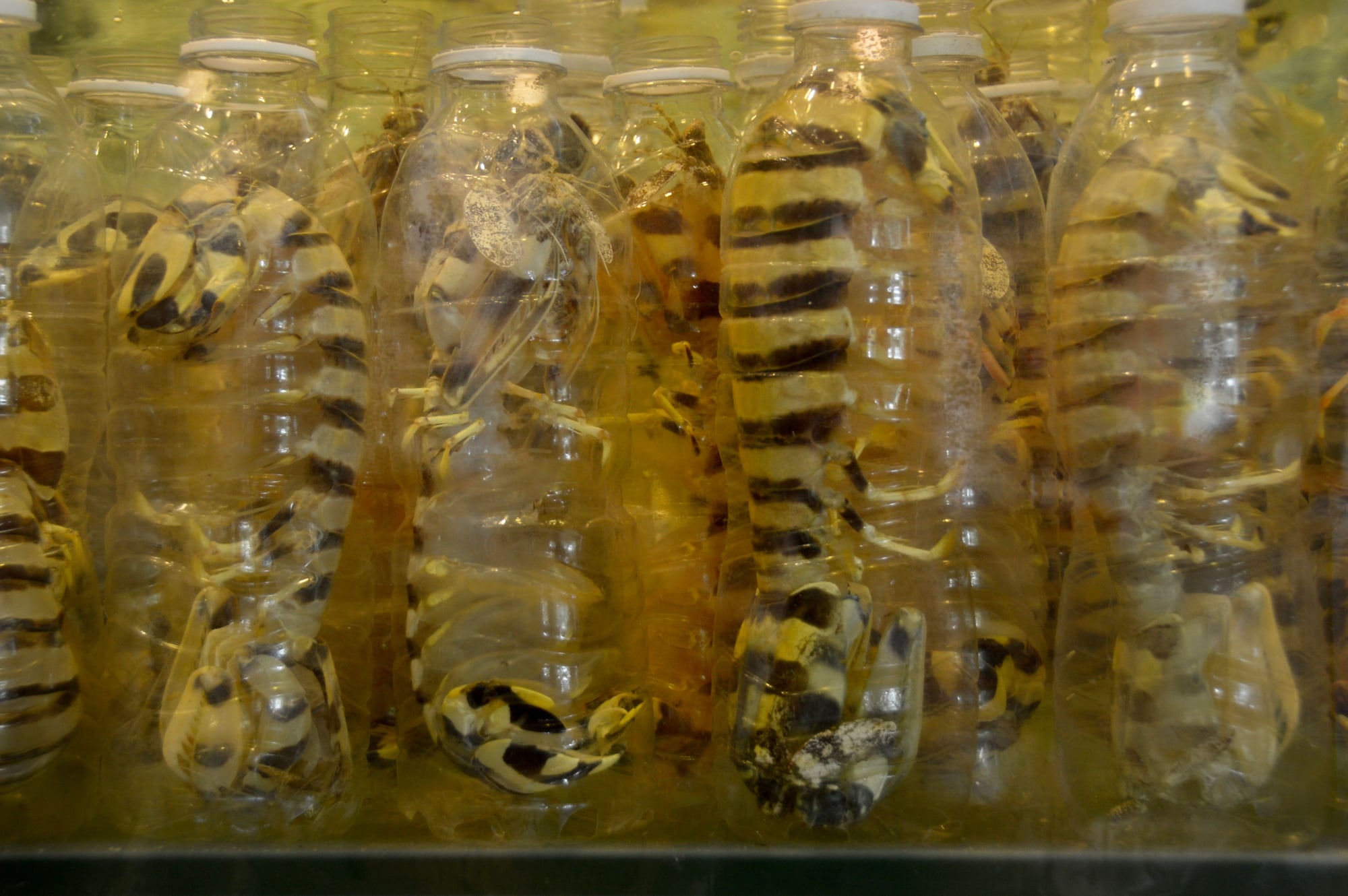
So now, say you’re back from the jungle and ready for some dinner. Tourists flock to Kota Kinabalu for the shockingly cheap and fresh seafood. In the restaurants’ rows of tanks, massive painted rock lobsters sit with their antennae sticking out of the water, prawns swim against the current and crabs scuttle around on the backs of their unlucky cell mates. A dinner consisting of a crab, a massive plate of shrimp, sautéed water spinach, rice and a couple coconuts to drink (no booze - durian later!) will set you back less than 20 bucks. But the strangest of Sabah’s seafood offerings (which is saying something seeing as how the slipper lobster is ubiquitous) is the mantis shrimp, called thumb splitters by some, which has appendages that pack a nasty punch. As a result, each shrimp is packed into a plastic water bottle for safe handling.
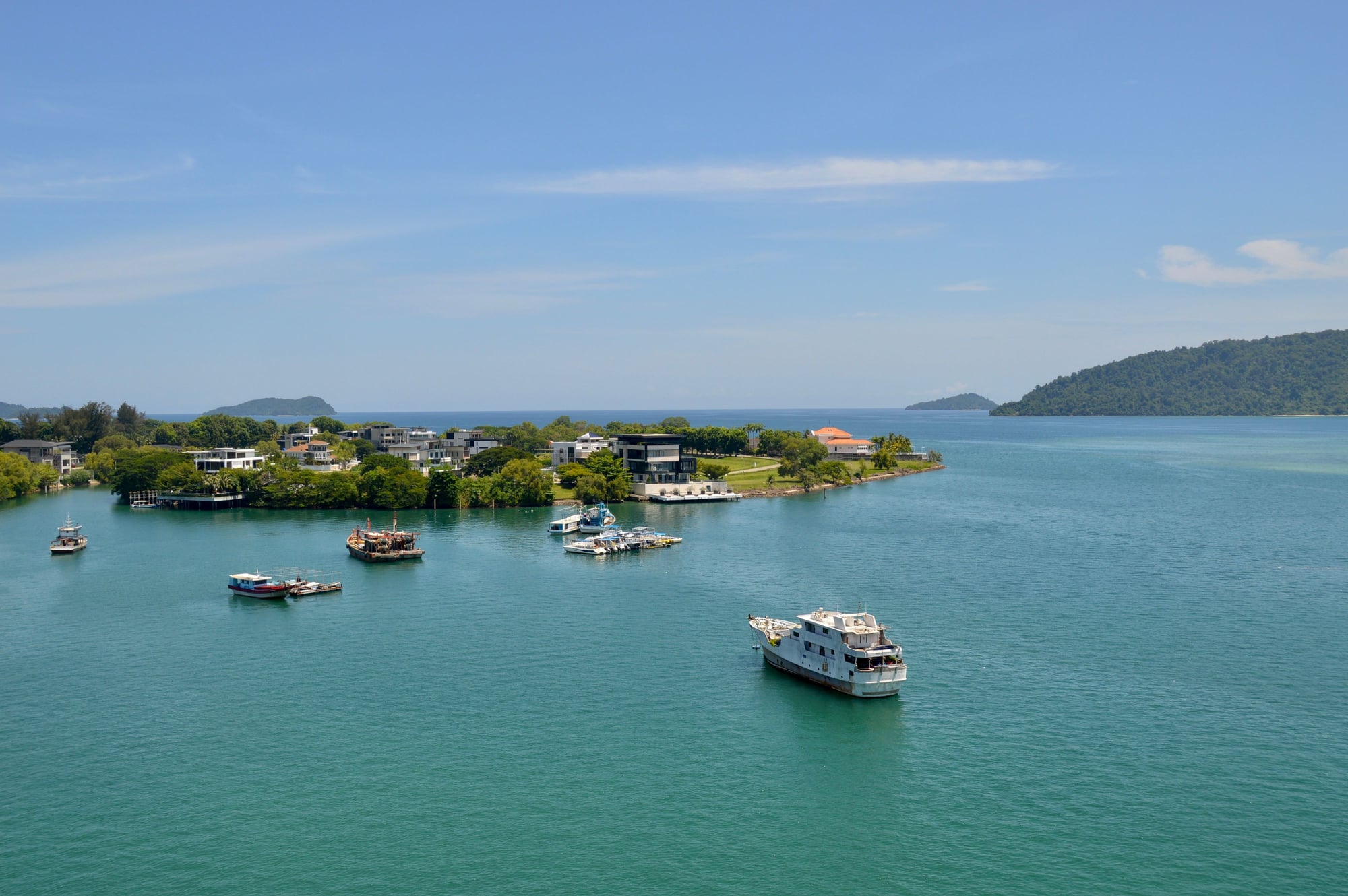
Kota Kinabalu is going to be big. As the gateway to the natural wonders of Sabah and with great snorkeling just a 15 minute speedboat ride away, new hotels and airline routes are betting on the region. A Hyatt Centric in downtown Kota Kinabalu is opening this year, and an Alila an hour north of the season is set to open soon as well. A Marriott and Holiday Inn have opened in the past few years. The city is huge with Korean tourists, and five airlines operate routes to Seoul, Busan and Muan. Before the pandemic, it was possible to fly direct to a half-dozen cities in China and plans are in the works to open routes to countries in the
Middle East.
it’s still a little rough around the edges in some ways. The warm Thai style of dealing with tourism hasn’t arrived yet and maybe it never will. Service is a bit gruff. An ebullient “thank you” will almost always be met with an “OK.” The municipality would do well to deal with its rat problem and the legacy of tourist kidnappings by Filipino Islamist militants is probably still keeping some away. But if you came away from your last vacation feeling that it was a little tame, maybe it’s time for a trip to Sabah.
Will continue to post here but feel free to follow along at Six Months Home, Six Away, if you're interested in reading more and seeing more pictures. Would love to hear some travel blog insight as I've written travel journalism before but never published on my own platform!