An Omani Engagement
Of all the places to get engaged, the Alila at Hinu Bay is not a bad option. Some 85 kilometers east of the international airport in Salalah, Oman’s second city, the resort is comprised of 112 rooms and overlooks the Arabian Sea.
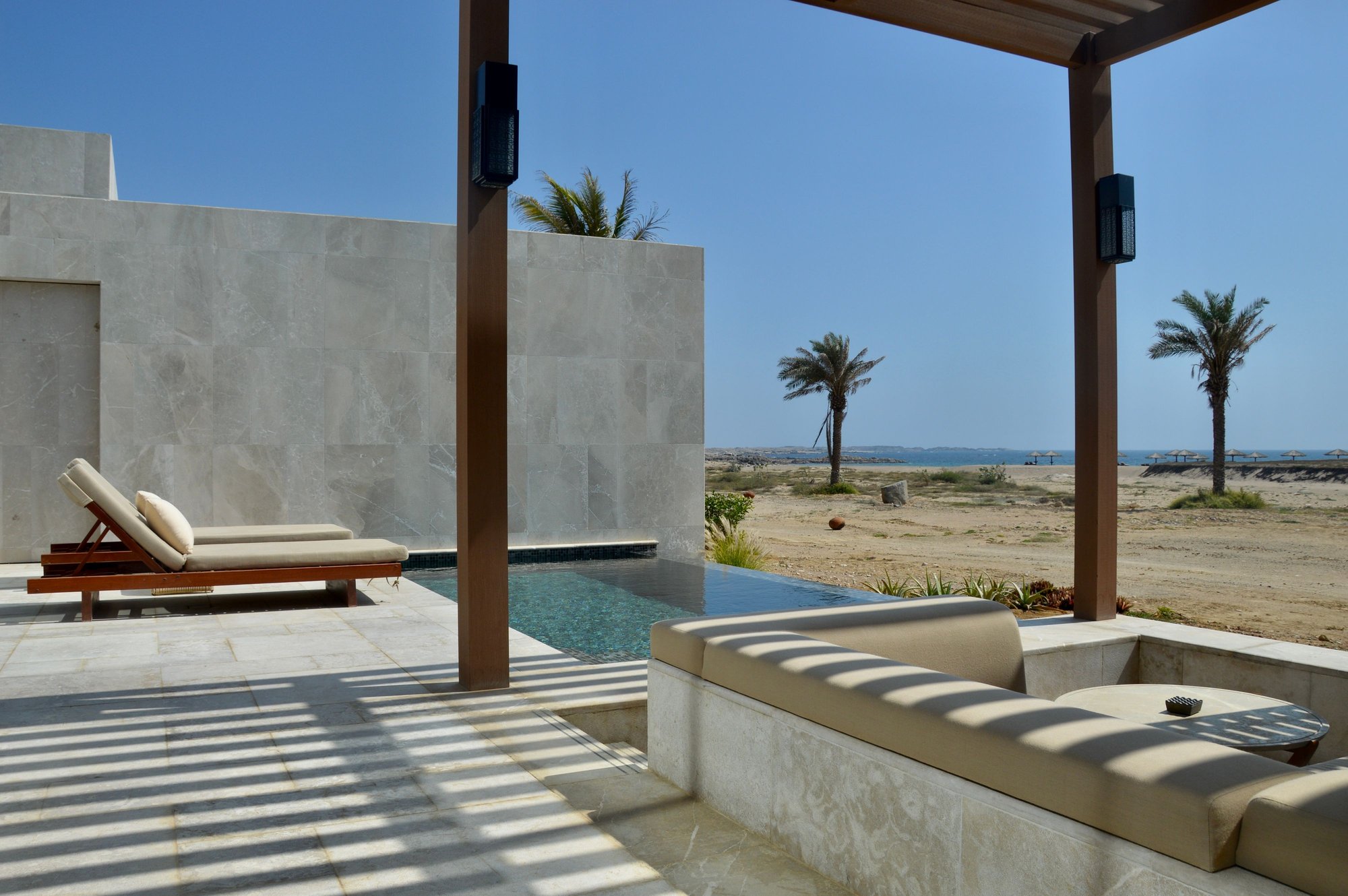
Salalah is known primarily for the khareef, an annual monsoon season which causes the desert to bloom. Rocky, arid canyons become green and lush and gushing waterfalls create seasonal reservoirs. Though I’ve wanted to go for years, I never dreamed that the first time I would visit the region would be outside of that famous meteorological occurrence. Apparently, the region doesn’t see many tourists out of the June-September season when the rains come. Salalah is also home to coconut plantations, roving camel tribes, was the birthplace of Sultan Qaboos, and produces the vast majority of the country’s frankincense.
I’d never heard of an Alila Hotel, but they’re part of the Hyatt portfolio and only exist in a handful of countries including Indonesia, India, China and the US. As far as I can tell, they appear to be eco-friendly and health-driven, with an emphasis on the surrounding natural area.
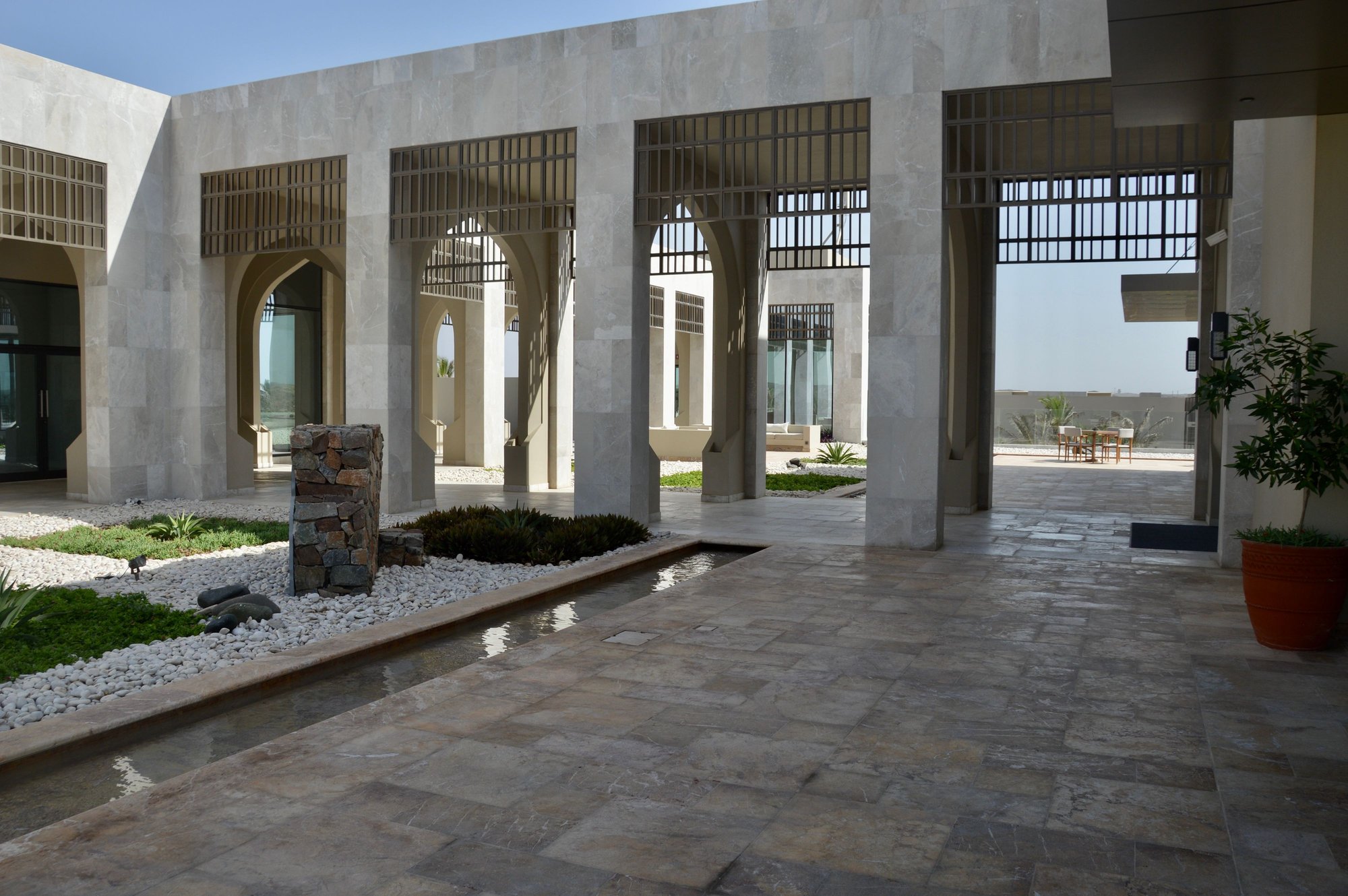
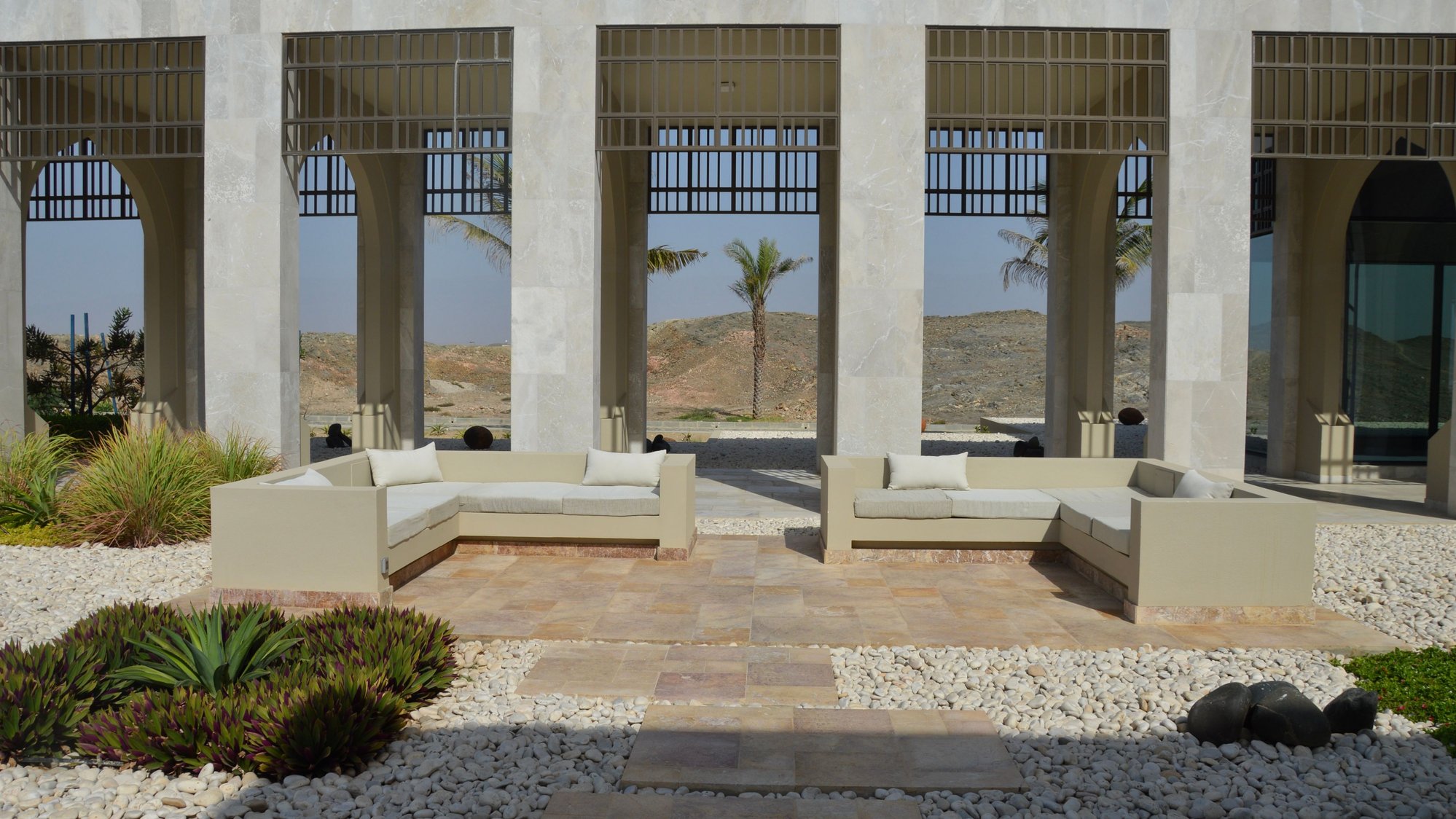
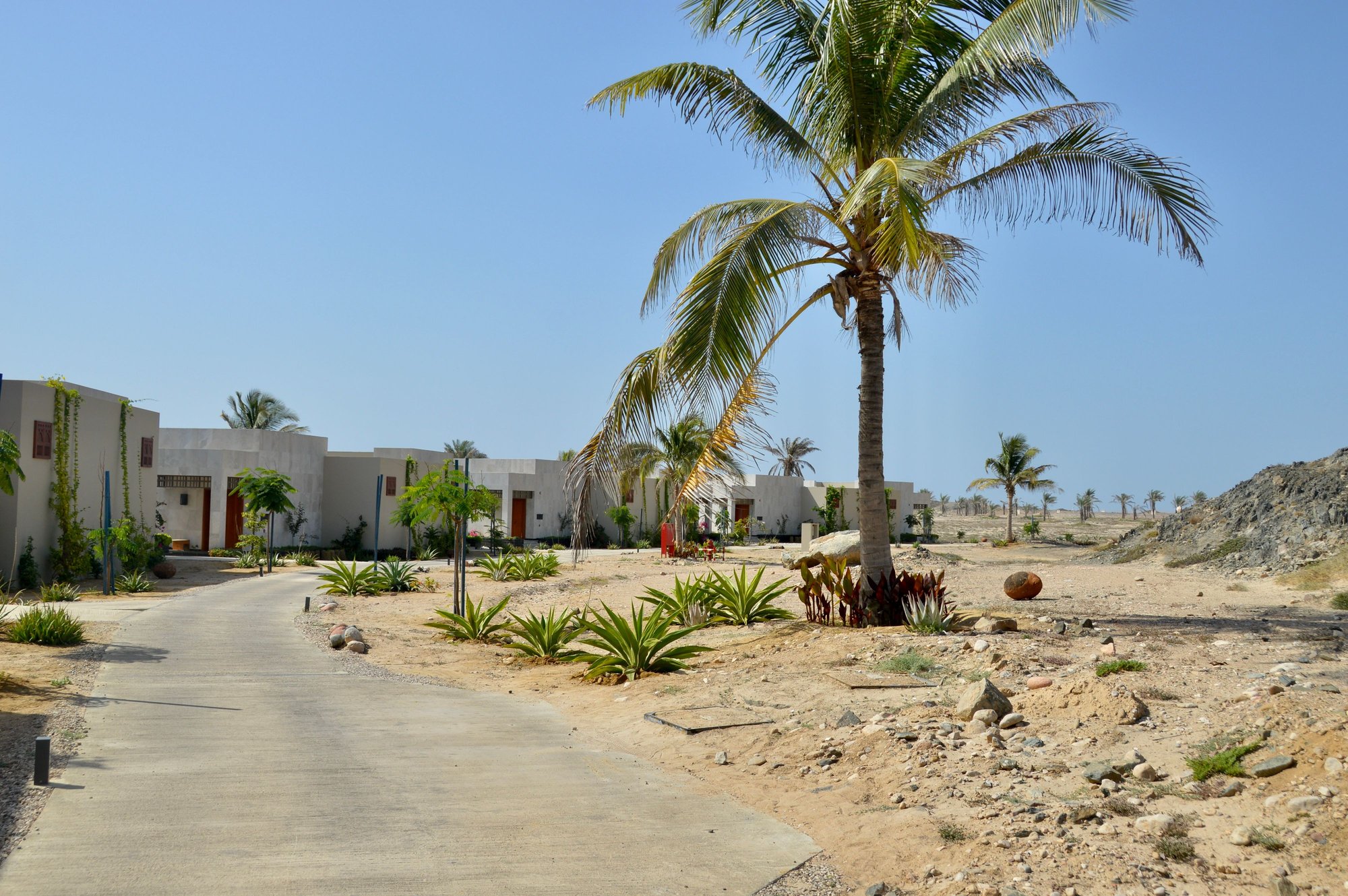
The Hinu Bay location has an Arabian gazelle sanctuary where a half-dozen of the nimble-footed animals somehow avoid heat stroke day after day. The gazelles are fenced in, but in the hills that abut the resort’s southeastern corner, there are leopards. One of the staff told me he’d seen one at night a few months ago. I promptly decided to take the golf cart back from the hotel’s restaurant after dinner.
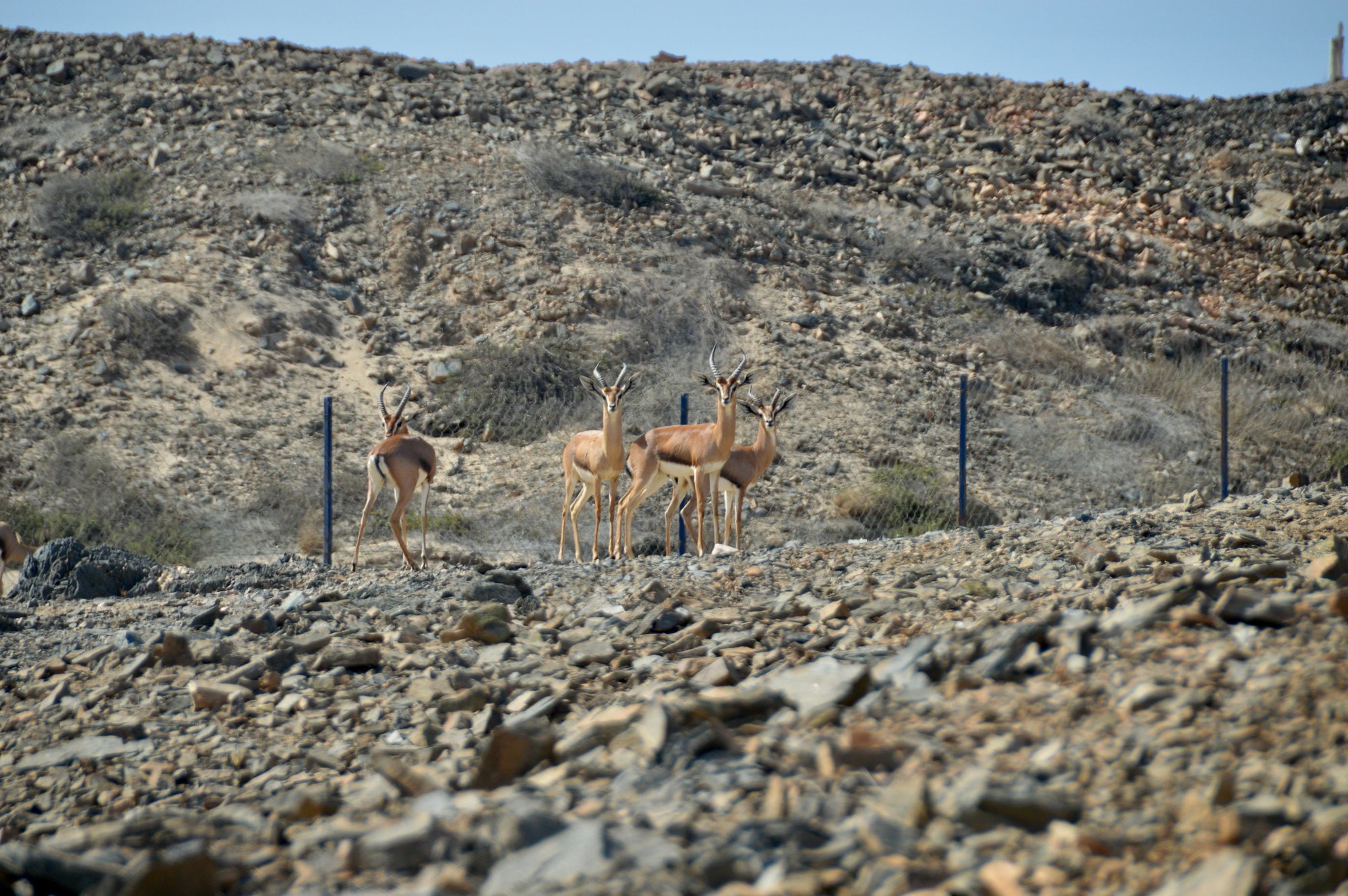
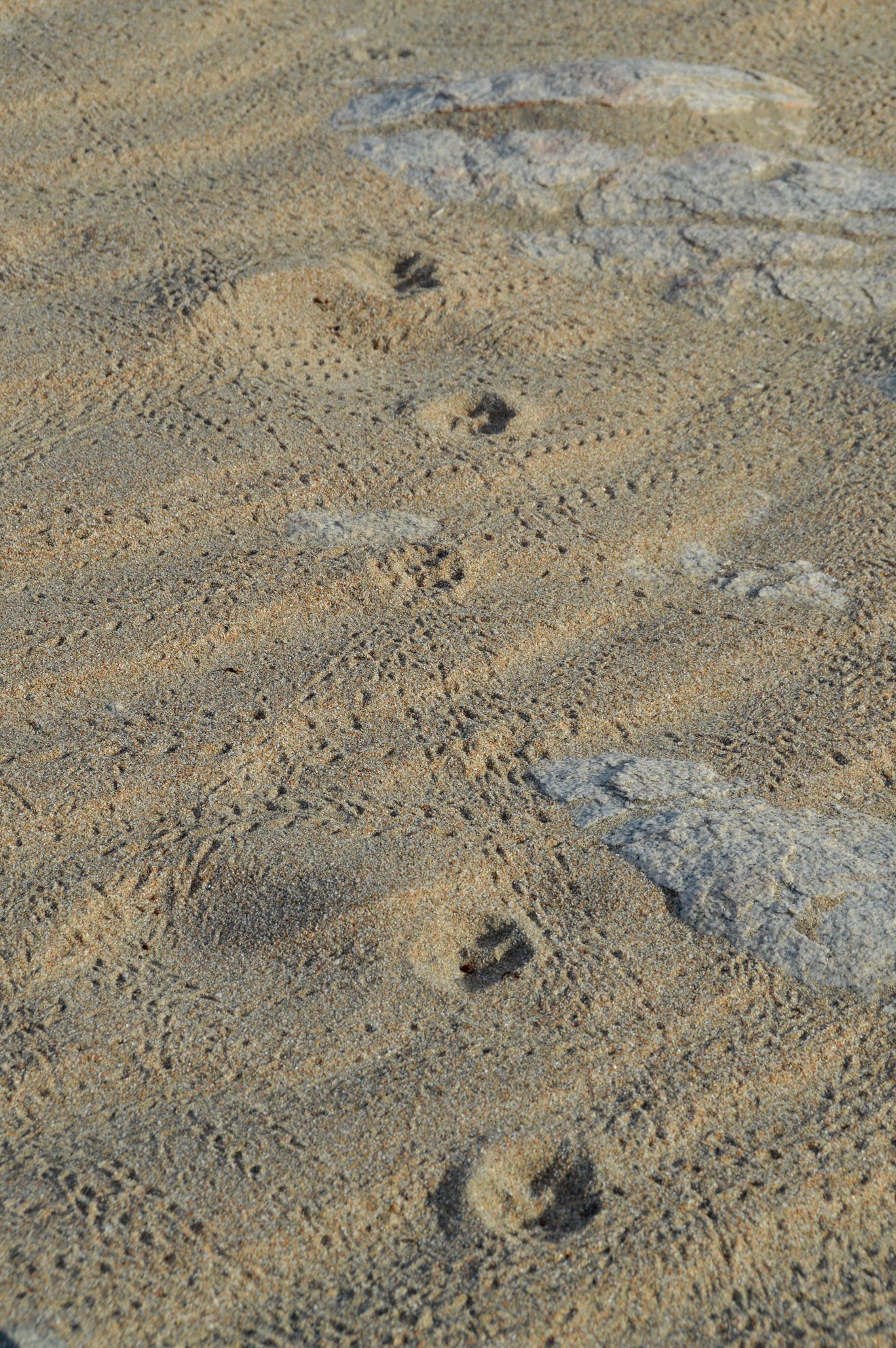
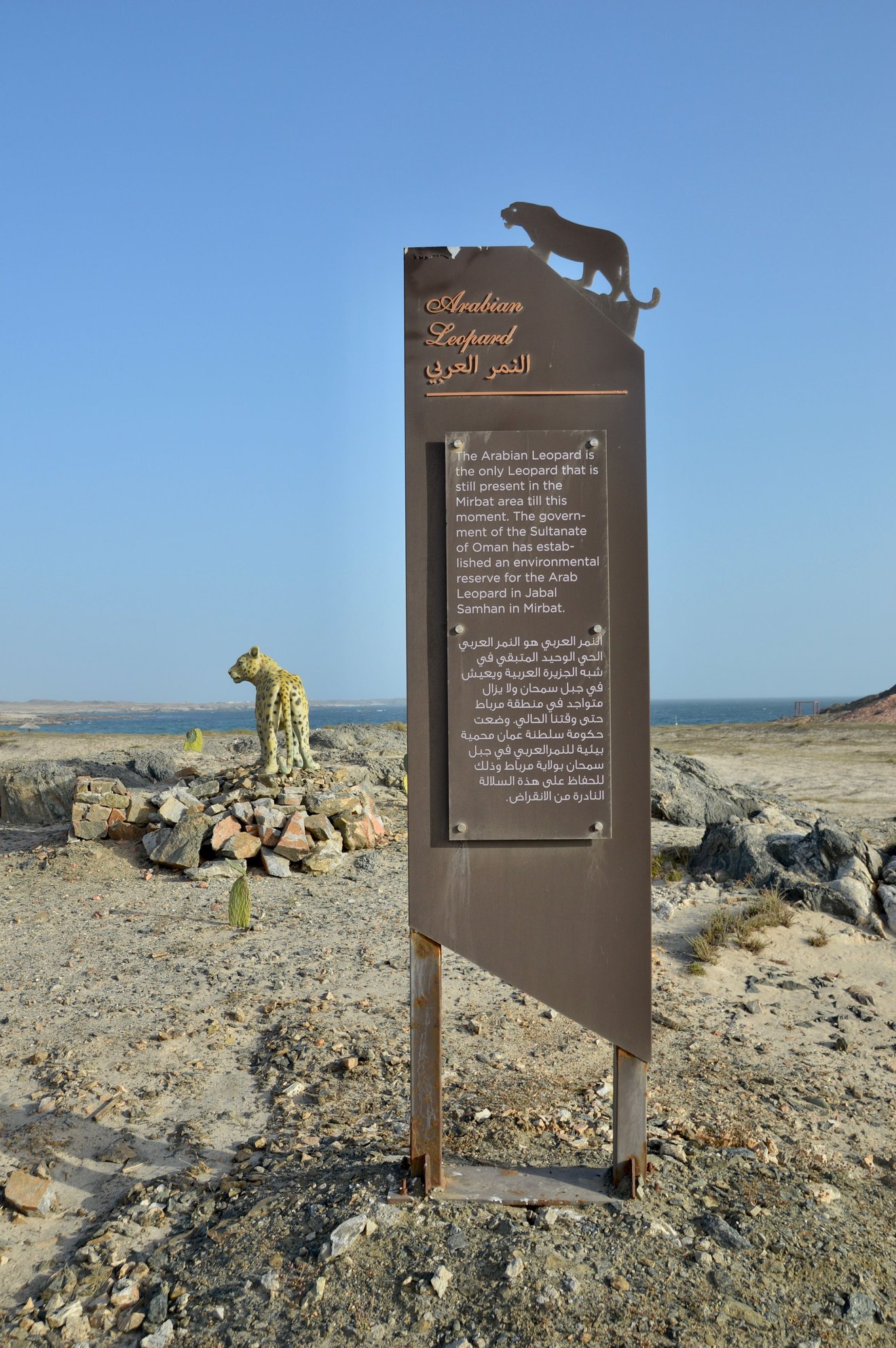
Some 200 Arabian leopards still exist in the wild and while their historical geographic range has shrunken drastically, one of the places where the animal has a relatively strong confirmed presence today is in the Dhofar region of Oman, the southwestern coast. Mirbat, the closest big city to which were located, is situated smack-dab in the middle of the Dhofar region but still, the region is a big place and so I didn’t expect to see any evidence of a leopard living there. But on our walk to the beach in the morning, in addition to a handful of human footprints, there were also the footprints of a cat. A big cat, and they looked rather fresh.
The resort took five years to build and heavy machinery had been brought in to cut off the tops of some of the hills. A staff of over a hundred made sure that things went smoothly and yet, during the long weekend that we stayed, only four rooms were occupied. The amount of money that this place must be bleeding on a monthly basis is staggering.
When you find yourself in such a situation, you worry a bit about the turnover of the food at the hotel restaurant when there aren’t any guests there to eat it. But it was quite wonderful and completely different than what I was expecting. There are a handful of chefs from southeast Asia working at the restaurant, and the versions of nasi goreng and tom yum that they whipped up rivaled those that I’ve had in Asia.
The Alila Hinu Bay was the tail end of our fantastic trip to Oman. The way I see it, there are only a handful of things which will get in the way of Oman successfully scaling up its tourism industry.
The first is that there are months of the year when the country is unvisitable. In the summer the mercury often breezes past 100 and the humidity makes it feel like it’s well over that. As the world continues to warm and the
Persian Gulf marches toward an uninhabitable future, the annual window to visit the country will gradually shrink.
The second is that it’s expensive. Very expensive. Everything from taxis to restaurants to hotels to tours cost a pretty penny. You can do Dubai on the cheap. You can do thrifty trips to Japan. It’s hard not to spend a fortune when you go to Oman. Part of that is due to the fact that the Omani rial is one of the currencies worth more than the dollar. Significantly more, too. One omani rial is worth almost $2.60.
In Muscat, we burned some
Marriott points to stay at the new W Hotel when the rates for a normal room were approaching $400. We used some suite night awards to move to a very nice room with a balcony overlooking the water and used the hotel as our base to explore the city. The Alila suite we booked was knocked down a few hundred dollars by using
hotels.com rewards points. If we had paid cash for all the properties we stayed at during the trip, it would have been prohibitively expensive for us and many others.
Lastly, as with many countries in the Middle East, there’s the question of political stability. From those we spoke with, there were some who worried about an orderly transition of power after the death of Sultan Qaboos at the beginning of 2020, but to this point those fears have not been borne out.
Those things aside, it’s a phenomenal place to be a tourist. There’s a wide breadth of offerings that will entice travelers from all walks of life. The infrastructure is phenomenal. The roads are smooth and automotive safety is strongly encouraged every few kilometers on the highway, where I saw more camera speed traps that I’ve ever seen in my life.
And of the engagement? As we were reading in the morning on the terrace, I put down the new (great!) Hanya Yanigahara novel and crept inside to get the ring, popping the question on a warm and cloudless day.
The answer? Well, the same as whether I would come back to the Oman.