In addition to the Shimanto river, the other main attractions are around Cape Ashizuri, the southernmost point of Shikoku island. I took a bus tour which I normally don't have the patience for, but it turned out to be very good. Plus the only other option to get around if you don't have a car would be the local buses, which slow and infrequent (but still impressive that they exist). The normal price is
¥3800 ($35) but it's included in the premium transit pass, the 'premium' part I suppose. When I boarded the driver seemed quite concerned that I didn't have a reservation, despite only having 3 other passengers, and the brochure and staff at the tourist information both insisting that I didn't need one. Rather than a map,
here's the brochure, plus an
older version in English that I found online, although almost everything was only in Japanese.
Cape Ashizuri. There was a very enthusiastic tour guide who showed us around the area, pointing out many of the less-obvious features of the landscape and area. You can see the ocean has areas of different colors; it's not the lighting, it actually is that way due to the Kuroshio (Pacific) current mixing with water in the Tosa bay and Seto Inland sea where they meet right here. The lighthouse itself was intentionally built to look futuristic like a rocket ship, and the empty space right in front of it used to be a telegraph and later a radio station.
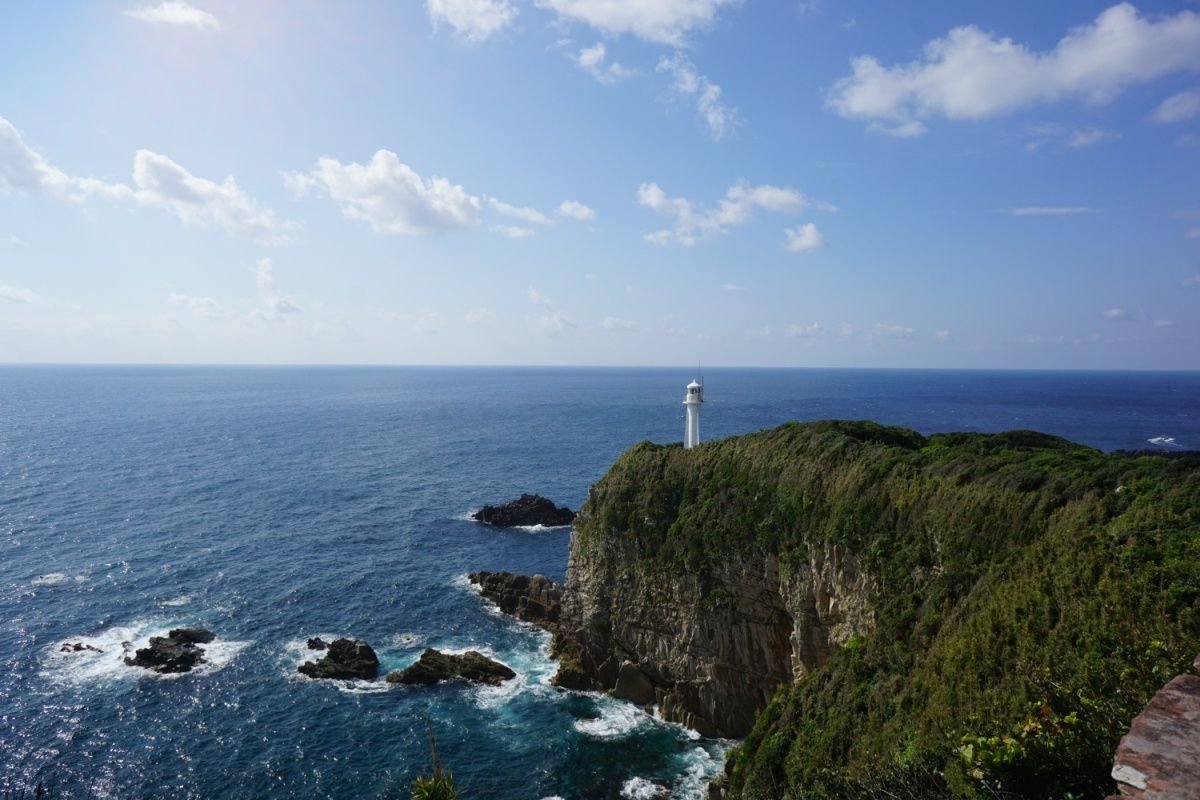
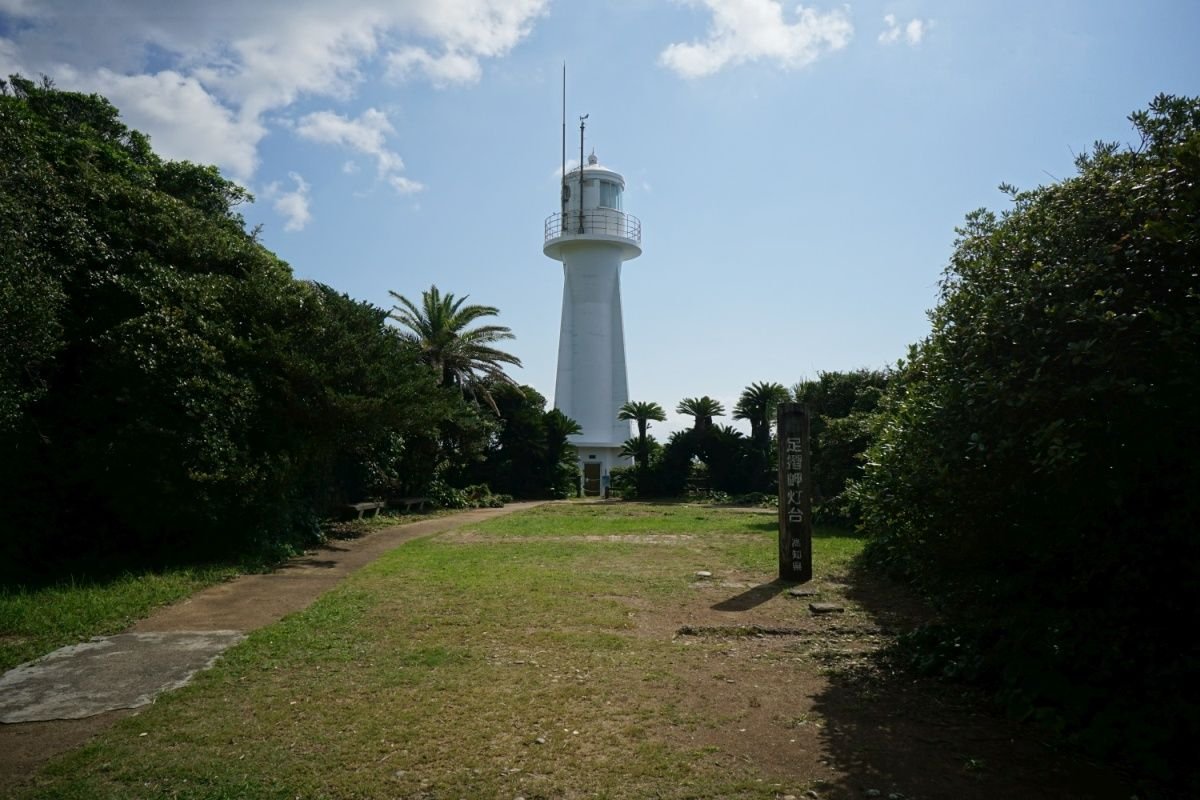
Kongofukuji, #38 on the Shikoku 88 temple pilgrimage.

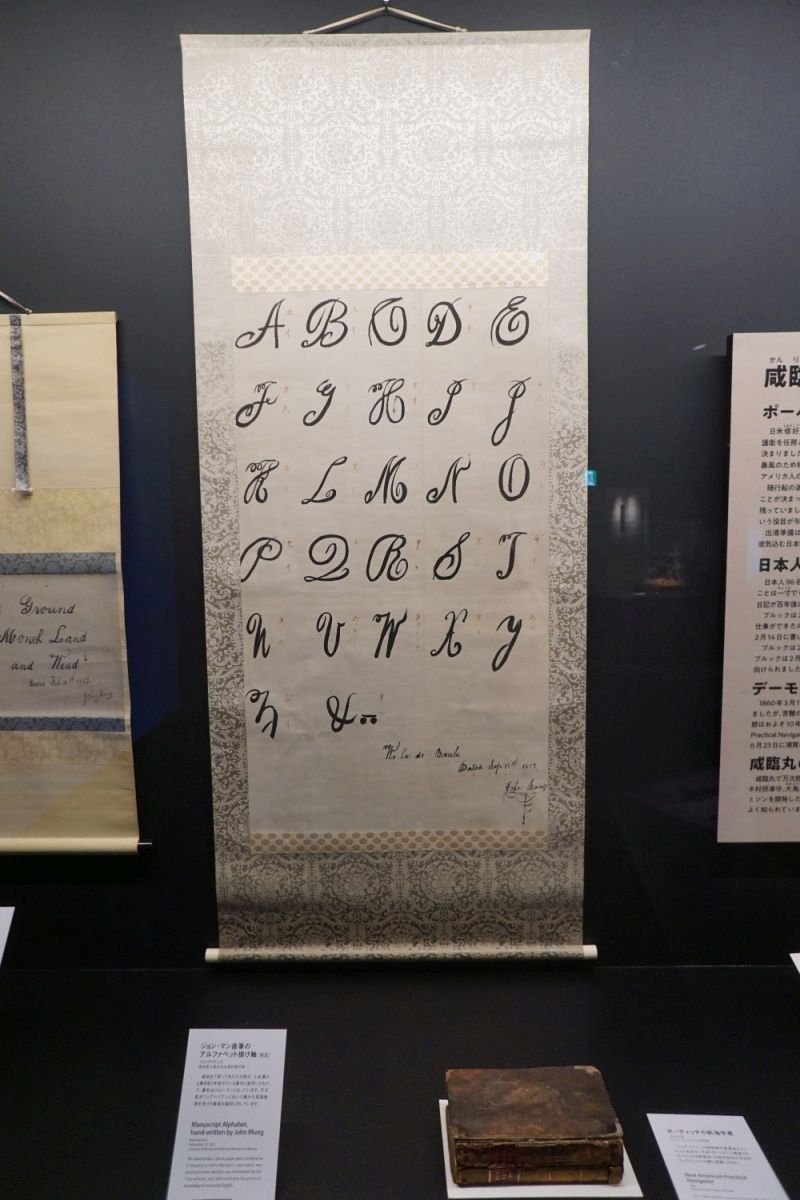
Another stop was at the John Mung Museum. I hadn't heard of him before the introduction by our tour guide at cape Ashizuri, but John Mung, or John Manjiro, was one of the first Japanese to visit and live in America in the 1840s when people were forbidden to leave. He got shipwrecked and stranded on a small island with a few friends when he was 14, but was picked up by a passing American ship and went to Honolulu then later Fairhaven MA, where he learned English and shipbuilding and trade skills. After living in America for a couple more years he made it back to Japan and used those skills in translation, shipbuilding, and navigation at a crucial time when Japan was starting to open up later in the 1800s. (That's a two sentence summary; you can find much more online or eventually visit the museum yourself).


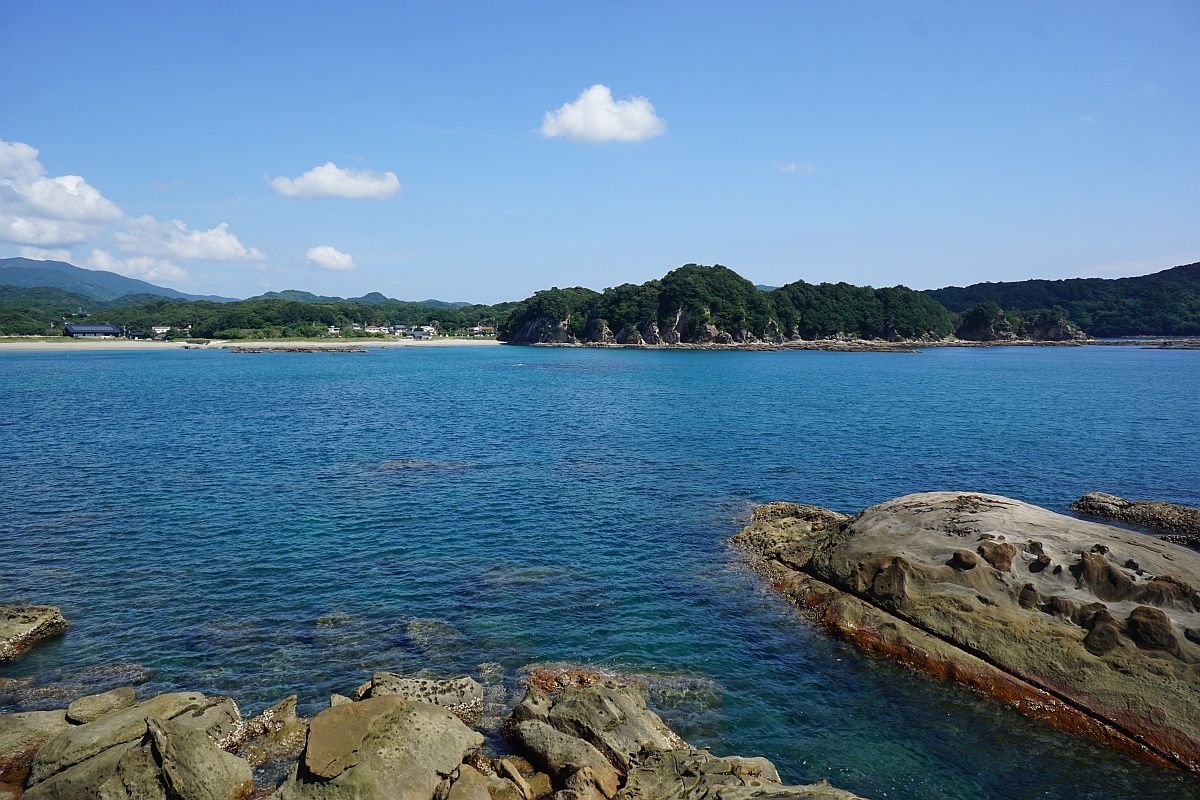
The longest stop was at the Tatsukushi coast for about 2 hours, but you could easily spend a whole day here alone. There's a very new aquarium, an 'underwater aquarium' which is actually a tower down to the ocean floor just off the coast, two companies offering boat tours with see-through boats, and the expected handful of restaurants and souvenir shops. I thought the most interesting part was the coast itself, with almost alien-looking rock formations, and spent about half an hour walking around.



Excellent lunch, katsuo tataki with abura soba (ramen noodles with an oil-based sauce),
¥850. Perhaps a variation on the usual rice bowl, which I would never have expected and may well be unique to that restuarant.

An abandoned something. This whole area has suffered depopulation and a decrease in tourism since the 1970s so there are a lot of closed business and abandoned houses, although there are recent efforts to bring it back such as the new aquarium.

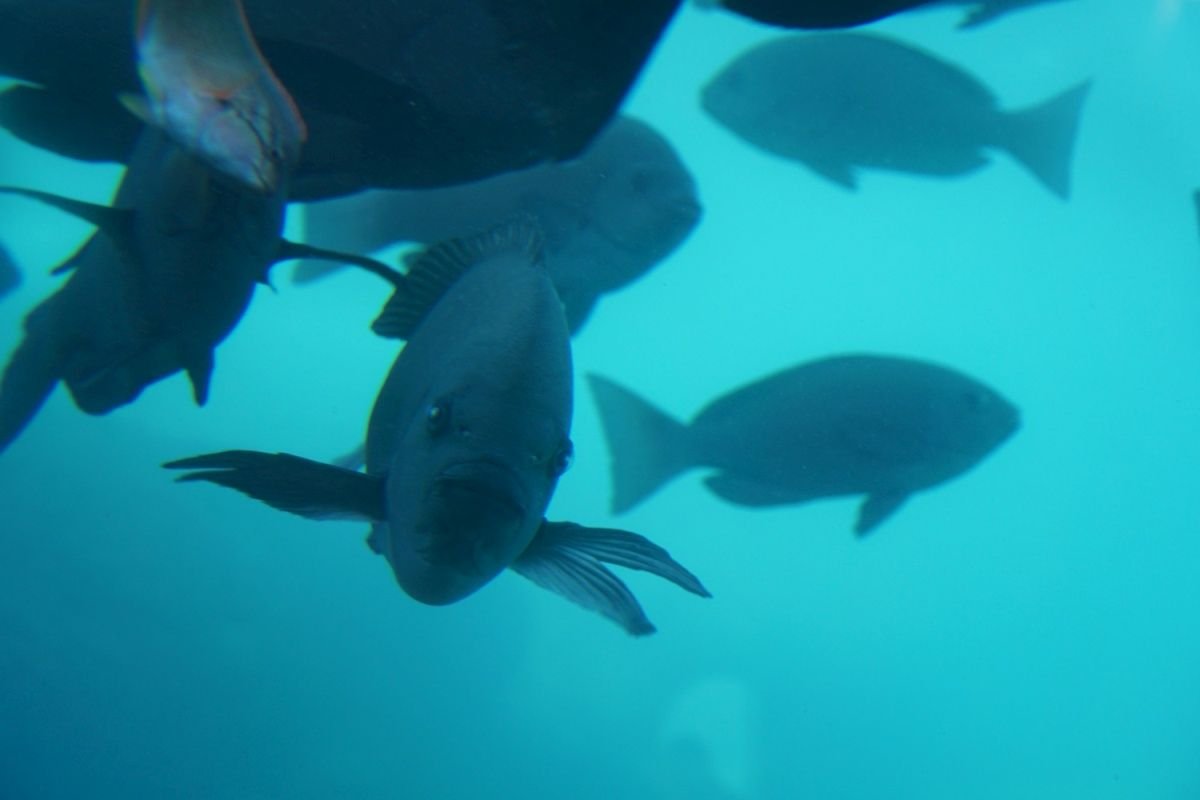
I only made it to the underwater tower, which is exactly as it sounds. Down a bunch of stairs, perhaps 10 meters underwater, is a round room with thick windows that you watch fish through and vice versa. Probably pretty similar to the glass-bottomed boat.


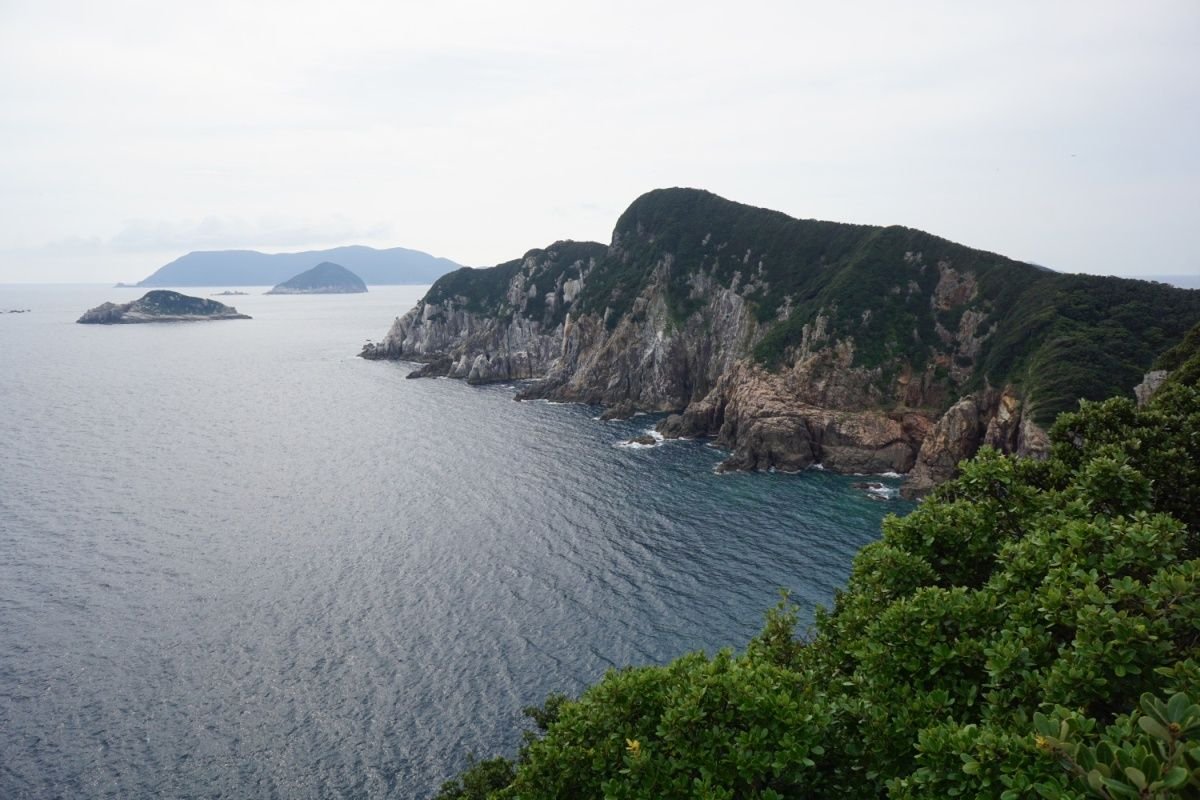
The next stop was a bit of a drive, to the far southwest corner, Otsuki. Right before the town you can get good views of the coast but there's not a whole lot else to see. It appears to notable as a place for water sports, as well as figuring out how to farm tuna, but you can't really do either in the 20 minute stop there.

The bus itself, a pretty standard tour bus.

The last item on the tour was the history museum in Sukumo. The museum itself was small and the exhibits well done but not really interesting or notable, but I realized during the tour that it's simply because not a whole lot has happened in Sukumo. Of course there were a bunch of artifacts, stories of local leaders and heroes and fights between neighboring clans over the centuries as well as a few people who went on to be somewhat famous, but Sukumo and really the whole area are just so isolated and far away that there is very little that matters on a national level. There's also a chance that I missed something because my Japanese isn't so good and we were sort of rushed through.
After returning to Shimanto, there was just enough time to get my bag from the coin locker, get a few snacks, then catch the train.
Nakamura -> Kochi, Ashizuri 16, 17:45 - 19:28
An older N2000 series train but still quite clean and comfortable.


The last day in Kochi in part 4 below...