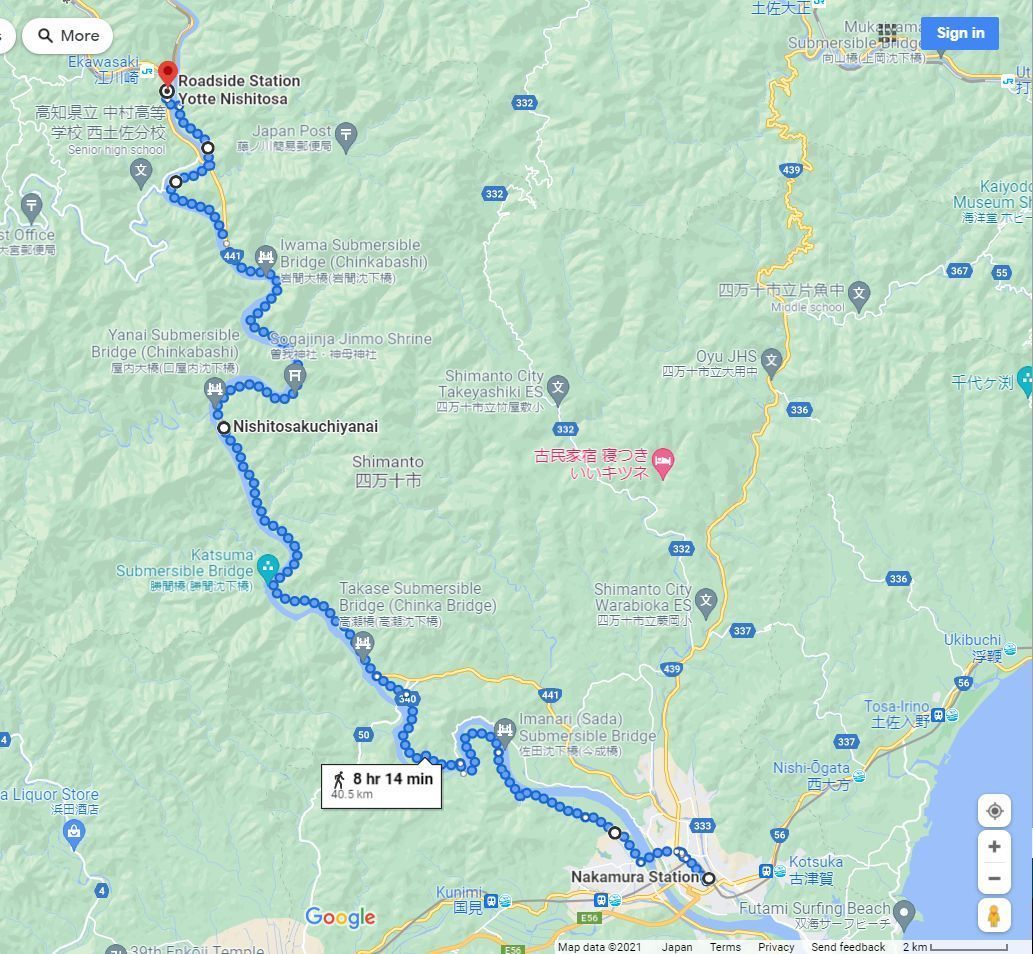
The next morning, after a donut at a food truck outside the hotel, a quick walk back to the station brought me to the tourist information with rental bikes when they opened at 8:30. I had planned on going to Ekawasaki (40 km/25 miles), but I only made it about 2/3 of the way, near the "Nishitosakuchiyanai" point on the map. The power company was doing construction which closed the road for 50 minutes per hour for most of the day and there really is no way around it. By the time I arrived at 11:25 it would have been a 35 minute wait until the road opened again. That would have been alright by itself, except that I was worried that I'd be stuck with a long wait on the return too and might not make it back in time to return the bike.
Rental bike. It's red, quite robust and heavy like most rentals, but well-maintained with good suspension and gears.
¥1000 for 4 hours, then +100 per hour (I had it for 6). Electric assist bikes, road bikes, and tandem bikes were also options but some needed a reservation. Throughout the day I saw a few others on these bikes and several more serious cyclists with fancy bikes, but most tourists had their own or a rental car instead.

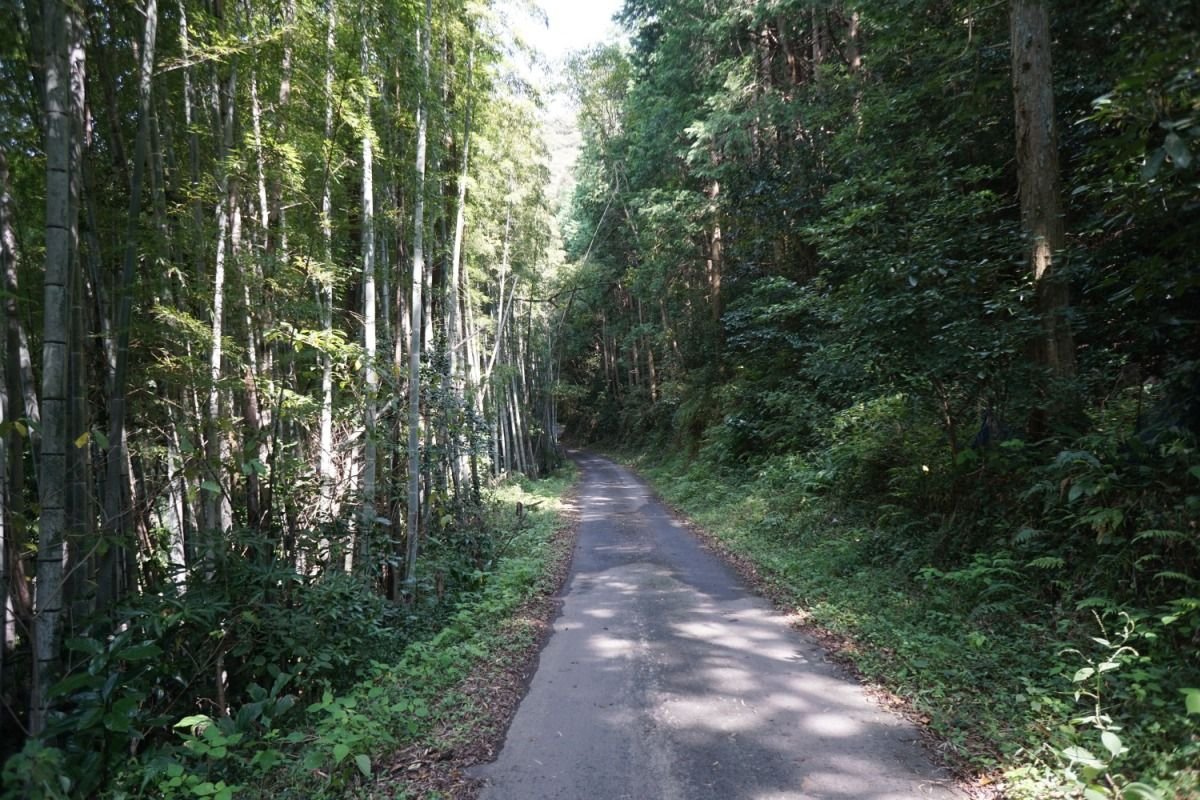
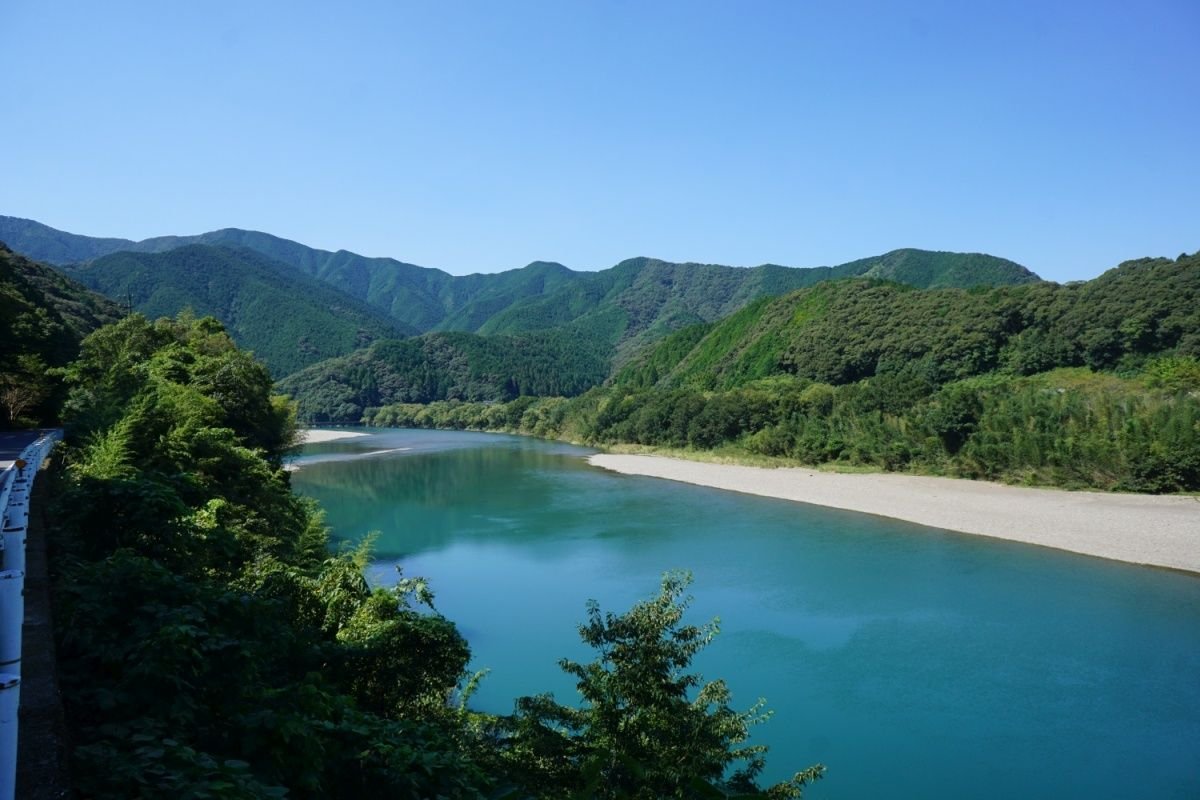
The Shimanto river itself is about 200 km long, most of which is accessible by bike, some on tiny local and forest roads but mainly on the 'highway' which had very little traffic in most sections. The first five minutes was biking through town, then across that red bridge that is visible from the train, then pretty soon into farms and then a forest path by the river. The Shimanto river has many low-level submersible bridges ('chinkabashi') which are very small and narrow with no railings. When the river floods, they simply flood too, staying underwater but unharmed. This also means almost no large boat traffic, only a few small tourist cruises as well as recreational boating and kayak rentals. The photos of the river basically speak for themselves. As long as the weather is good, it's probably impossible to not get a good picture:


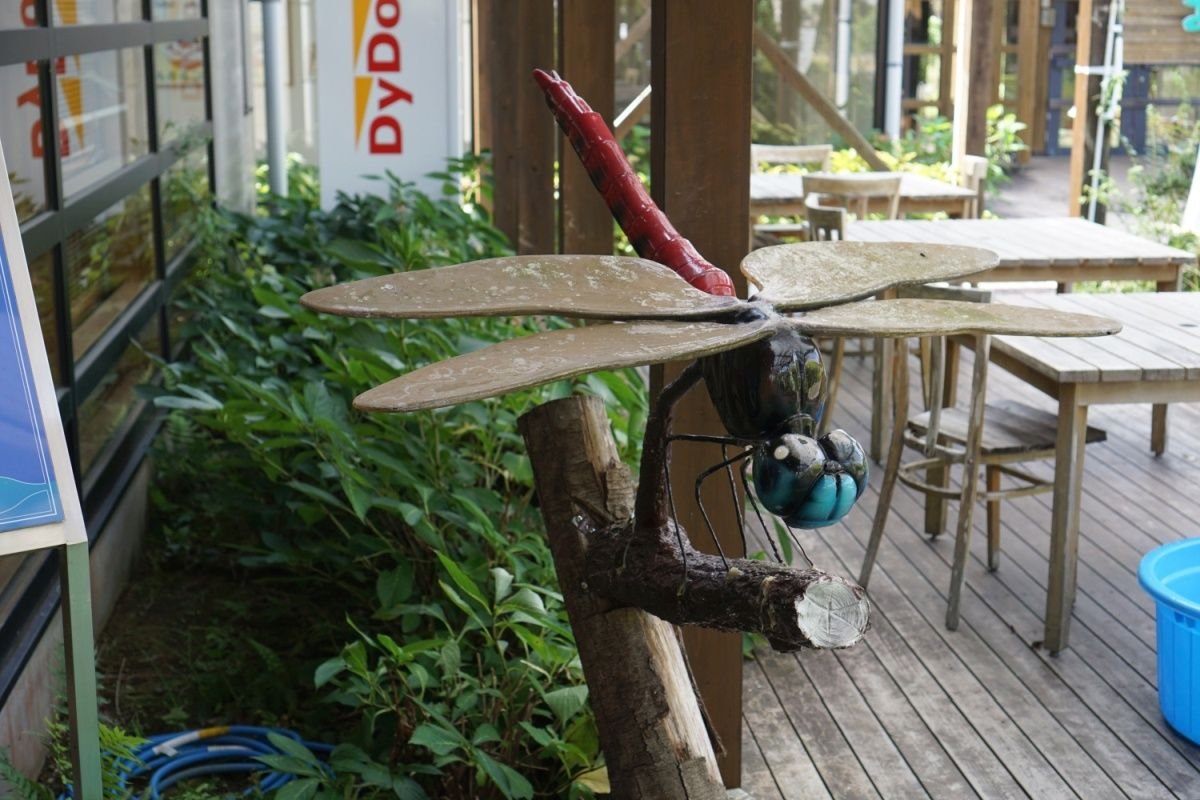
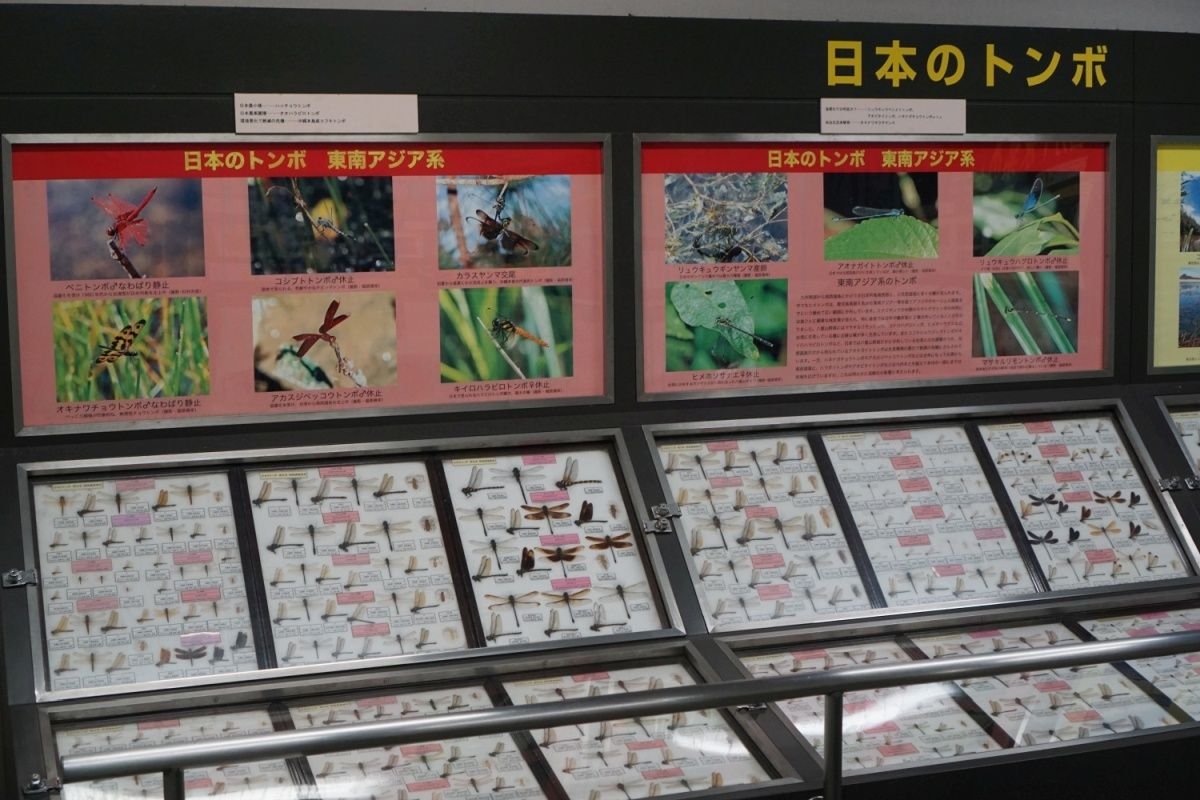
The early return (back to the city just before 2) meant that I had time to go to the dragonfly park and city museum which I wasn't sure I'd get to. The dragonfly park is a large park with plants that dragonflies like, plus a small museum. Inside is (obviously) information and specimens of local dragonflies, but also nationwide and worldwide, as well as other bugs and a small aquarium with local fish.

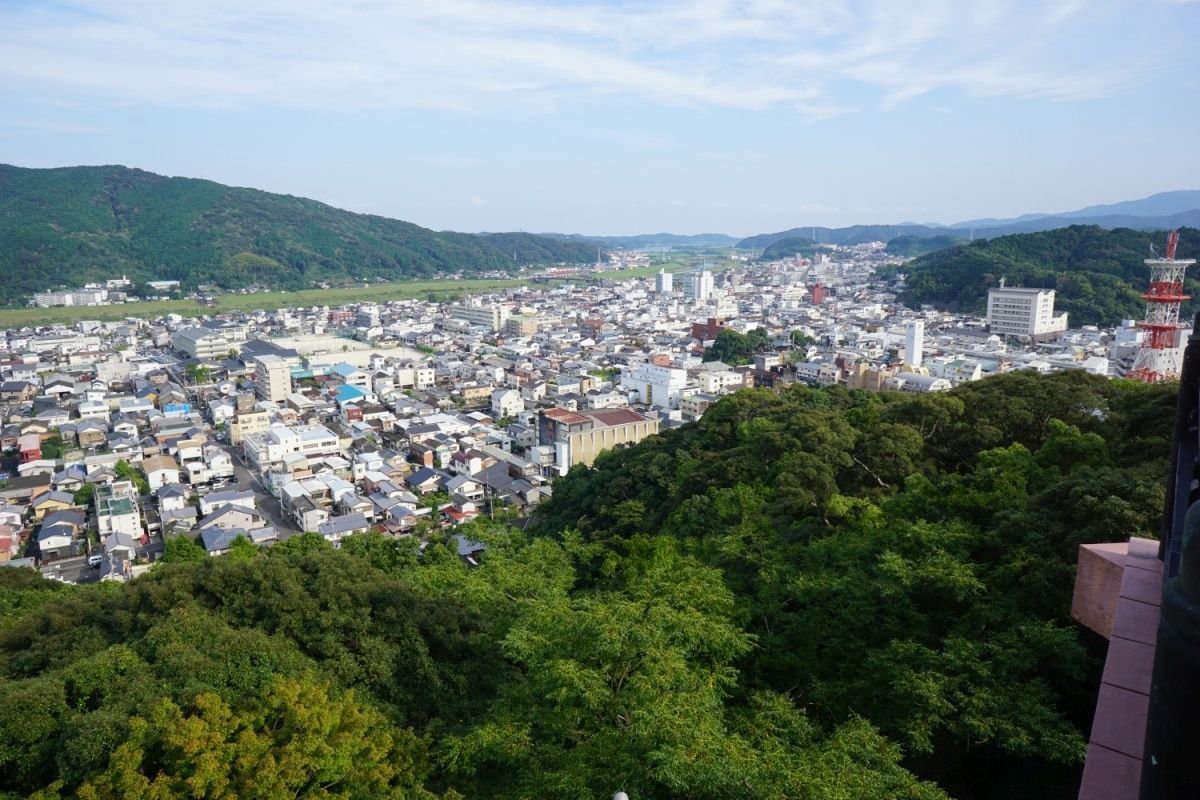
And after crossing the red bridge again, the local history museum is in the rebuilt castle keep on a hill. It's quite small but very recently renovated with exhibits on local history, geography, and the river, as well as views of the city, which seem to be the main attraction of almost every castle anyway. In the picture, the train station and hotel are a bit right of the center, in front of the isolated round hill, and the red bridge and Shimanto river are off to the right.

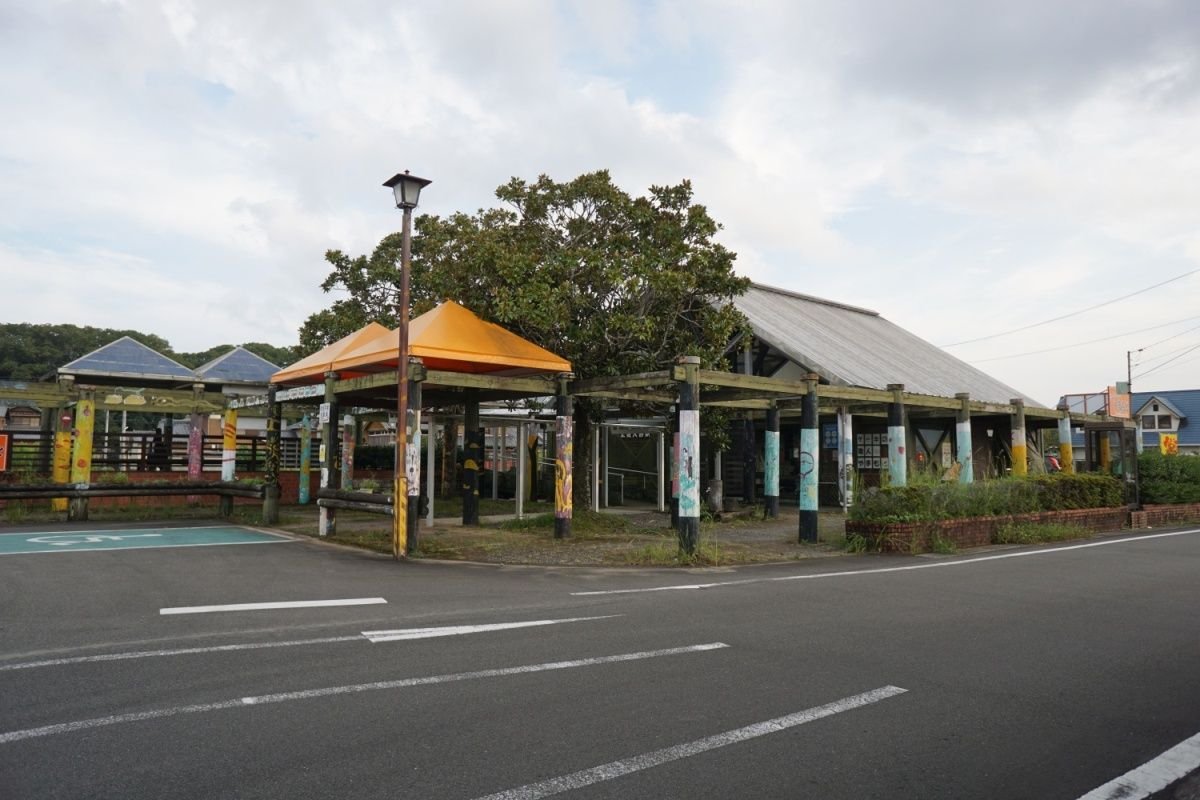
After returning the bike, it was a bit earlier than I expected, so I decided to go to the nearby beach at Tosa-Irino for the simple reason that the area looked pretty from the train on the previous day. Here's the 2700 series train in normal colors. Also, I'm pretty sure the hoses between the tracks are for refueling the trains which are not normally seen in stations.

Tosa-Irino station, 10-ish minutes away. The beach is a site for temporary art exhibits, although there weren't any when I visited.
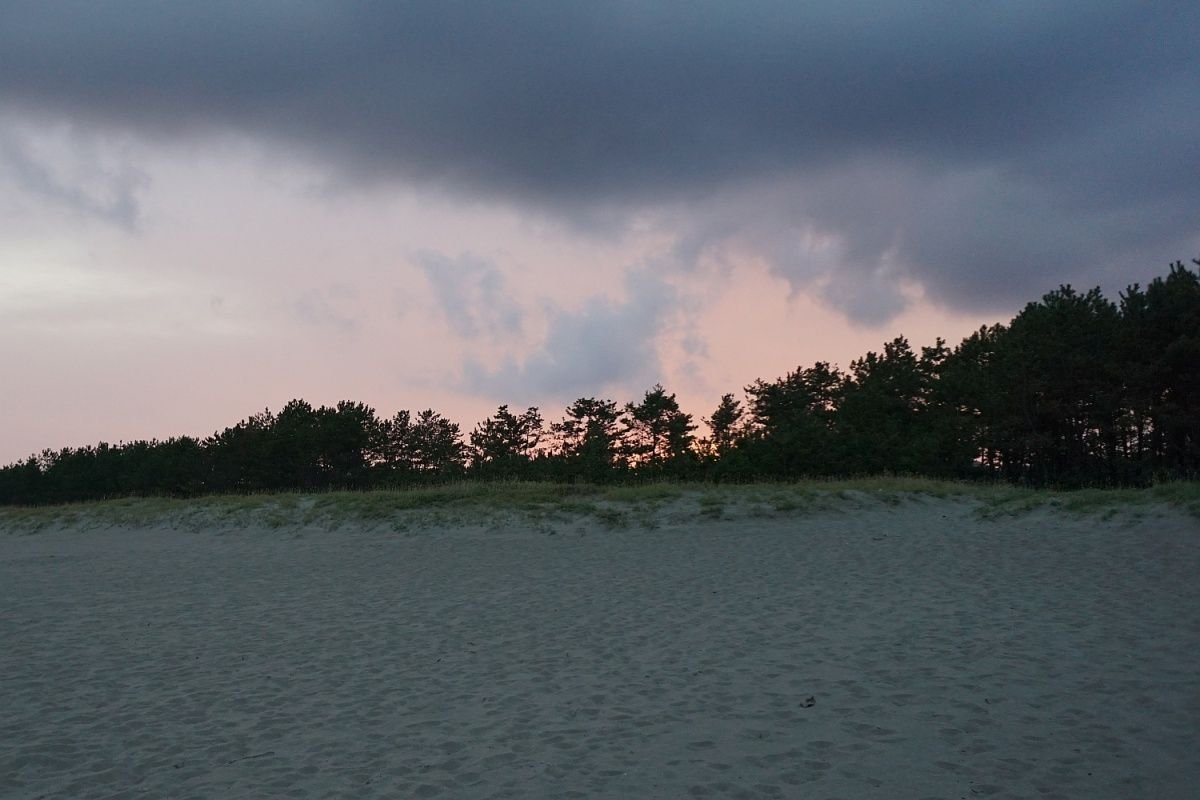
There's a good-sized forest of pine trees between the town and the beach, and this is how they keep you safe. Being right on the ocean, Kochi prefecture gets hit with a lot of typhoons as well as storms and rain in general. Kochi city itself gets something like 2500 mm / 100 inches of rain per year.

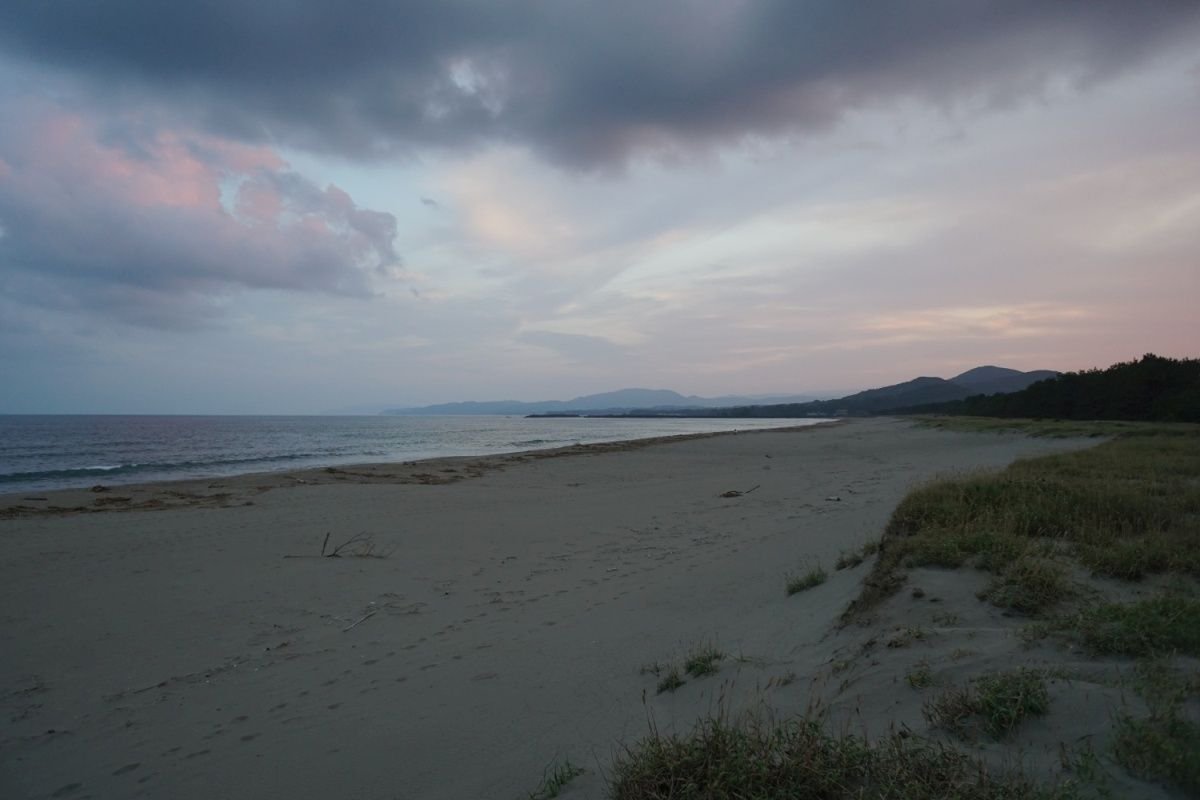
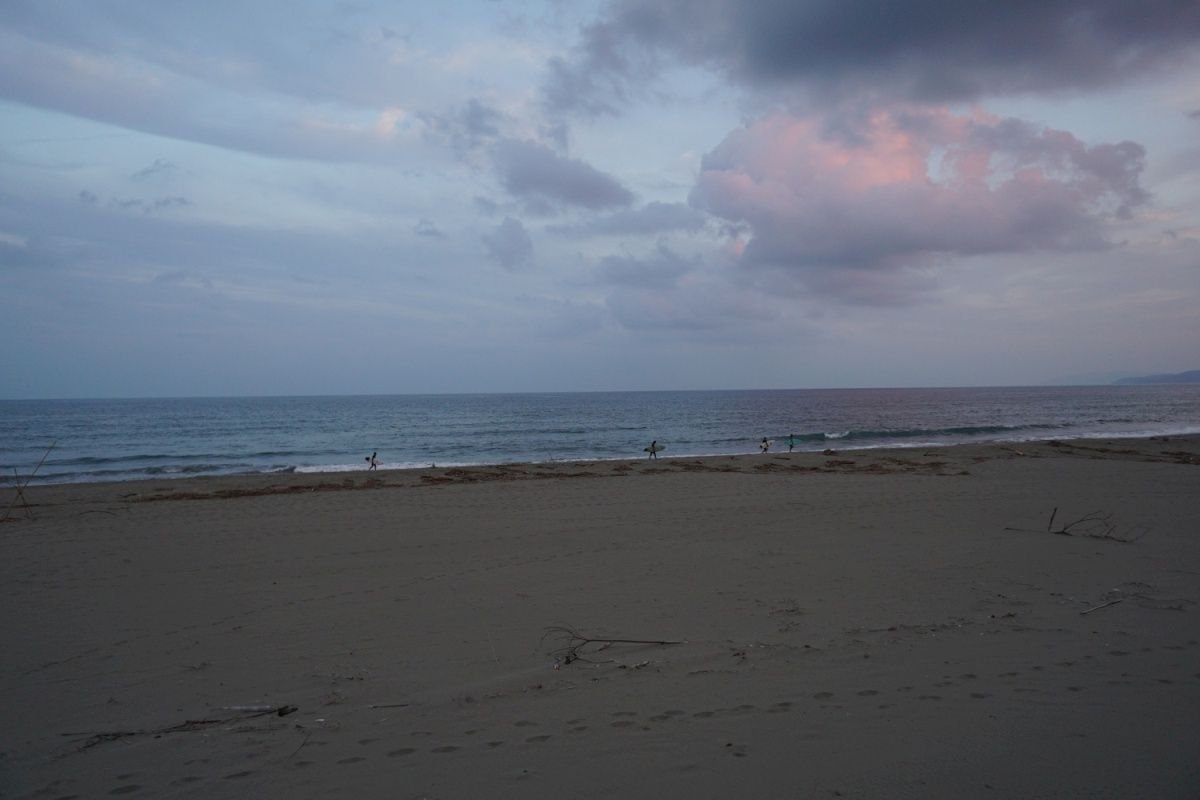
Irino beach. Nobody swimming but several surfers. The beach is on the wrong side to see the sunset, but it's still quite dramatic behind the forest.
Back in Shimanto, dinner at one of the restaurants by the hotel. The local specialty, katsuo tataki don set (seared bonito over rice), with udon, soup, and pickles, about
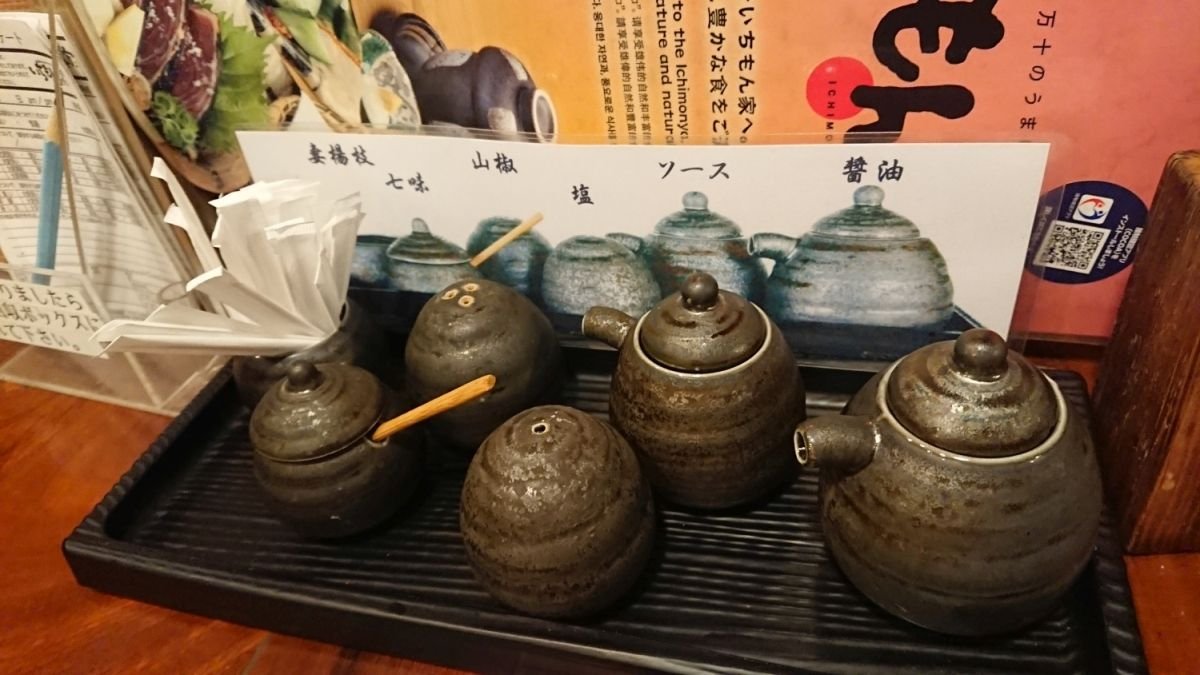
¥1300/$12 but with a 10% discount since I was staying in the hotel. Plus an explanation of the different sauces available: toothpicks, shichimi/red pepper mix, sansho pepper, salt, "sauce" which was some variation of ponzu, and soy sauce.