V. Stoner country
In the beginning there was Palm Desert. That’s
where stoner sort of came from, with bored desert cities kids playing music – and doing quite a lot of drugs - for the sake of playing, out in the nothingness of the American desert. Heavy riffs, texts ranging from the deeply political (hear Kyuss’
Green Machine, for instance) to the nonsensical, melodies that can lumber on for ten minutes or more of sludgy, raw power. It’s a Marmite-kind of genre, which you either like or feel visceral hate for, and I’m in the former camp (although I’ll admit not to be a fan of everything). But if there is a place where stoner is particularly apt, well, this is it.

Other Half is the most accommodating, sympathetic and kind person ever, but if I don’t want to be served with divorce papers I should limit my stonerism to the minimum, and so I will do here too.
So, for a change of topic, let’s talk about San Pedro de Atacama. Imagine an adobe village with quaint little houses, narrow streets and historic churches, huddled around one of the rare sources of water in the area, a shallow river flowing towards the
salar. Trees, vegetable patches, the semi-nomadic dogs sleeping in the shadow of willow trees, a
plaza with a few bars, dirt roads, you get the idea.

.
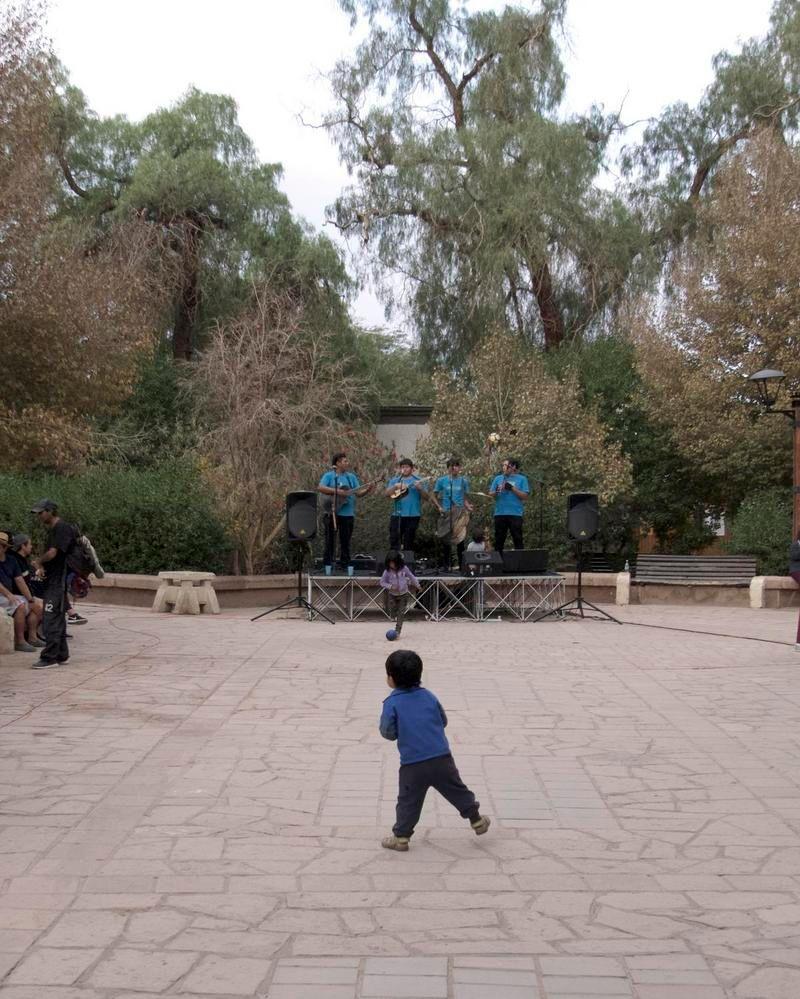
Exactly the worst place to drive into.
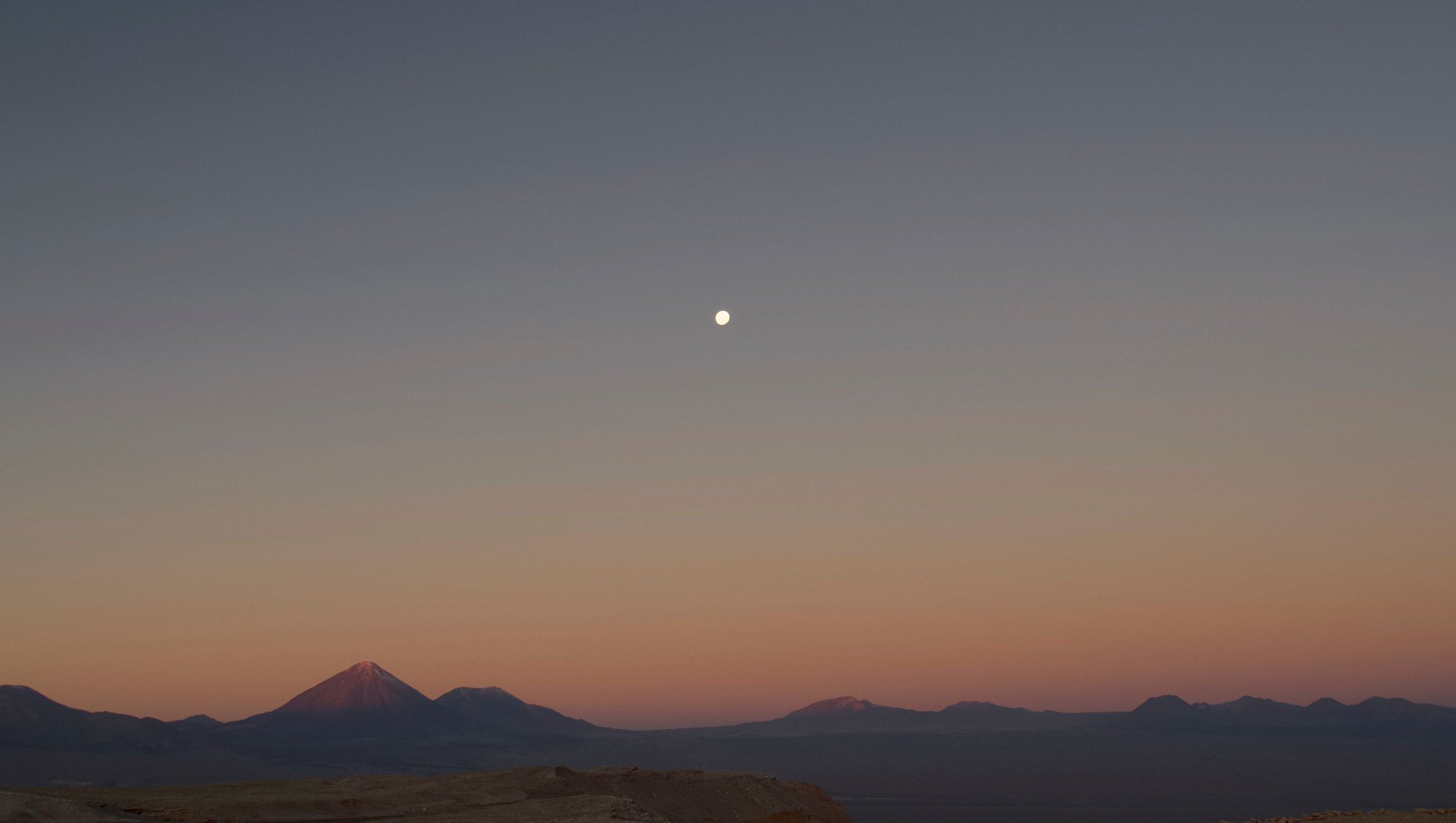
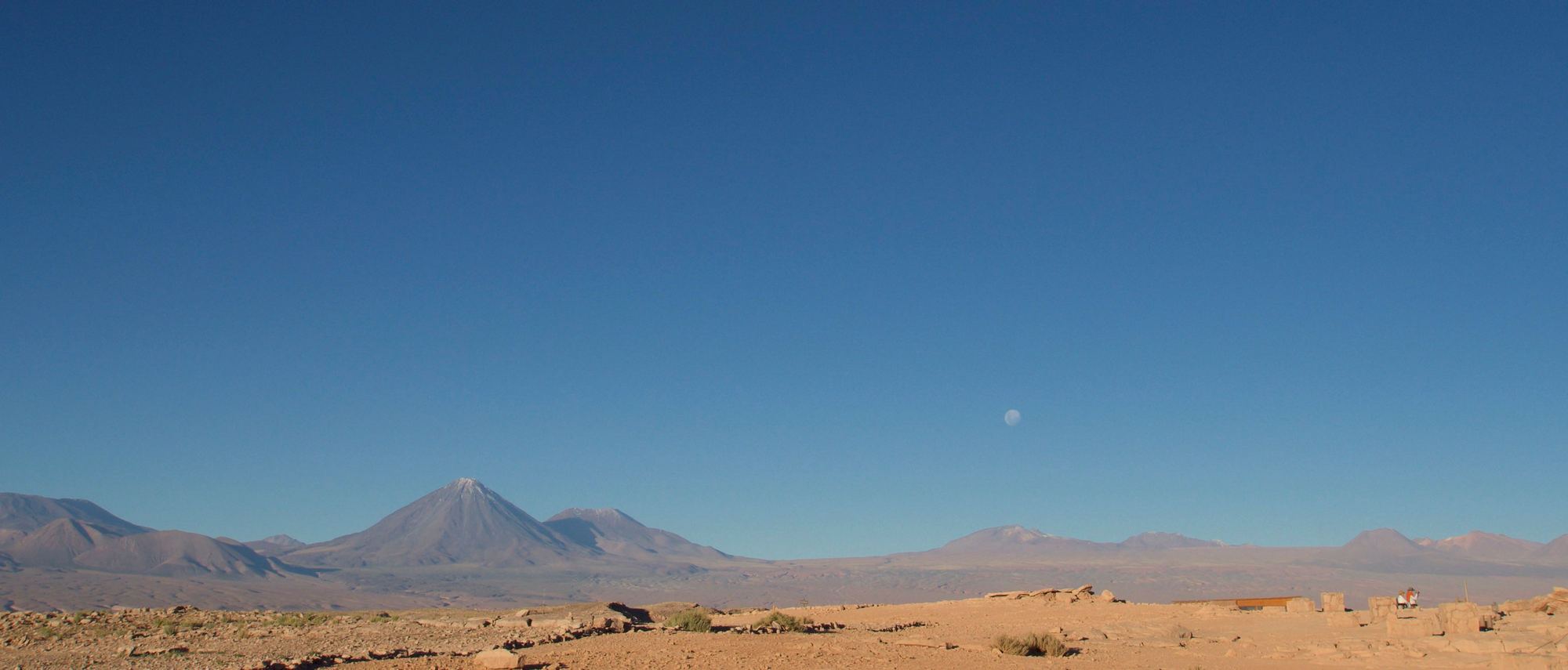
Our hostal was, thankfully, on the edge of town. Montepardo, a great place with superb views of volcano Licancabur and a mercifully short route to the only petrol station in the whole region (a newer one was being built). Still, even that short route involved at least three 90 degrees turns to enter the station, the only one ever built within a
pueblo designed way before a Yokohama engineer came up with the idea of a 5-metre long pick-up.
I digress.
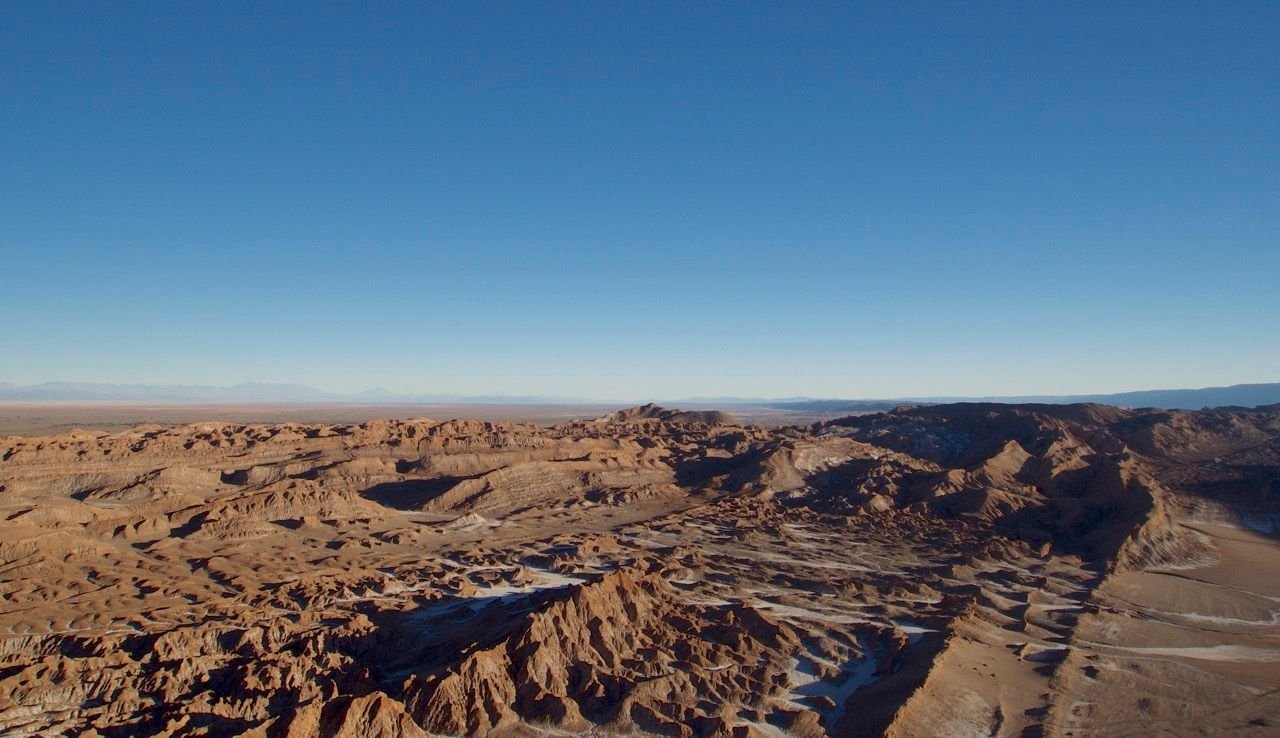
Atacama means many things and one is, for sure, the
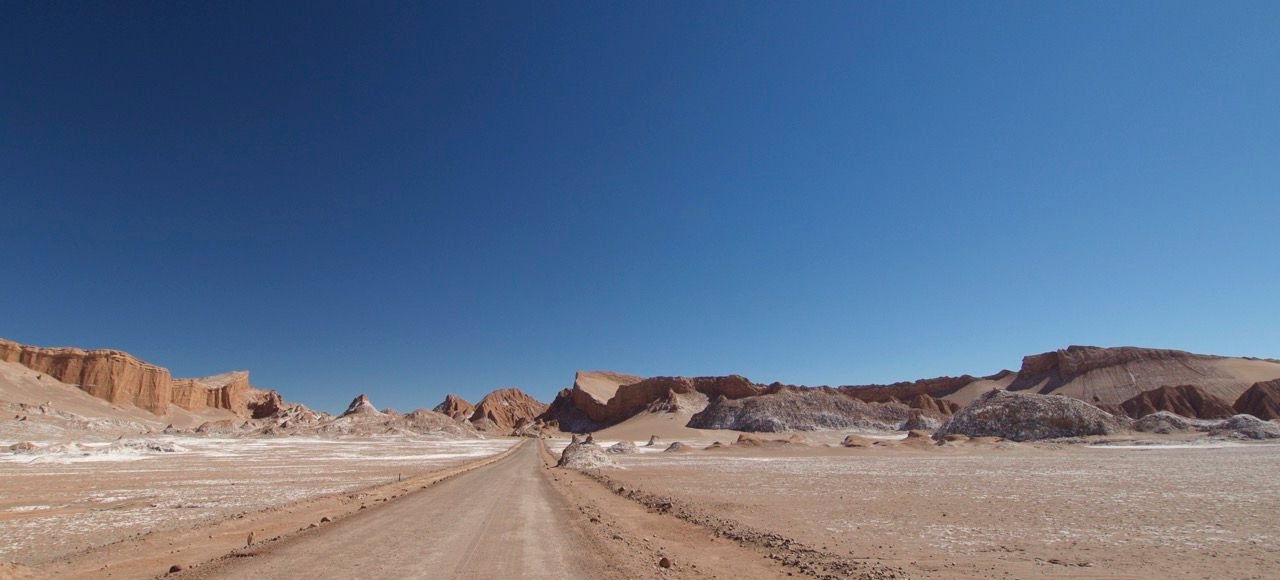
Valle de la Luna. I maintain that it ought to be called
Valle de Marte, owing to its rather reddish hue, but one thing is for certain: it’s not something that one would expect to see on this planet.
.
.
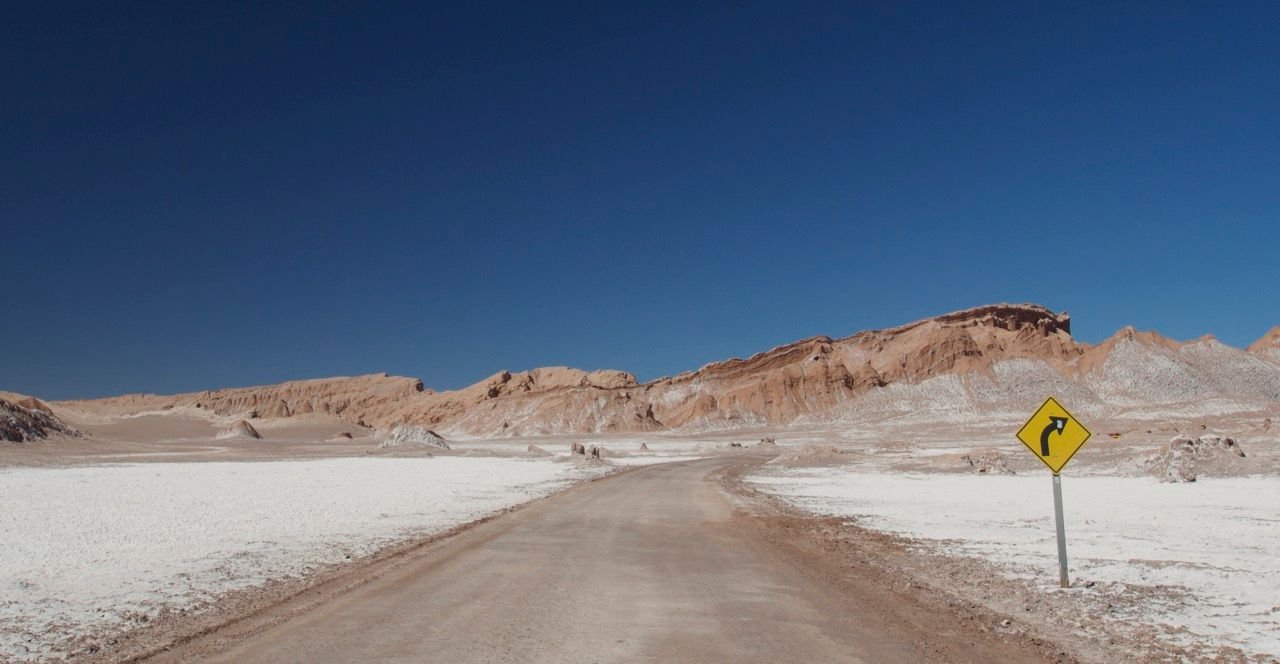
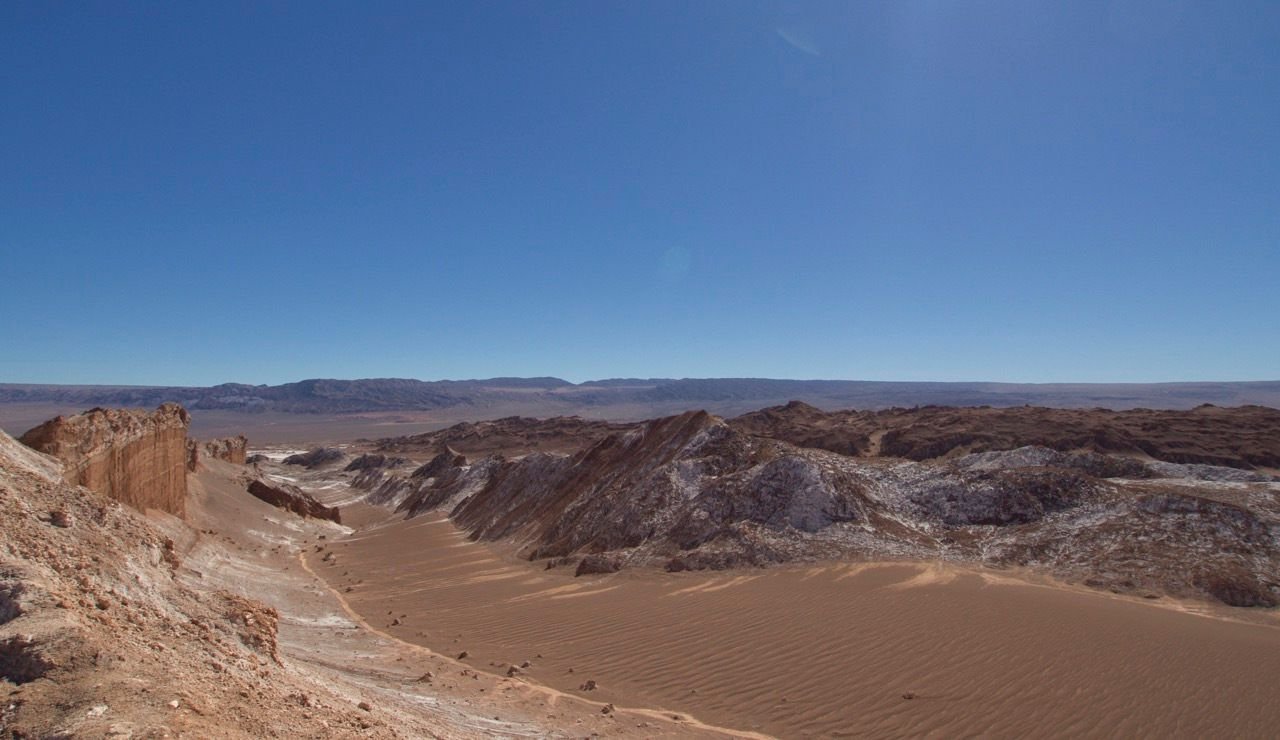
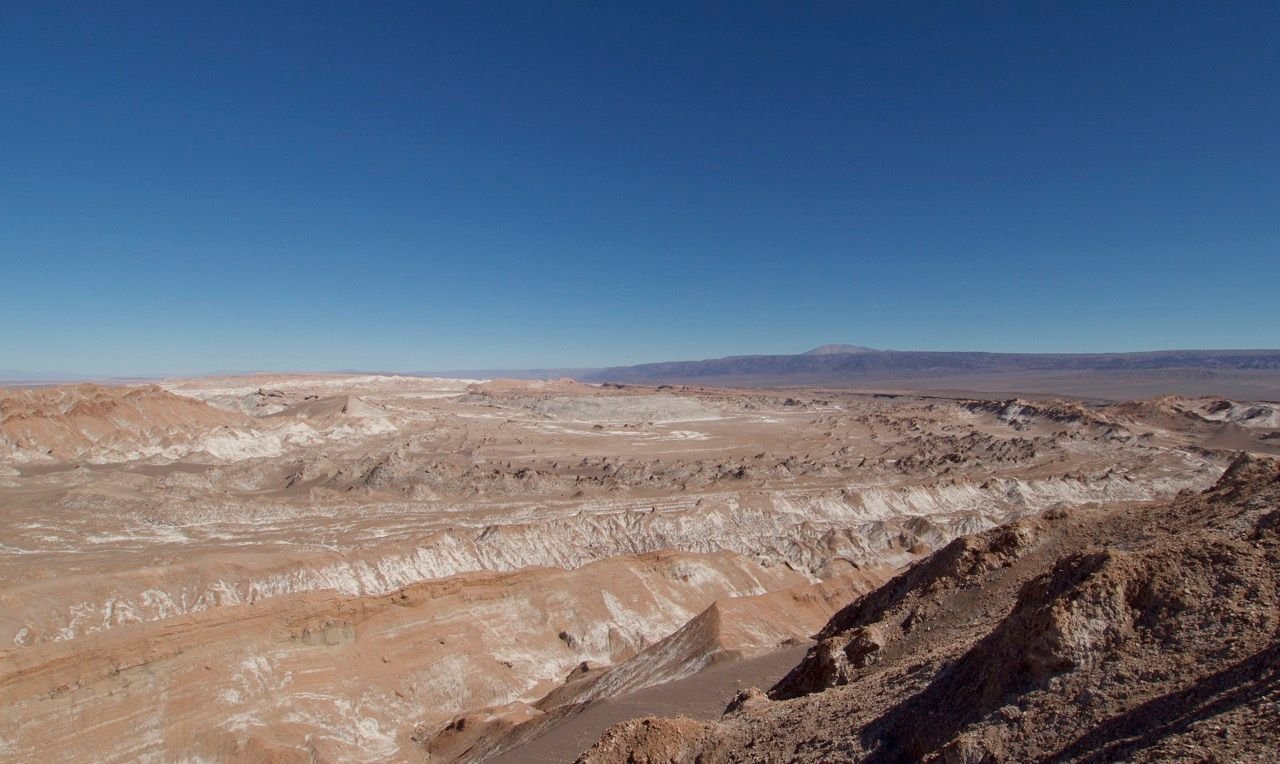
You can drive its length, and many do, but we decided to leave the tank at the entrance and, instead, walk it. A ranger informed us that owing to rains a few weeks before – the first in the year, and it was May – some of the caves were closed. But what we saw more than made up for it. I’ll shut up and let the photos speak for themselves.
.
.
.
.
.
South of San Pedro lies one of the largest
salar of the world. Perhaps not as spectacular as the more famous Uyuni, and certainly not as Instagrammable, the
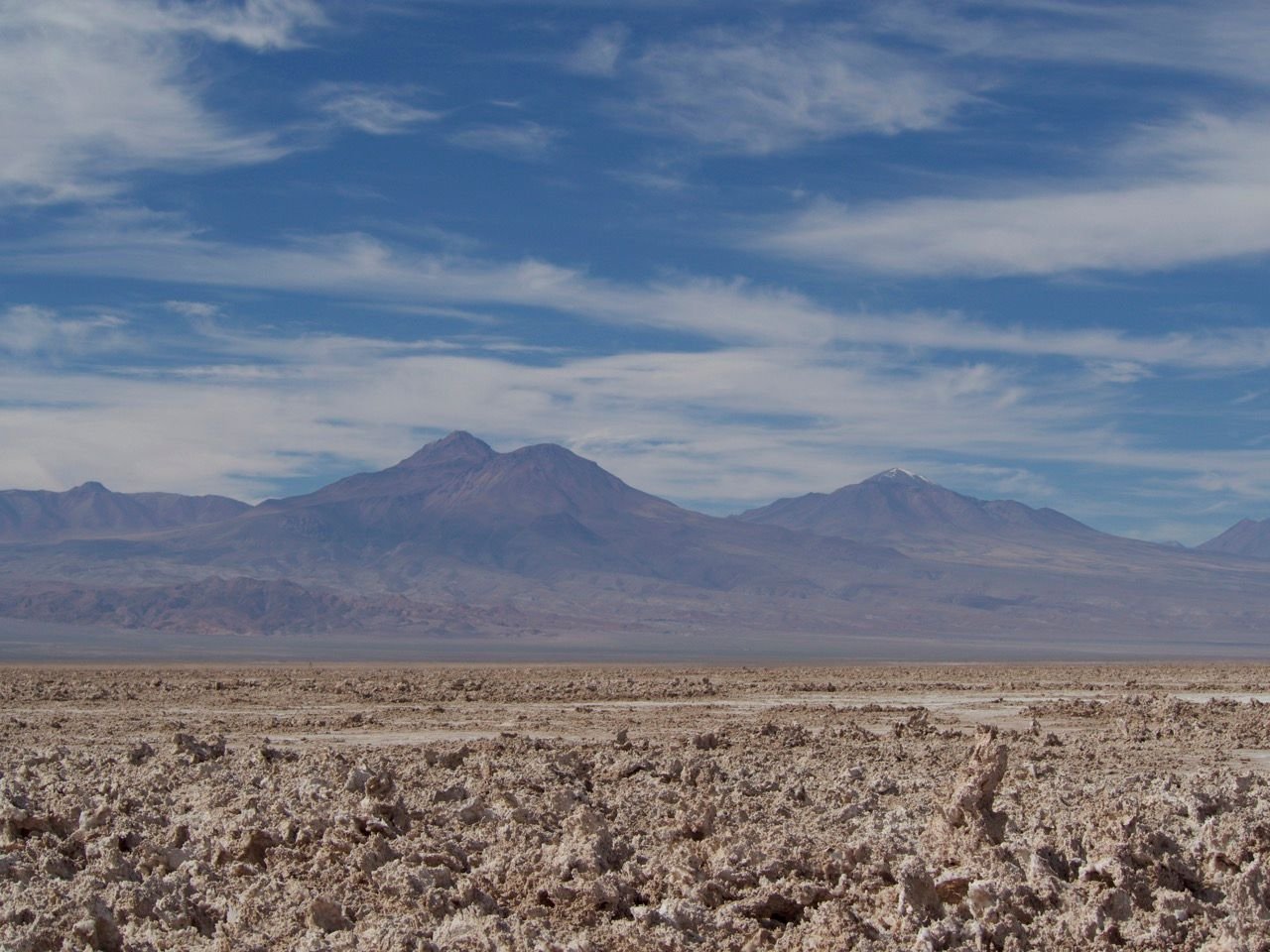
Salar de Atacama is, however, a lot richer in lithium – which will make it the darling of Elon Musk and Nirvana fans alike. It’s also peppered with a number of lagoons or
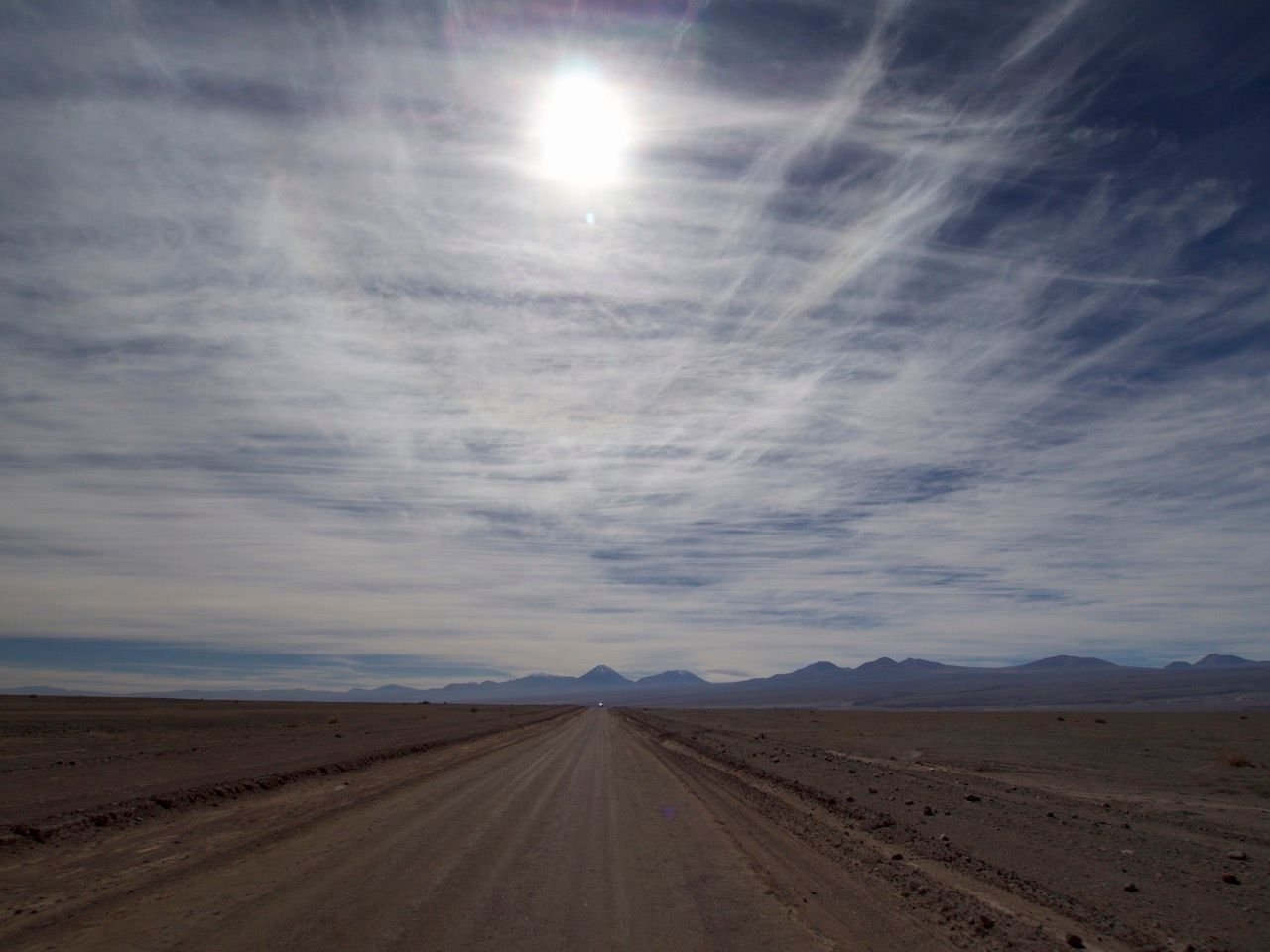
lagunas. They are all a short way off Route 27, along B-roads that become dirt tracks worthy of a Tinariwen music video.
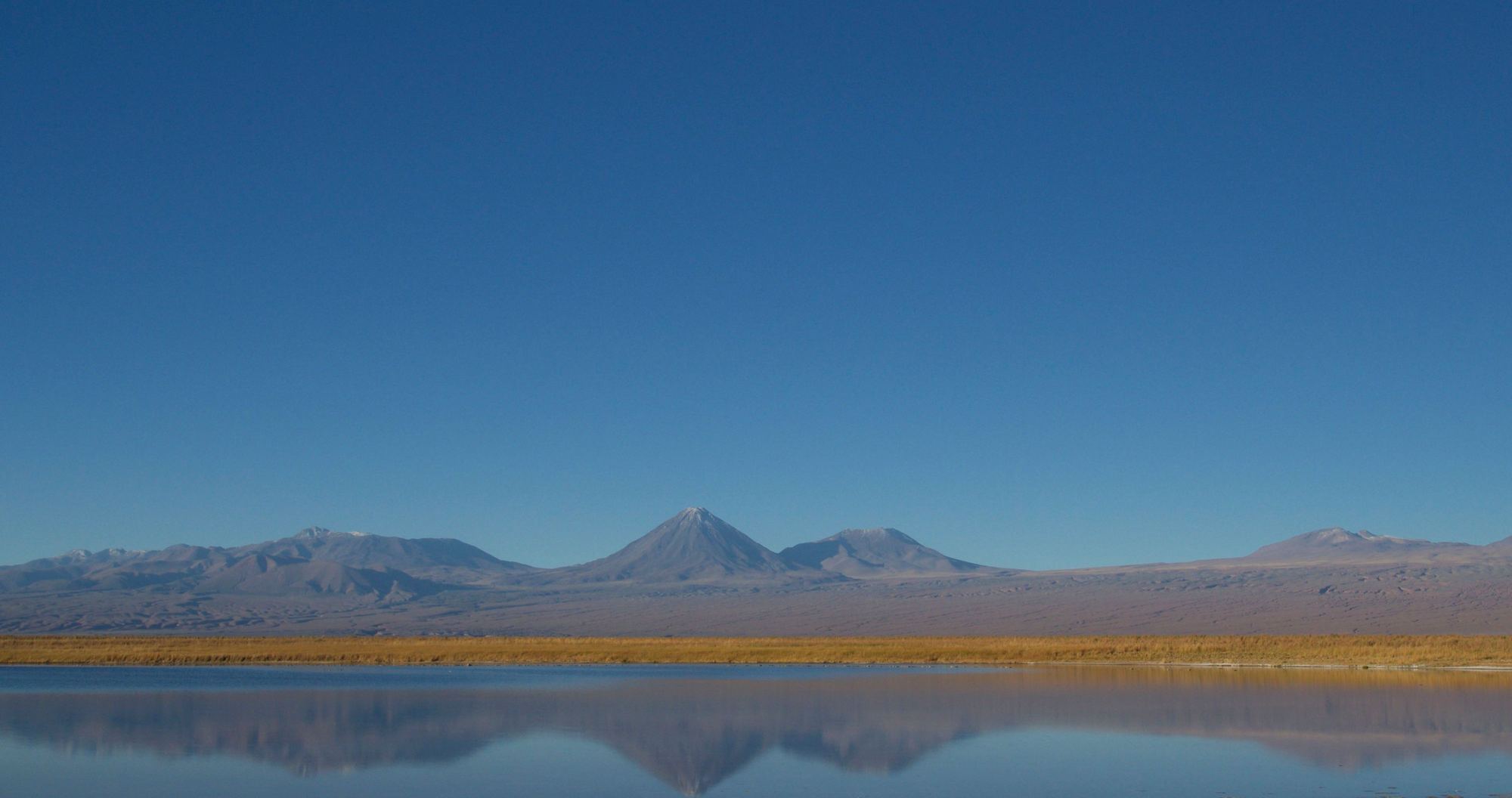
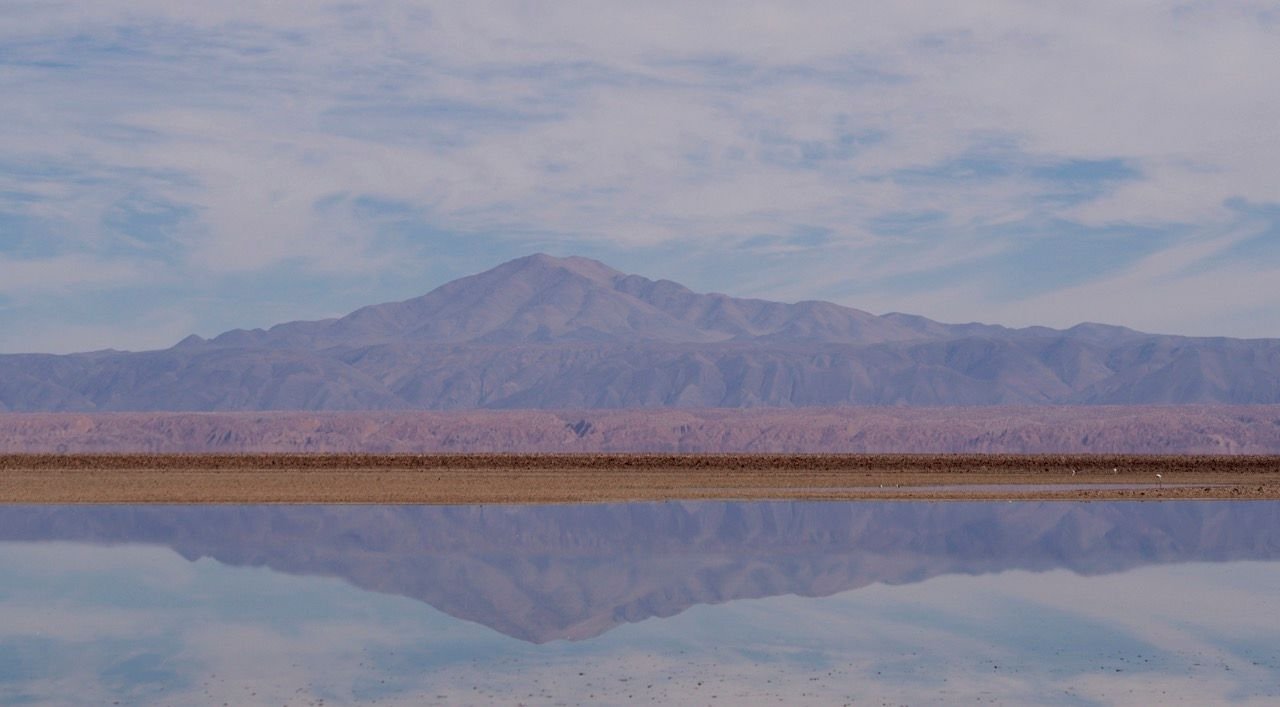
We reach Laguna Chaxa late in the afternoon, with the sun setting behind the
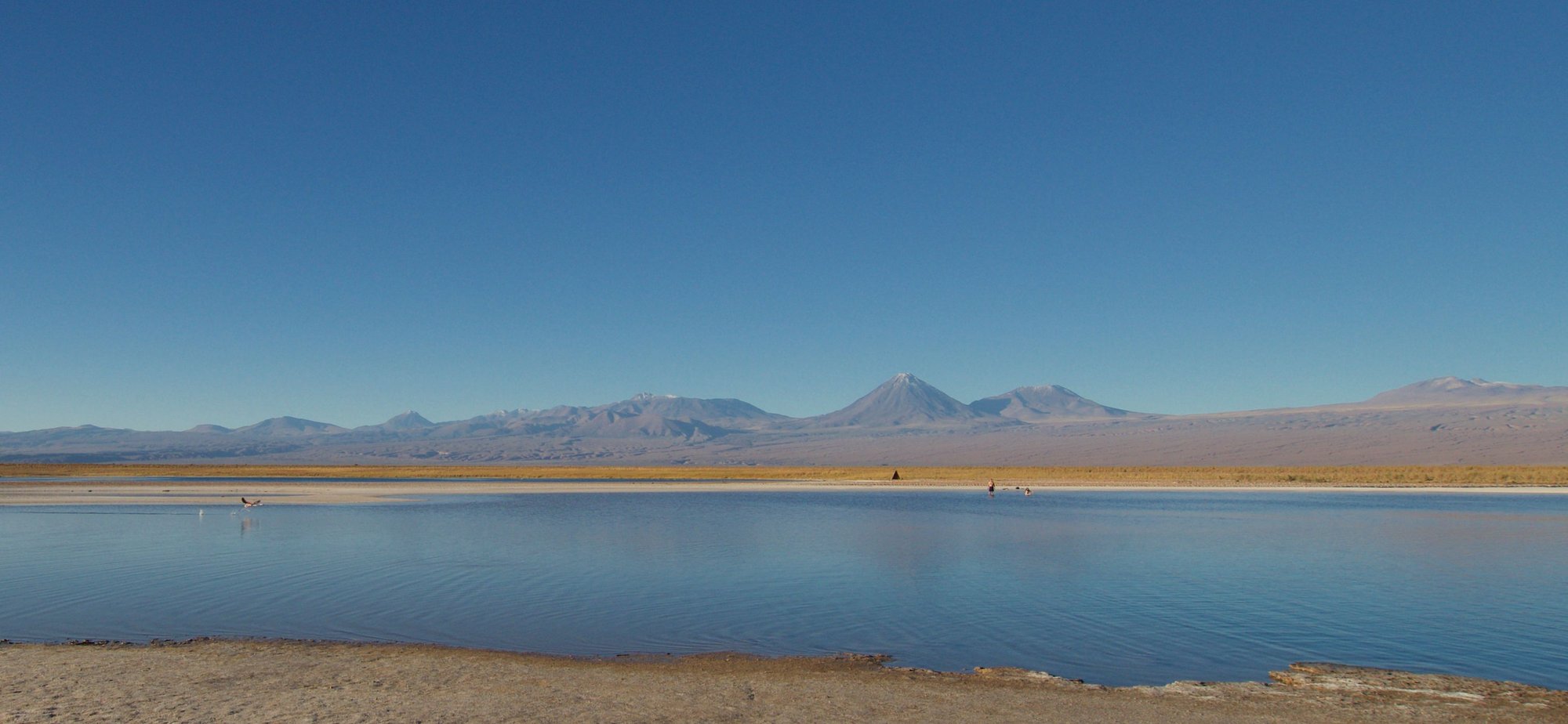
Cordillera de la Sal and the volcanos mirroring in the perfectly still water of the ponds. This is one of the few places where bathing is allowed but, this late in the day, it’s almost only us: the bus tour brigade has already returned back to base.
.
.
.
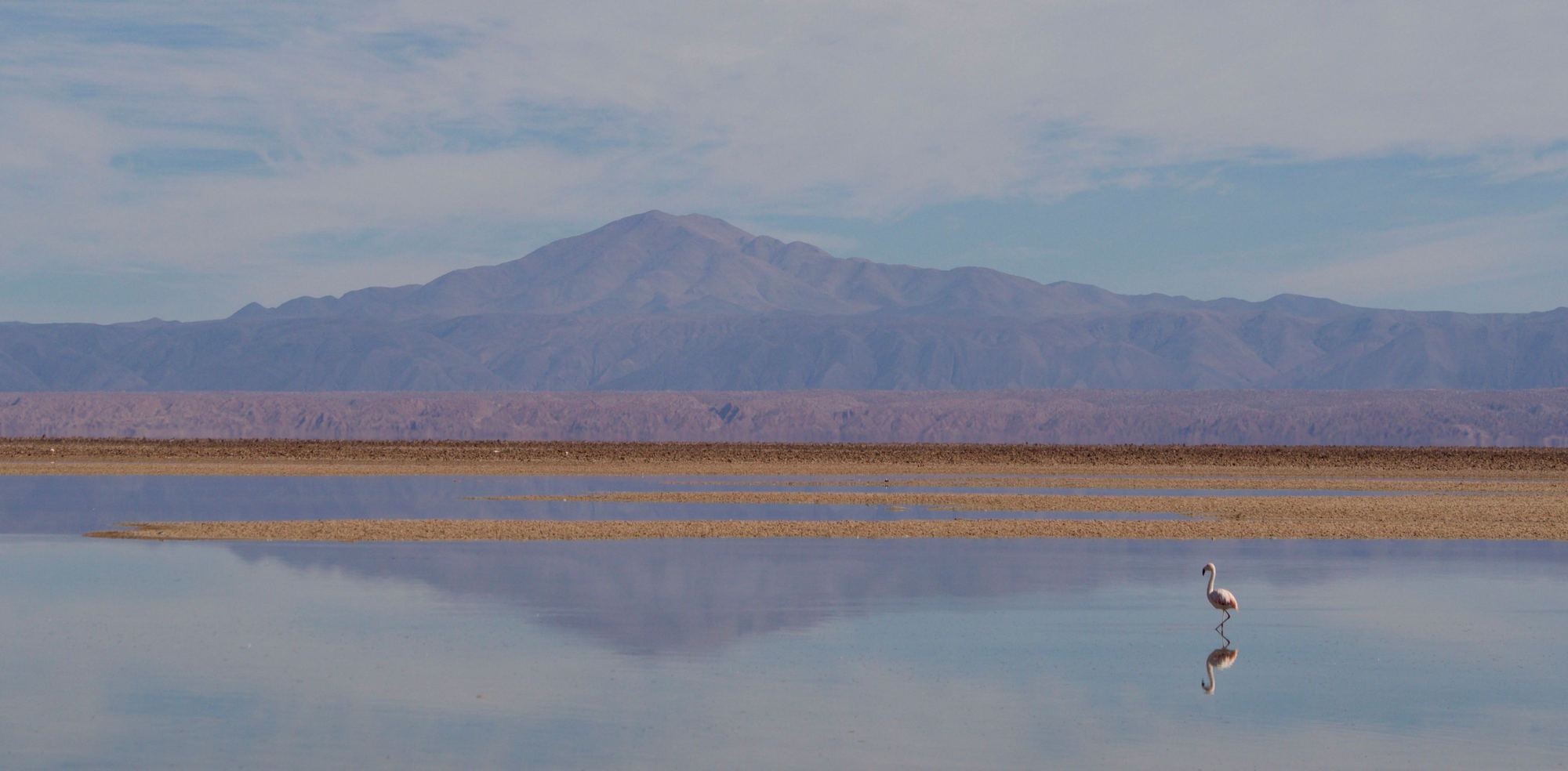
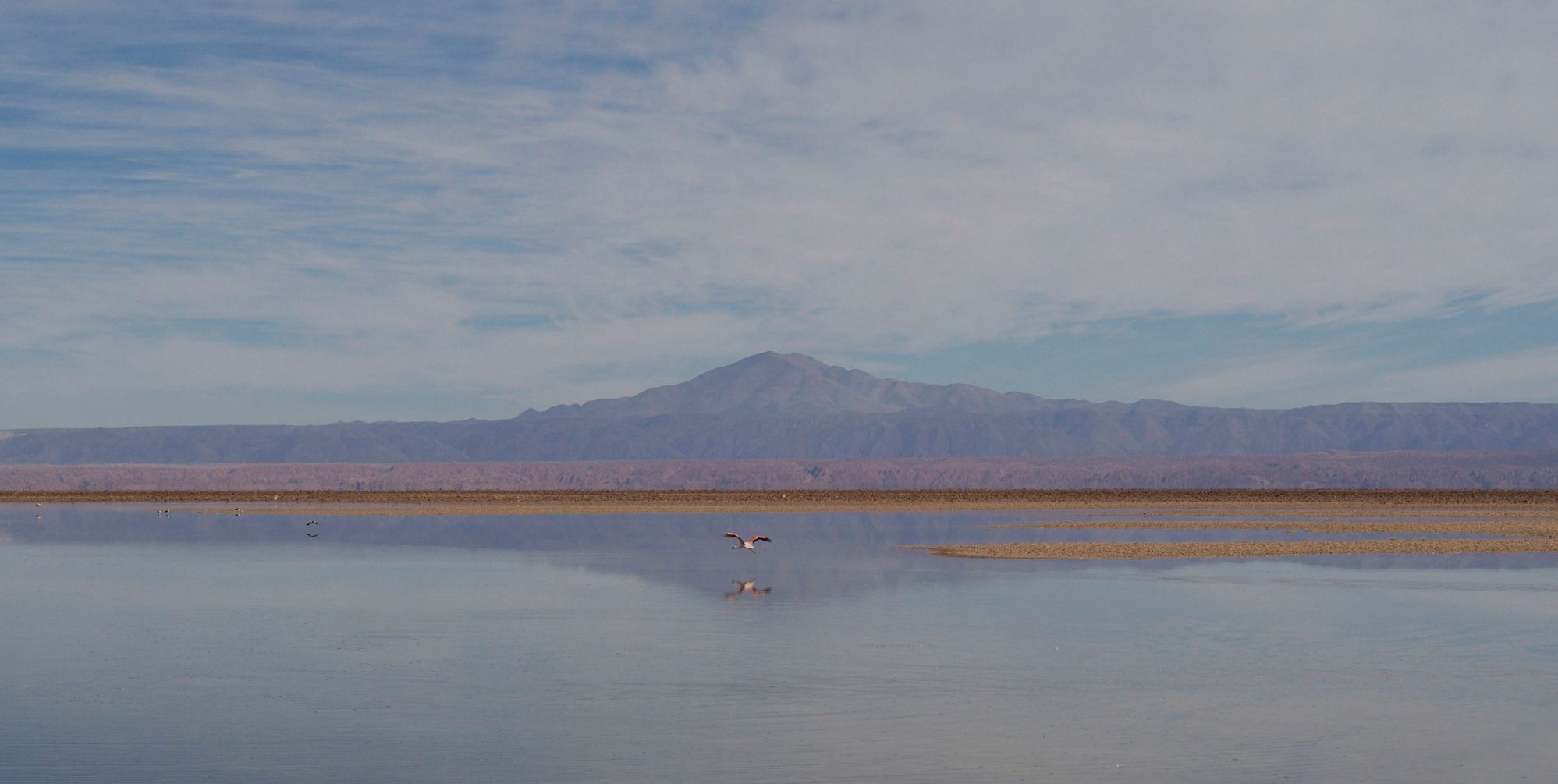
Then, a flapping of wings. I’ve just changed to wide-angle lenses so the result is particularly half-arsed but this, believe me, is a flamingo. Which is odd as, this late in the season, said birds ought to have migrated elsewhere (or so David Attenborough tells us).
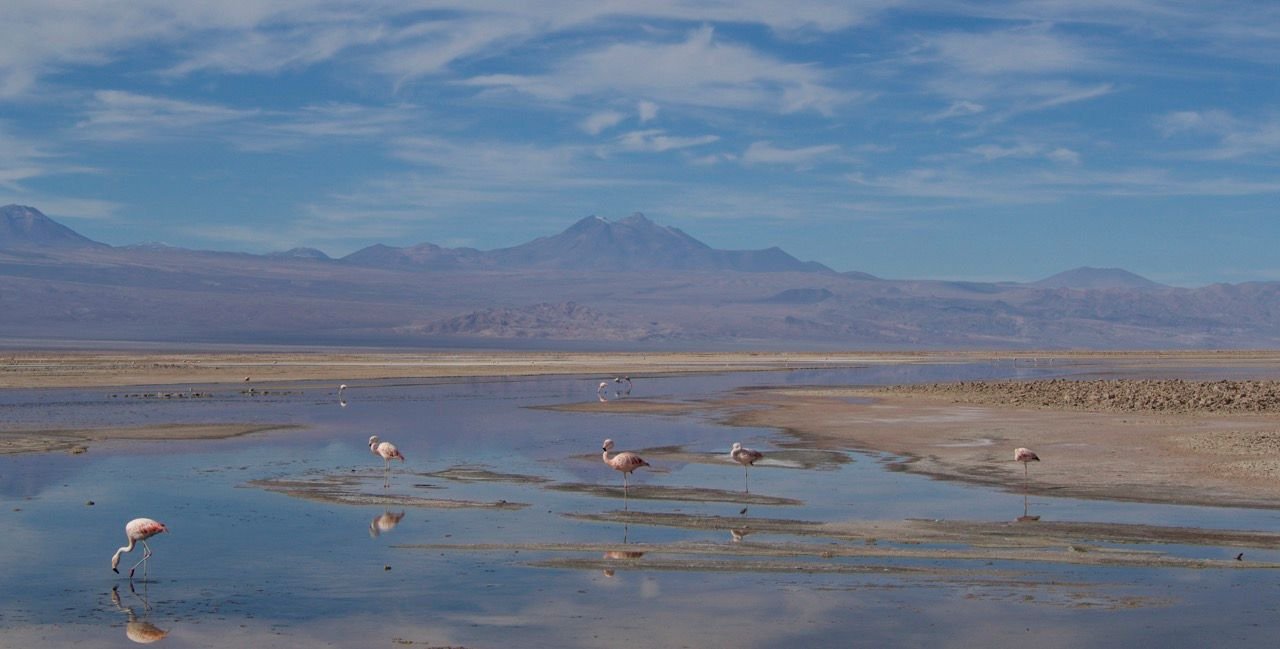
Other Half is ecstatic. She adores flamingos – they’re their favourite animal after killer whales – and wonders whether we’ll be able to see more of them. I share her feelings for killer whales (watching them in Iceland was a highlight of my life), but flamingos? Aren’t they nothing more than herons in fancy dresses, good only for sitting outside Don Johnson’s villa in
Miami Vice?
Still, the hunt is on. The following day we drive to
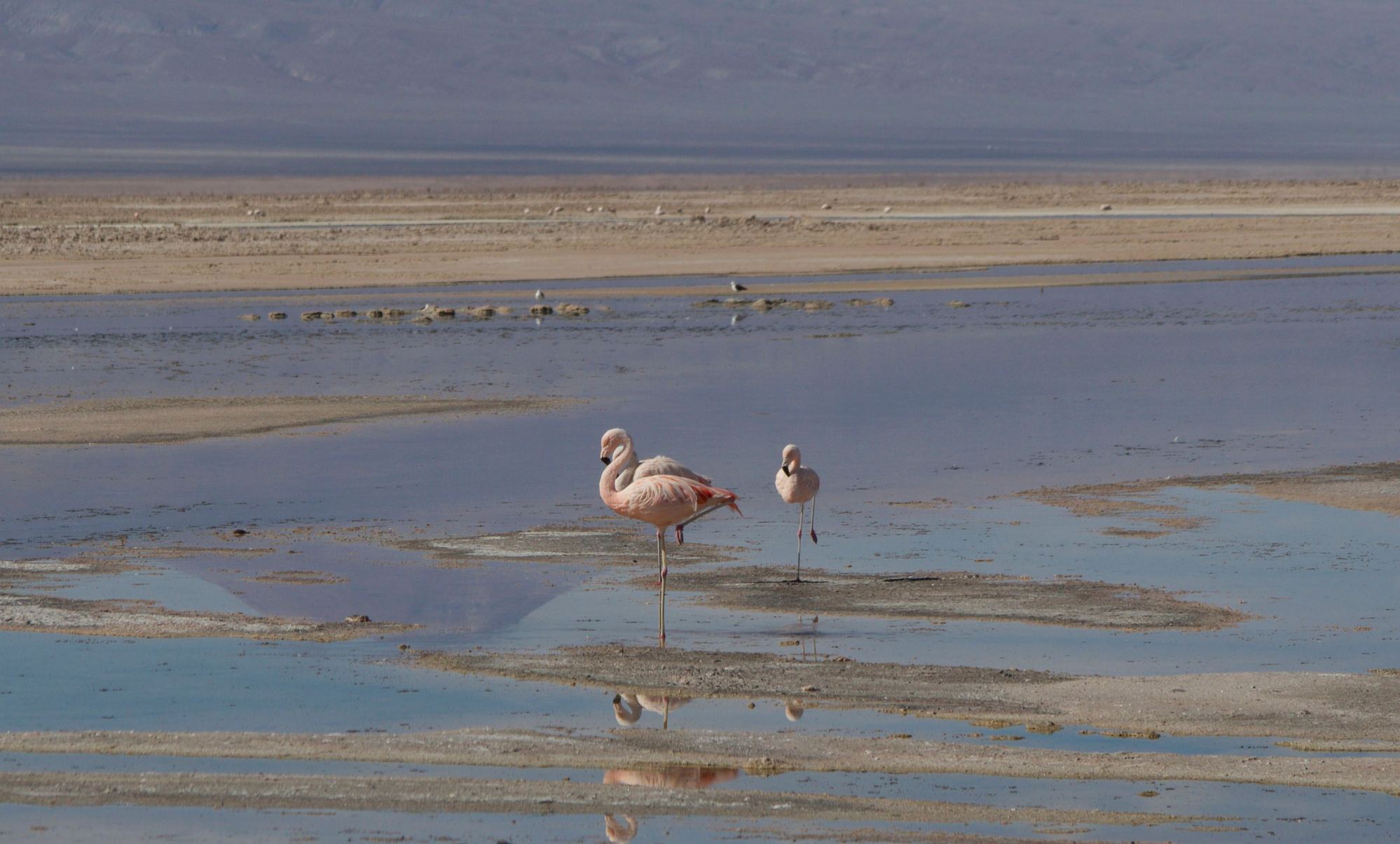
Laguna Cejar on a soft-sand piste. If there are any feathered Johnny-come-latelies, they’ll be here. The beginnings aren’t auspicious but, then, here they are.
.
.
.
.
.
We leave the
Laguna with me having an epiphany. Flamingos aren’t self-moving swizzle sticks, garden furniture for narcos; they’re actually very elegant animals. But there’s one animal that I yearn to see. The vicuña.
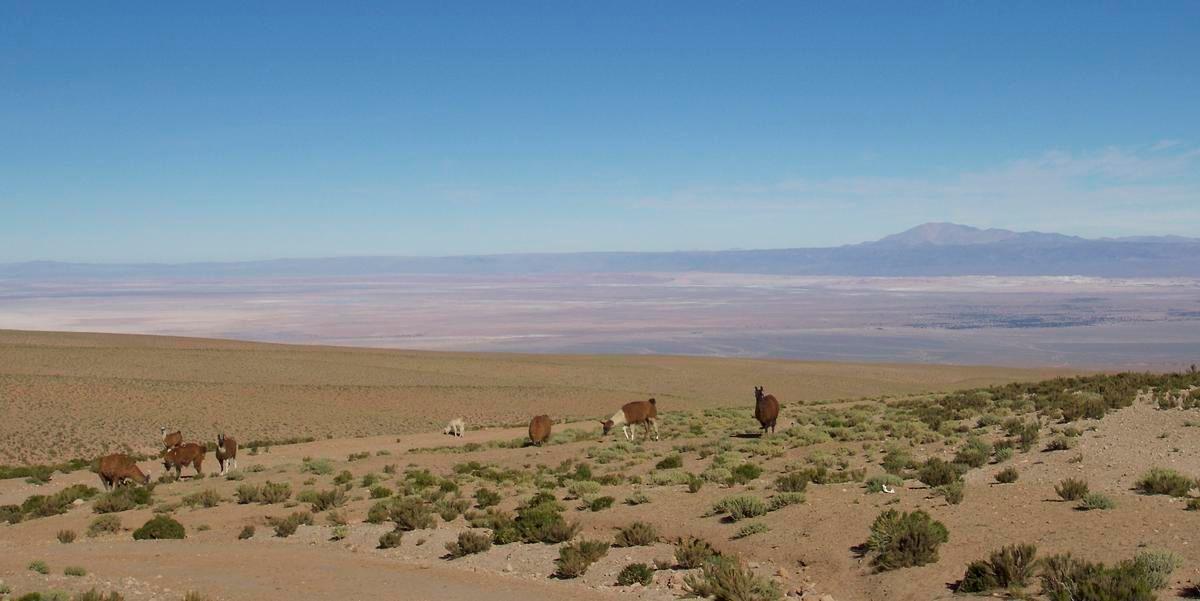
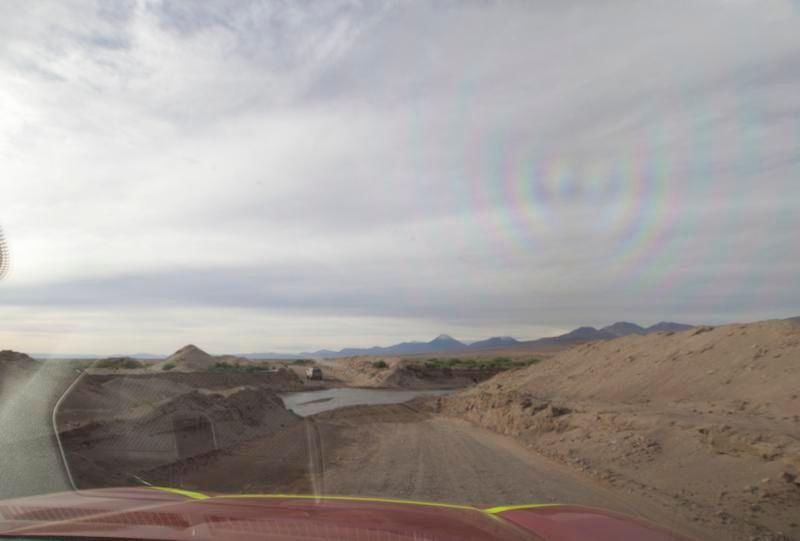
Cousin of the llama, relative of the alpaca, vicuñas are wholly wild and impossible to tame. They’re also endangered and, apparently, notoriously wary of humans. But, still, they can be seen in the upper reaches of the altiplano, where the road rises up to altitudes that, in Europe, would require crampons and pickaxes. Up, up there where Argentina, Bolivia and Chile come crashing into each other in a tangle of border lines and frontier crossings. Towards the end of our week in Atacama we set off, having braved some fords in the progress. There’s also donkeys, but we’re interested in other quadrupeds.
.
.
.

.
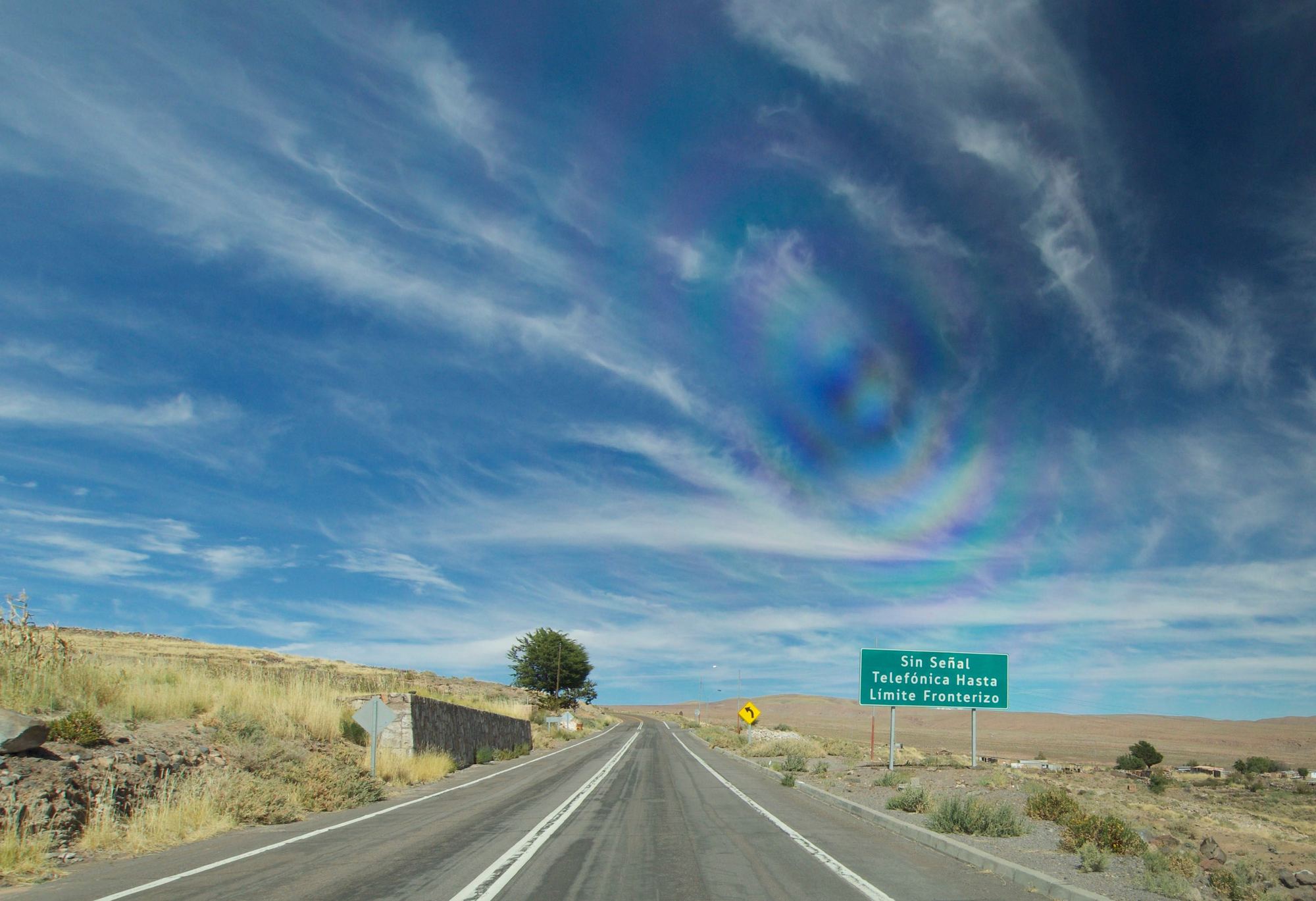
The road gains 2,000 metres in less than 50 kilometres. We overtake Bolivian and Argentinian lorries that are inching forwards at 20 kilometres per hour, labouring against the combined challenges presented by the steepest roads in America and some Gargantuan loads. For long period of times we’re absolutely alone up there, so much so that we can stop at our leisure, play football in the middle of the road and even spot a couple of rheas.

Phone reception comes and goes as we climb higher and higher, past relics of former accidents, until we reach the junction for
Laguna Miscanti. Here things turn suddenly worse.
.
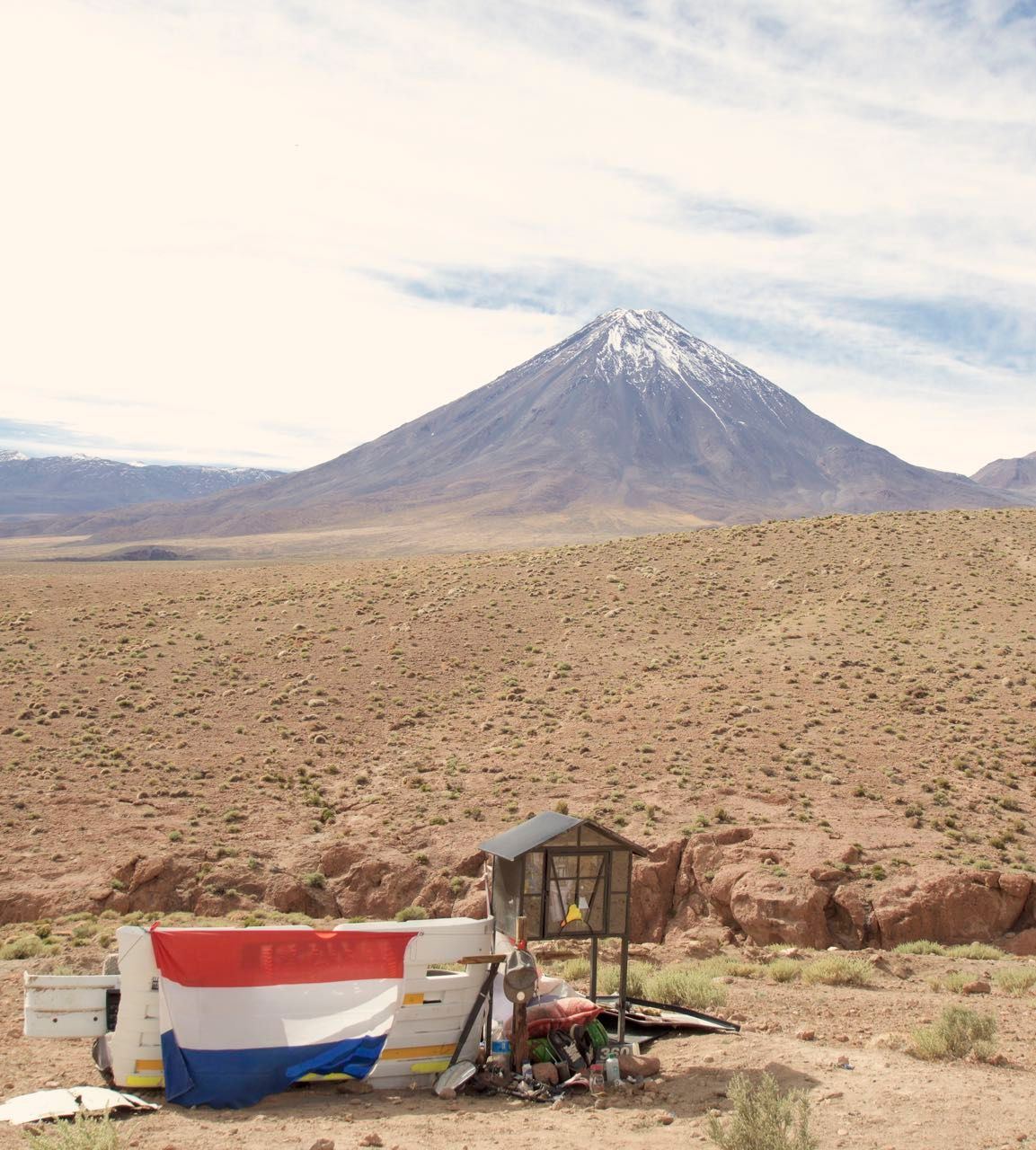
There’s a traffic jam of sorts. Belo Horizonte-plated SUVs, Hiluxes, Peugeot 208s taken at the Calama Hertz, we’re all inching upwards, slipping in the dust and choking each other out. I push a minuscule Hyundai forward, its engine wheezing out of breath and its driver almost beyond herself with panic. I try to suggest she turns around and descends, but she flatly refuses. The Argentinian SUV ahead is equipped with ropes and could tow the car, but they speed off upwards and all I can do is to push the little car forward, as gently as I can, with the Nissan’s front bumper. Hertz will have a field day with these guys.
By the time we arrive at the entrance of the
laguna we’re more than fed up. It’s undoubtedly hypocritical of us – after all we’ve flown across the
planet for being here – but this drive-thru tourism is nonsensical. We park the car and head downhill, away from the dirt roads where a convoy of vans and trucks is inching forward, disgorging passengers long enough to take a selfie and return.
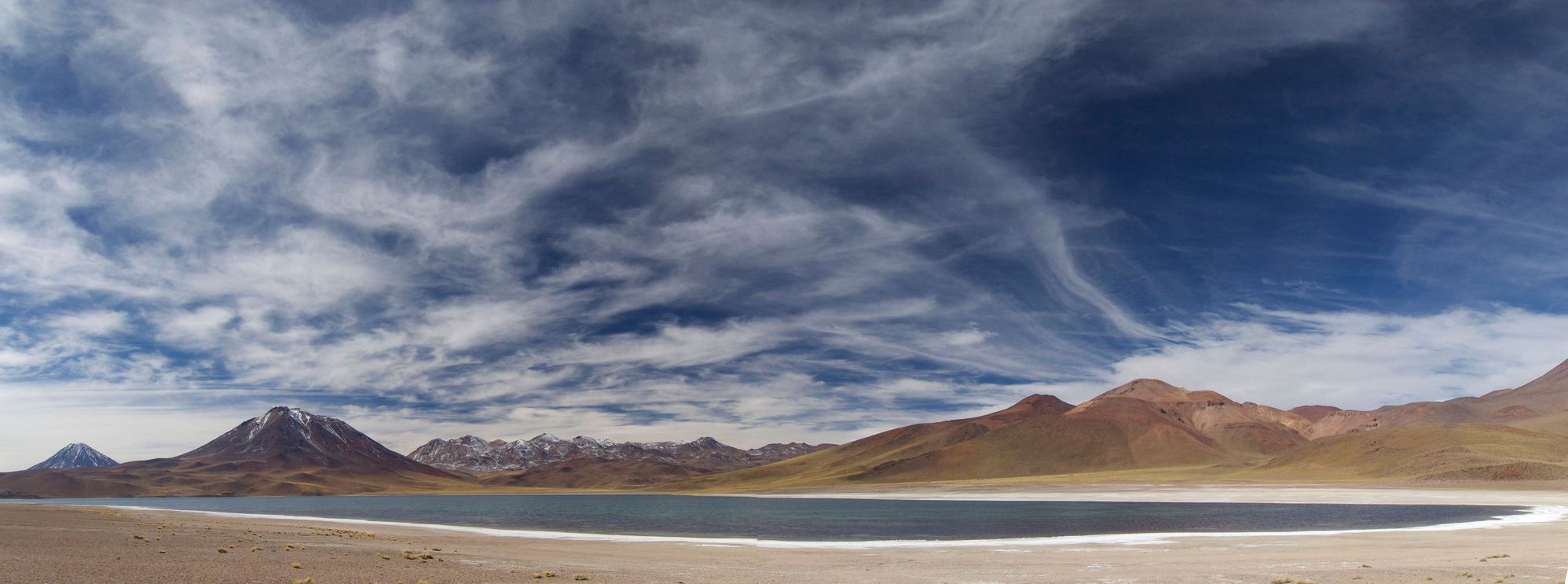
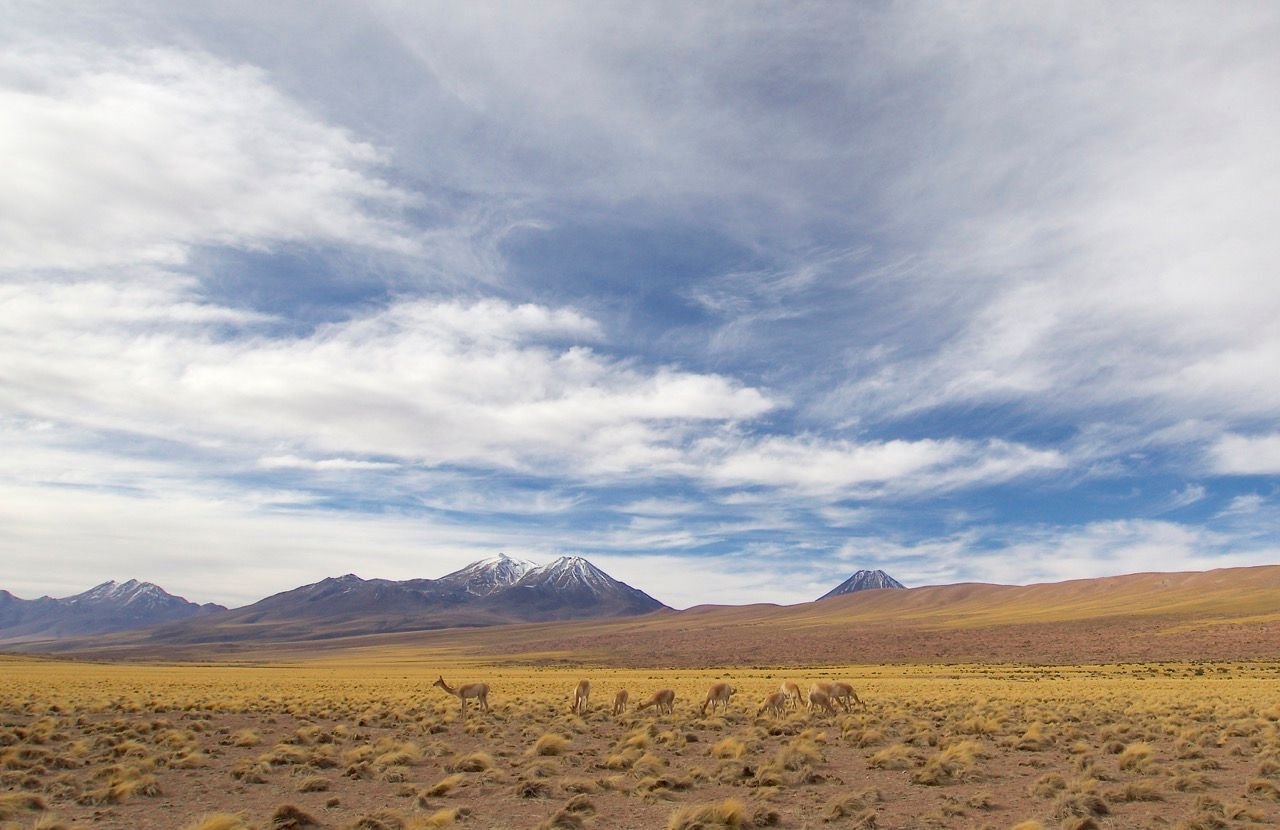
Away from the maddening crowds we’re basically alone, so much so that we almost bump into a bunch of vicuñas. “Where’s your car?” they seem to be asking.
Our last stop, and also the end of this instalment, are the
Monjes de la Pacana. Monoliths shaped by wind and sand over eons, high up in the mountains. On our way back a vicuña waits, as if wanting to see our papers. But we’re soon back on our way, on a descent so steep to be peppered with safety corridors filled with soft sand capable of stopping a runaway lorry.

Tomorrow it’s time to start the long way home.