III. El Misterio Vive: Rapa Nui
This is not a chronicle of our time on the island, because – in fairness – there’s no need. If you were to come here on a hurry, ticking off one thing after the other, you’d be done in a day. Honest.
But you’d also be making this place a grave, grave injustice.
I’ll be clear from the outset: the ‘never meet your heroes’ thing doesn’t apply to Rapa Nui. I adored the island. I wish I can come back. I never return to someplace I’ve already been to but I'm making an exceptions for this island. In fact I had plans to return, before somebody, somewhere, ate a pangolin, or a bat, or both.
Why?
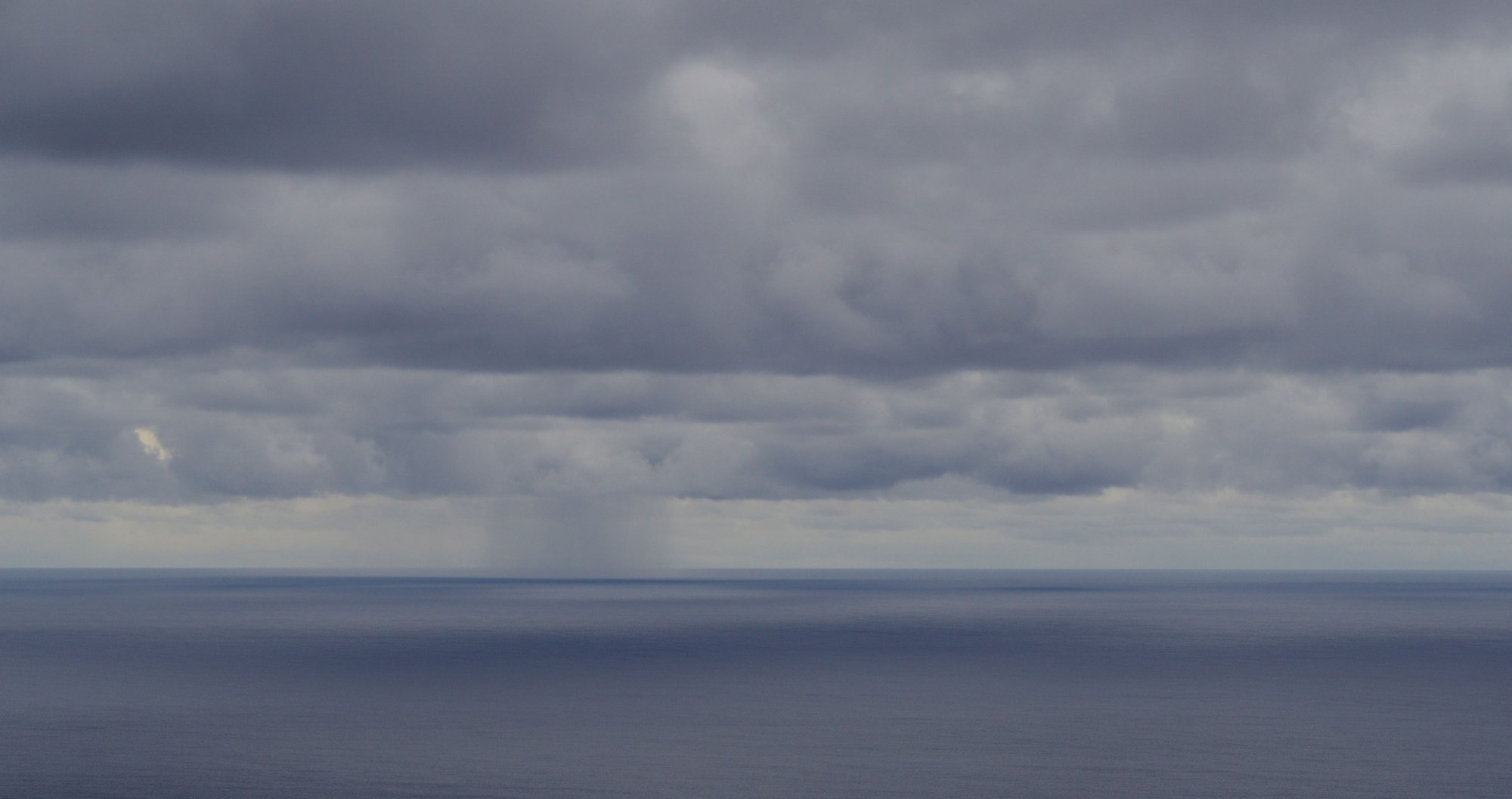
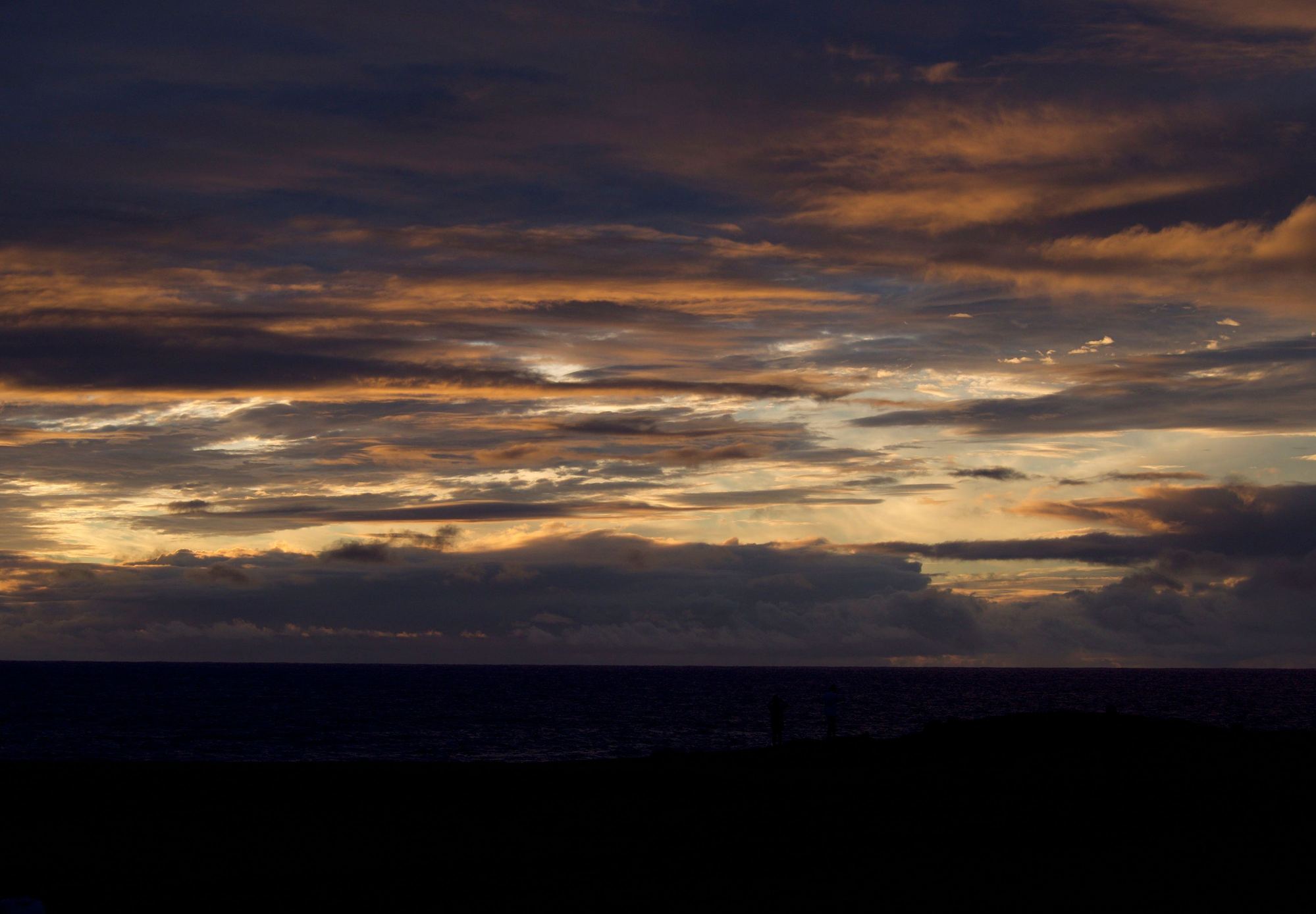
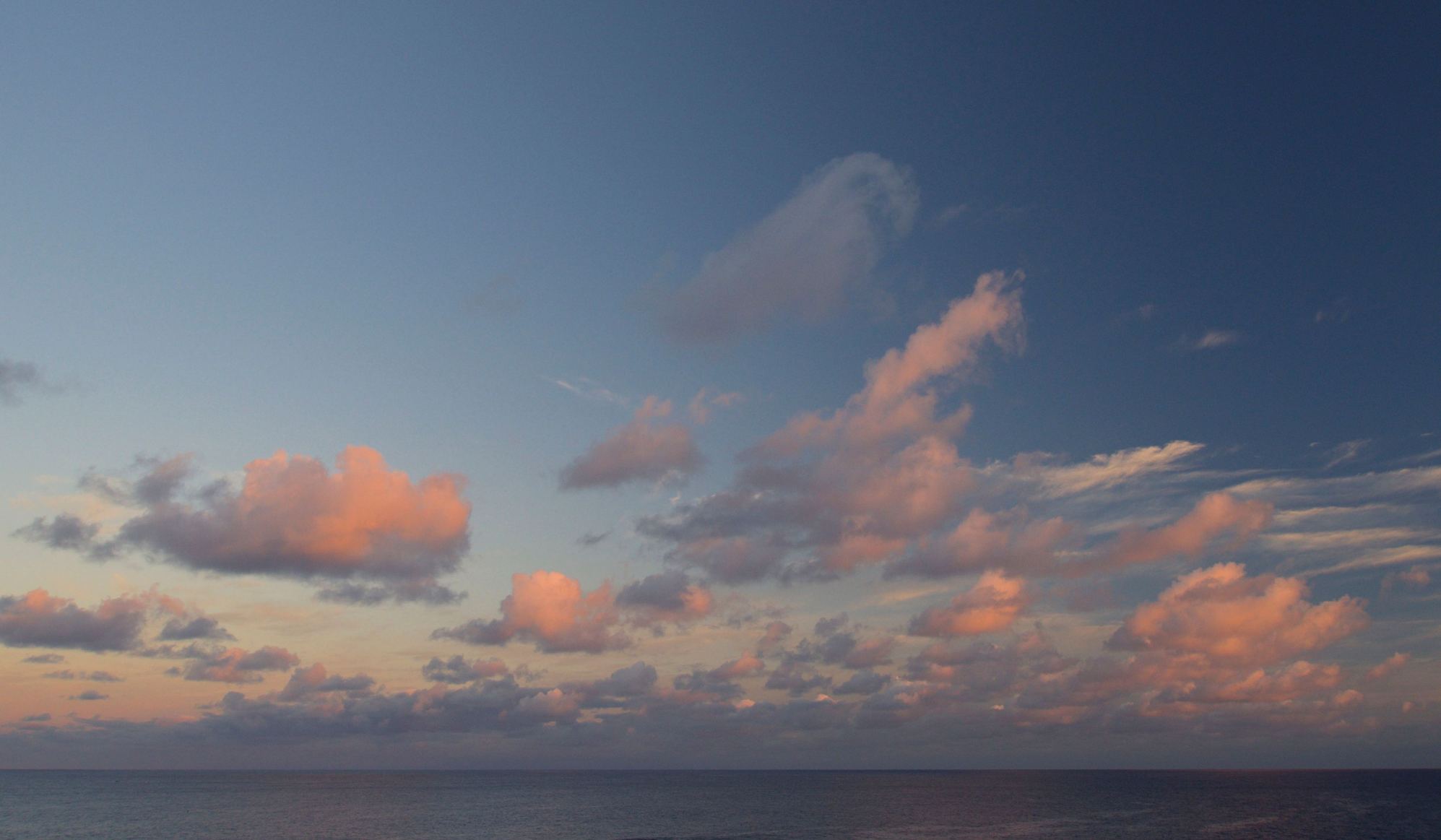
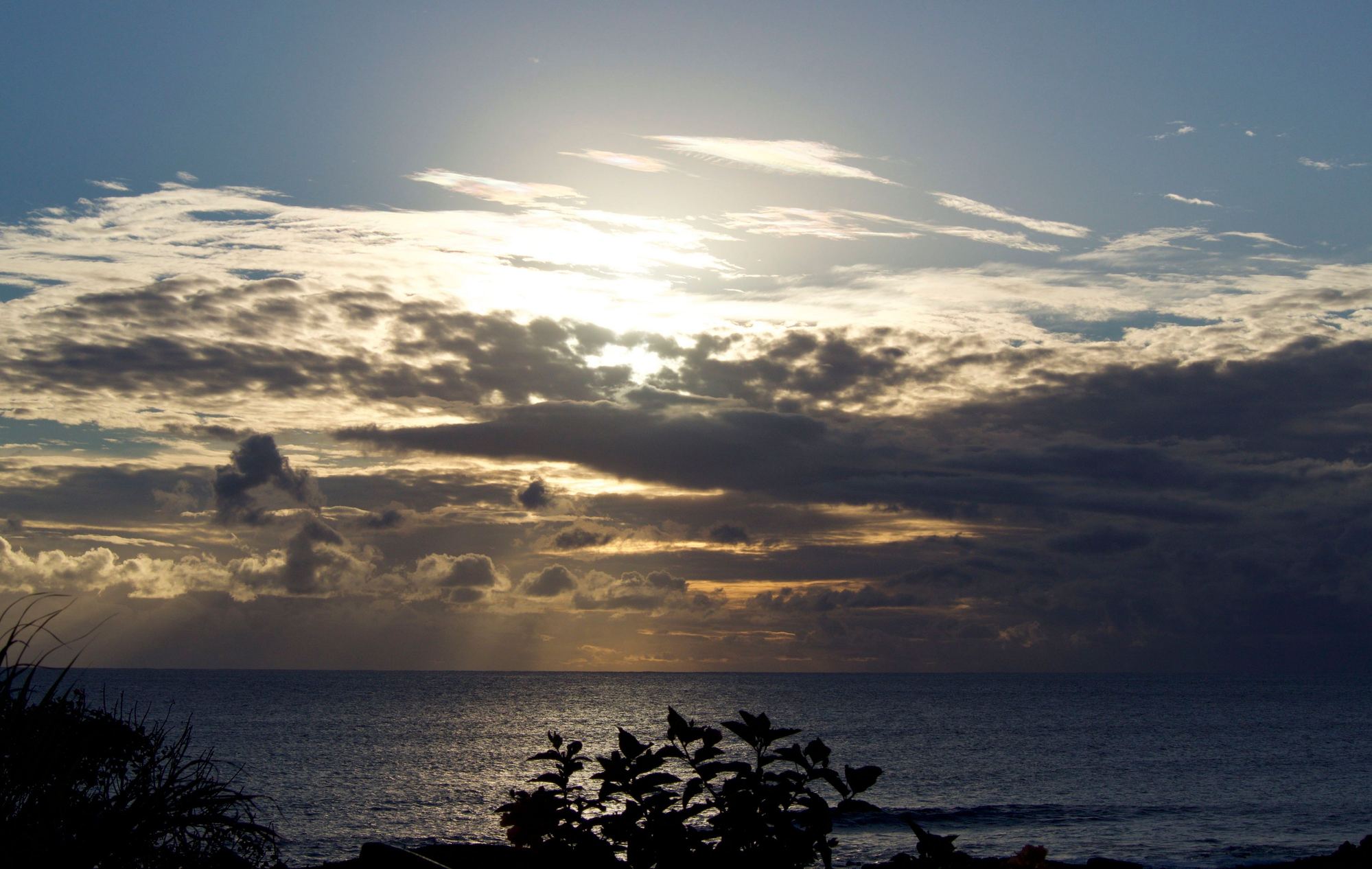
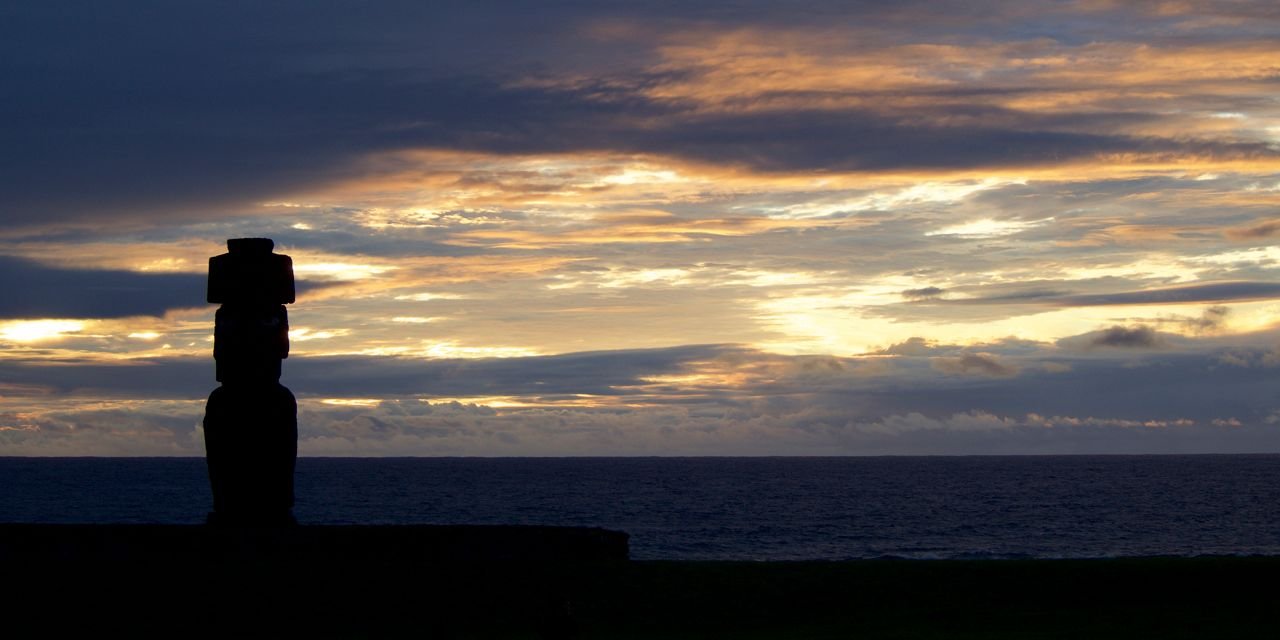
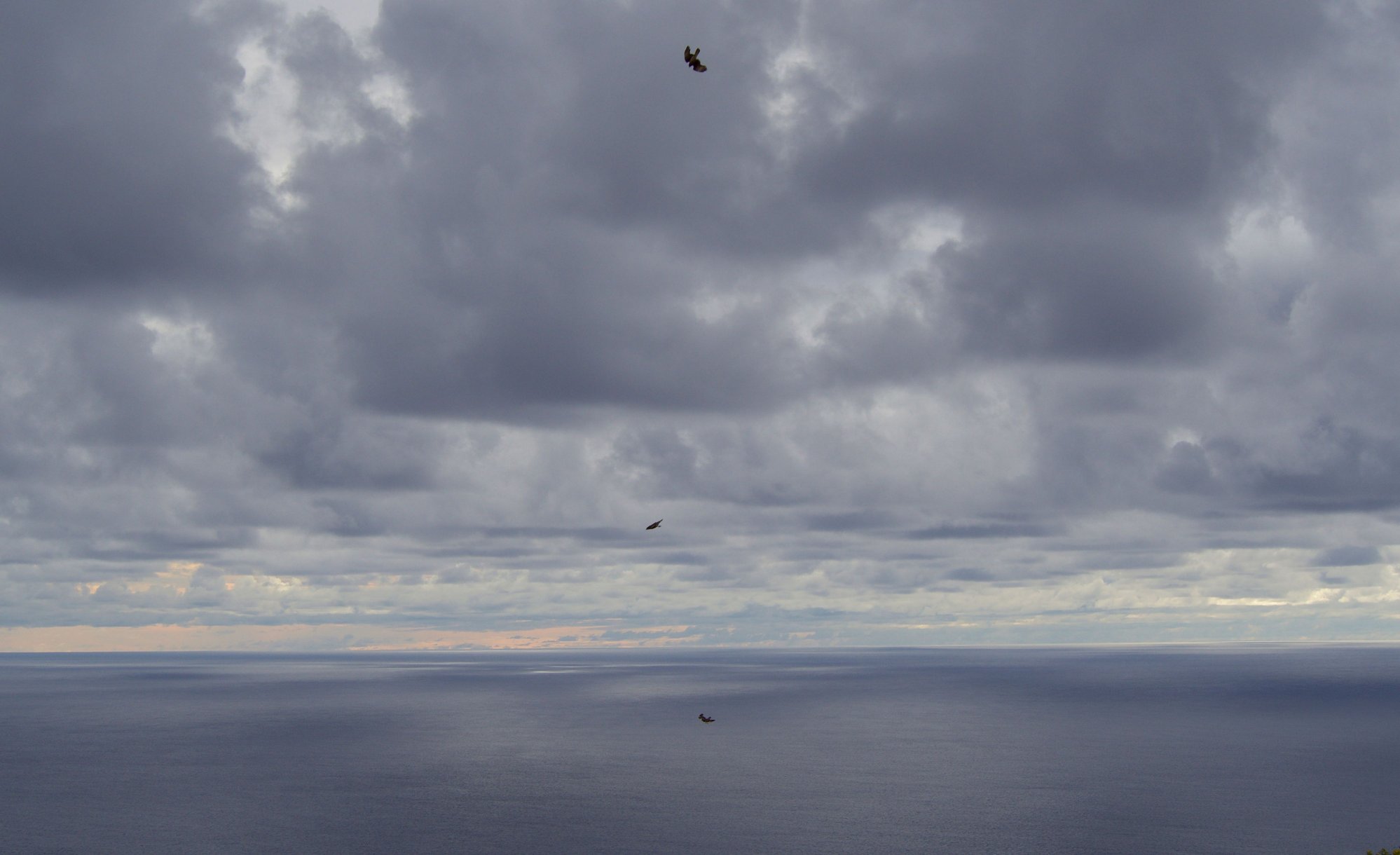
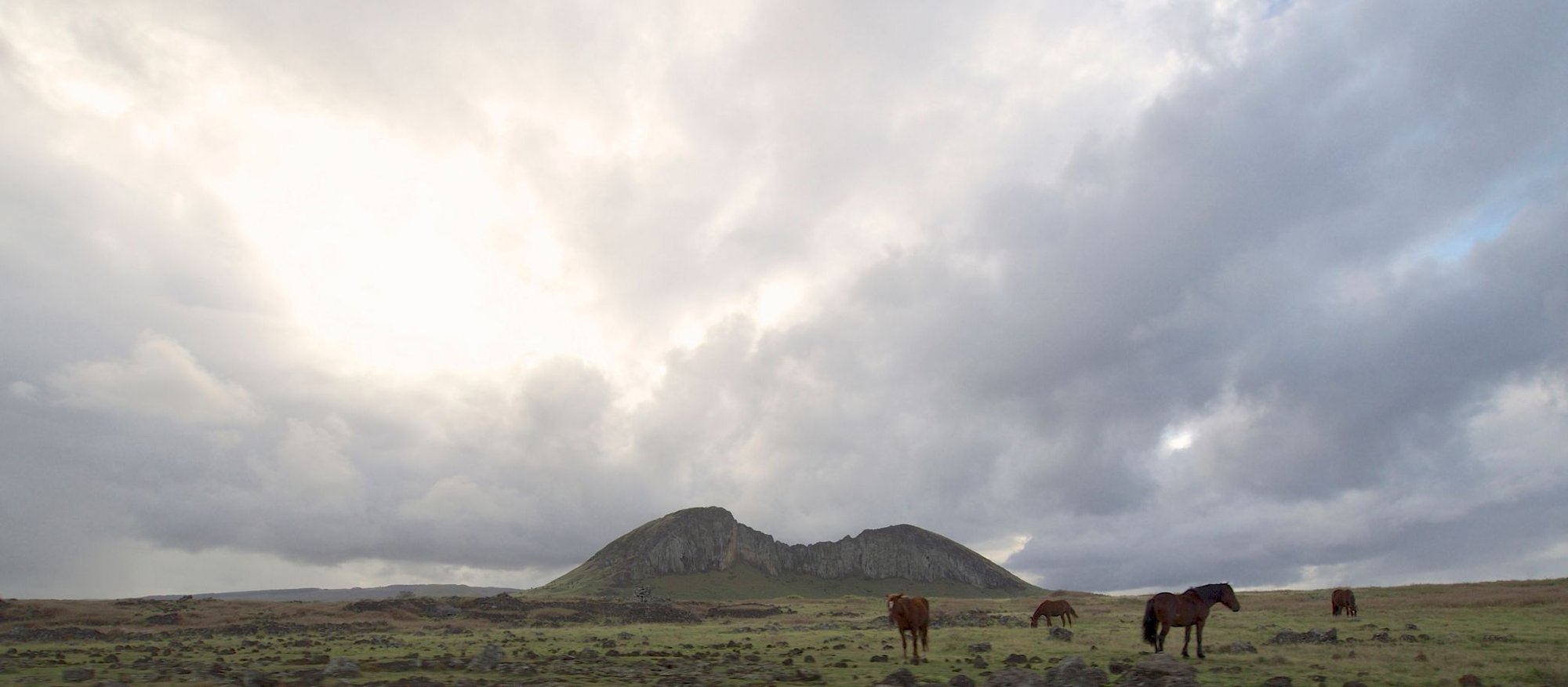
Well, there’s something, here. There’s a sky like I’ve never seen.
.
.
.

.
.
But there’s more. There’s a feeling, an undertone. A former colleague put it well when he said
“It’s as if there was an answer to a question you can’t quite formulate,
but that you know you have”. I don’t believe in metaphysics and I’m not spiritual, but this place is as close to it I’ll ever get.
.
Rapa Nui has been through so much, and is widely misunderstood. The ecocide narrative is still mainstream, still popularly accepted as a truism, but more and more scientific findings – not to mention the reportages of the first Europeans to arrive here – say otherwise. I won’t bore you but, should you be interested to know more,
is a BBC documentary on Rapa Nui. I’m also pointing, with very little shame, to my
own blog, specifically to this post, merely because it contains, digested and most probably dumbed too down, historic sources and modern academia pointing to an alternative history, one of deforestation – undeniable – but also of remarkable adaptation, even of success.
What about the cannibalism, the civil war that pitted the Long Ears versus the Short Ears? Myths, probably, but built on a solid stratum of real atrocities: slaving raids. Slave traders raided the island several times, in one occasion abducting thousands of Rapa Nui in a single sweep, taking them to a continent where, inevitably, they’d succumb to illness and overwork. In the eyes of a society with no private property, with no slavery, what other purpose could the wholesale kidnapping of people serve, if not as a mean to forage for food?
Then on the survivors – scared, few, a shadow of the society that welcomed Dutch explorer Jacob Roggeveen and his men – descended the Christian missionaries. To be honest, I think the scourge of Rapa Nui hasn’t been hunger: it’s been us, the outside world.
Anyway, what is Rapa Nui today?
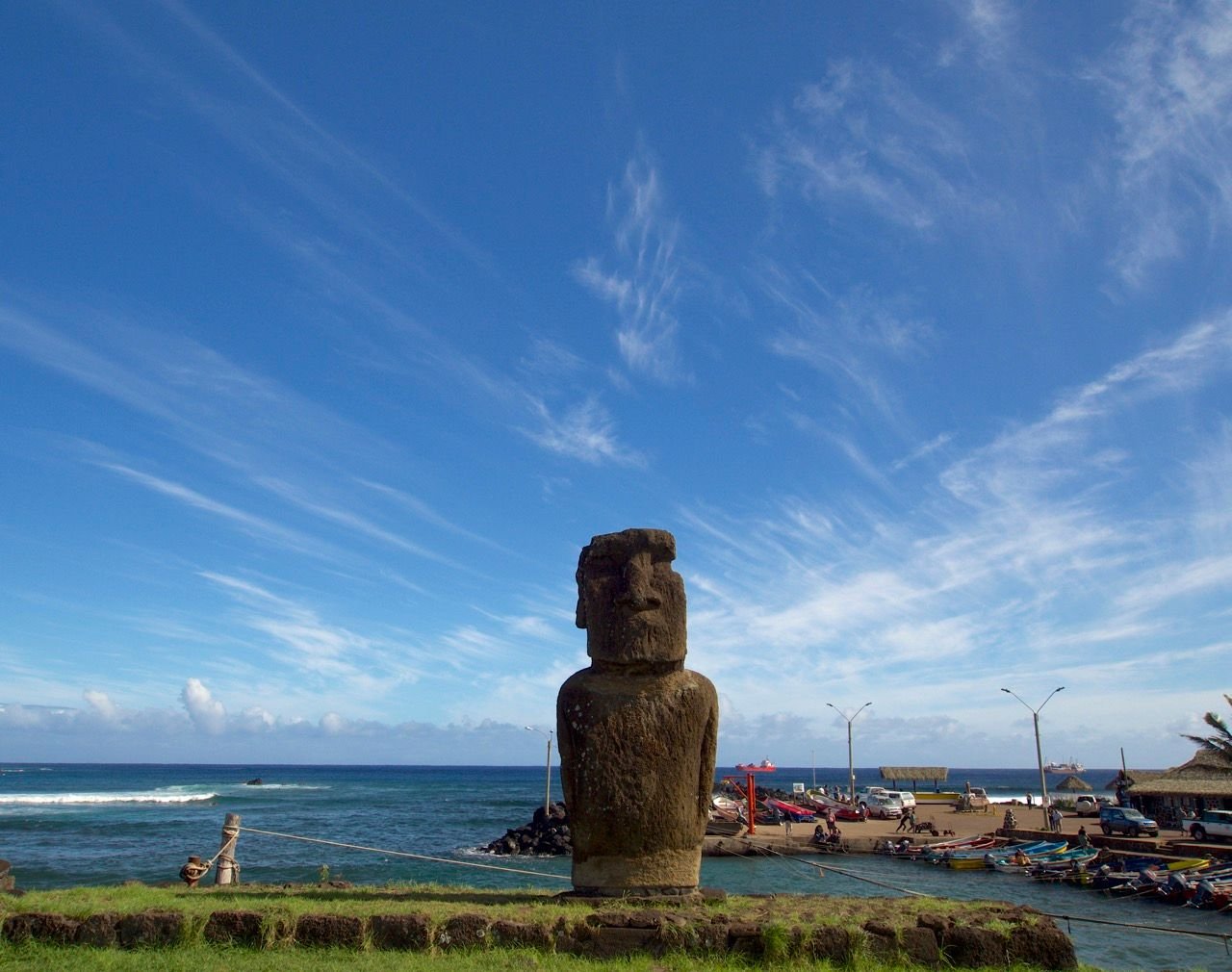
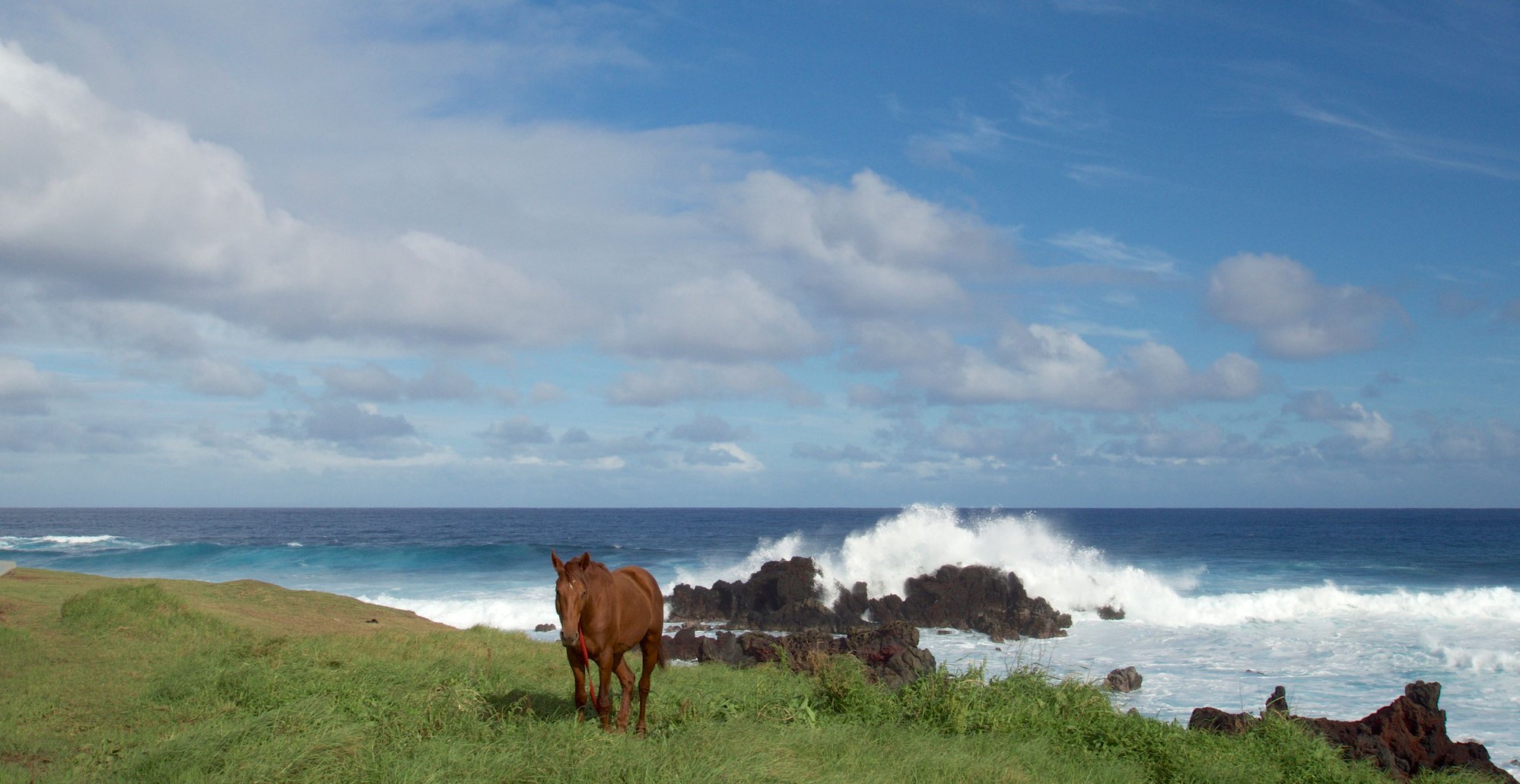
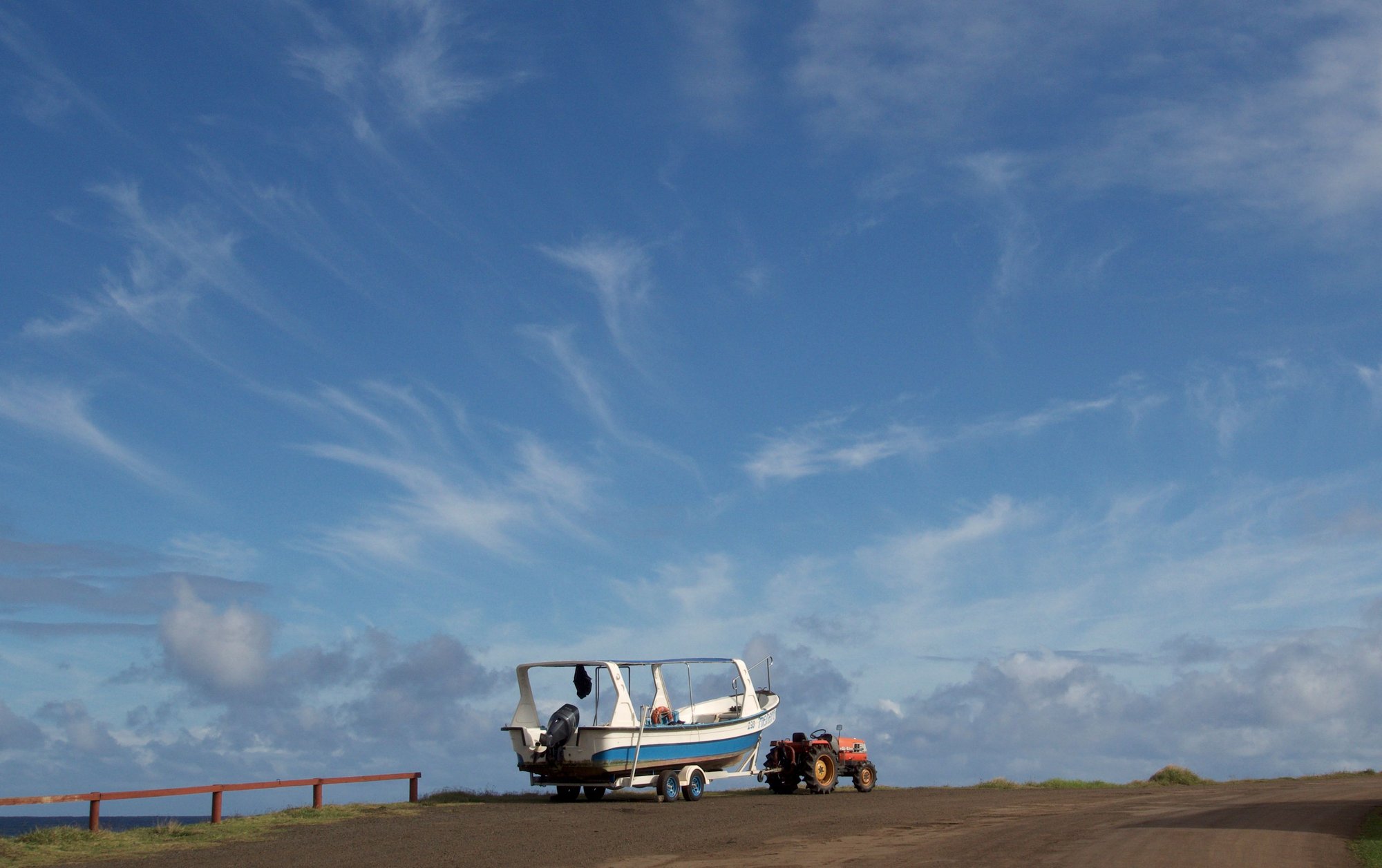
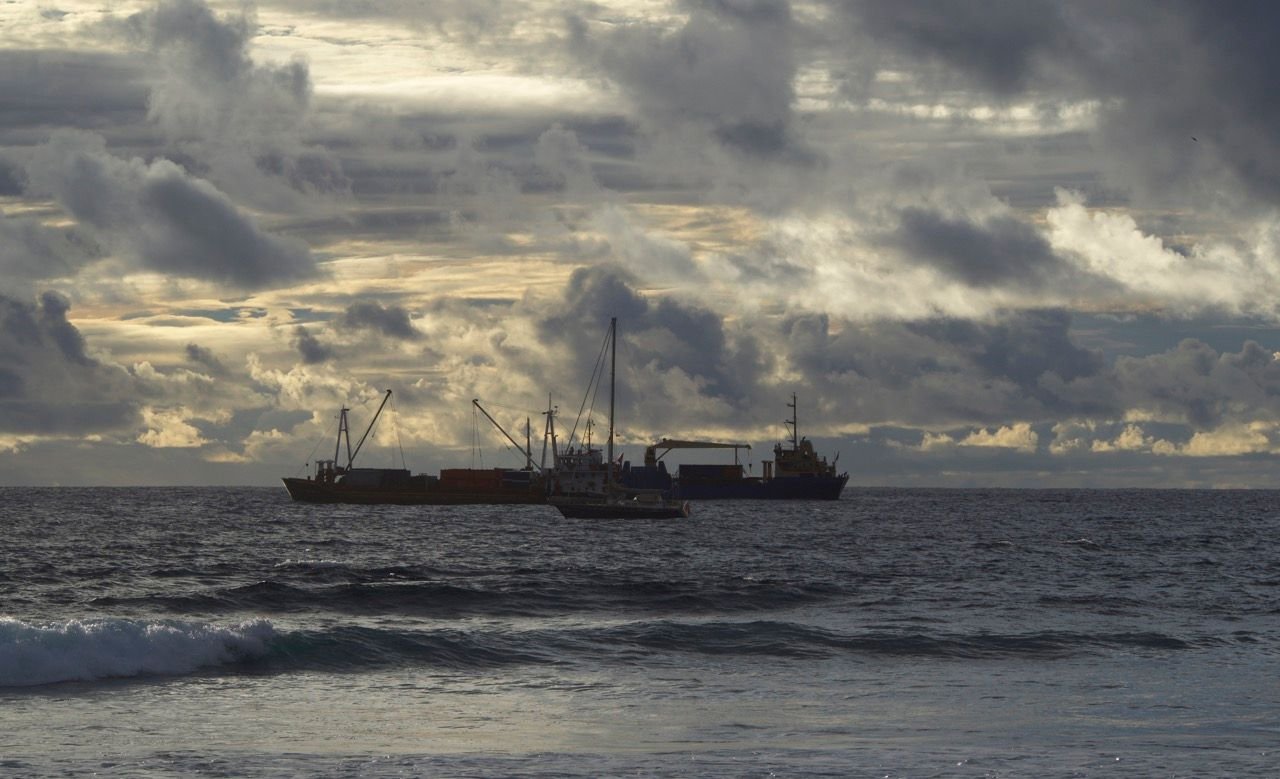
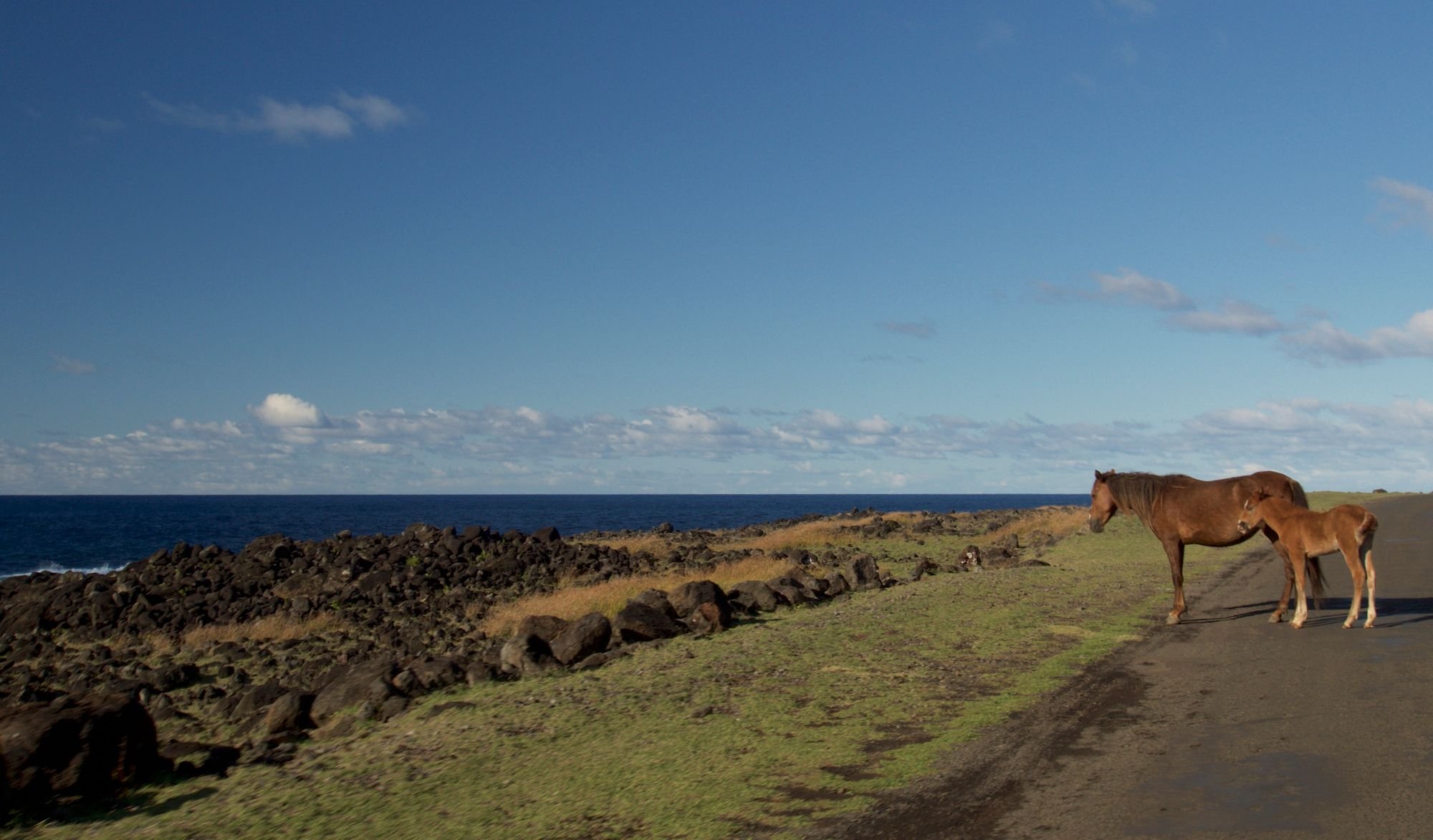
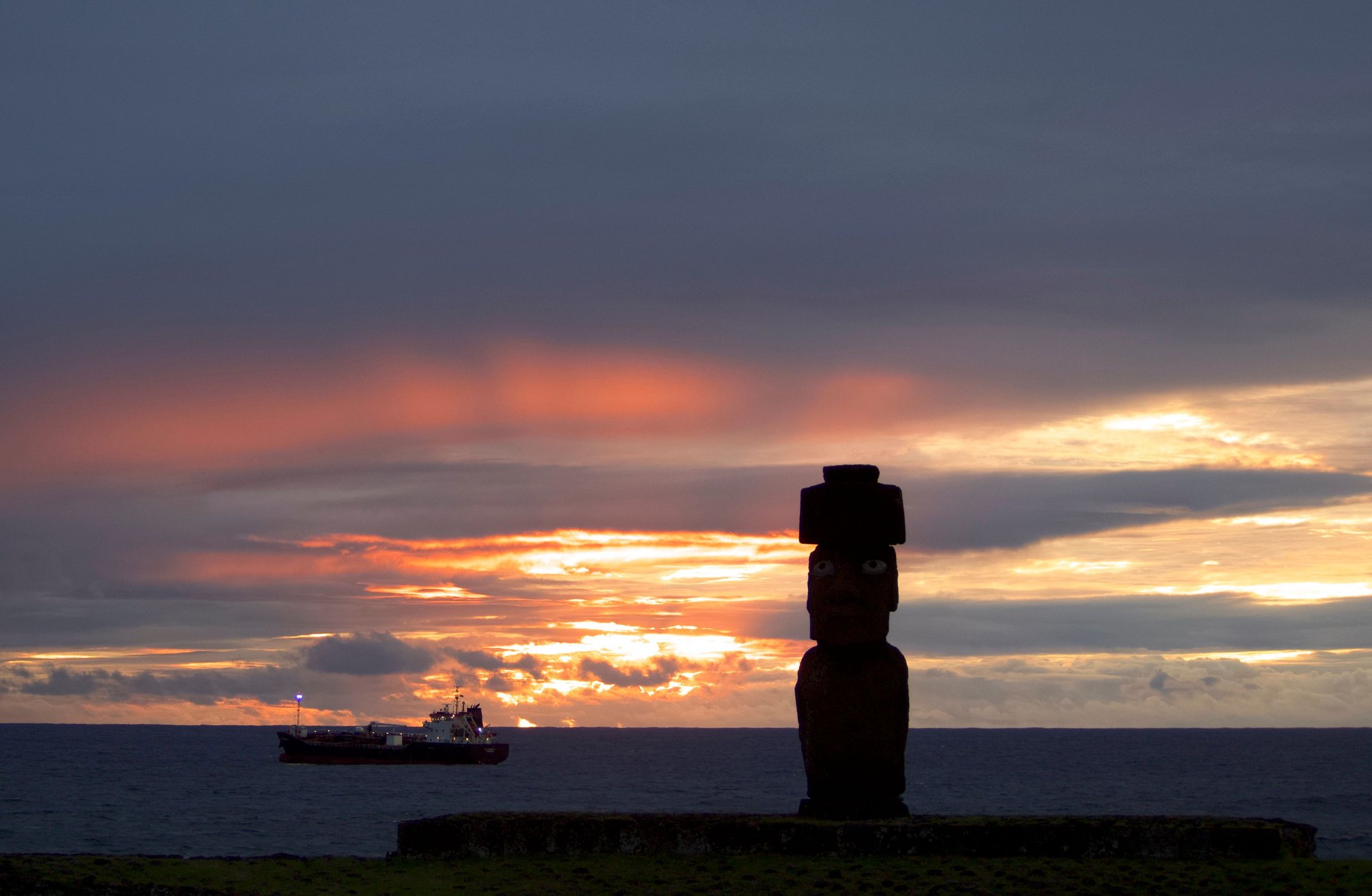
It’s a peaceful place, a sleepy community of proud people. There are simmering tensions – occupied land, desires of further self-autonomy – but, according to locals, nothing that can’t be worked out if people want it. After all, it’s hard not to turn mellow with a sunset at Ahu Tahai, Mahina beer in hand, somebody playing a guitar and the wind carrying the sound two elderly Rapa Nui speaking their language.
.
.
.
.
.
.
.
.
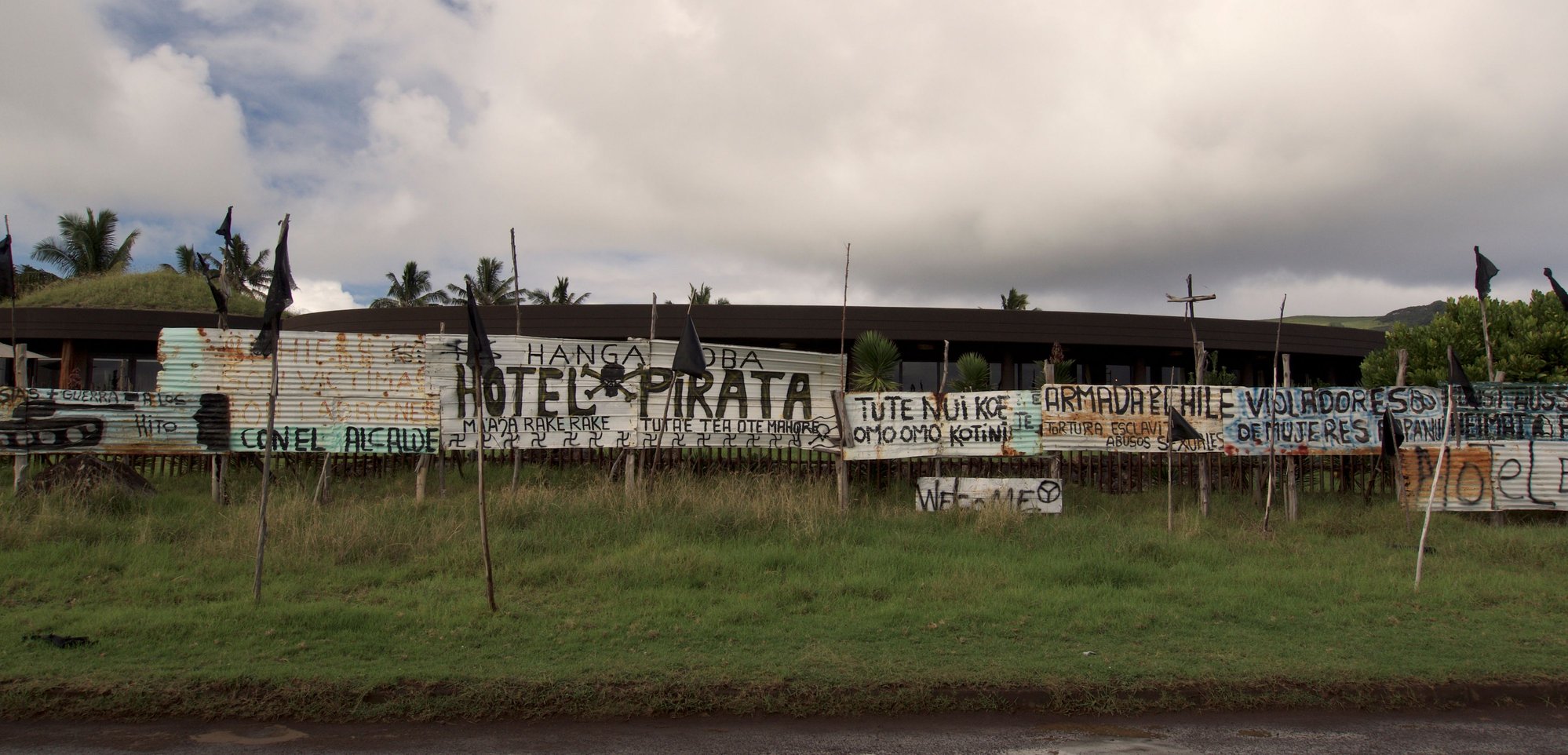
There, is, though, trouble in paradise. The only 'mainstream' hotel - with that I mean to say one that could be a franchise of one of the big brands - is apparently built on stolen land. There was an occupation, squatting. Eventually Chile flexed its muscles, the Carabineros were sent in, rubber bullets were fired and some islanders lost an eye. Evicted from the hotel, the protesters retaliated with a masterclass of guerrilla marketing.
.

.
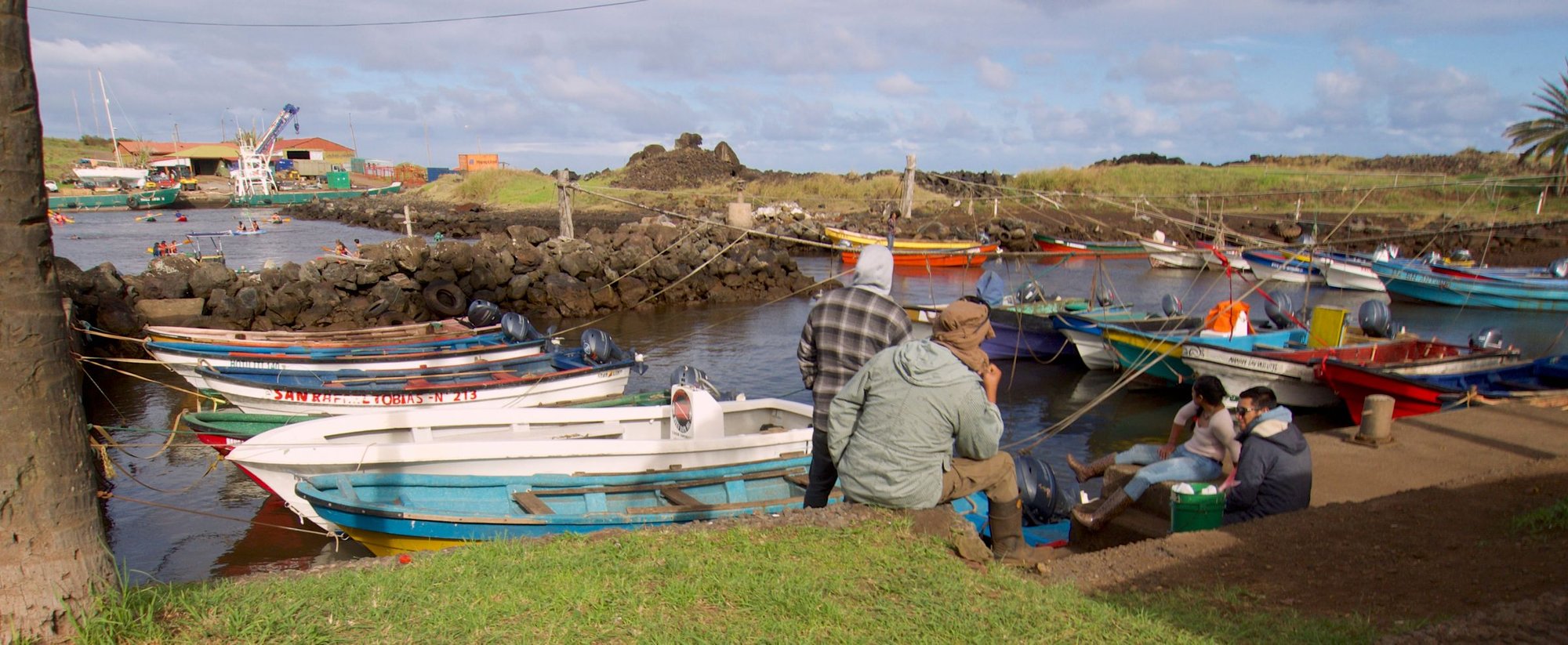
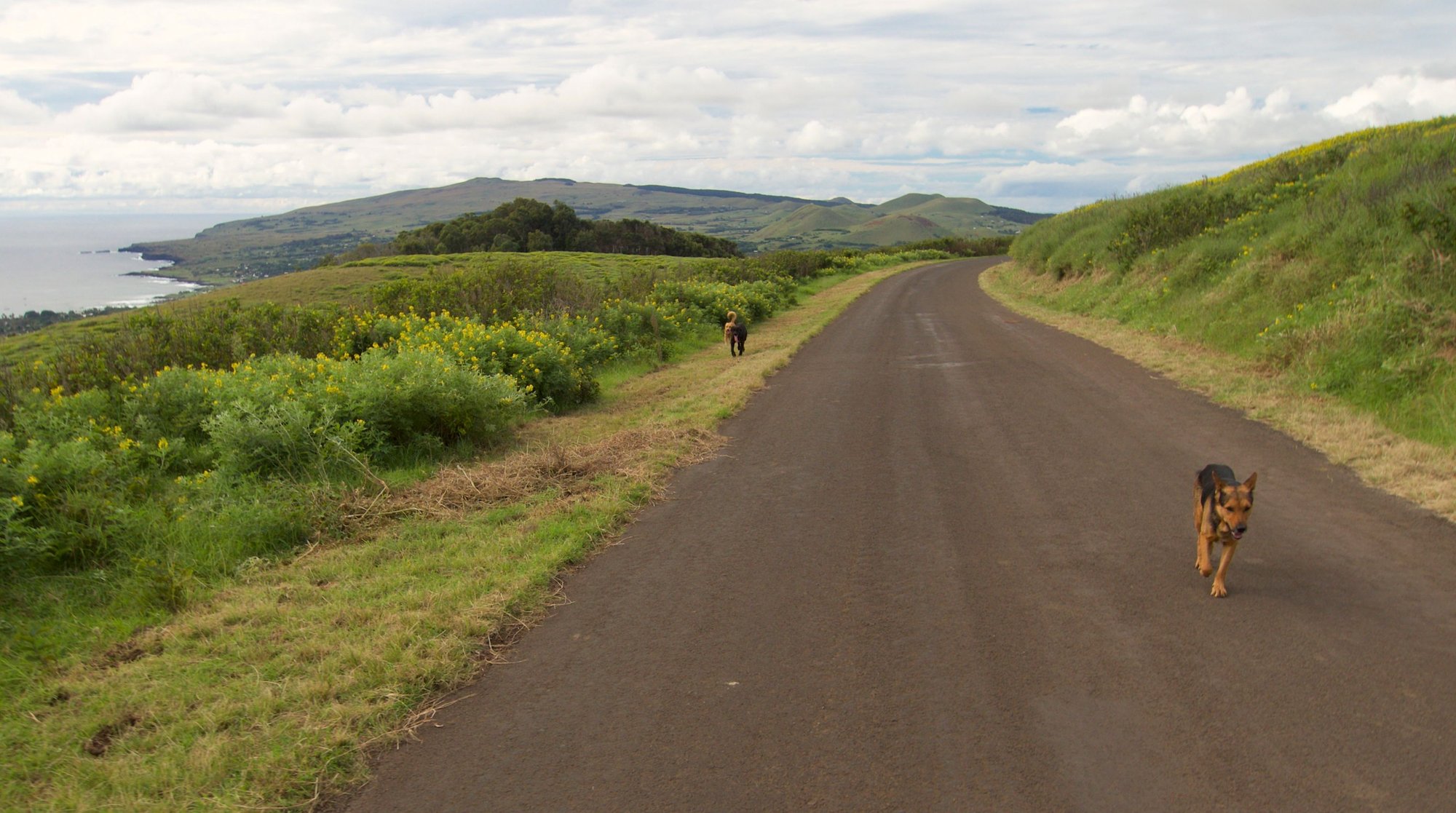
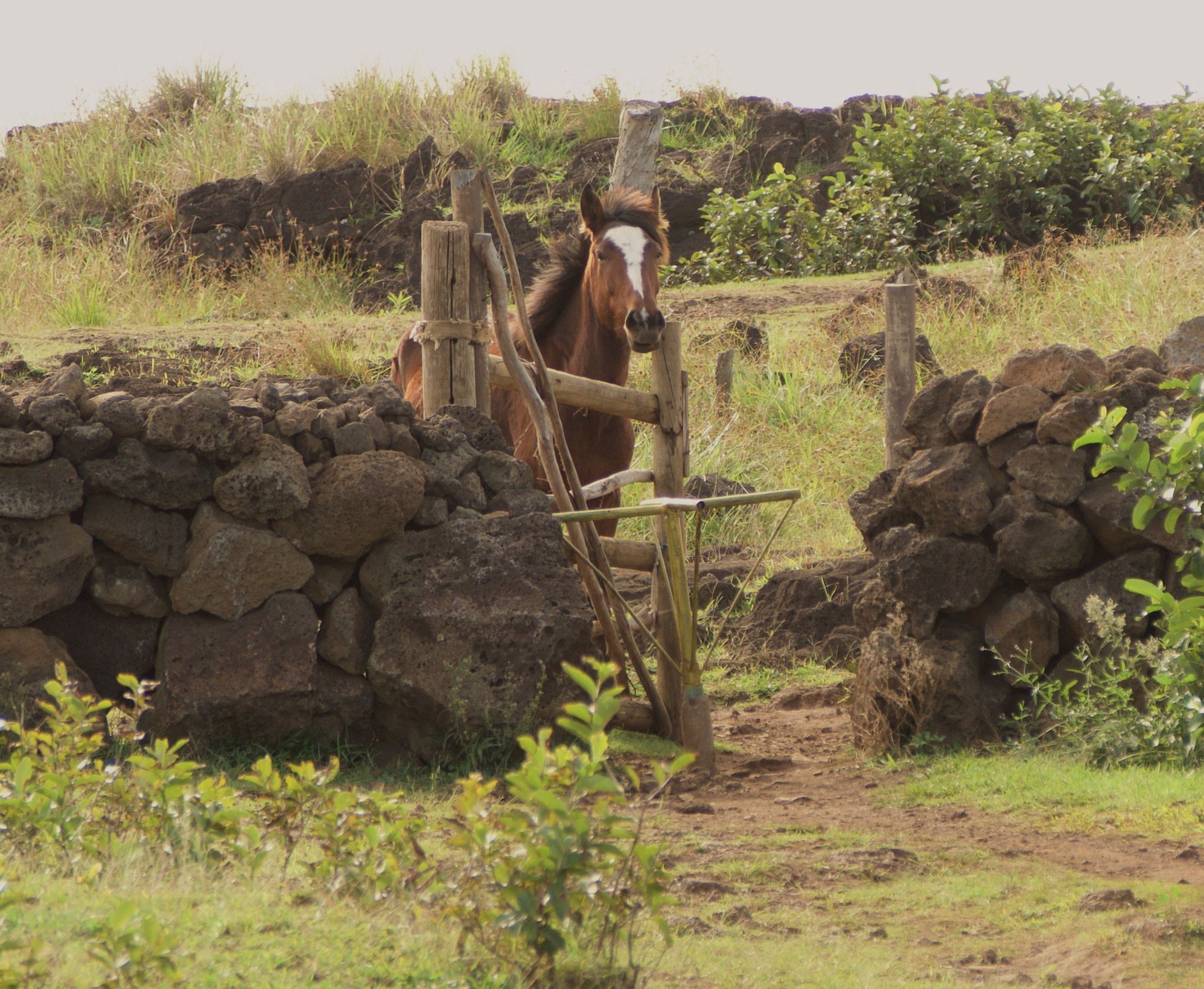
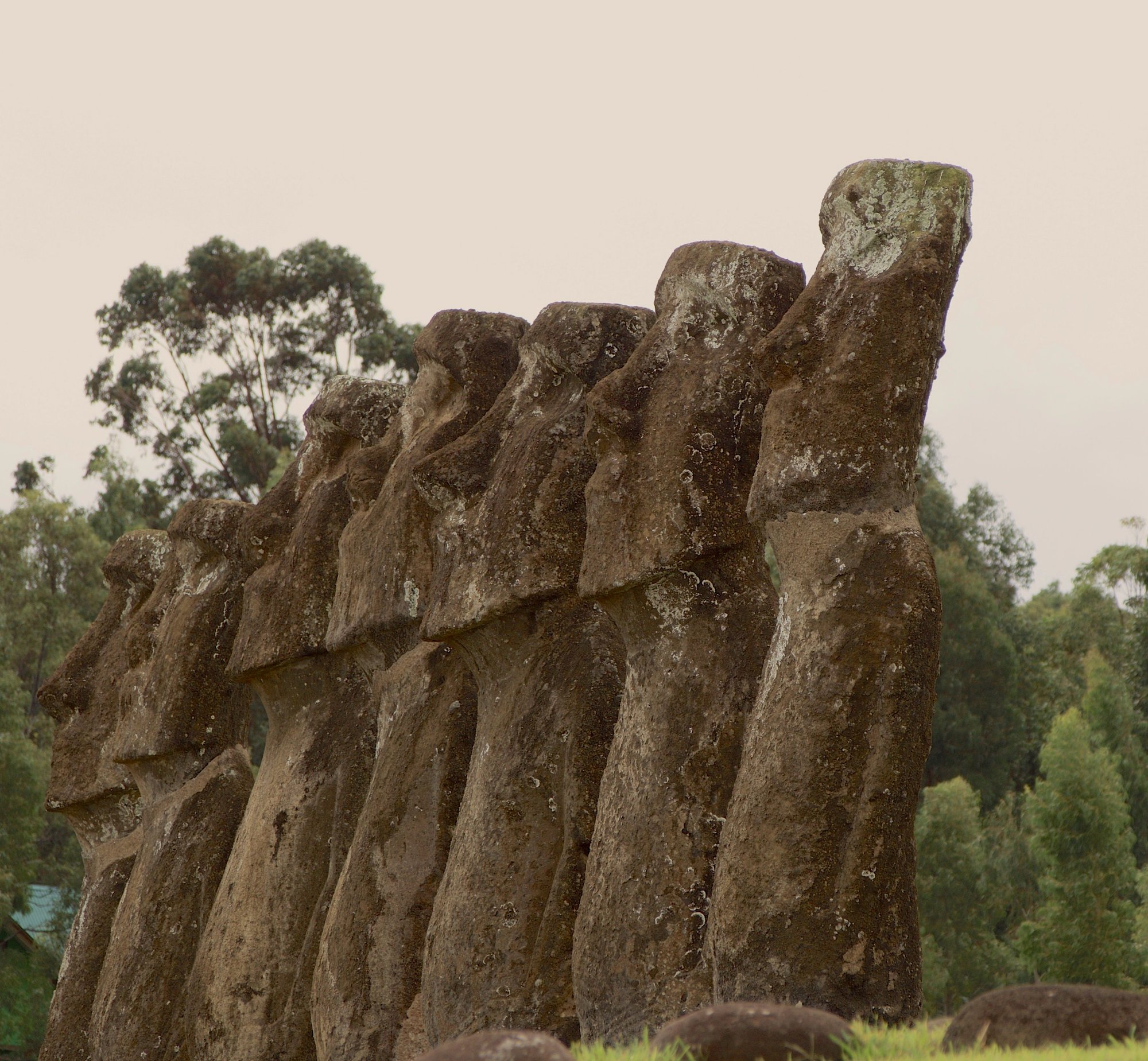
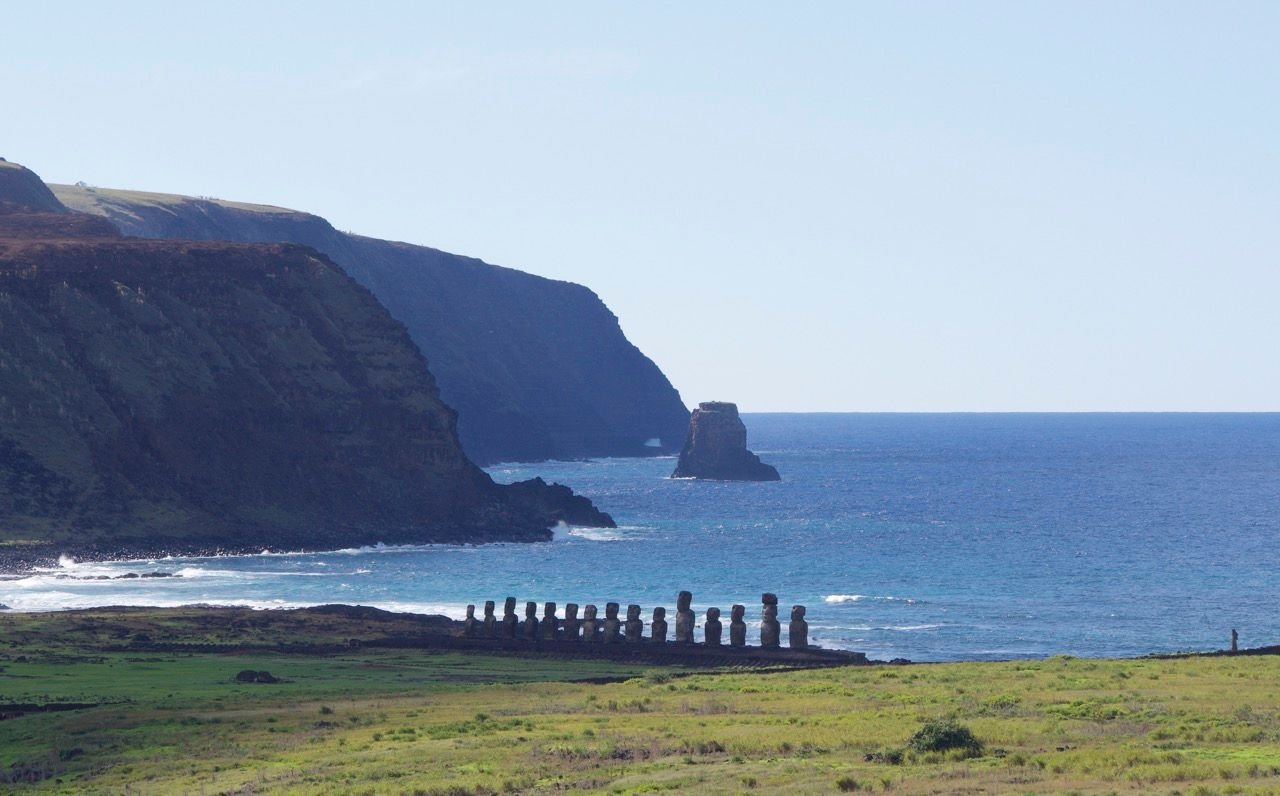
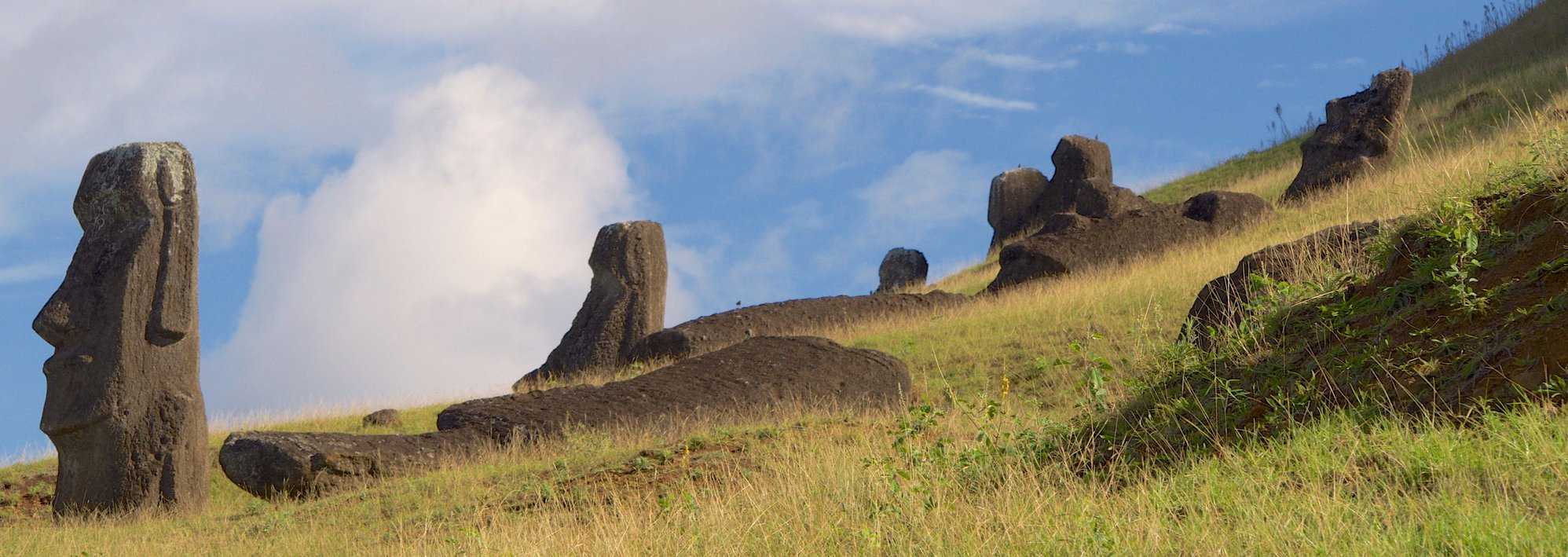
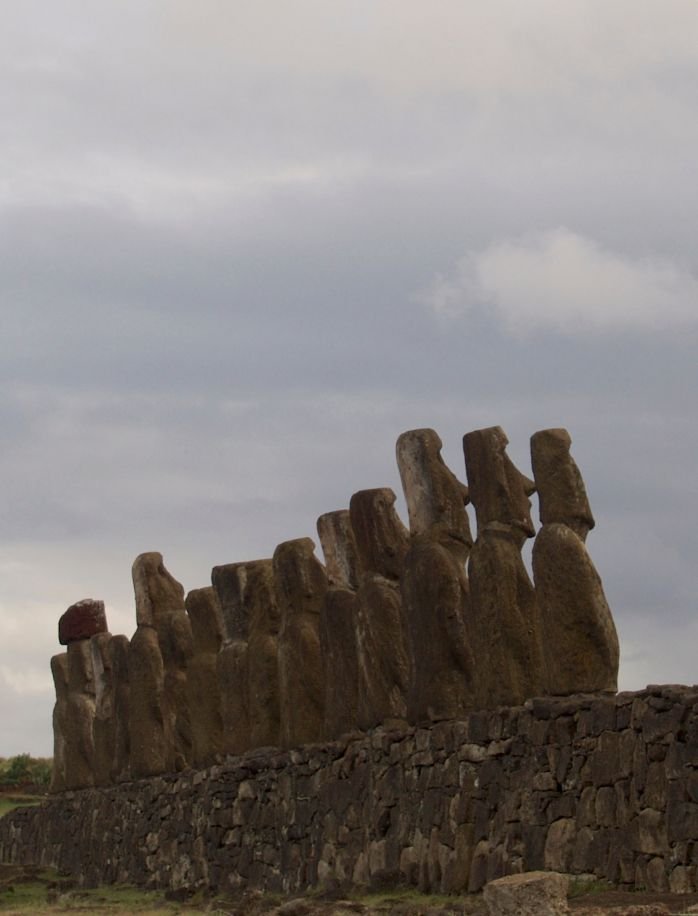
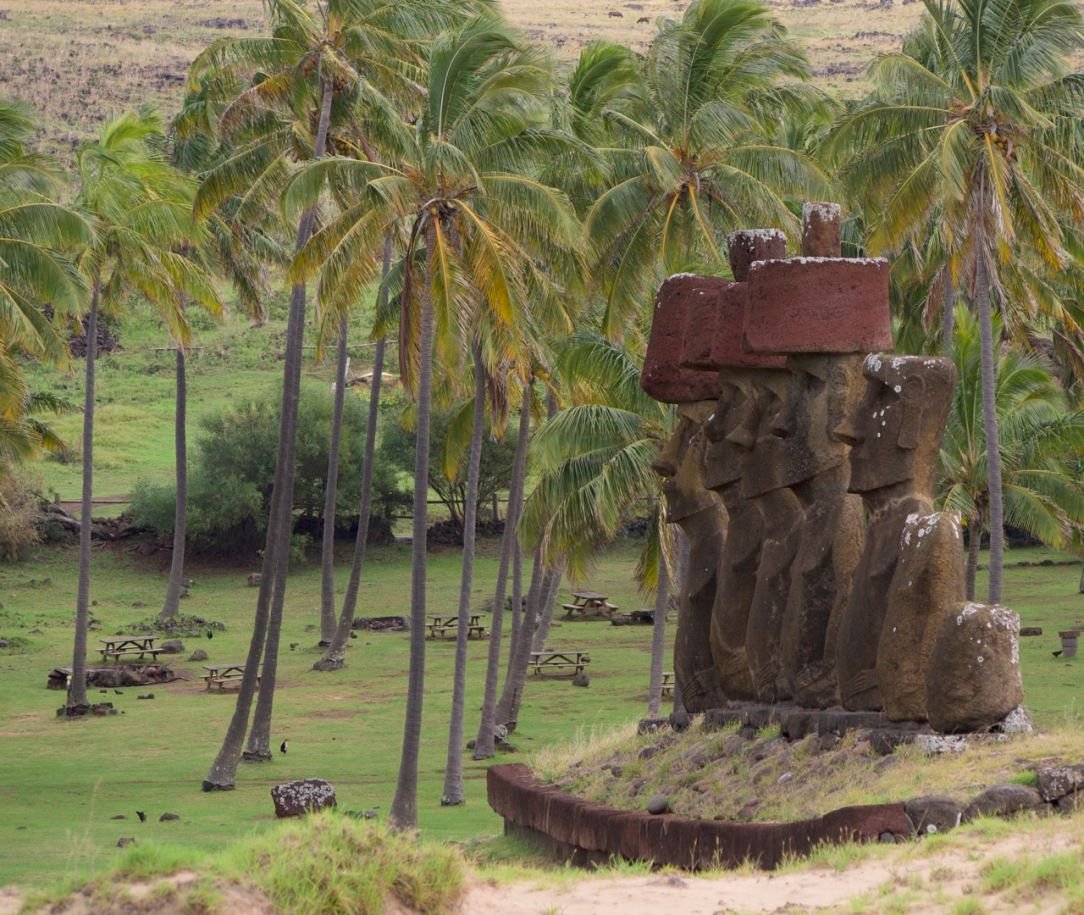
We rent a Suzuki Jimny, a delightful little box perched atop slightly wobbly wheels. Driving around, windows down and Radio Rapa Nui on, becomes a pleasure. We hop from place to place, from Akivi to Anakena, from Tongariki to the quarry of Ranu Raraku. We trek to the volcano Rano Kau and hike halfway up the north coast, alone but for a cow. We walk in through woods of eucalyptus and past the ancient mulch gardens, through fields strewn with rocks from which the soil gathered nutrients. We spent a few hours in the largest harbour of Hanga Roa, doing nothing but looking at the young Rapa Nui as they learnt kayaking under the eye of local fishermen. We made friends with every local dog in the neighbourhood, and some.
.
.
.
.
.

.
.

.
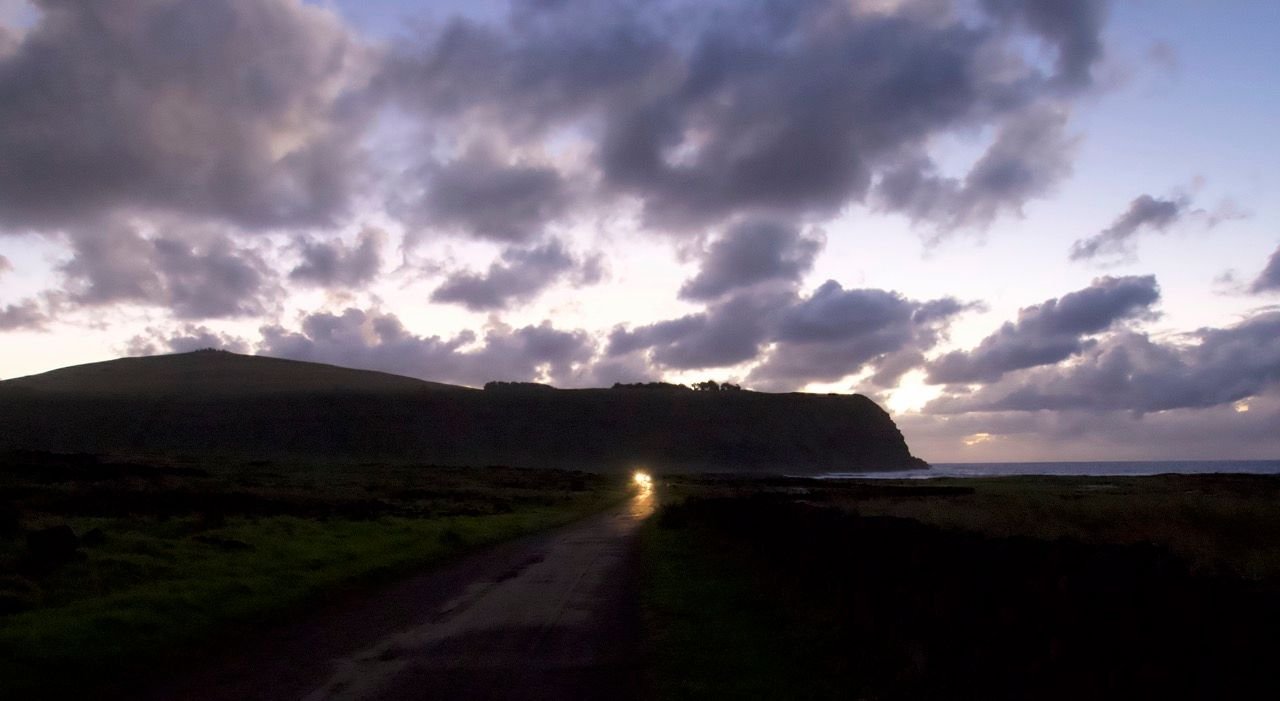
We left Rapa Nui after a week, but it was too soon for me. On our last night we woke up at 4 AM, driving the little Jimny through the night, squinting in the dim light of the most underpowered headlamps ever to grace a vehicle, trying to reach Tongariki in time for dawn. Dawn, there, was a bust. Besides Poike mountain being in the way, and the arrival of more and more people, it was a decidedly un-Rapa Nui experience. But… we parked the car a bit further, and got out. The Milky Way stretched from horizon to horizon, splendid in the moonless sky. If ever I had an epiphany that was it: as a wrote on
my notepad later that day, in a SCL airport hotel room,
against such a backdrop everything I know and see – the low rock wall, the silhouettes of the moai, the crashing waves – is irrelevant like a bee’s fart in a hurricane. It all matters .... and it’s such as refreshing thought: you, me, Trump, China, the Mueller report… it all equates to precisely the square root of diddly squat. Ah, it’s so nice.
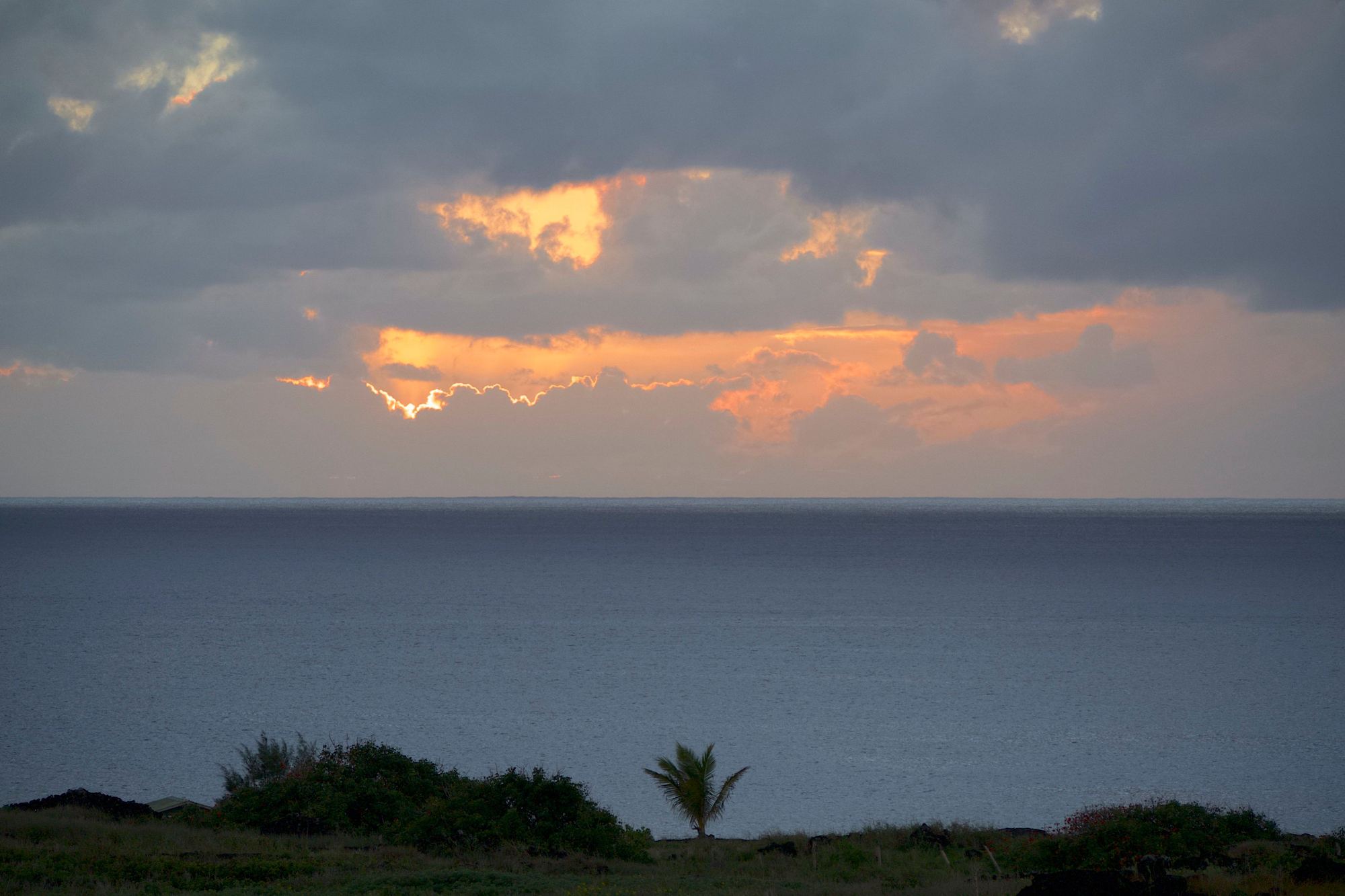
And, a few minutes later, we witnessed the sunrise. It was us, the little Jimny and a few horses.
.

To be continued.