Part 11: Bukhara, Uzbekistan
Hotel: Golden Bukhara boutique hotel, USD 45/night incl. breakfast
My accommodation, a small boutique hotel, was located just to the south of Bukhara's historical centre. It is a 20-25 minute taxi drive from the train station into town as the railway station isn't technically located in Bukhara itself, but in Kogon – the old Russian cantonment. This is because when the railways were constructed about a century or so ago the then Emir of Bukhara thought it was a devilish tool and banned it from his city – something which he apparently came to regret later.
The hotel was very nice, with good-looking rooms, a well-equipped bathroom and an overall friendly service.
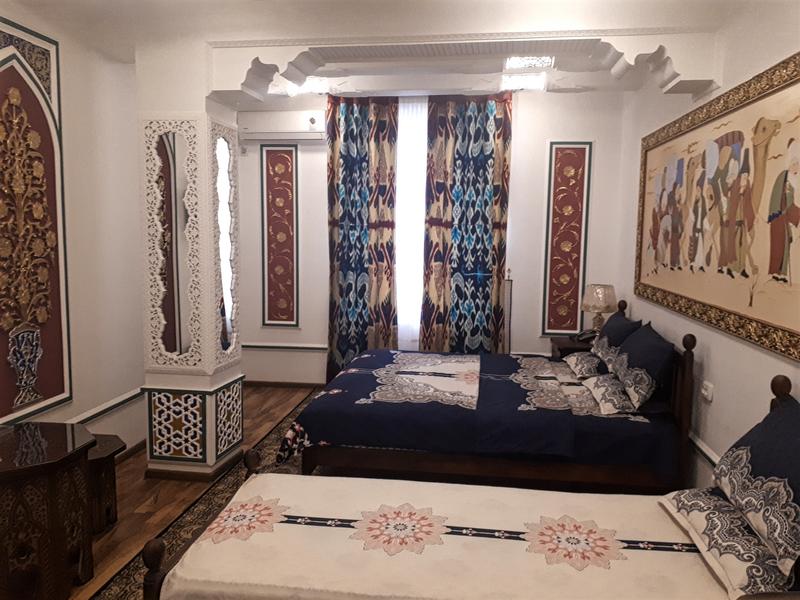
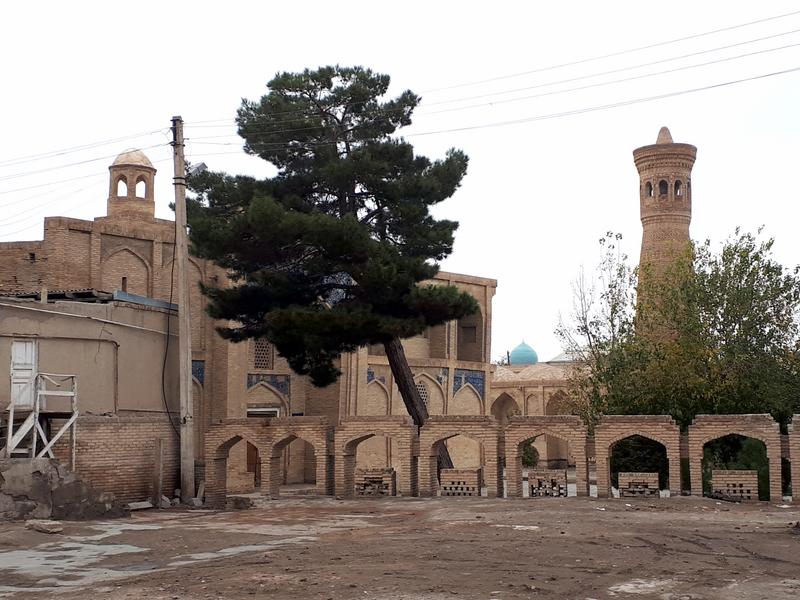
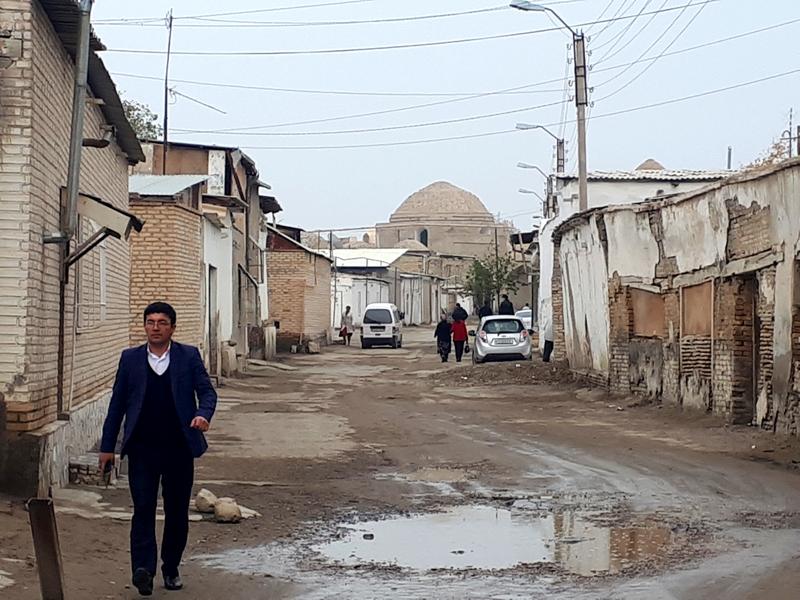
The only slight drawback to some might be the location, as it's a 15-20 minute walk to the heart of the city centre. I personally did not mind it as the walk to it goes through a lovely old neighbourhood full of abandoned, derelict madrassa's and other once grand buildings. Even if you are staying elsewhere in the city it is worth wandering a bit southwards from the city centre.
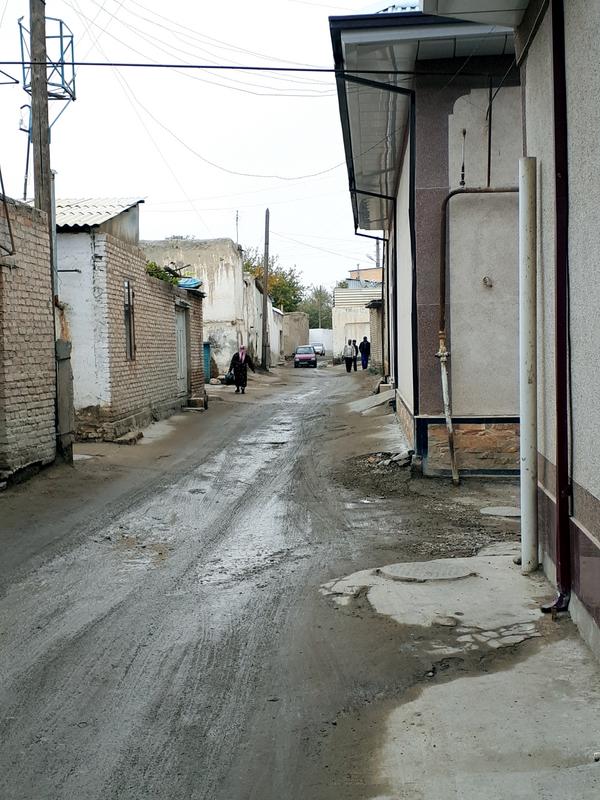
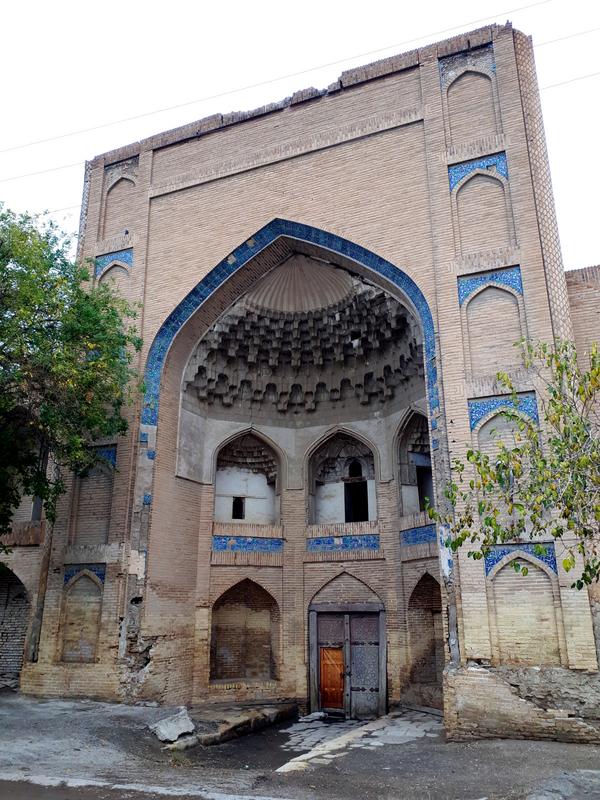

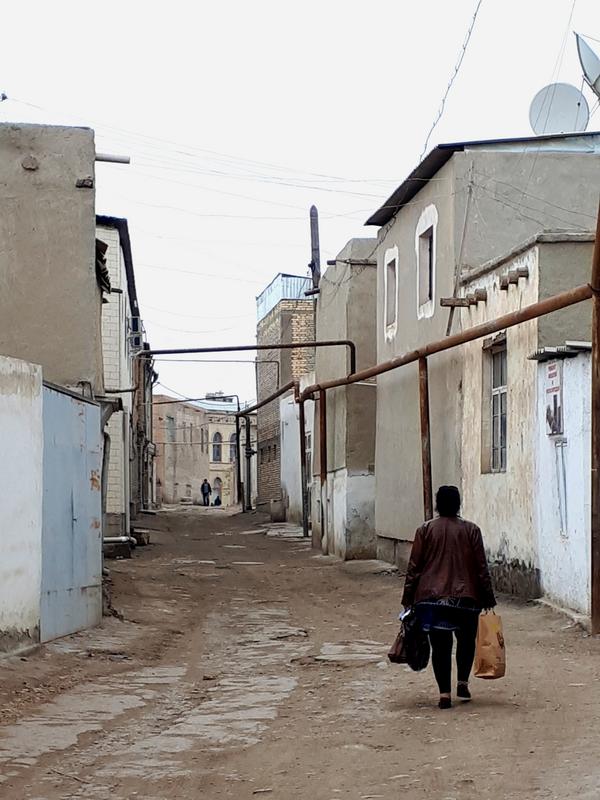
The first thing you can note when comparing Bukhara to Samarkand is how different the city feels. While some of the architecture of the main sights such as the mosques and madrassas of the city might be somewhat similar looking, Samarkand has a more worldly feel, while Bukhara feels more inward-looking. Given the more inhospitable surroundings of the desert, that doesn't come as a surprise. You see this back in the city. While Samarkand has more colour, is more modern and more spread out, Bukhara is very much centralised, with narrow, muddy streets and buildings all in the same brown colours. It really feels like you are stepping a century or two back in time compared to Samarkand and it is this general atmosphere what makes the city so special as you get a much better feel of the ancient Silk Road.
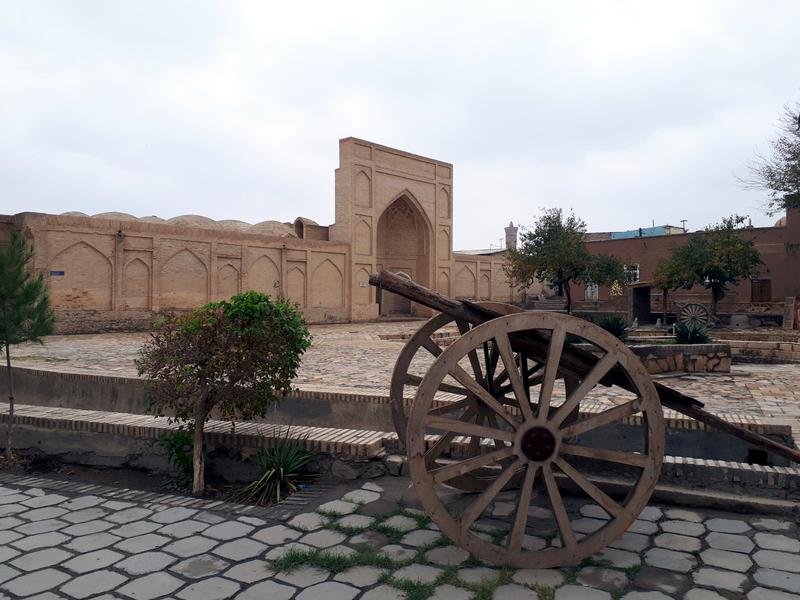
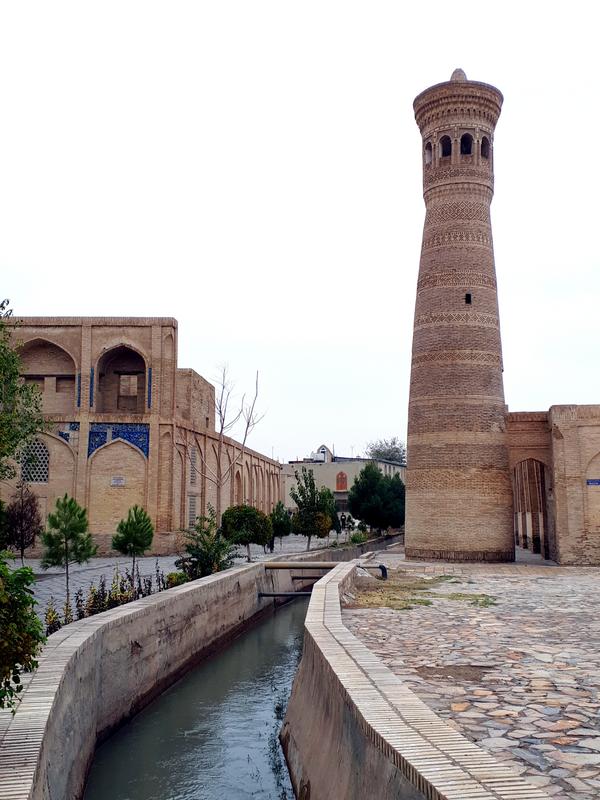
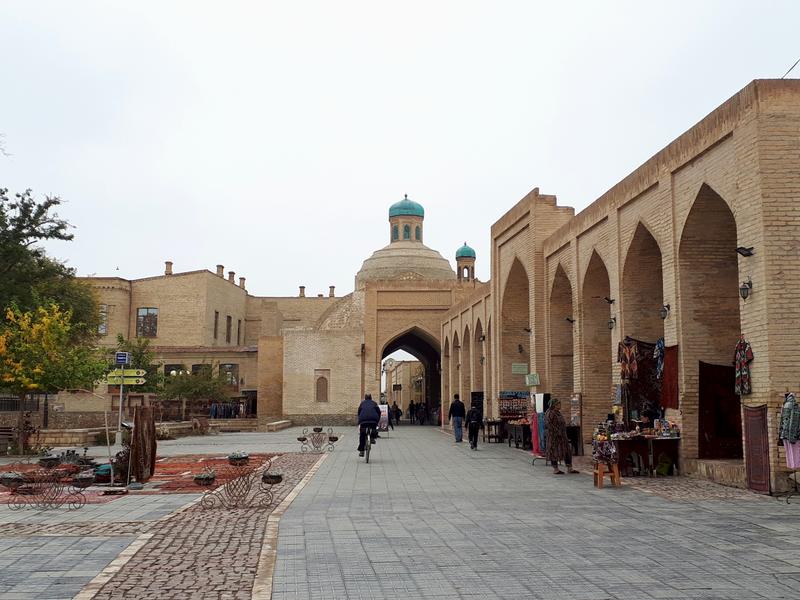
A small canal runs through the heart of the city centre of Bukhara. In this area are a number of bazaars and souvenir shops.
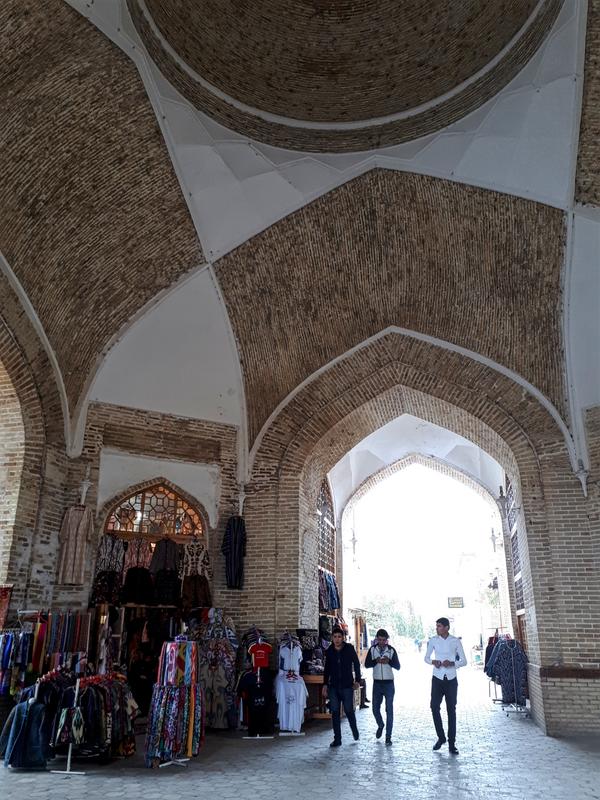
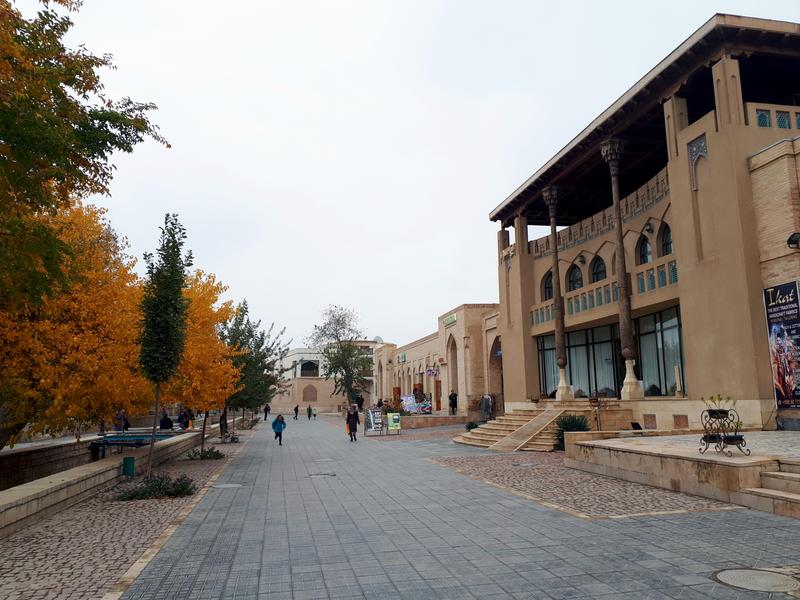
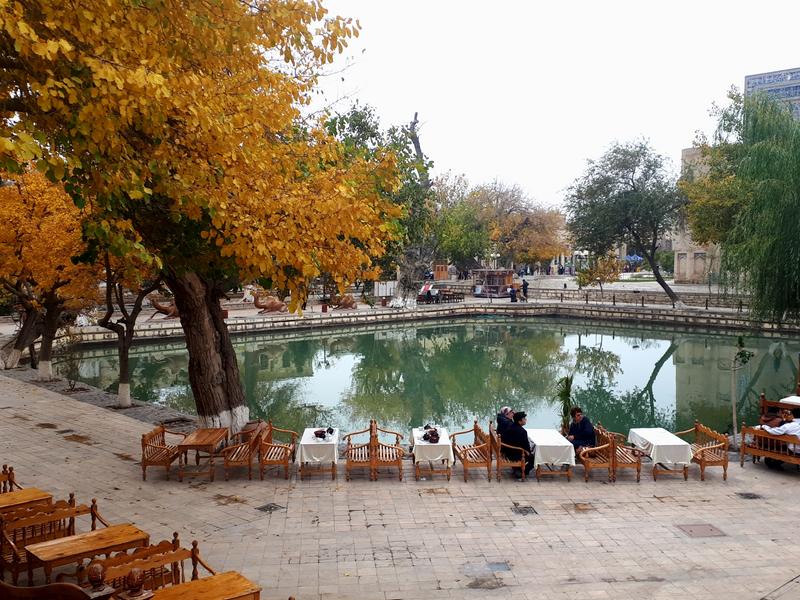
The exact centre of the city is the Lyabi-Hauz, a square built in the year 1620 around a pool. The city used to be known for its many pools and canals, but as the water wasn't changed often it also resulted in diseases such as the plague spreading fast around. When the Bolsheviks invaded they closed down many of the pools. Around the Lyabi-Hauz are a number of madrassas. While beautiful, they are less impressive than their counterparts in Samarkand.
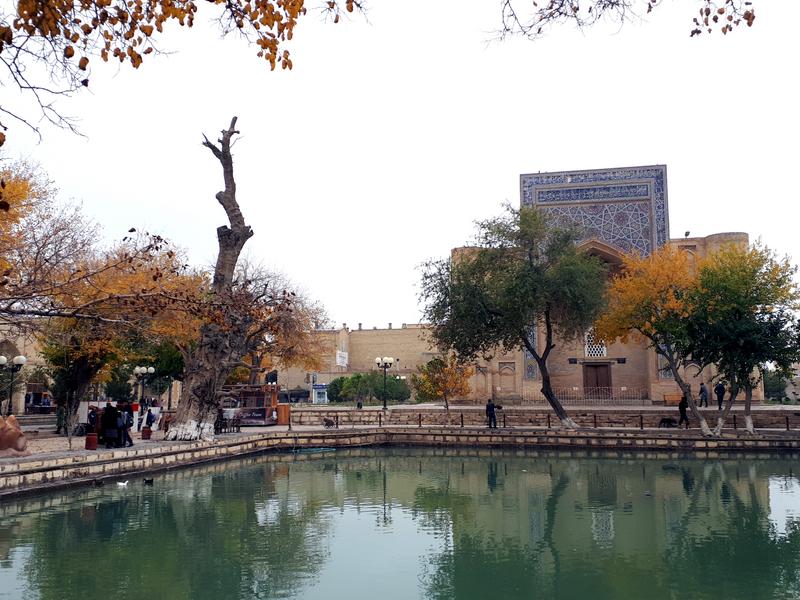
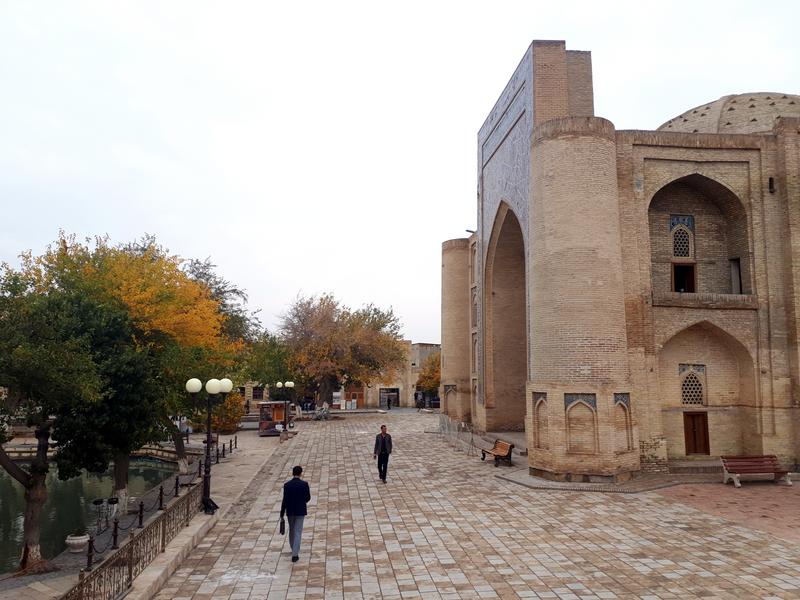
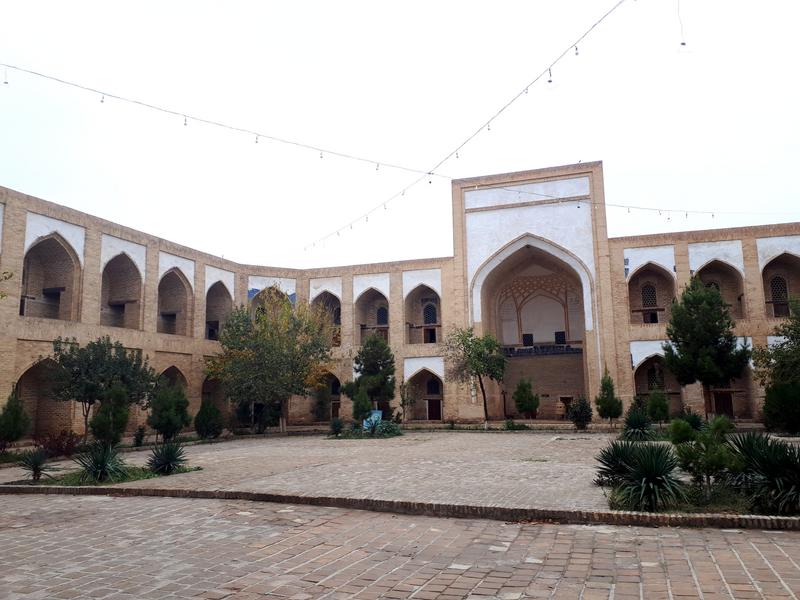
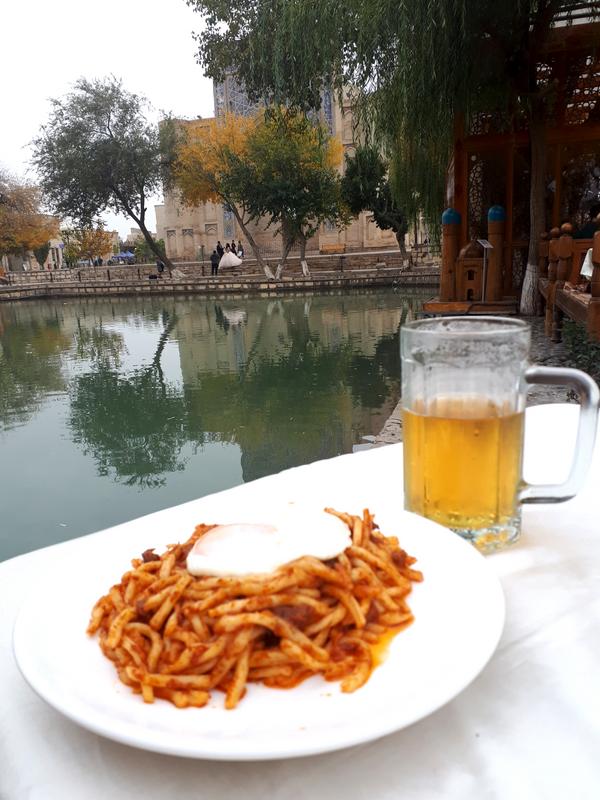
As I was getting hungry (and thirsty) it being lunchtime, I decided to sit at the only restaurant with open air seating right next to the Lyabi-Hauz pool as you simply can't beat the view. As the food and service also turned out to be excellent (and they had cheap draught beer) it became my to-go place for food in the next days.
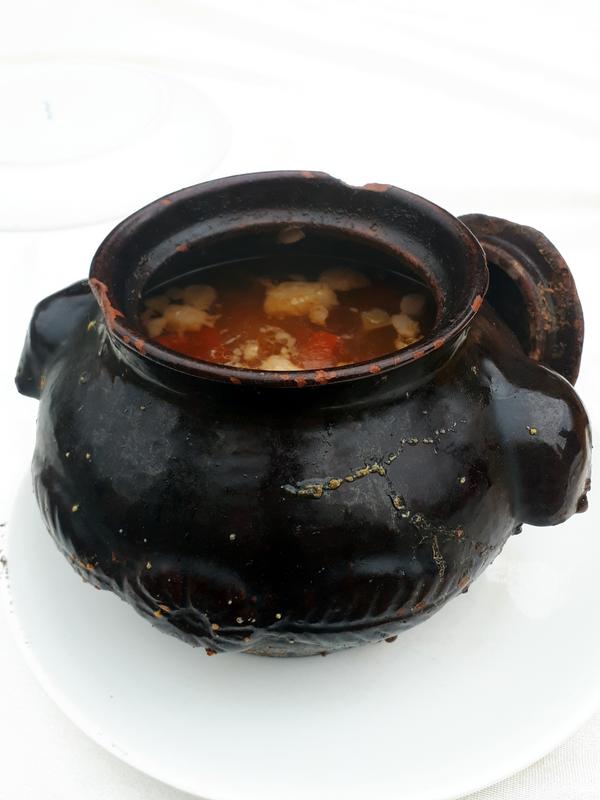
To start, I had a lovely Uzbek soup which was full of potatoes, meat and other stuff.
As a main, I had laghman, a dish of pulled noodles with meat and veggies. It is a Central Asian staple which probably came out of China (as native Turkic words apparently don't begin with the letter 'L' so it must be a loanword). The dish is however a bit of a mystery to me as for example here it was served more like a pasta and had an egg on top of it, but at other places the dish was served as a sort of soup in a bowl. I don't know if this has to do with regional varieties? Anyhow – it was for sure very tasty. And as with all meals, it was very inexpensive, with both dishes and two beers being around 6-7 USD.
I had some gorgeous company as well during the dinner.

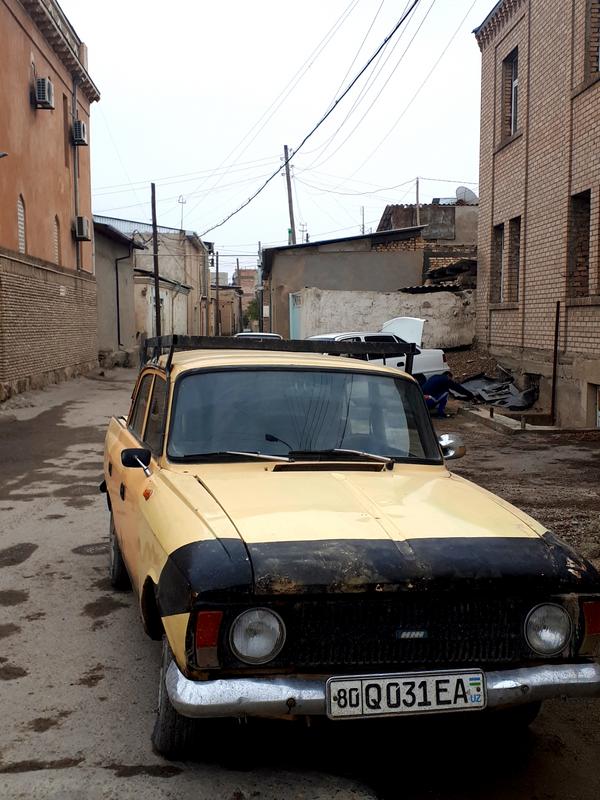
Next up I wandered through the streets to the north-east of Lyabi-Hauz towards the Char Minar, which means 'four minarets' in Tajik (both Samarkand and Bukhara used to be key Tajik cultural centres, and still Tajik is the most commonly spoken language in the city. Tajik for those who do not know it is a Persian language, while Uzbek is a Turkic language so they are quite different!). The Char Minar itself is the old gatehouse of an old madrassa that unfortunately has disappeared.

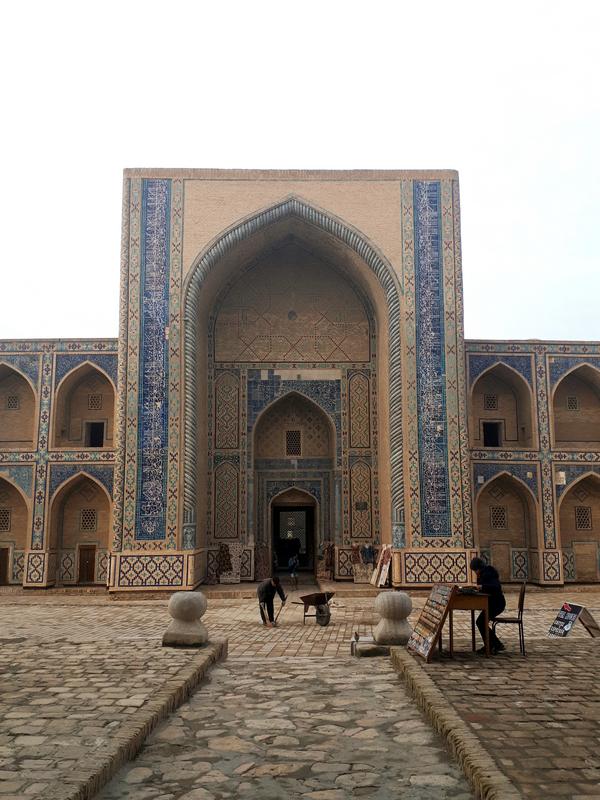
After the Char Minar I headed back to the centre again, where the first major sight was the Ulughbek madrassa.
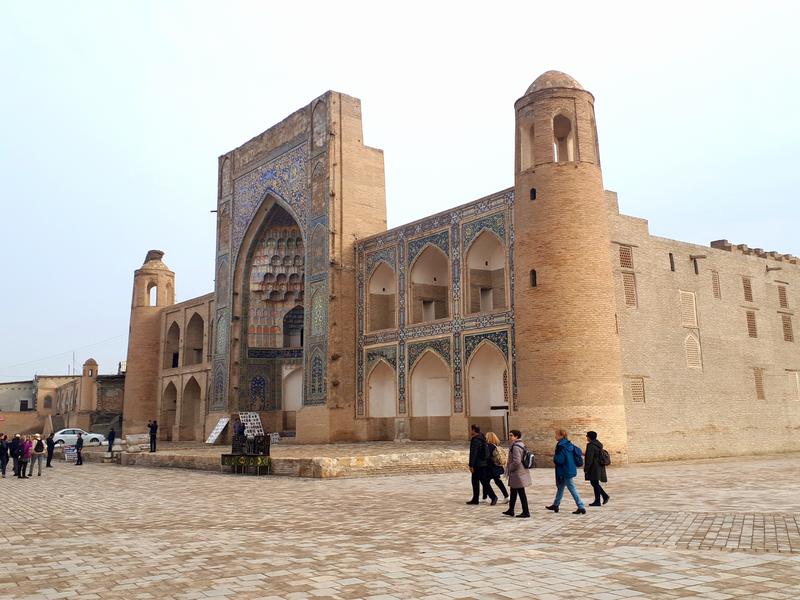
Directly opposite the building is the Abdul Aziz Khan madrassa built in 1652. Khan was a Astrakhanid leader who unlike the Sunni Muslims who would rule the city for most of its history was a Shiite. The building is therefore one of the few in which living beings are depicted on the frescoes – something which is forbidden in Sunni Islam.

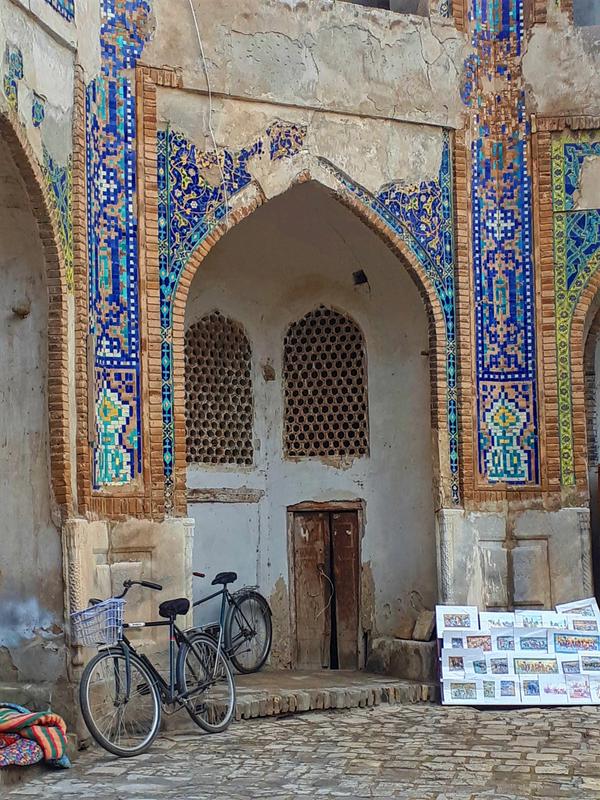
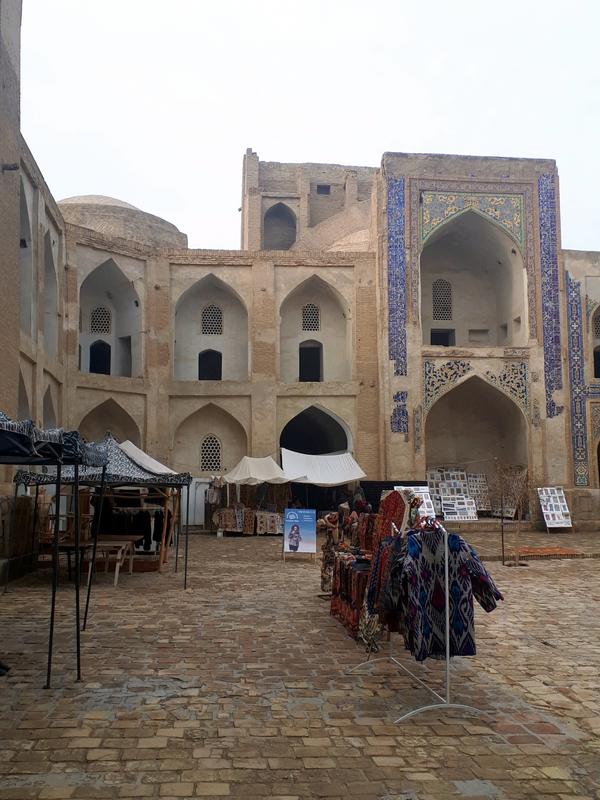
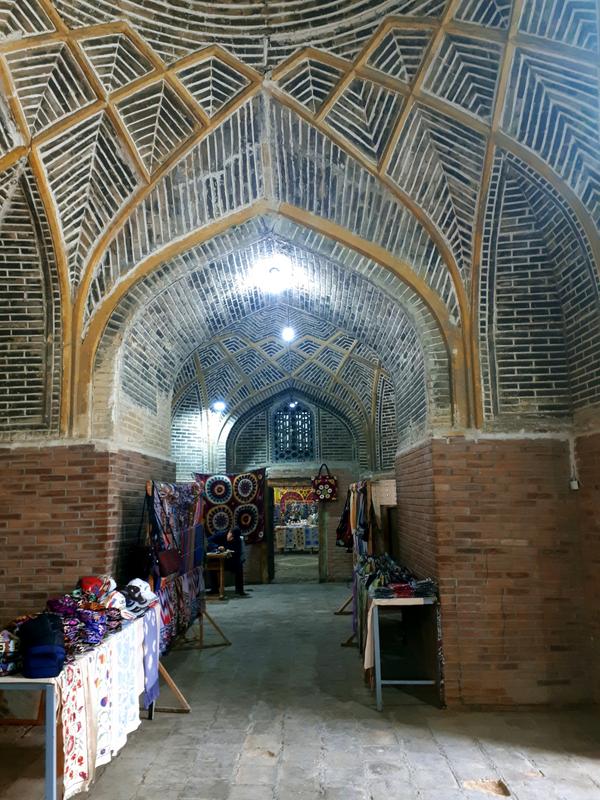
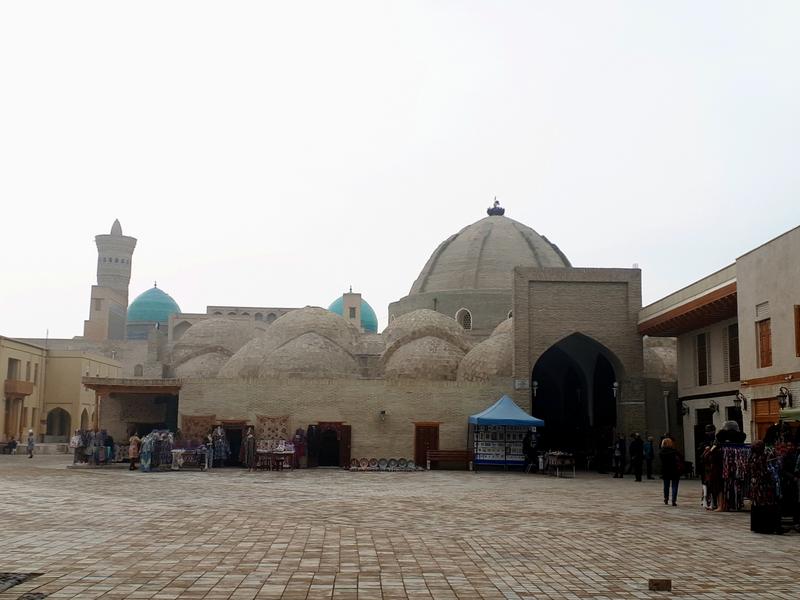
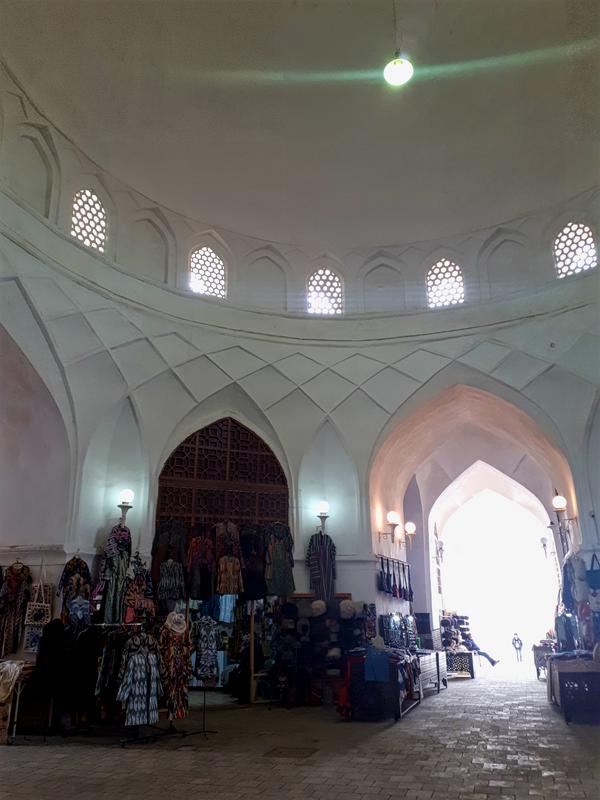
A stone-throw away from both madrassas is the Taqi Zargoron covered bazaar, which like the Lyabi-Hauz is also a focal point of the city to which you keep returning when exploring around town because its on a major crossroads of some pedestrian streets.
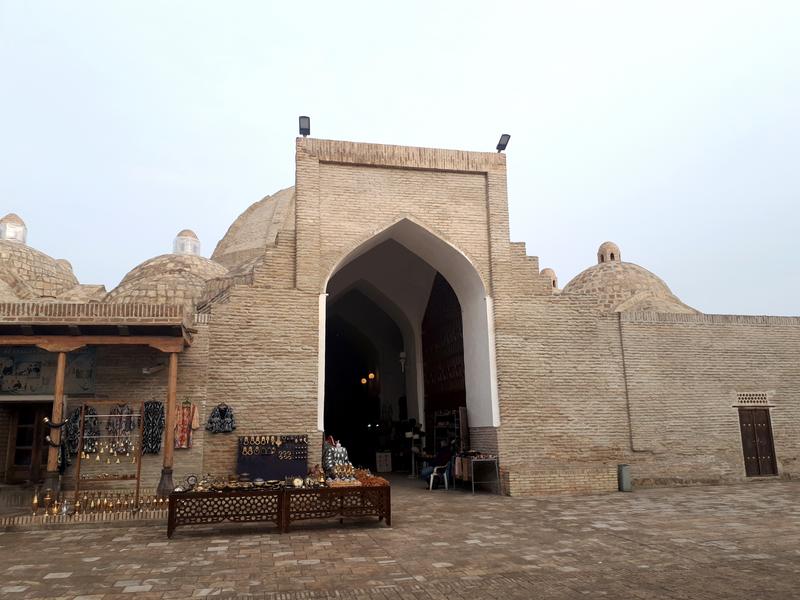
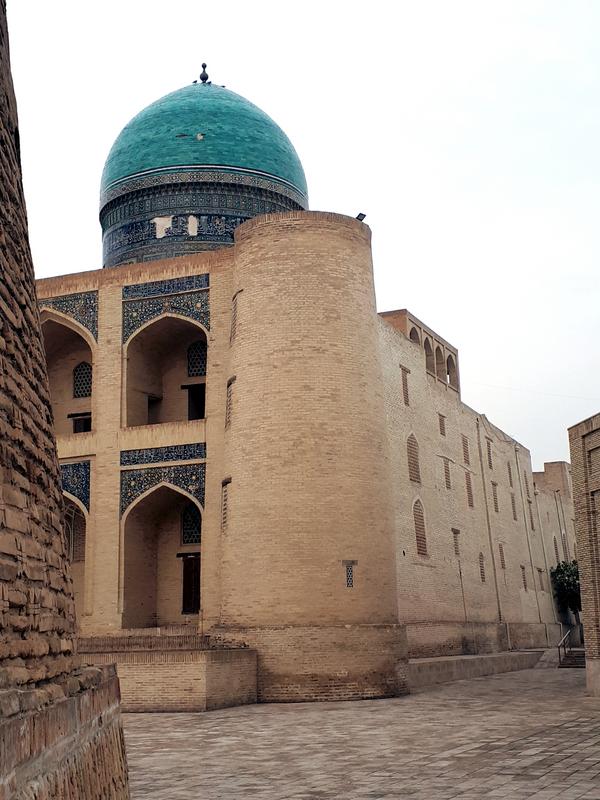
One of Bukhara's most beautiful buildings is the Mir-i-Arab madrassa from the 16th Century named after a Yemeni sheikh who had a strong influence over the then-ruler of Bukhara Ubaidullah Khan. Both of them are buried in the complex. Unfortunately, the complex is off-limits for tourists, although you can peak through the gate.

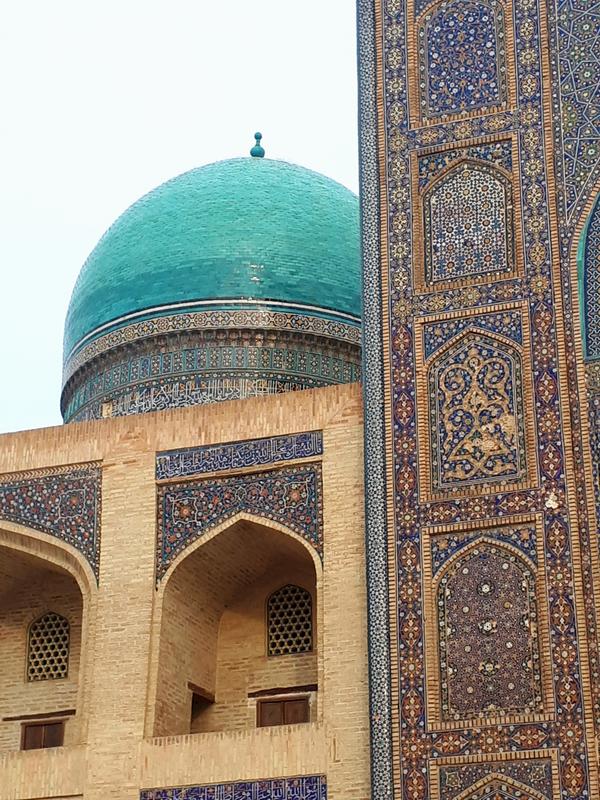
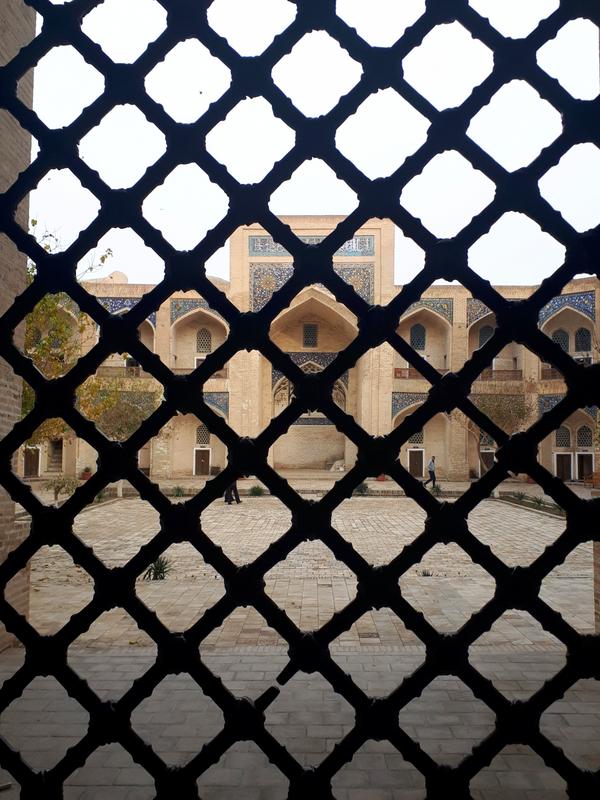
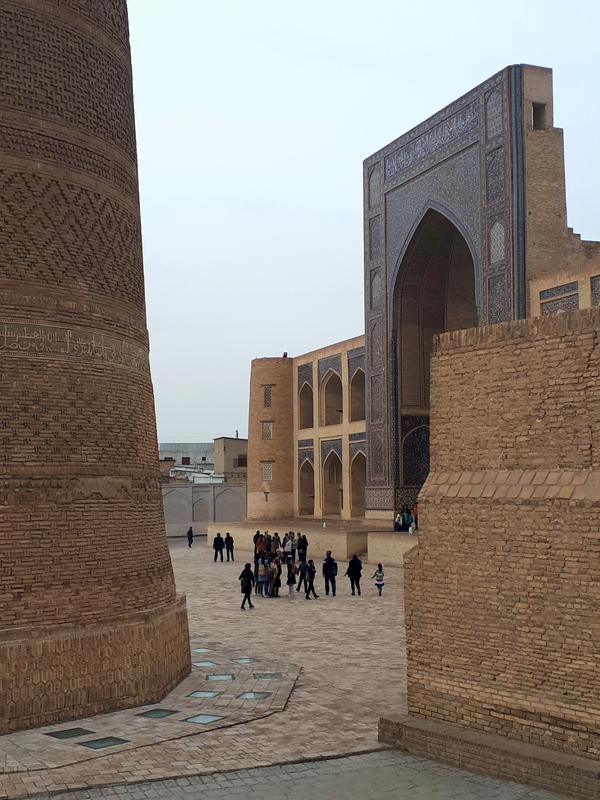
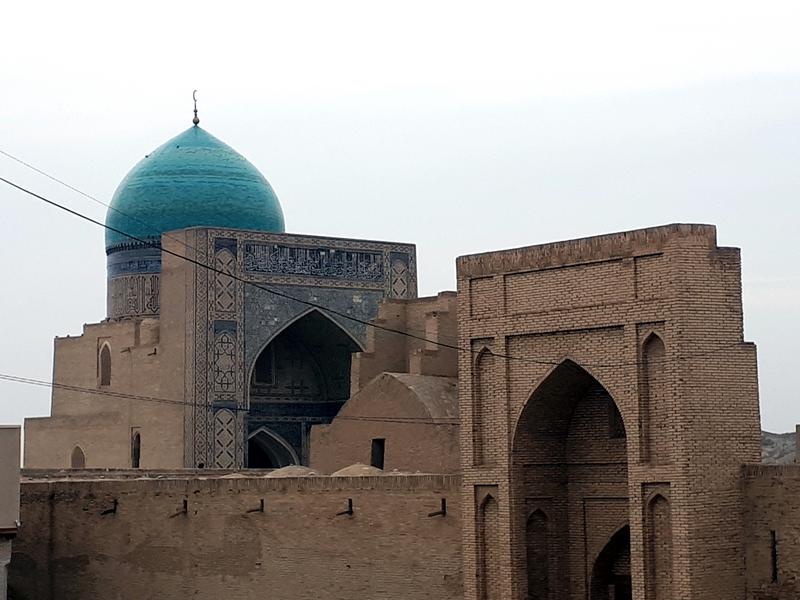
Fortunately, you can enter what is perhaps the most beautiful sight of Bukhara: Kalon Mosque and minaret. The mosque was rebuilt in the 16th Century was rebuilt after it was razed to the ground by no-one else than Genghis Khan. The great Mongol conqueror however ordered the 12th Century minaret to be spared as he was so impressed by it. The minaret is still the original as in all those centuries it only needed some minor cosmetic fixes. When the Soviets came to town it was closed again and used as a warehouse. Only at Uzbek independence did the mosque reopen. The front entrance is surprisingly modest compared to the beautiful surroundings once inside at the main courtyard.
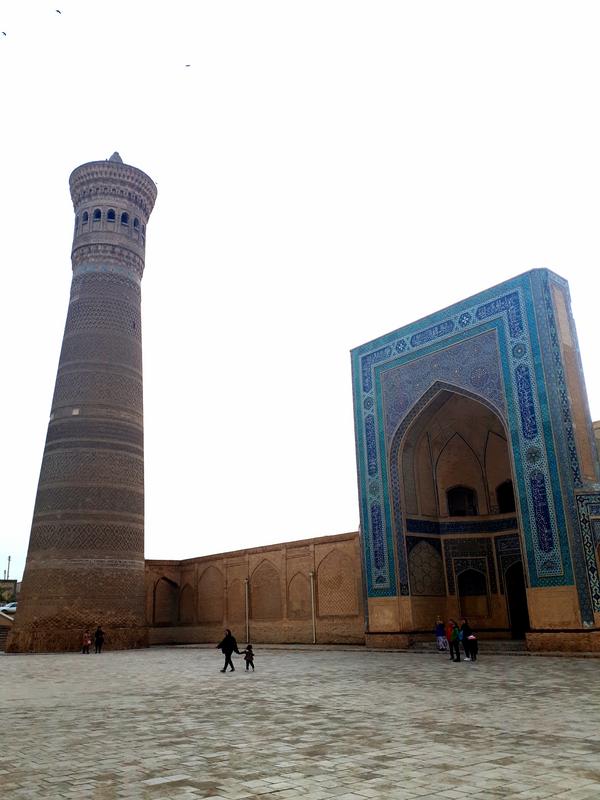
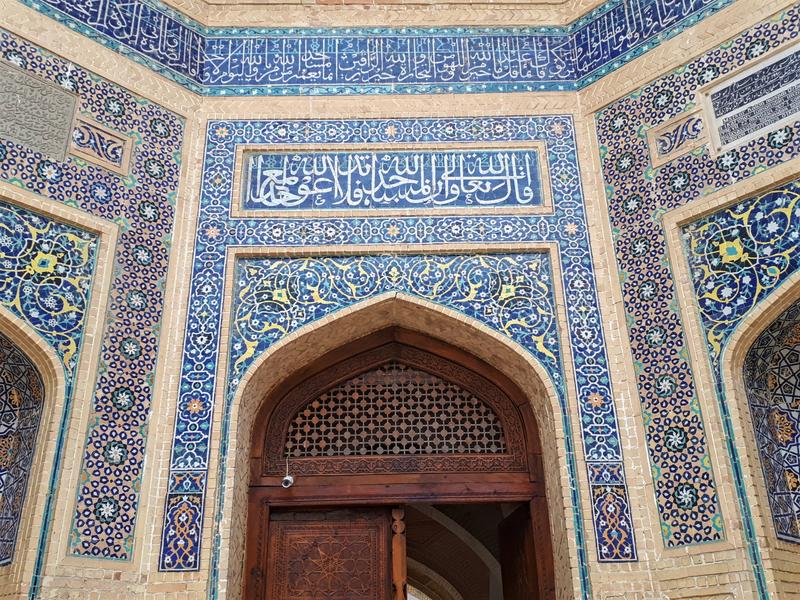
Once you are standing at the courtyard you face an impressive dome-topped building to the frond of you and a building with hundreds of white arches to your left (I presume a covered praying area).
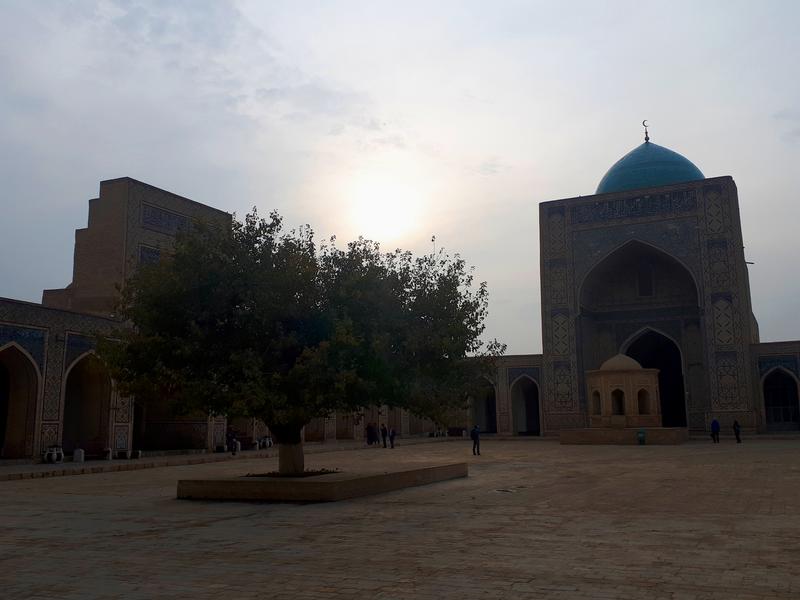

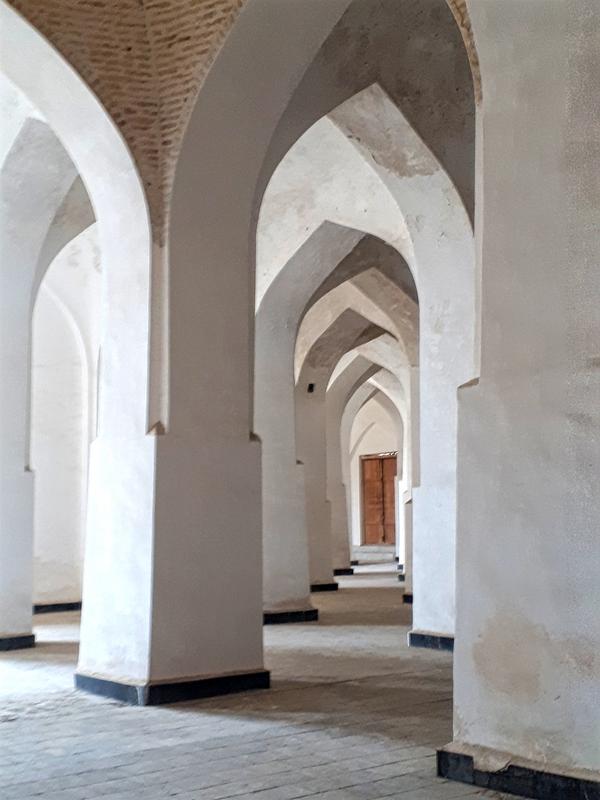
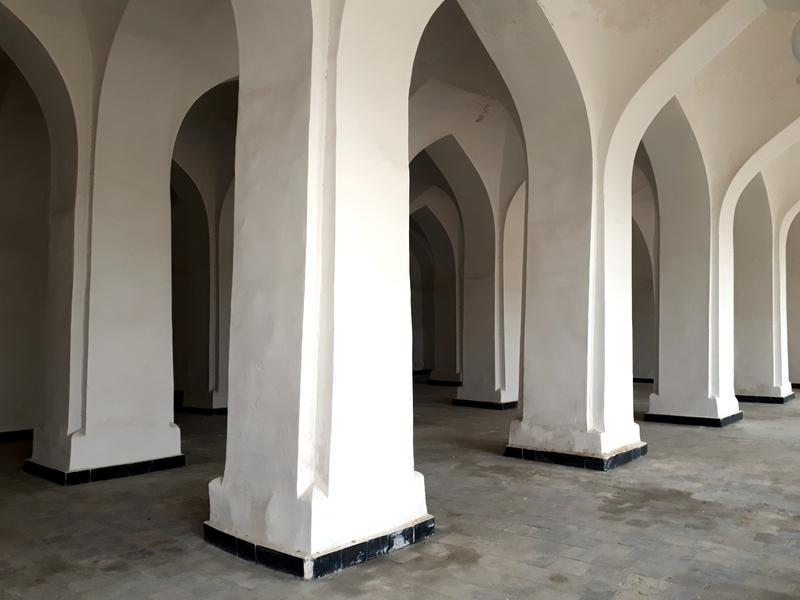
The mosque is amazingly beautiful and very photogenic so it pays off to wander around a bit to see every building and angle.
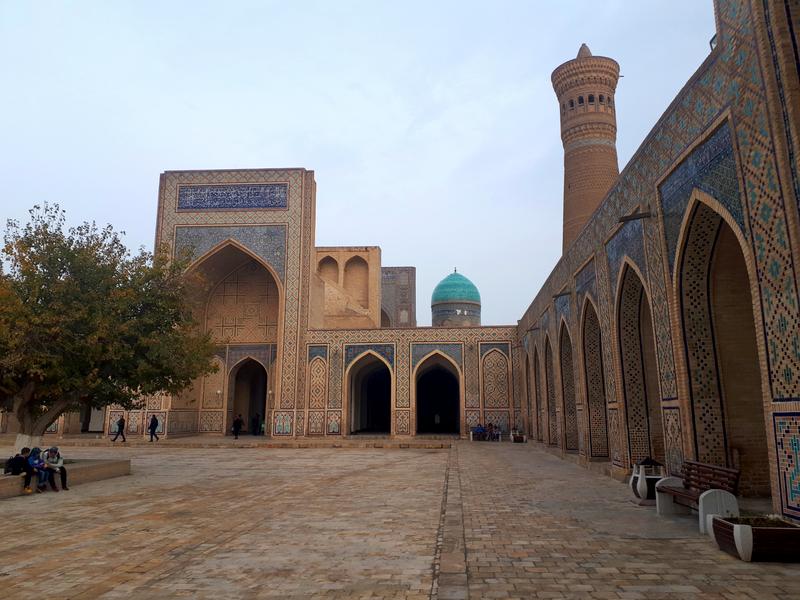
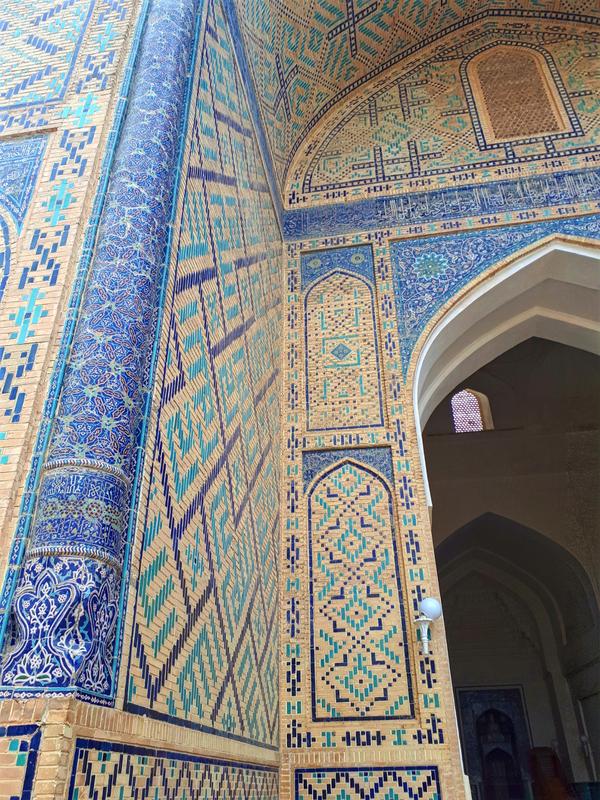

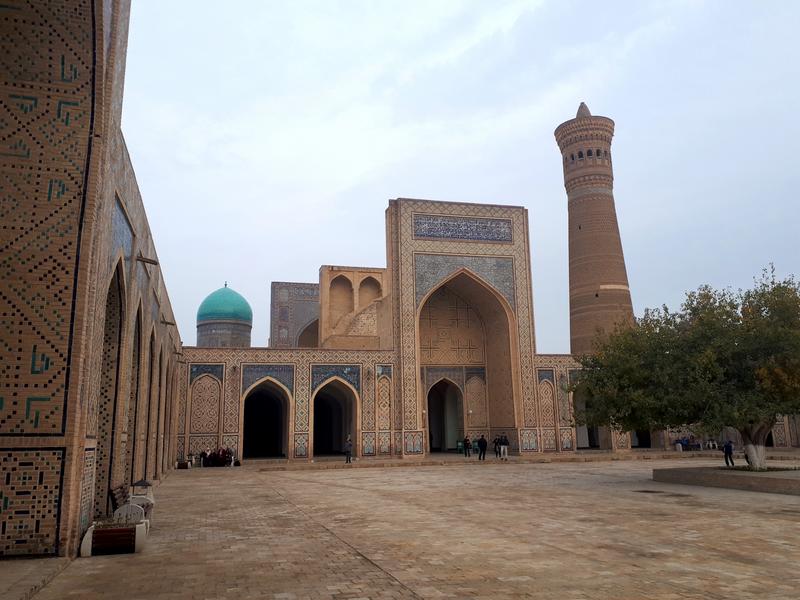
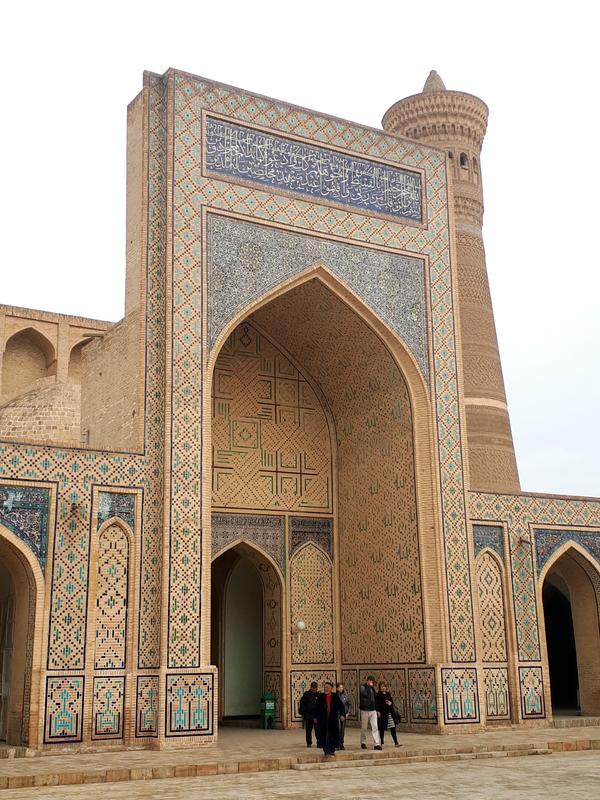

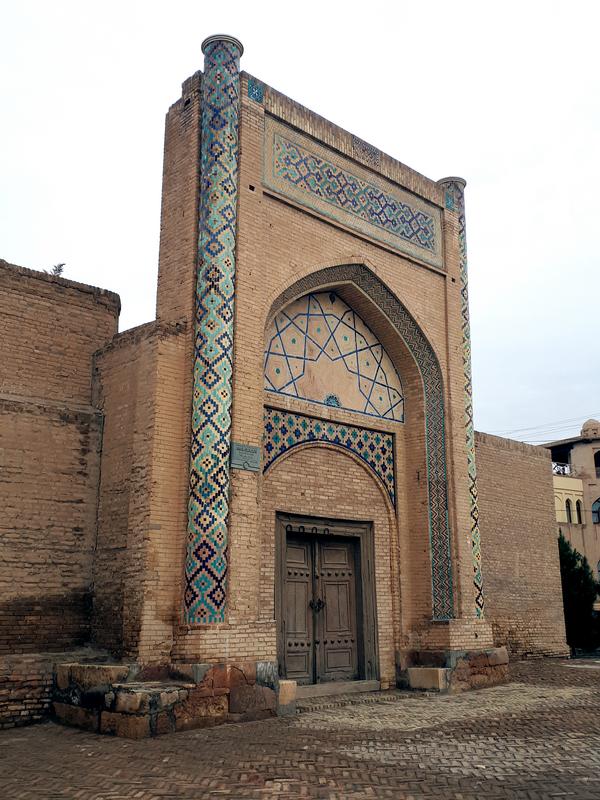
As the sun was slowly setting, I wandered a bit more around the picturesque streets around the Kalon Mosque.
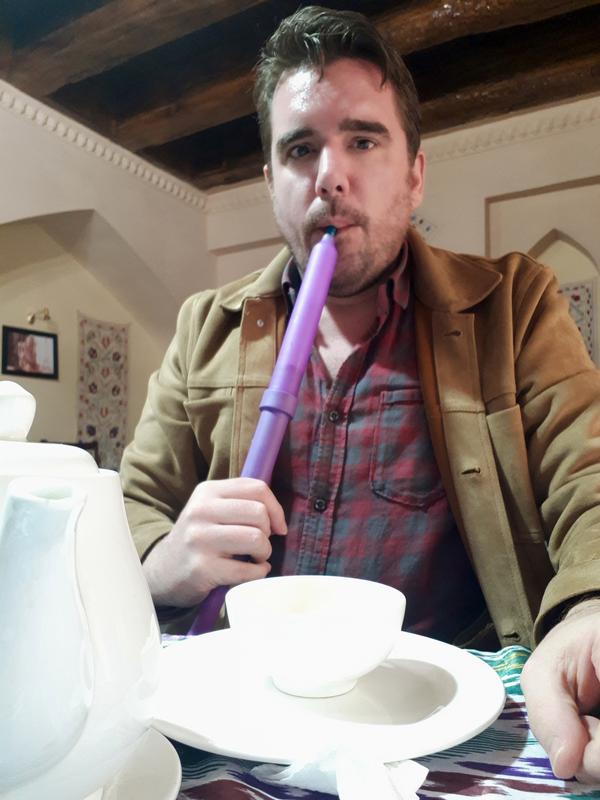
I ended a fantastic first day in Bukhara with another nice dinner (which I forgot to photograph!) and some well-deserved nargilah and tea after a long day of walking to fully stay in oriental spheres.
 Next up: day two in Bukhara, including a visit to the Ark fortress