Driving in France is relatively easy. I think you've got the challenges backwards, though; the major highways ("autoroutes") are easy, lesser highways (N and D routes) are a little more challenging.
Navigation was sometimes challenging for non-Francophones in the days before GPS, as French place names tend to be long, hyphenated, and polysyllabic. Nowadays your challenge will be to figure out what French place name your phone just mangled. I switched mine to French when I was in Quebec just so I could understand the street and place names, but that won't help you if you don't understand French.
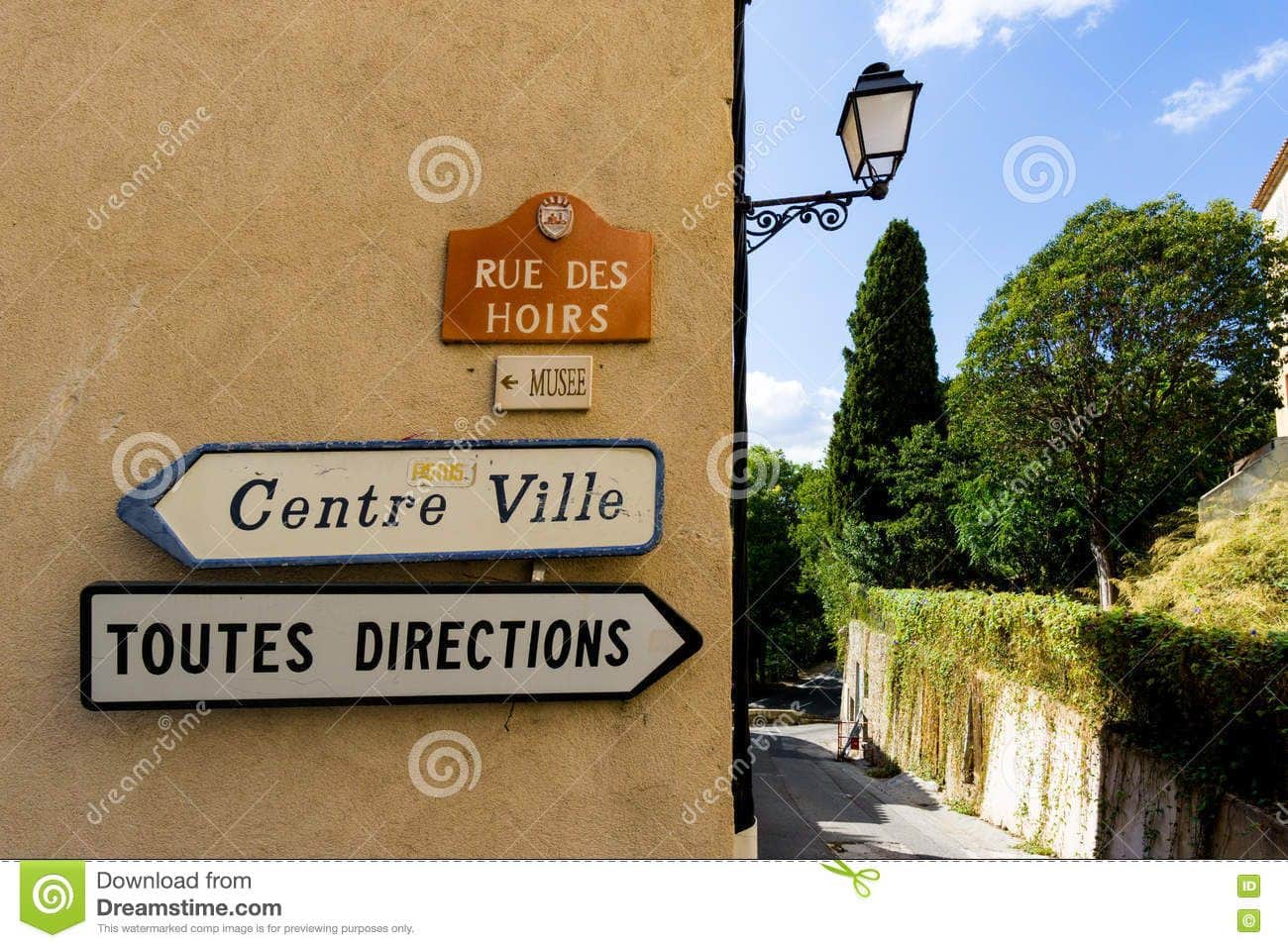
Be sure you know how to read international traffic signs. Directional arrows on signs pointing to destinations can be confusing; instead of using down arrows for "straight ahead", they use a horizontal arrow pointing left on a sign that's angled away from you. You'll soon get the hang of this but it's not obvious at first glance. Signs labeled "Toutes Directions" ("All Directions") direct you to a place from which you can go in any direction including wherever you're coming from, so those mysterious signs actually do make sense.
Be aware of the
priorité à droite rule. If you aren't on a "priority" road (indicated by a yellow diamond sign), traffic entering from the right has the right of way.
Obey the speed limit. Enforcement is strict and can cost a bundle.
Don't drive after drinking. The limit is 0.5 mg/ml. One drink can put you over that if you're small.
Stay in the right-hand lane of autoroutes unless you're passing.
Nice is
in Provence. If you're exploring other parts of Provence from Nice, you'll have to cross some mountain passes to get there. It's trivial on the autoroute and, if you're at all accustomed to mountain driving, easy enough on the smaller roads.