Part 5: A day in Medan + night bus to Pekanbaru
Here is my place to sleep for a night in Medan, named "Amelia 2 Guest House". Located in Medan's outer ring road, it's quite distant from Medan's city centre but easy to access from the airport by public bus. Reservation can be done through Booking.com or other webs. It's very cheap: a room with air conditioner and private bathroom costs IDR 150,000 per night. Free Wi-fi is also available with great speed.
If it's "Amelia 2", is there "Amelia 1"?. Yes, there is. "Amelia 1" is actually closer to Kuala Namu Airport, but without public transport options from the airport except taxis.


During my stay, I found a new friend. A Western, but I forgot to ask his origin. While Medan has less tourism sights, it's a starting point for many travelers to explore other places in Northern Sumatra (Lake Toba, Mount Sibayak, Leuser, Bukit Lawang, etc).
Then I started a short city tour of Medan. Populated by 2,5 million people, it's currently the 4th largest city (in terms of population) in Indonesia and the 1st in Sumatra. It's also the capital of North Sumatra Province, a province where Lake Toba, Mount Sibayak, and Nias Island are located.

Monument of Guru Patimpus, the founder of Medan in 16th century.

Medan's central post office, built during Dutch colonial era.

Medan Railway Station. Also built by Dutch. The express trains from Kuala Namu Airport terminate here. It also serves intercity trains to other cities in North Sumatra (Binjai, Tebing Tinggi, Tanjung Balai, Rantau Parapat, and Siantar).


Masjid Raya, Medan's central mosque. It has a blend of European, Moorish, Indian, and Malay architecture.

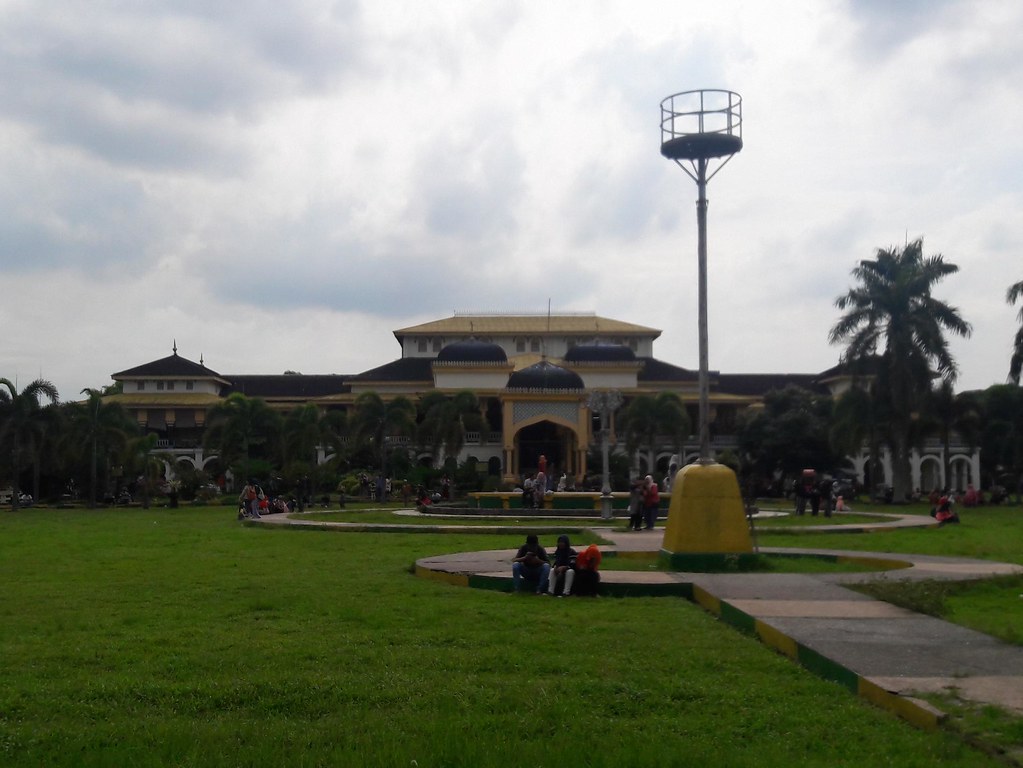
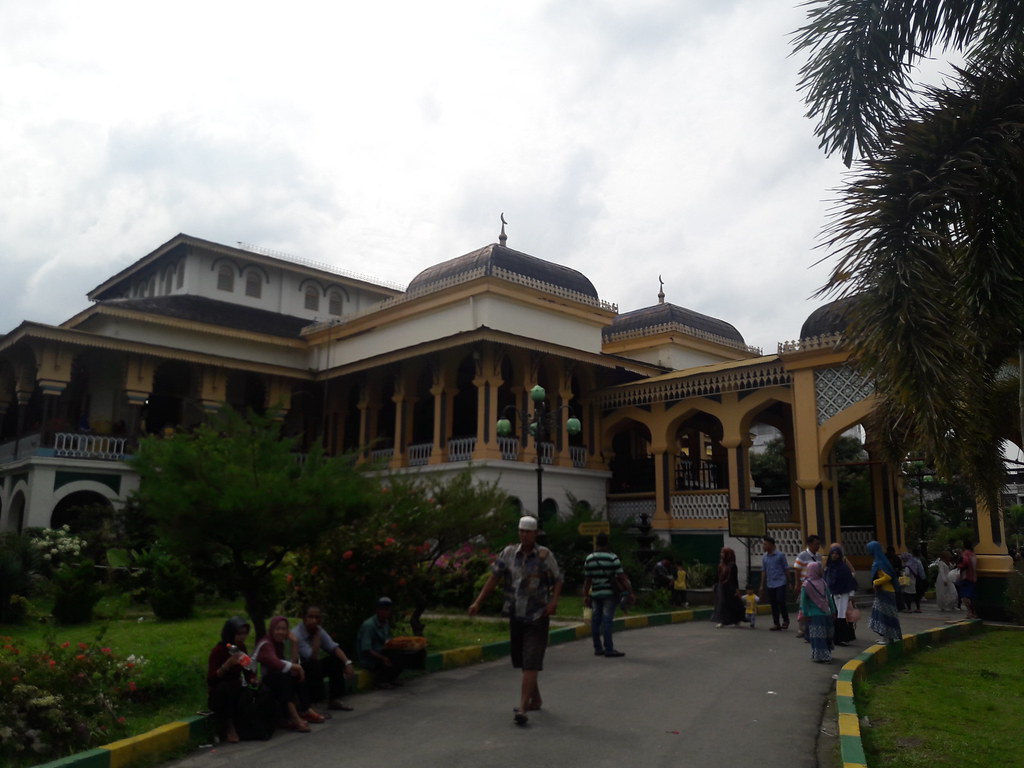
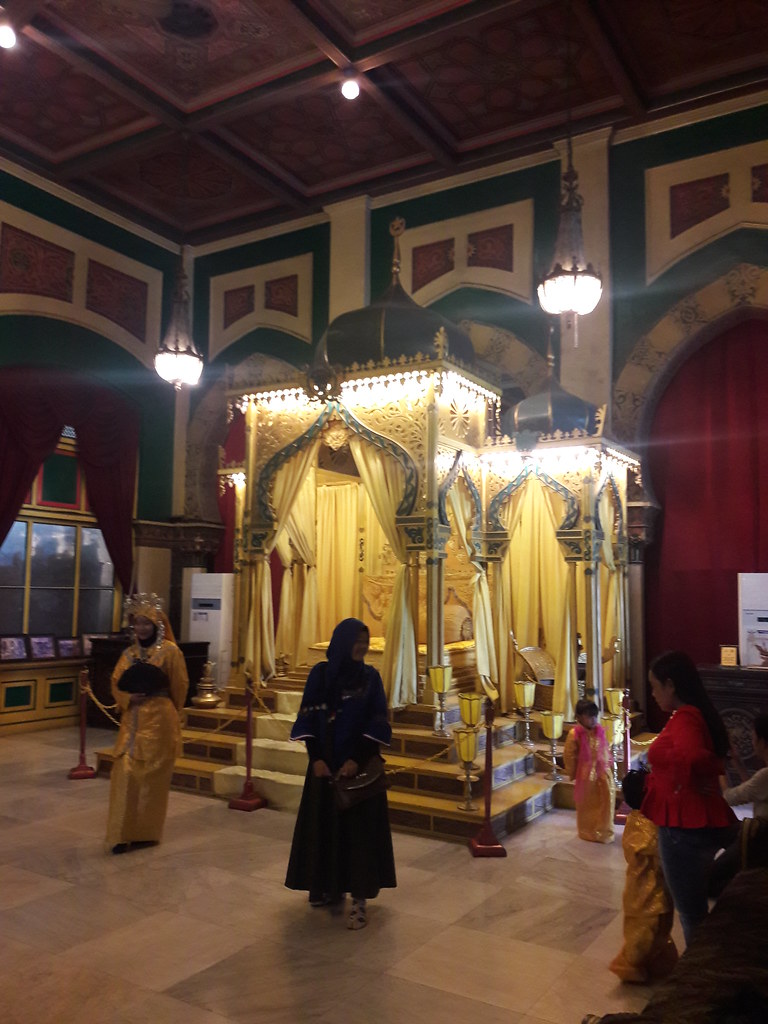
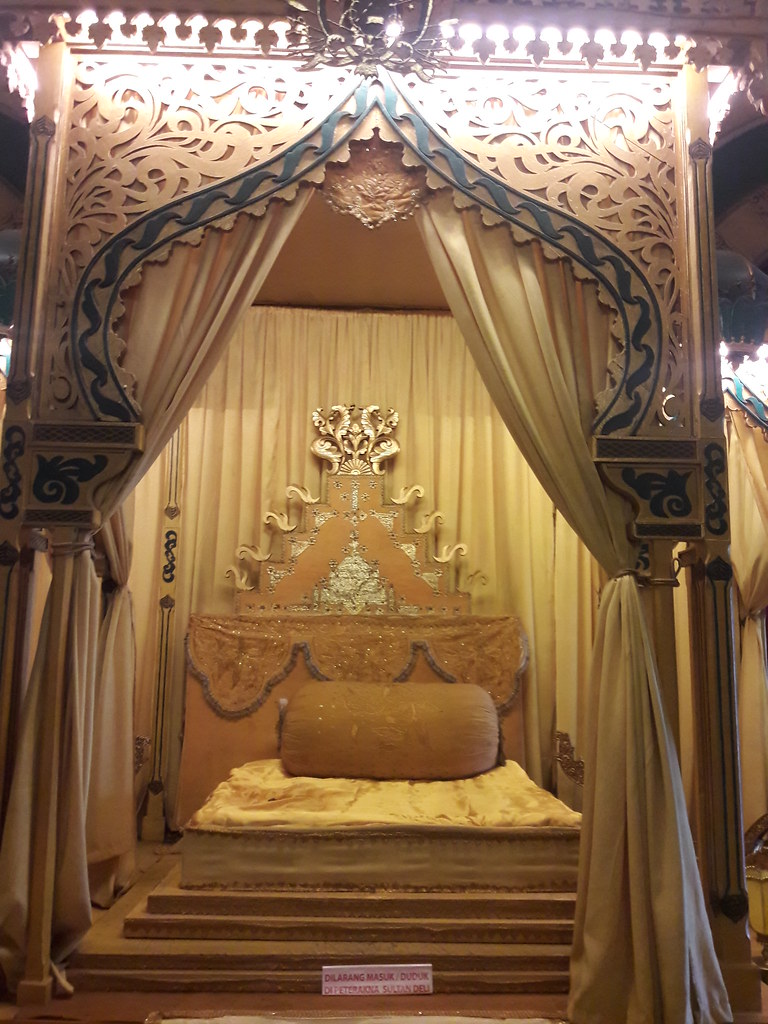
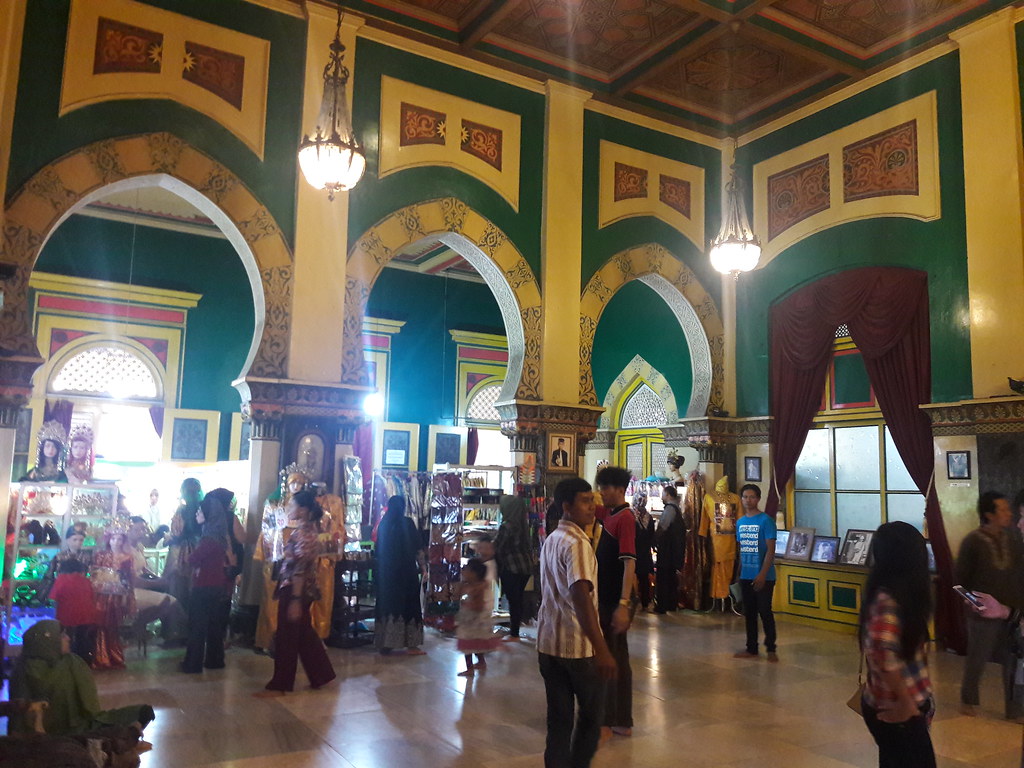
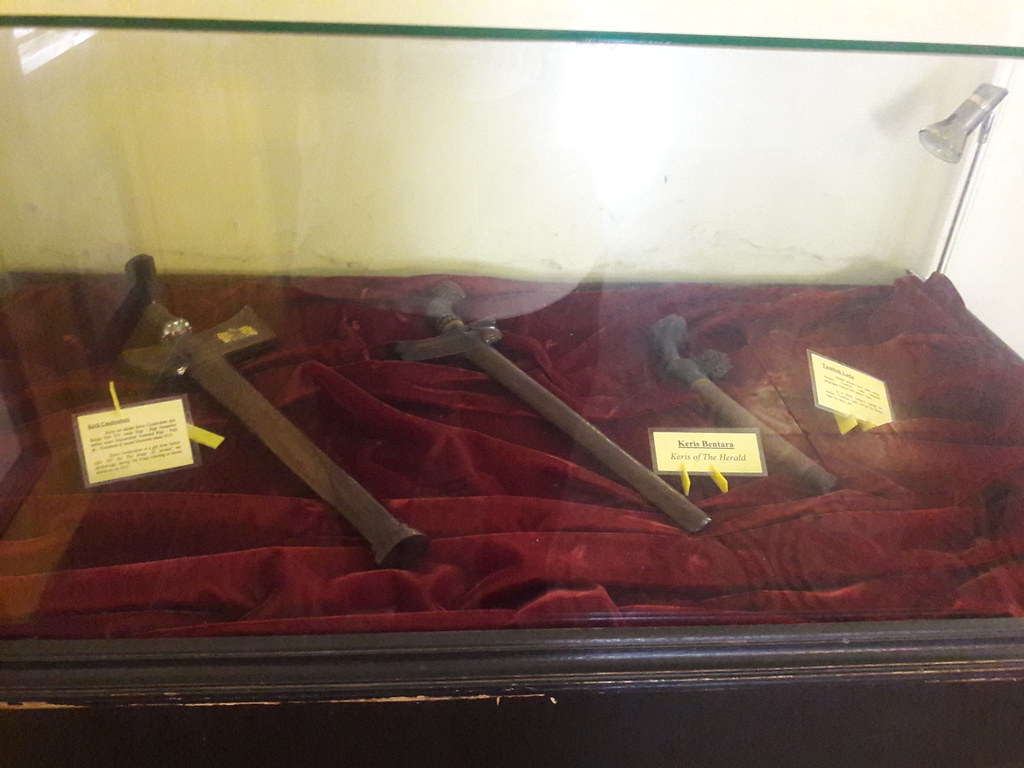
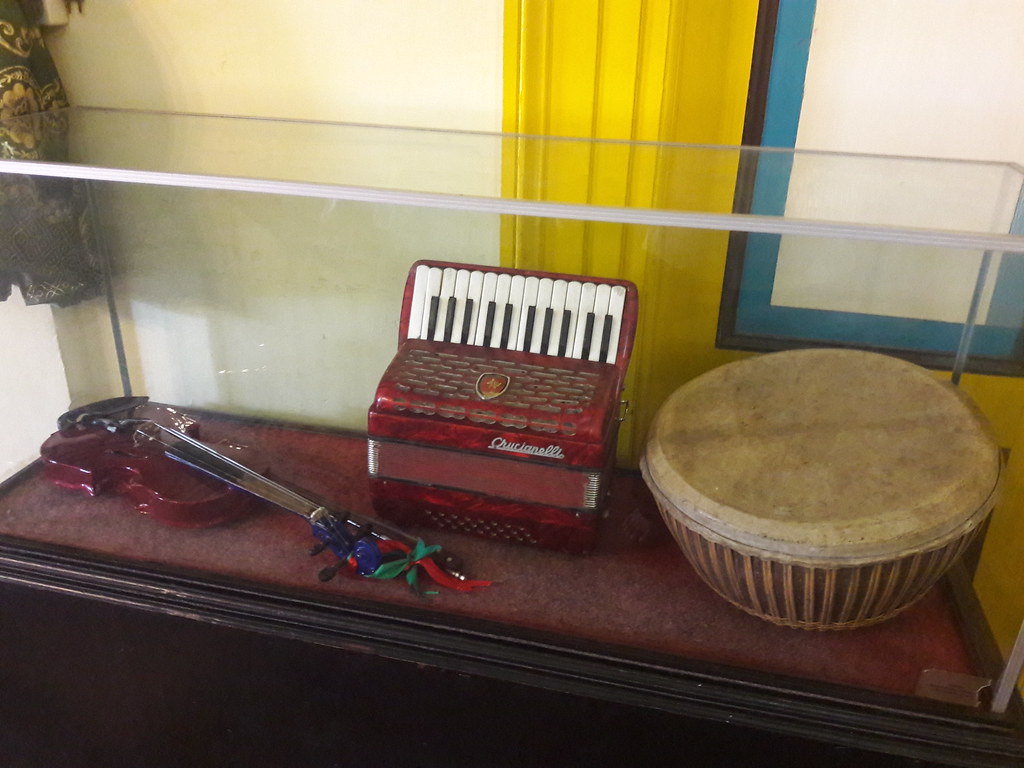
Close to the mosque is Istana Maimun, a royal palace of Deli Sultanate. While the sultanate currently doesn't have political power, it's still respected by native Malay population. The palace also exhibits Malay cultural assets, especially the "keris" and musical instruments.
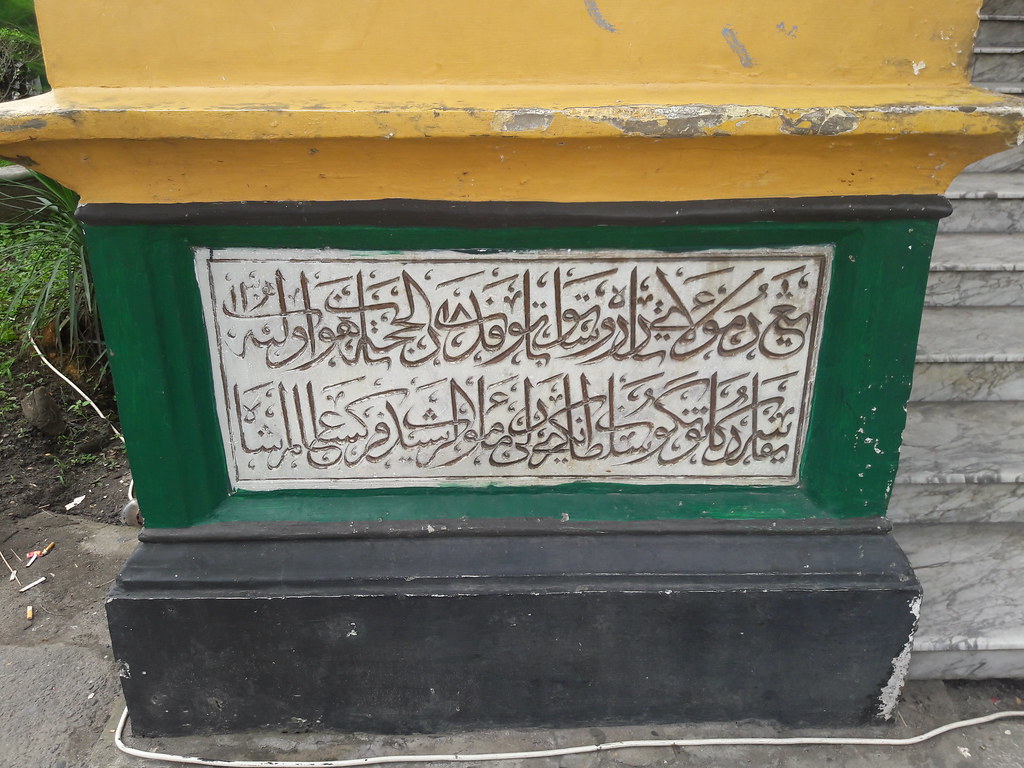
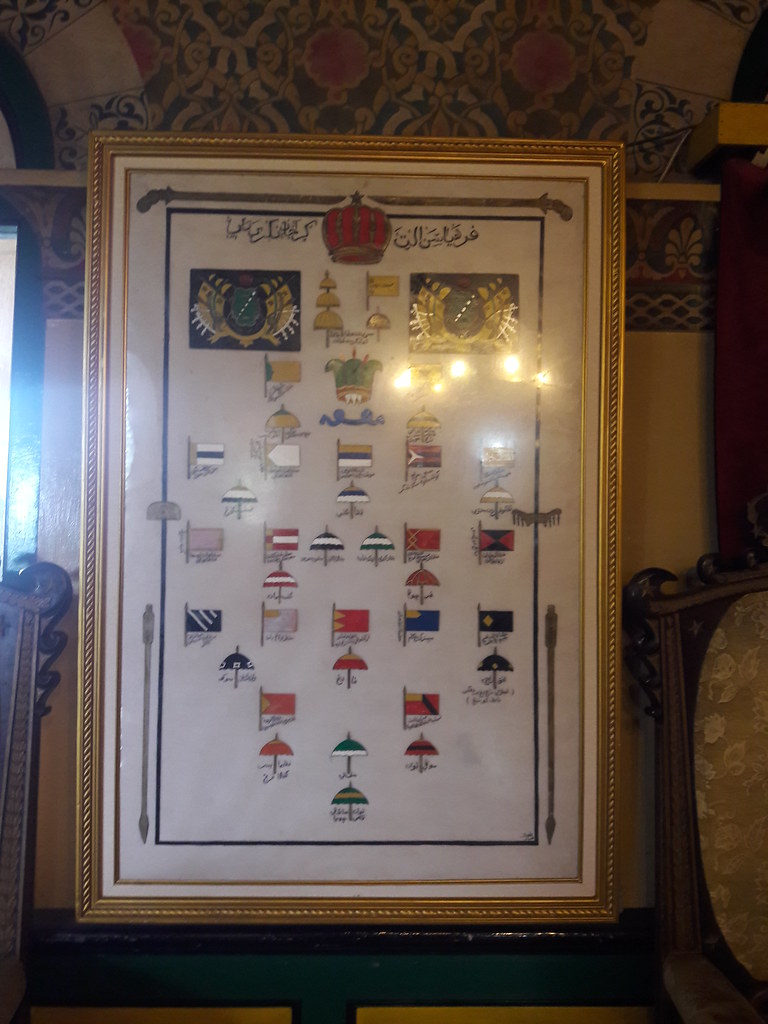
Anyone can read these "Jawi" (Malay-Arabic) scripts? "Jawi" was mainly used to write Malay language before the introduction of Latin alphabet that is currently used in Malay Archipelago, while "Jawi" is currently officially used in Brunei and Kelantan, Malaysia.
Royal throne.
The "keris".
Malay musical instruments.
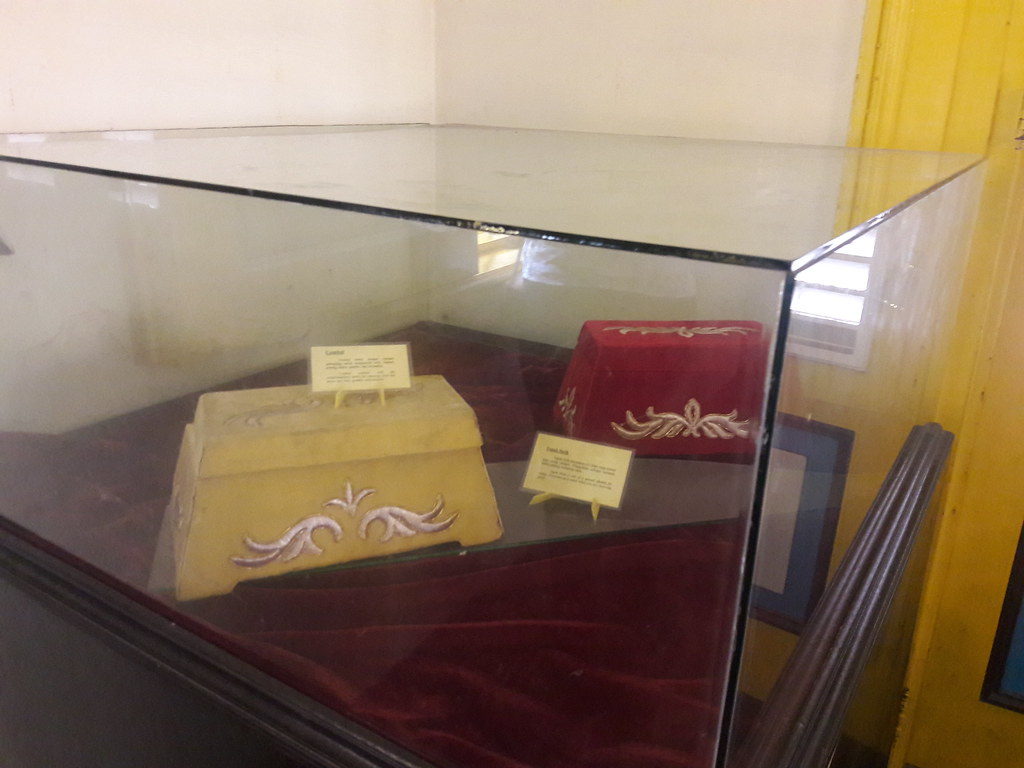
"Tepak sirih", a traditional tool to place "sirih" (betel leaves).
Current Sultan of Deli, Sultan Lamanjiji Perkasa Alam. Very young, less than 17 y.o.

His father, the late Sultan Oteman "Tito" Mahmud. A member of Indonesian National Air Force, he died during the military operation in Aceh resulted by plane accident.

Previous Deli Sultans meeting national leaders, including Soekarno (1st Indonesian president) and Jawaharlal Nehru from India. Talking about India, a legend said that the name "Deli" was derived from Delhi, Indian capital. But I'm not sure it's the true story.

After exploring the palace, I chose to explore Medan's unforgettable thing: FOODS.
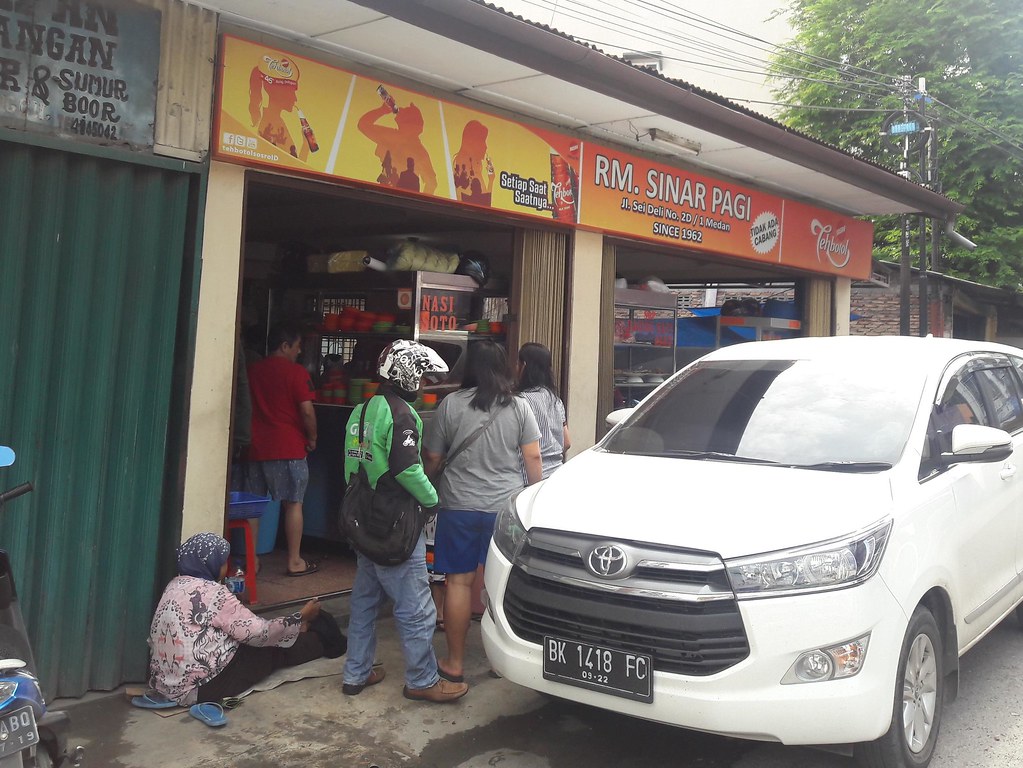
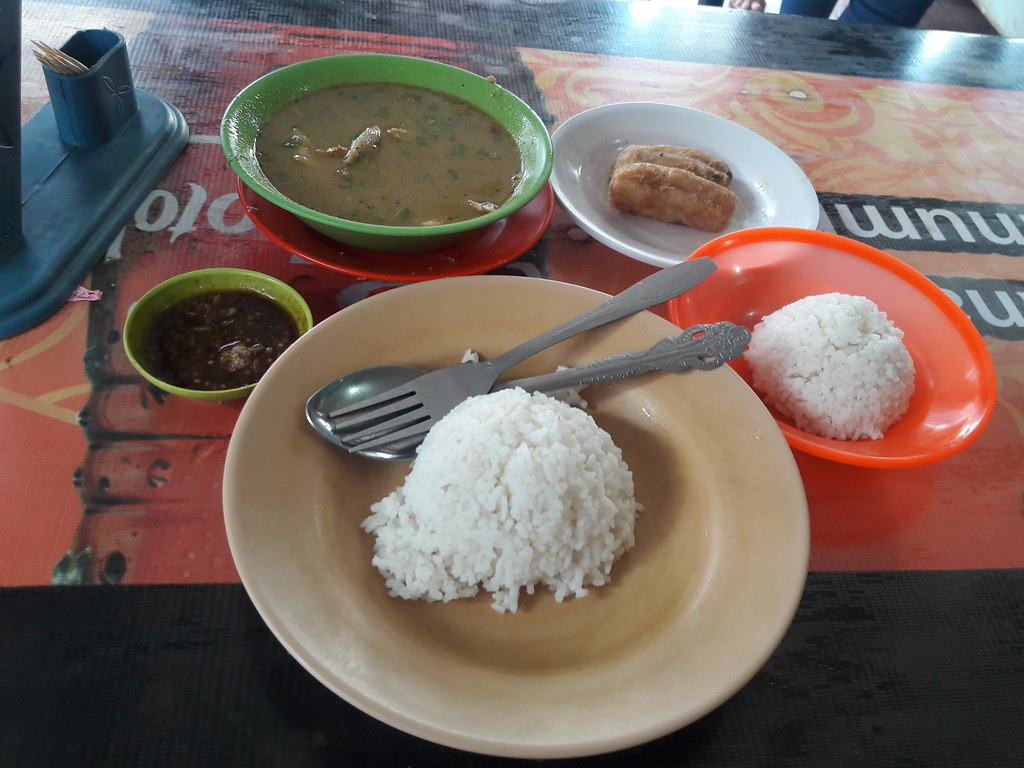
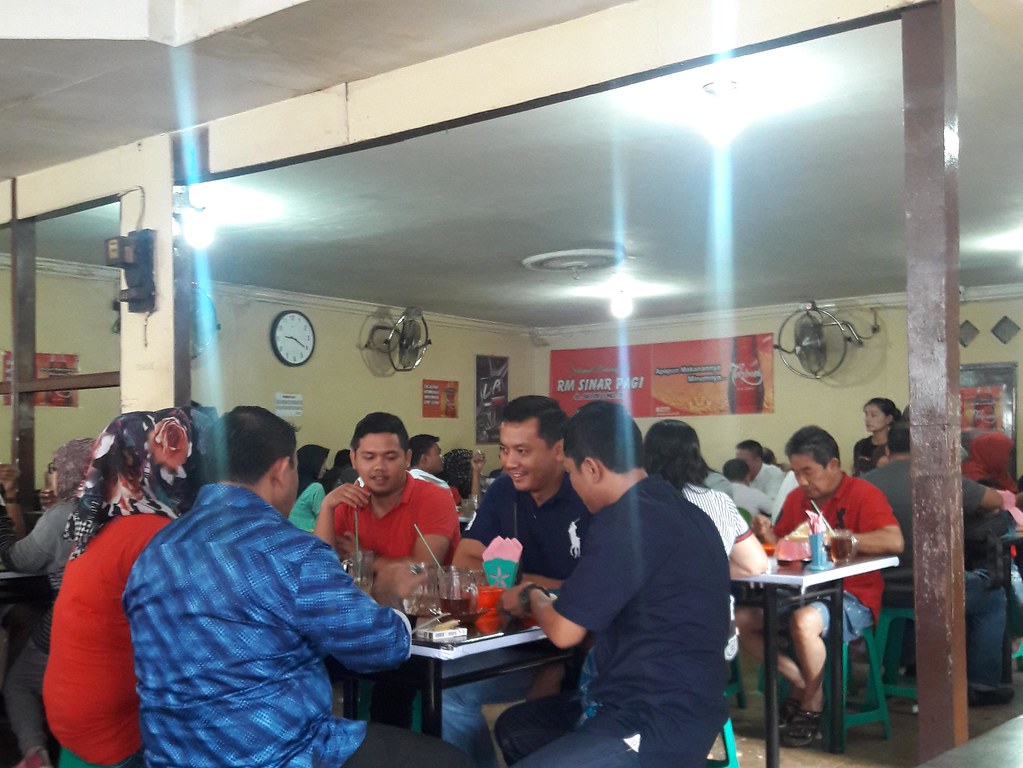
My breakfast: Soto Medan, a mixture of Javanese soto and Malay/Indian curry taste. The "Soto Medan Sinar Pagi" is my family's favorite, especially my late grandpa.
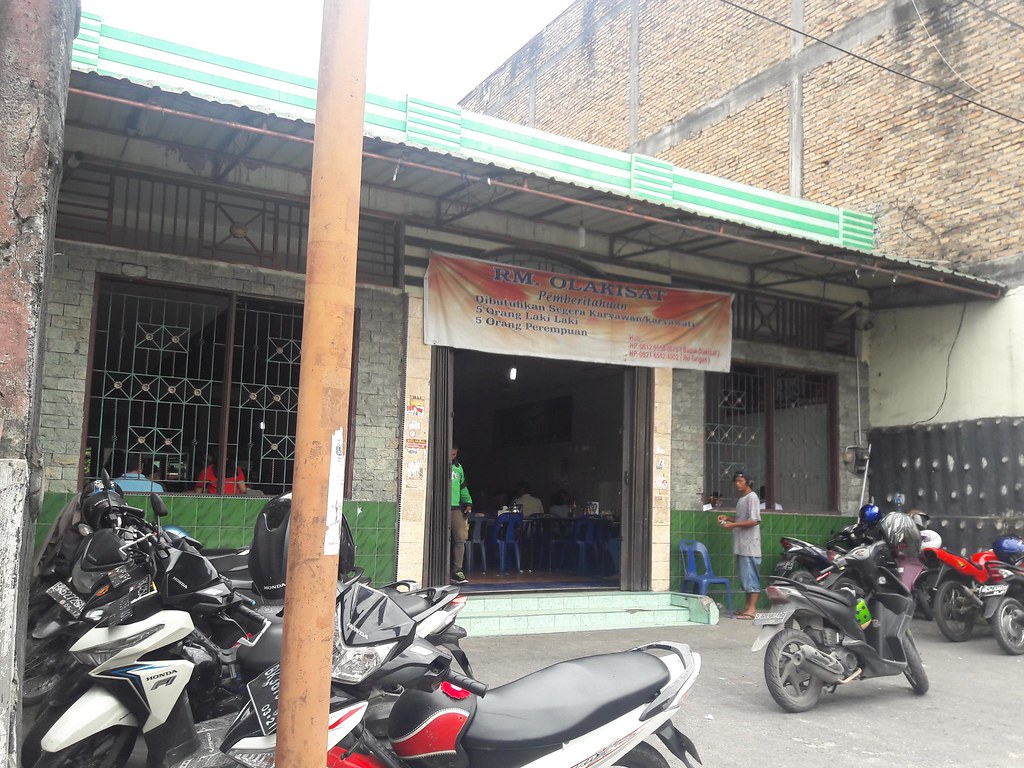
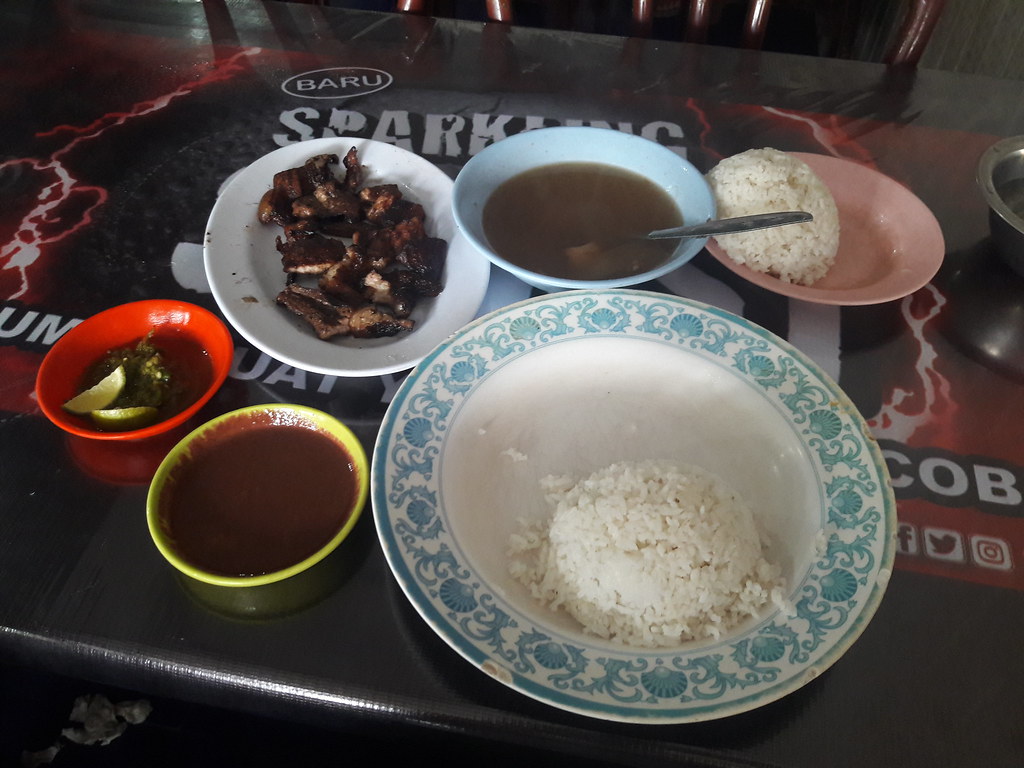
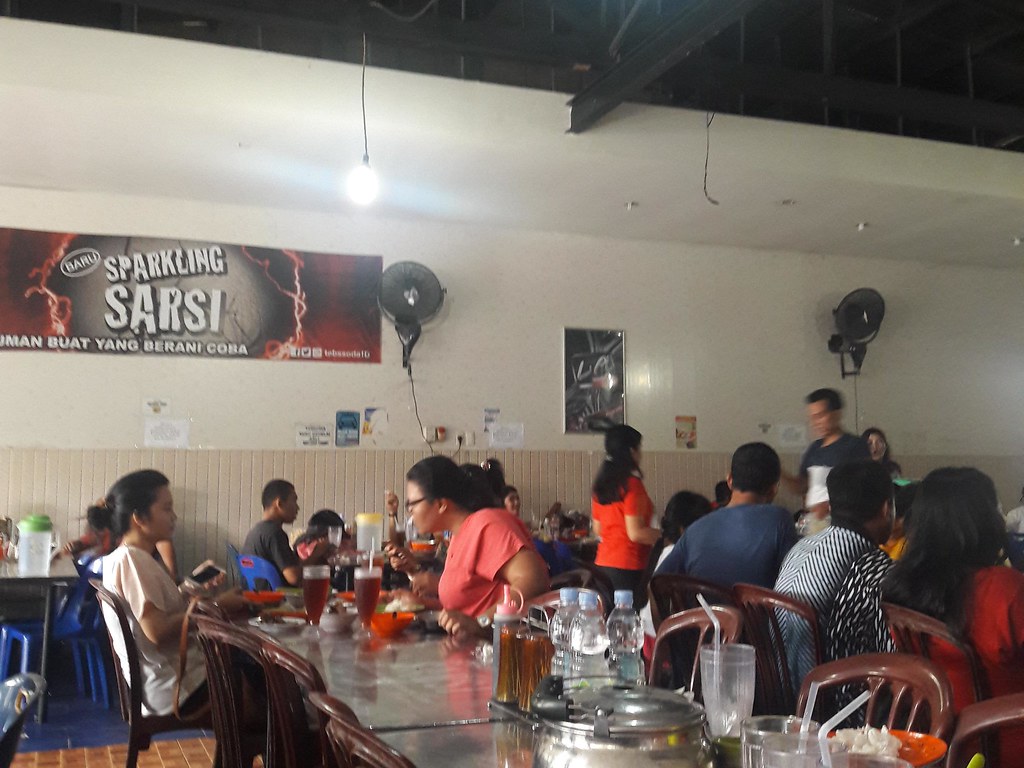
Ola Kisat, a restaurant serving traditional "Babi Panggang" (roasted pork) from Karo Land, where Mount Sibayak and Berastagi are located.
Then I met my friend at Medan's mall, before leaving Medan for Pekanbaru, Riau's capital, by intercity bus. The bus journey took about 14 hours.


