Day 2.
The view from my room at dawn on day 2 with Sulaymaniyah's Azadi Park top right.

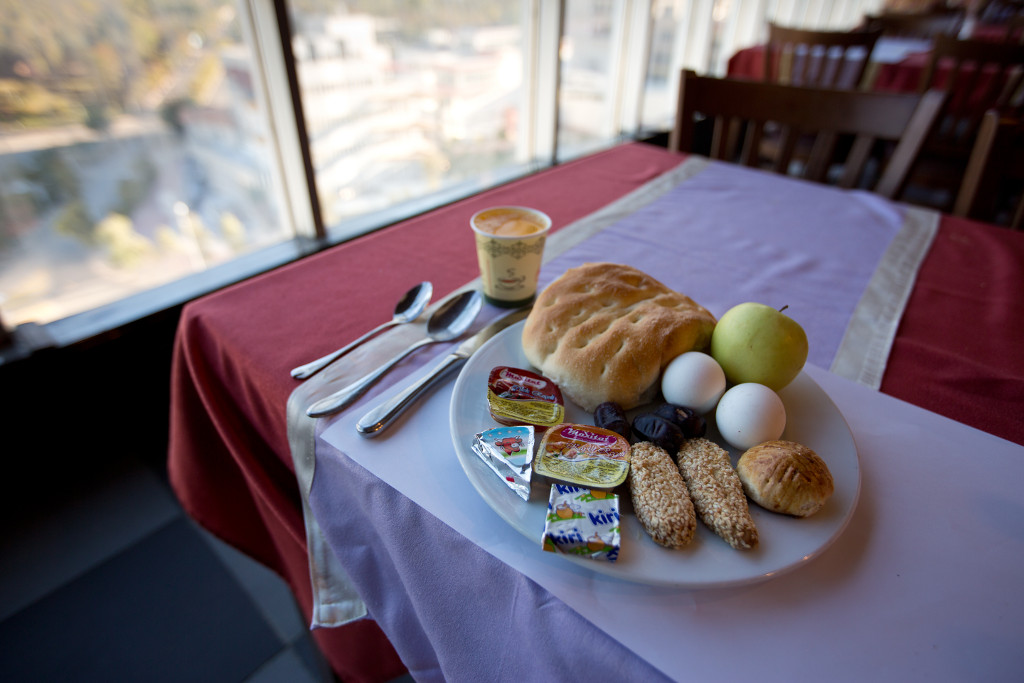
Lots of carbs for breakfast

.
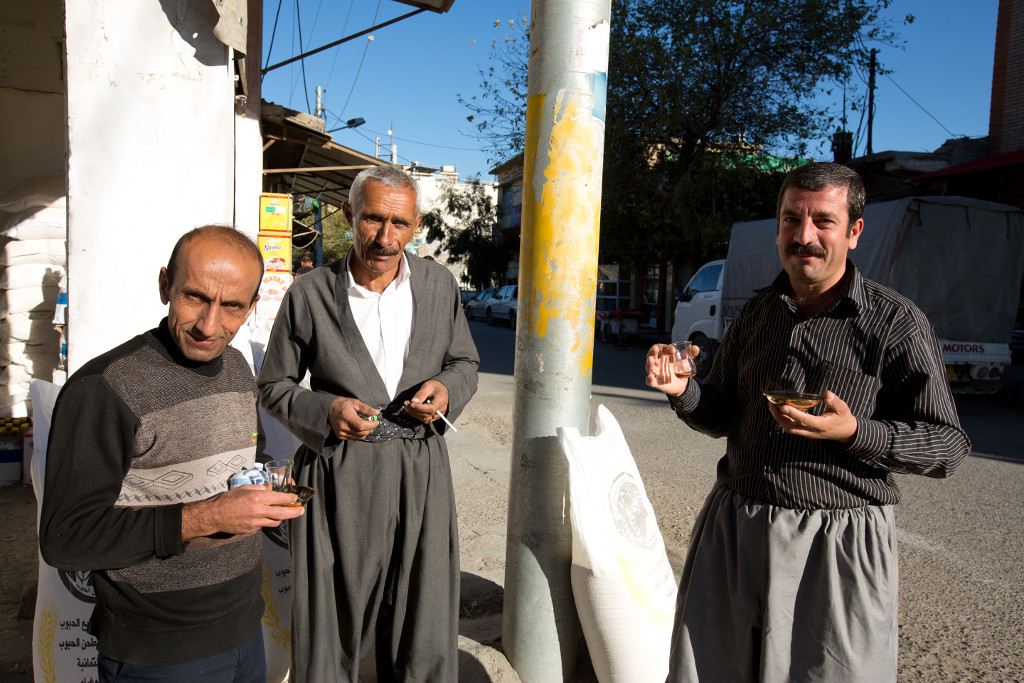
Morning chai. After checking out of the hotel, I went for a walkabout again, this time to the market area.
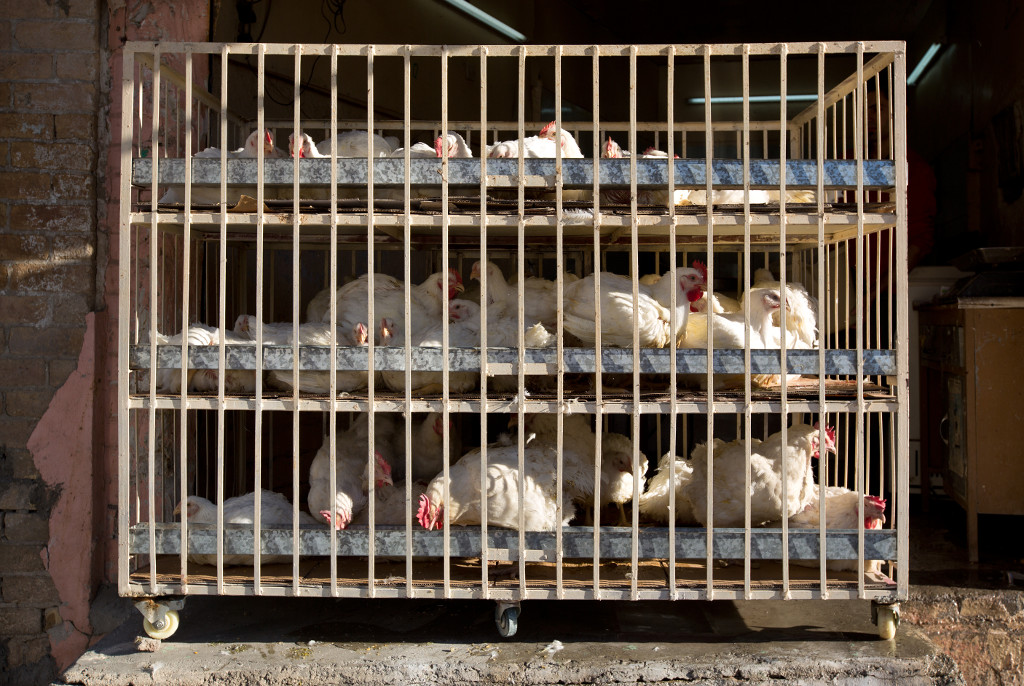
Chickens.
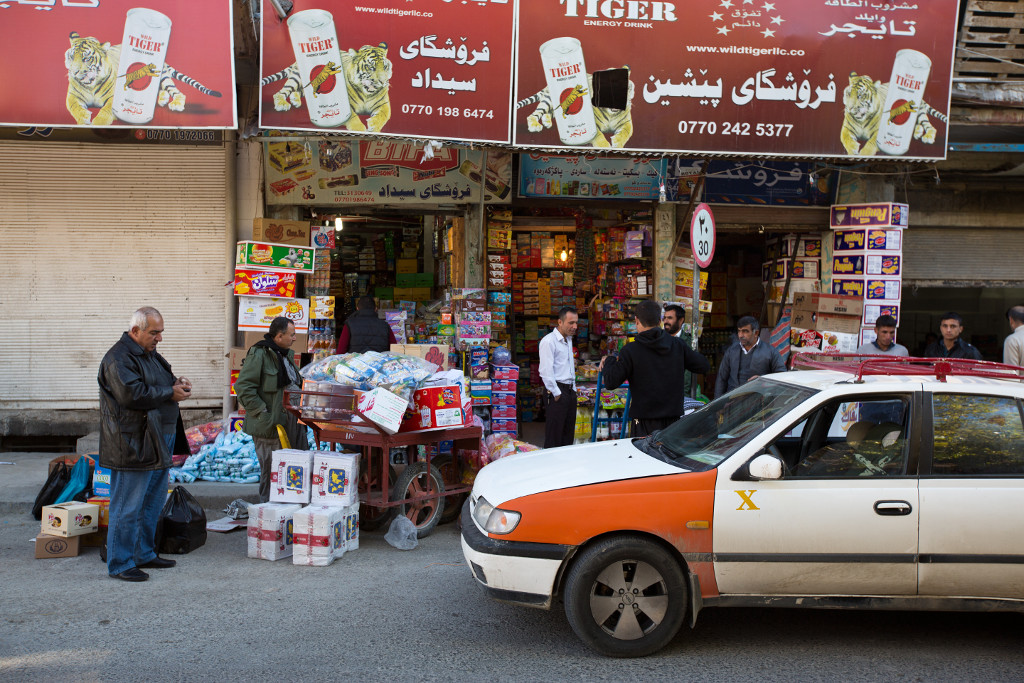
Small goods.
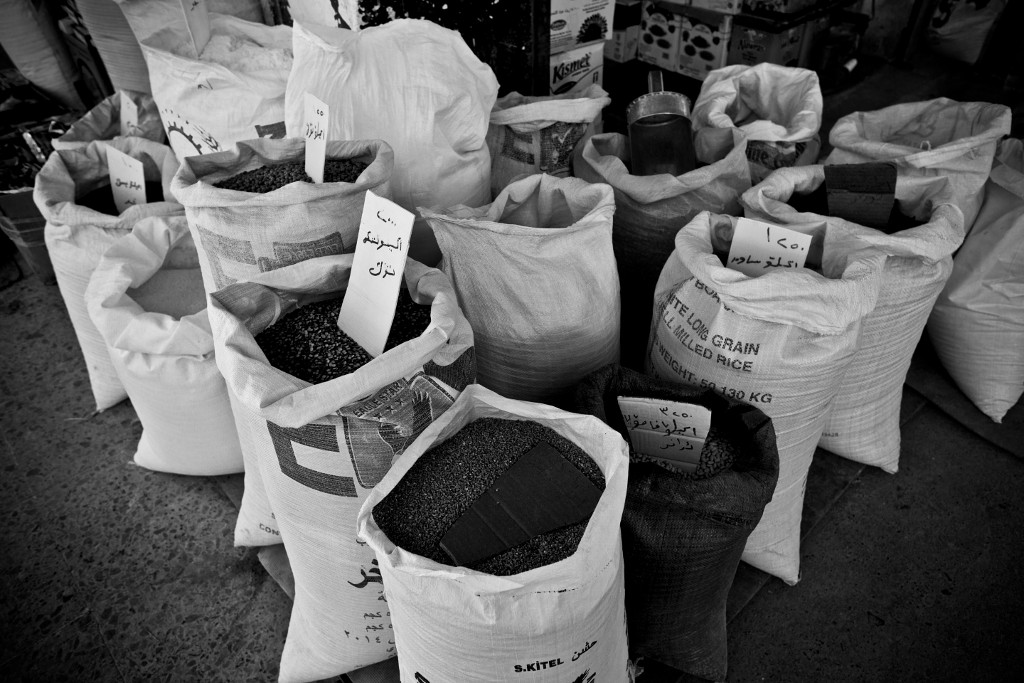
Grains.
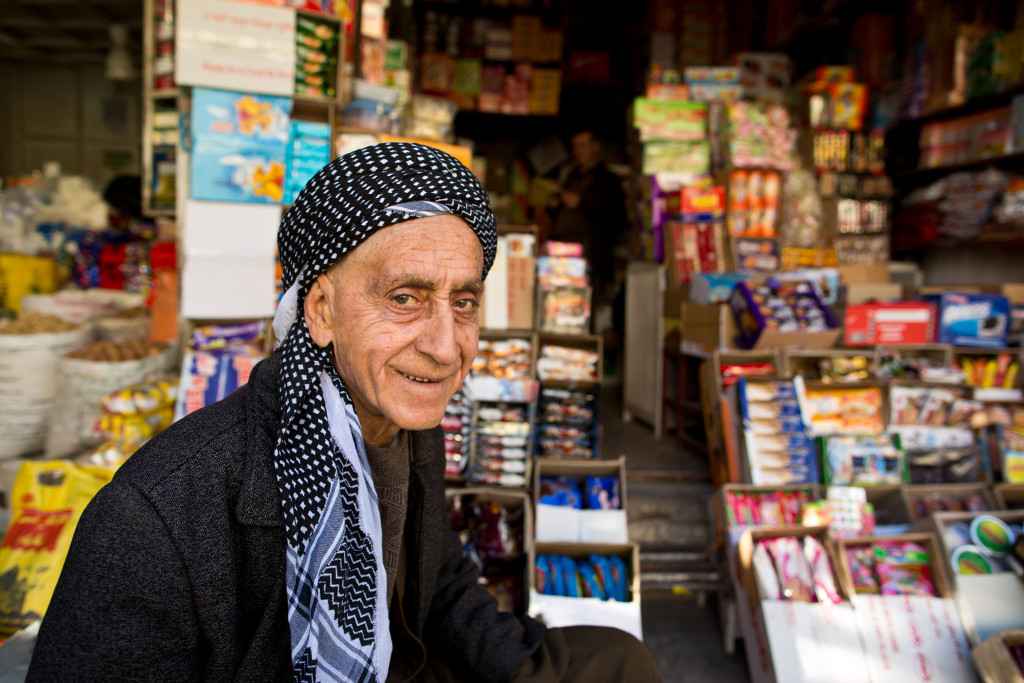
Merchant.
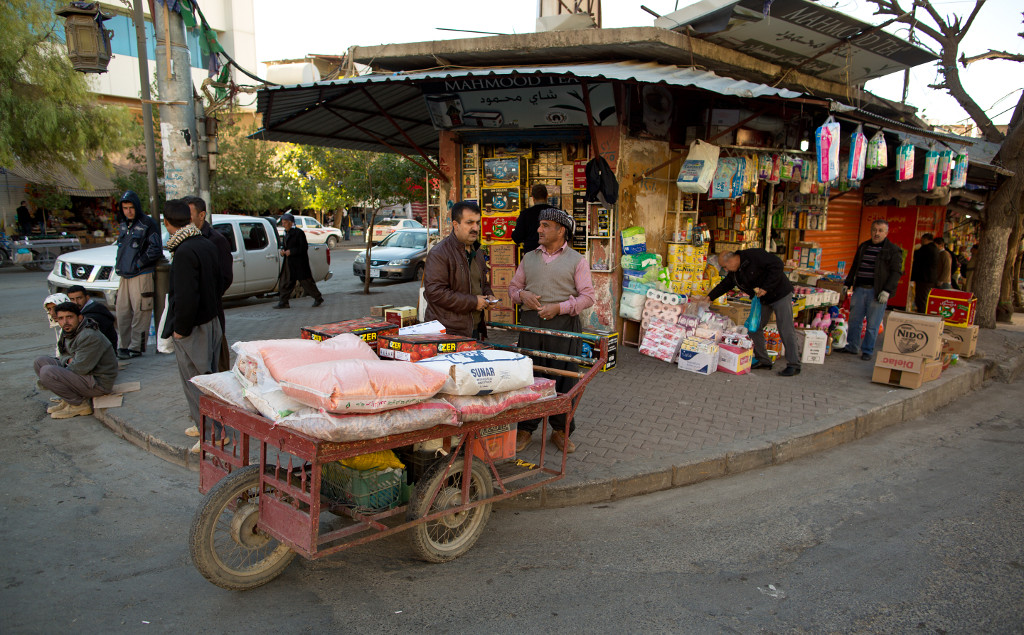
Street corner.
Çar (four).
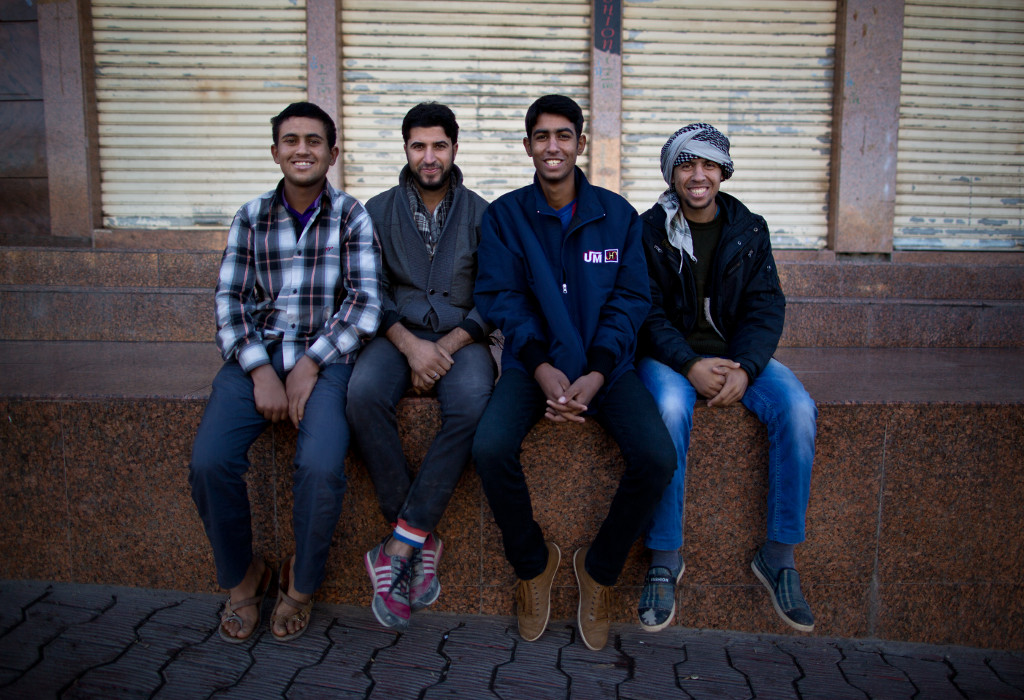
Breakfast.
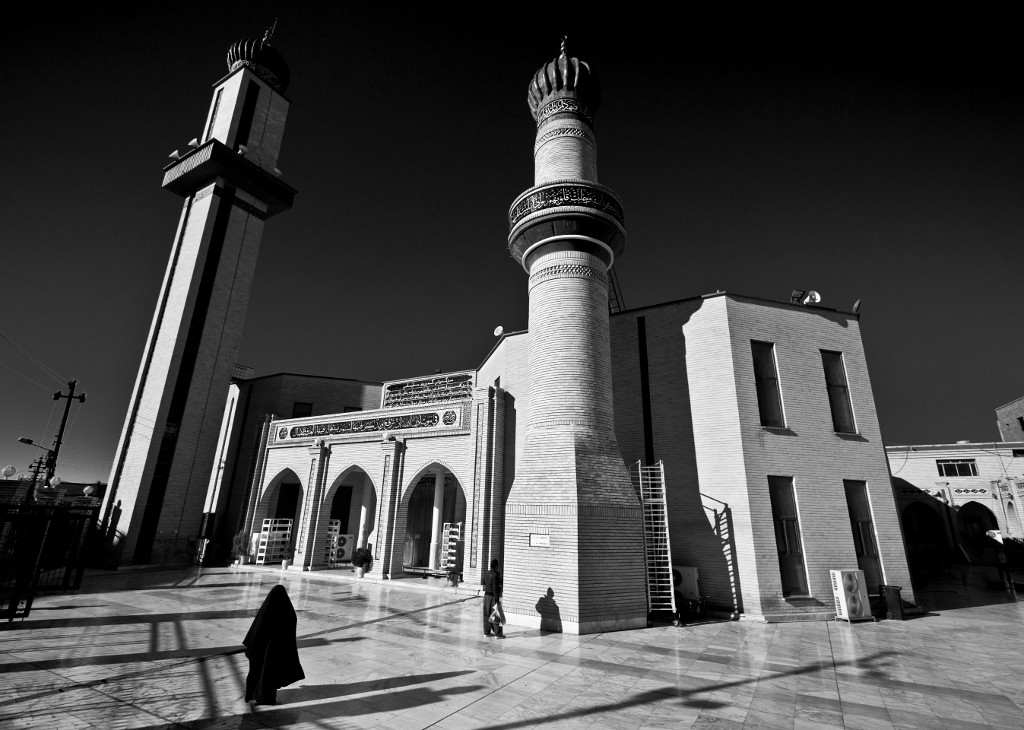
The Grand Mosque of Sulaymaniyah. Before I took this photo, I was approached by an official looking man (who turned out to be a plain clothed police officer) and directed to follow him. He then took me to the mosque custodian who spoke english. They were both very pleasant and after realising I was just a harmless tourist they said it was ok to photograph the mosque.
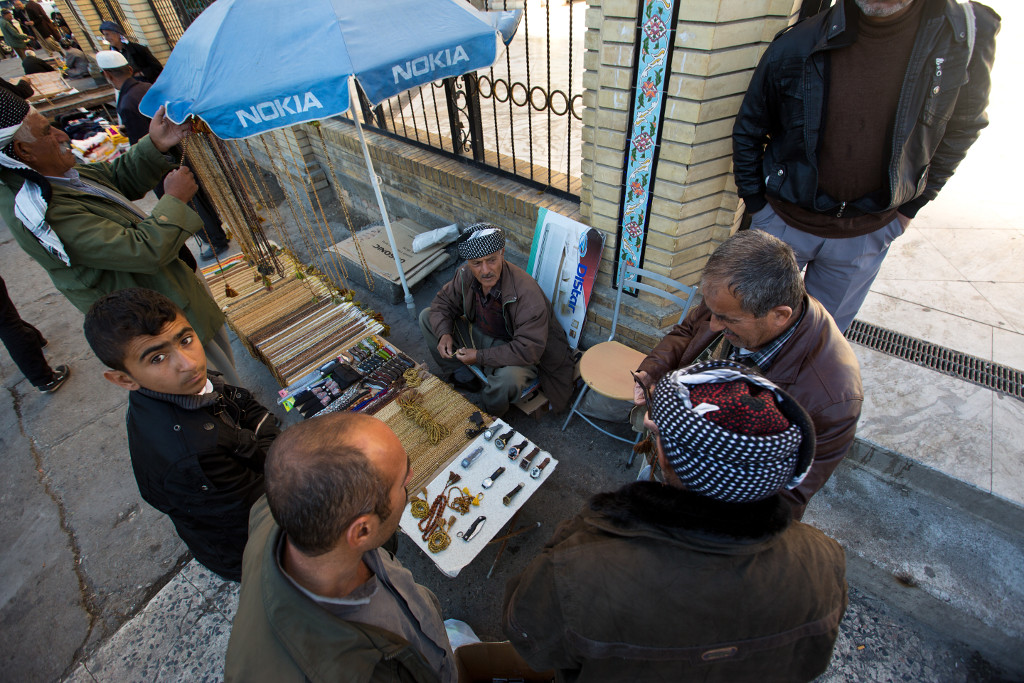
Prayer beads.
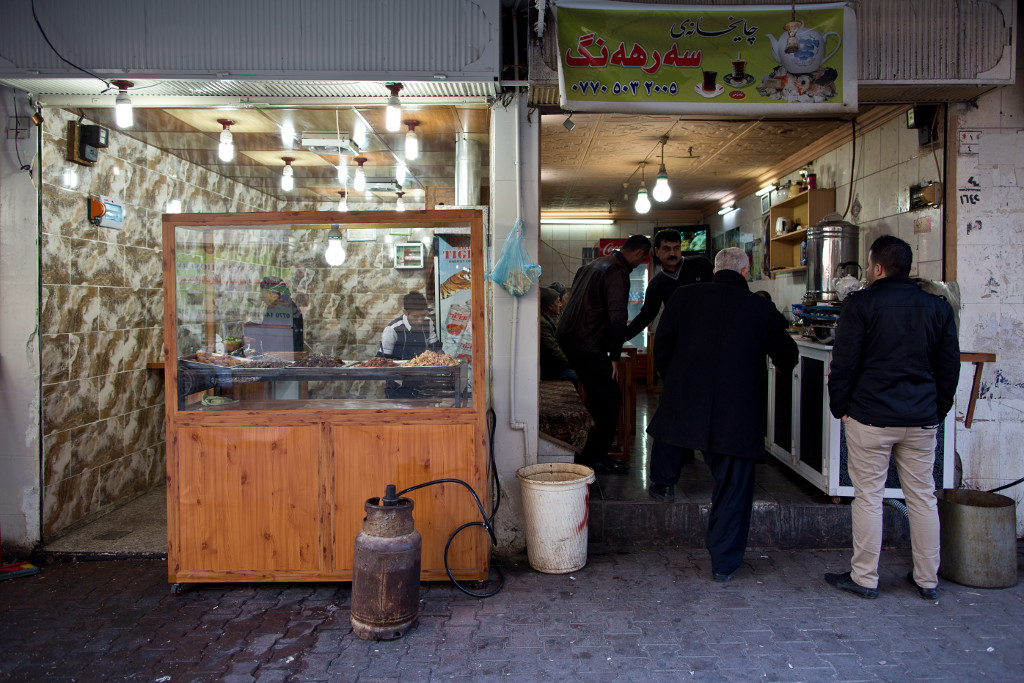
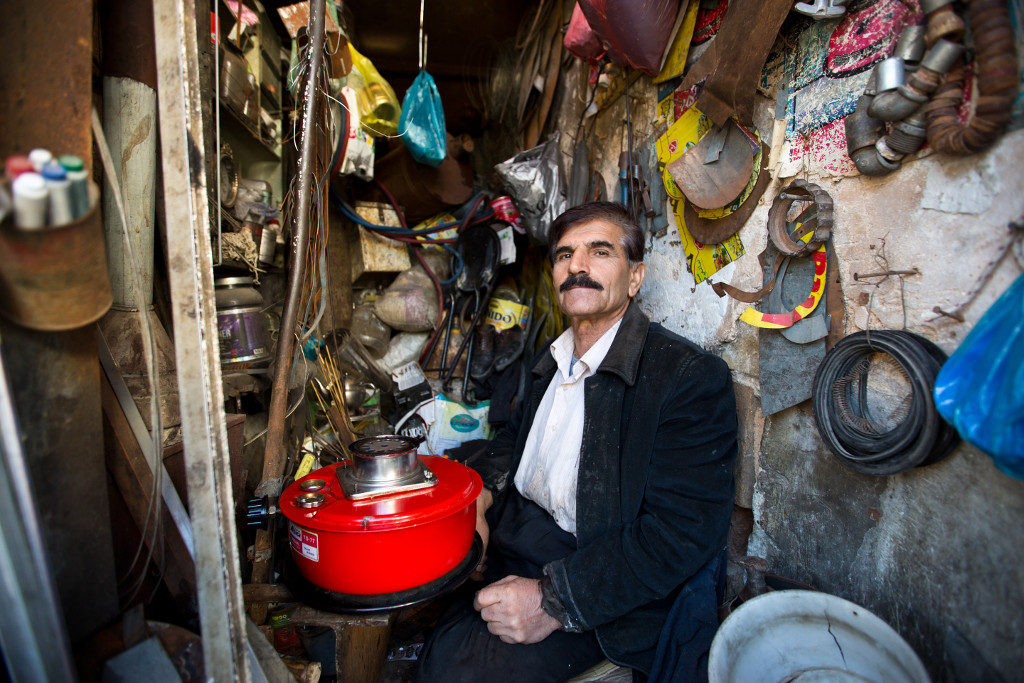
Workshop.
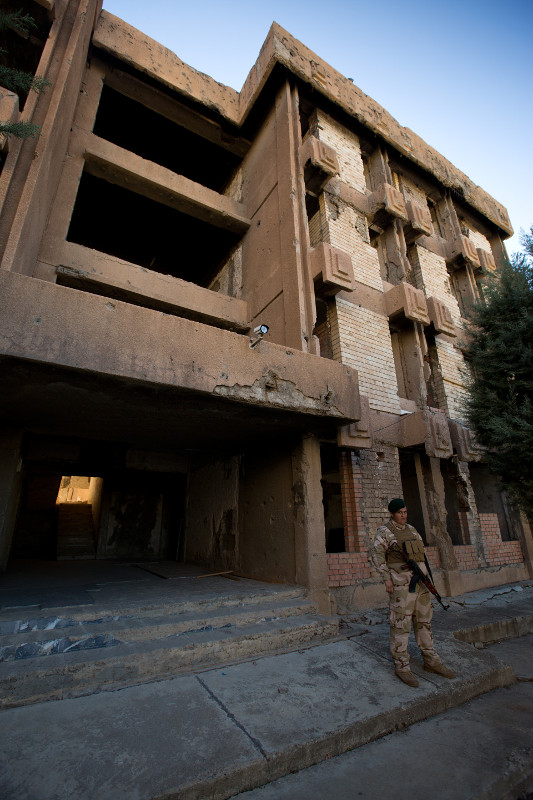
I then walked to the Amna Suraka, or Red security prison. Under Saddam Hussein’s regime the complex served as the northern headquarters of the Iraqi Intelligence Service, or the Mukhabarat.
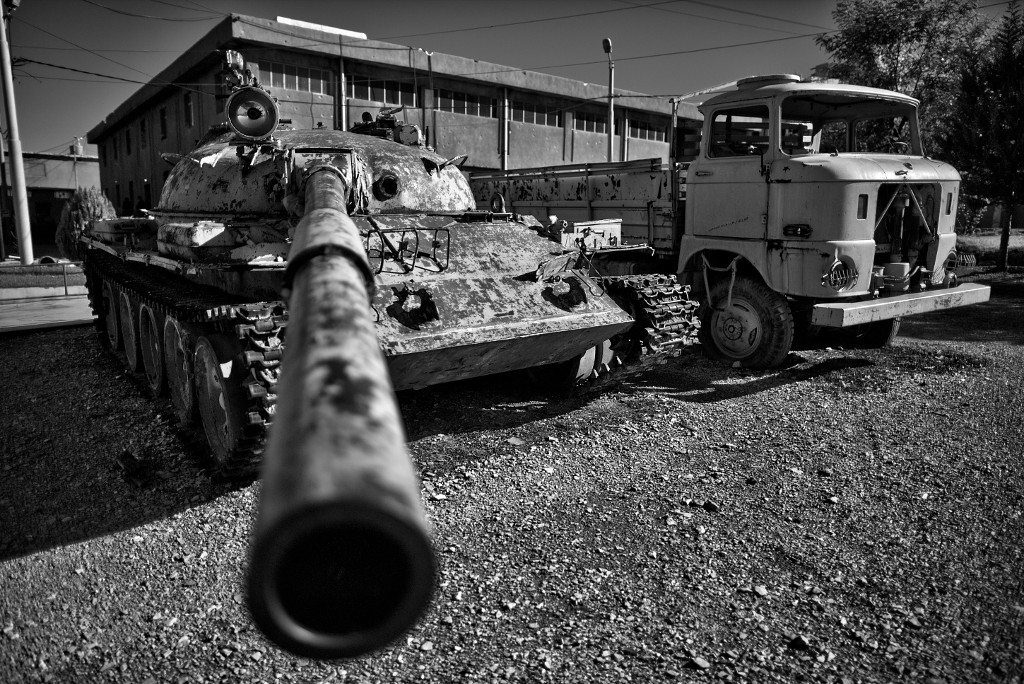
Some Saddam-era tanks and APC's.

Thousands of people, mainly Kurds, and including children, were imprisoned, tortured and killed here.
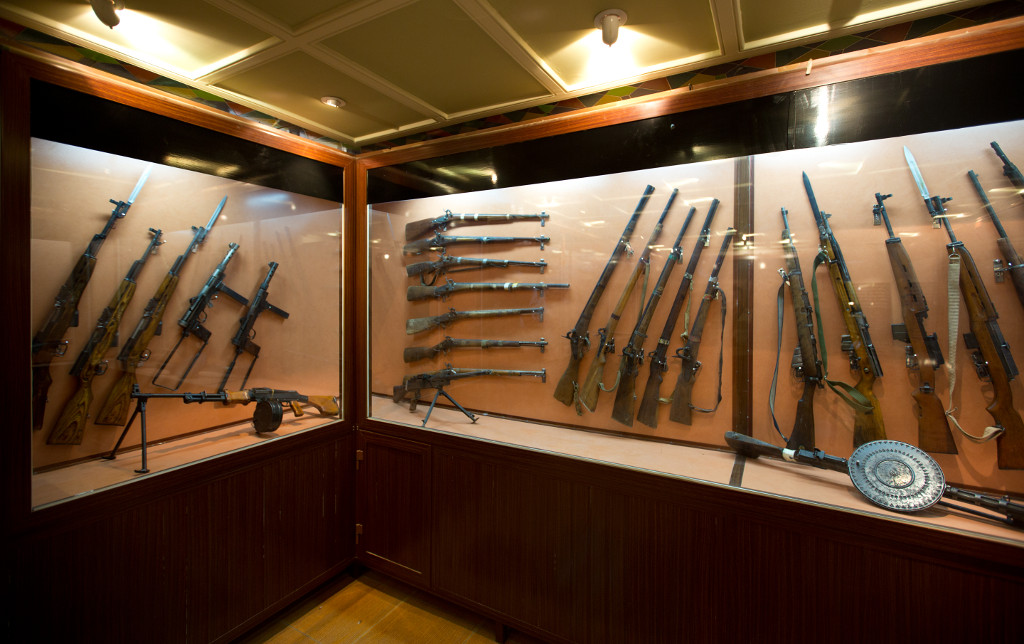
Weapons from the Kurdish resistance. In 1991 the Kurdish Peshmerga attacked and liberated the prison.
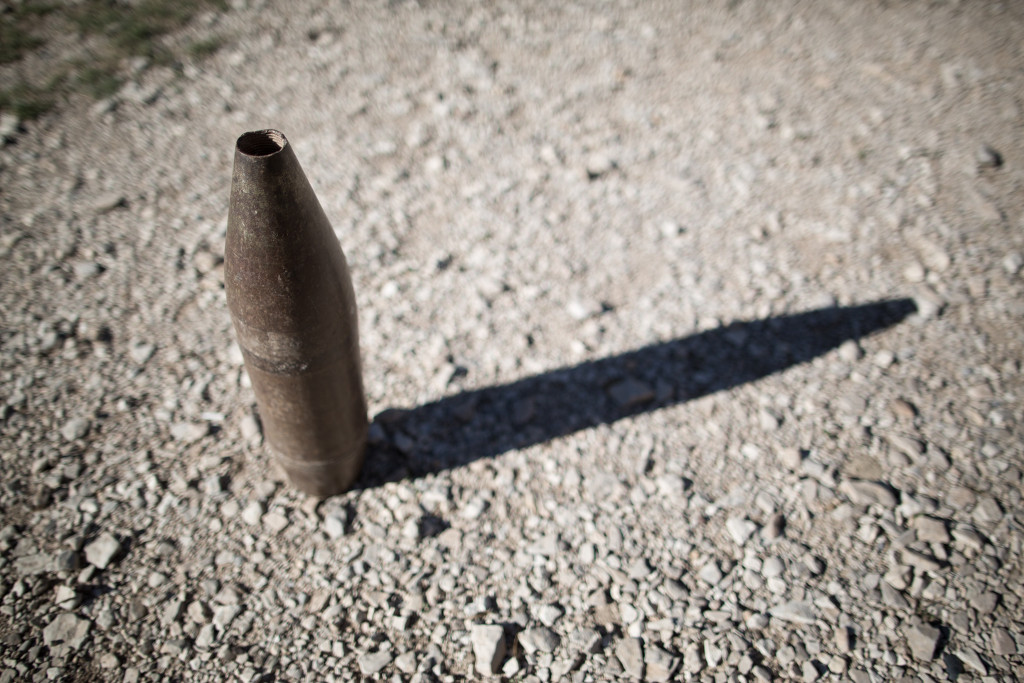
Chemical Weapon. In 2003 the prison was turned into a war-crimes museum.
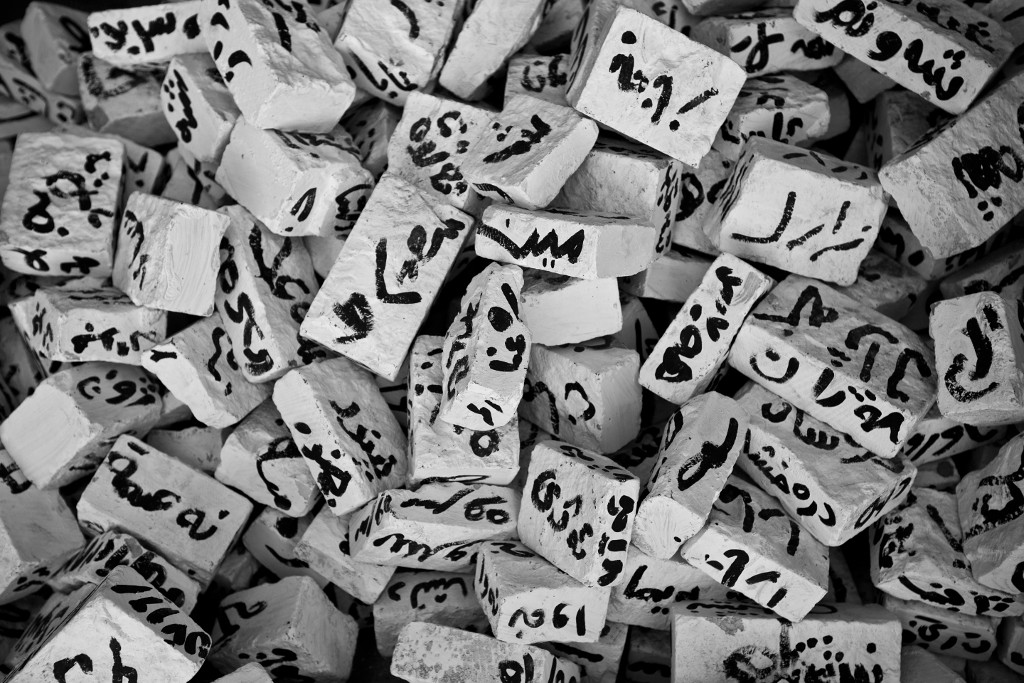
Names of female prisoners killed at Amna Suraka.
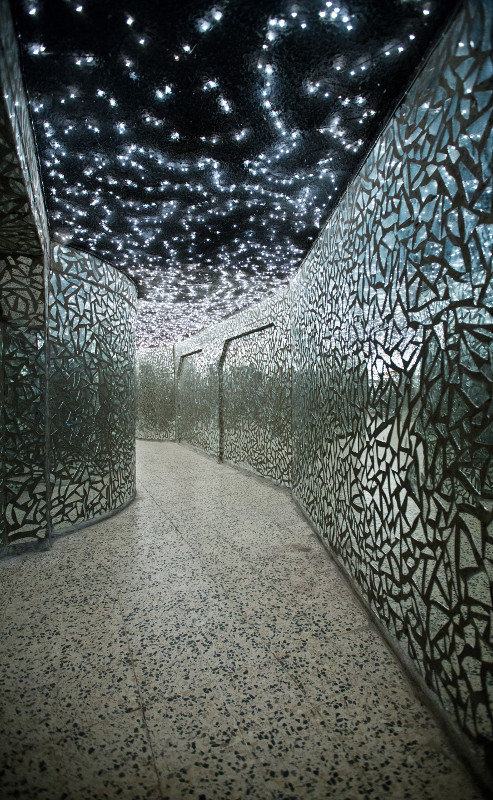
The Hall of Mirrors, lined with 182,000 shards of mirrored glass, one for every victim of Saddam’s Anfal campaign. The ceiling has ~4500 lights, one for every Kurdish village destroyed under Saddam.
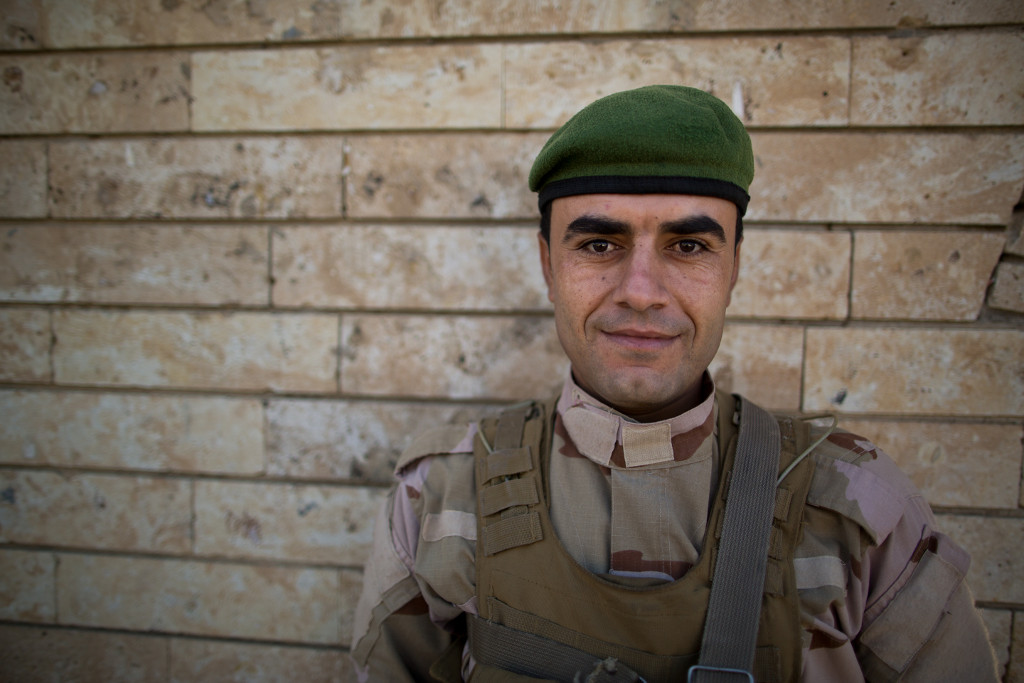
Soldier.
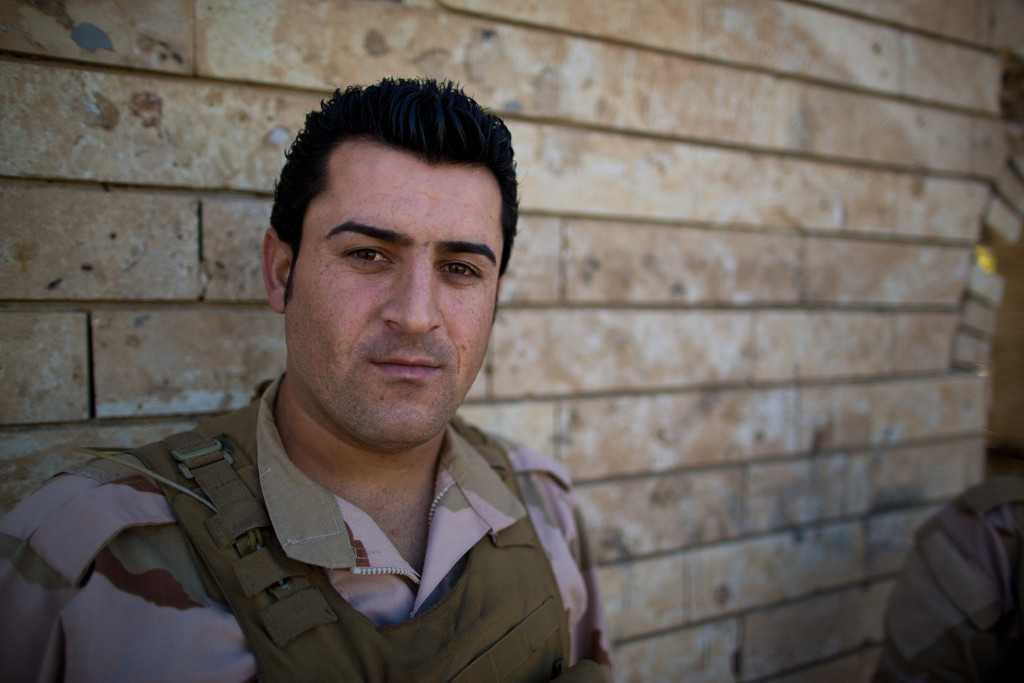
Green beret.
I then met up with my guide/driver I had organised for the day, Sardar, and headed out of Sulaymaniyah for the journey west to Erbil.
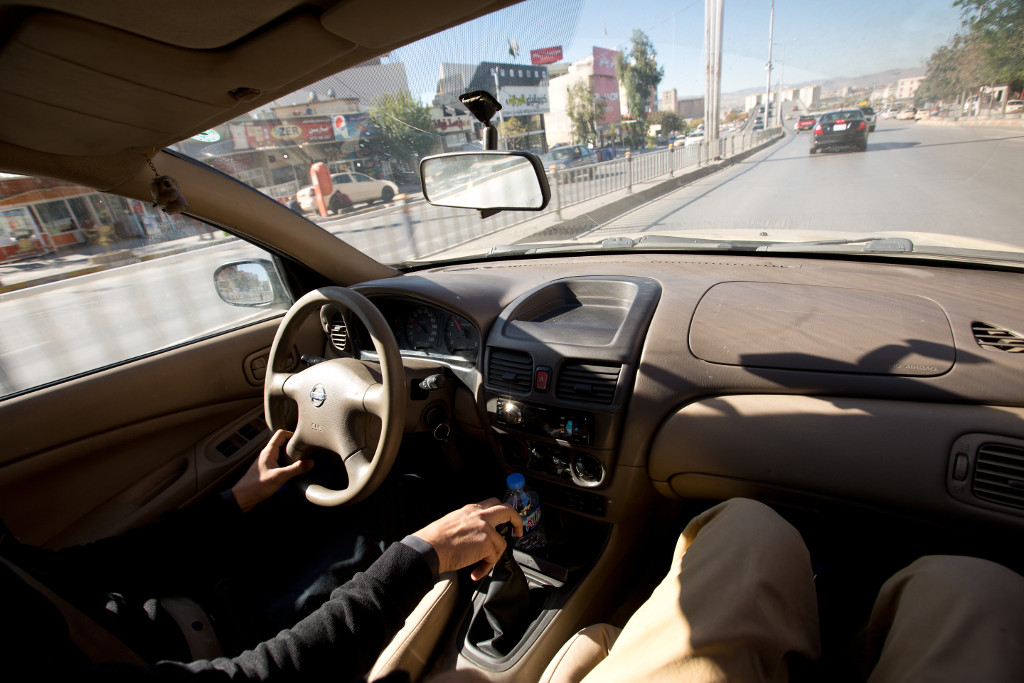
Quite a scenic drive with the beautiful and unique landscape.
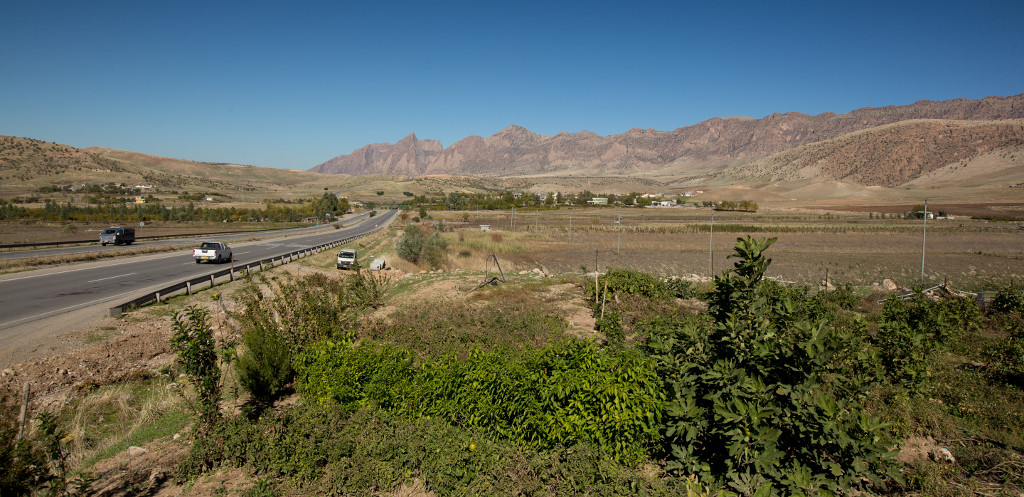
After about an hour we stopped for a break.
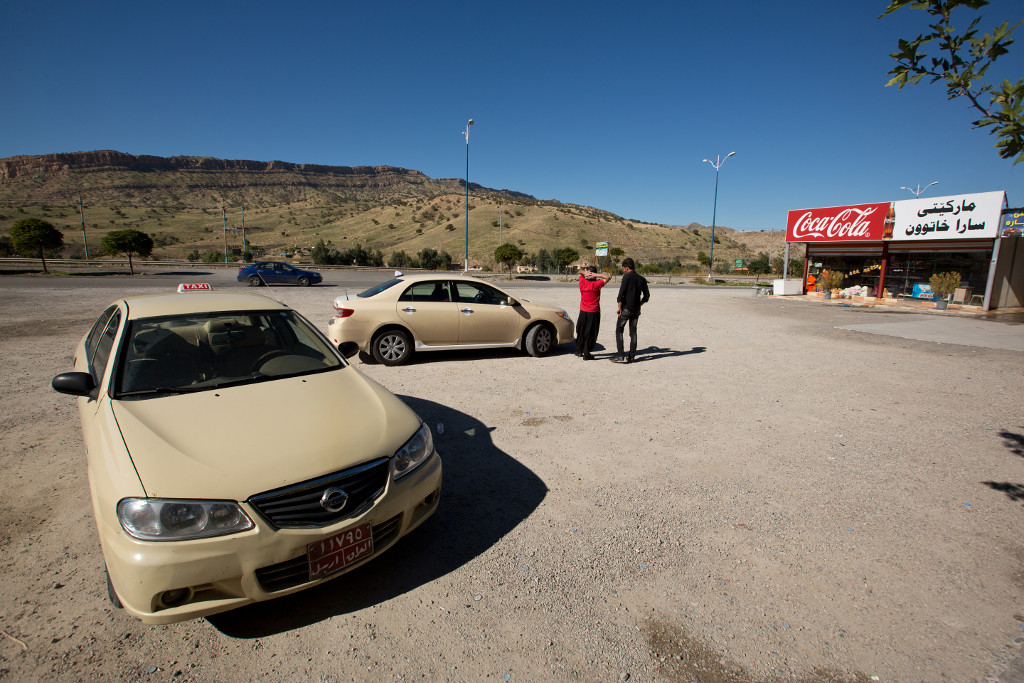
And had some sugary chai. Sardar was born and raised in Erbil and also works as a journalist fixer. We had a good chat about recent events in Iraq and the rise of ISIS. Along with security concerns, the threat of ISIS has also led to a slowdown in the Iraqi Kurdistan economy. It was also interesting that although he has lived his whole life in Erbil, he has never visited the city of Mosul, which is only 90 kilometres away.
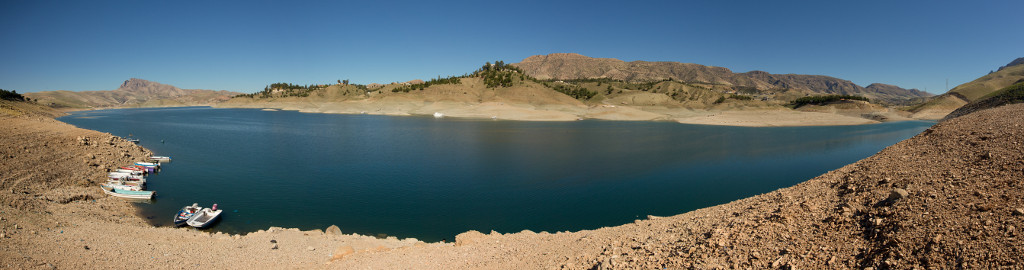
We then headed to Lake Dukan, created in the 1950's by the construction of the Dukan Dam.
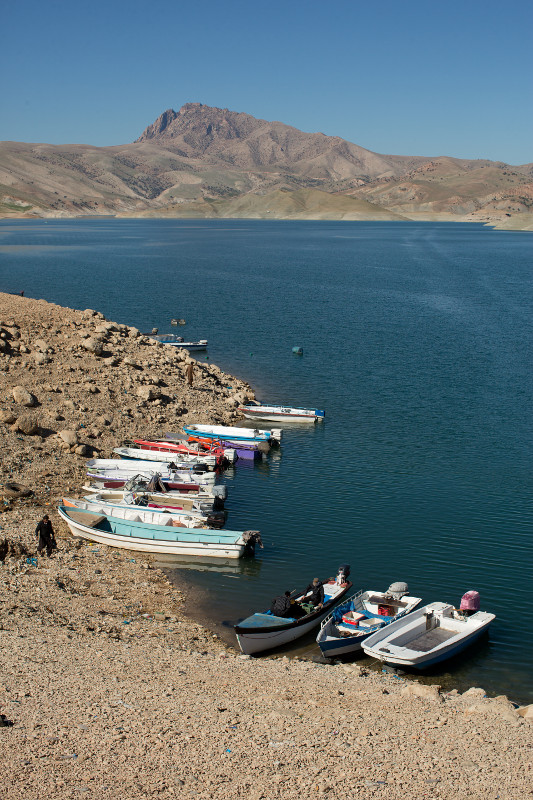
In the summer evenings, families come to have picnic's as well fish and ride boats in the lake.
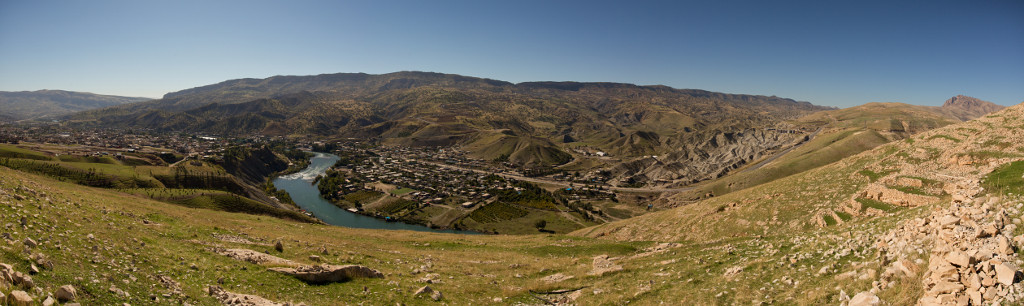
The town of Dukan near the Lake.
On the other side of the valley, with Lake Dukan centre and snow capped mountains on the border of Iran in the distance.
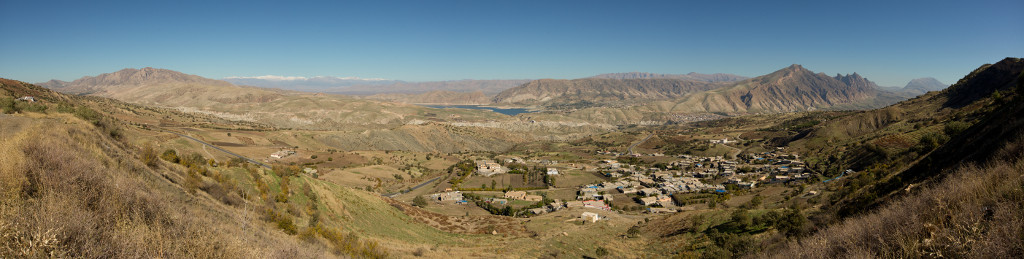
We then drove on west to Koya through slightly more arid landscapes.
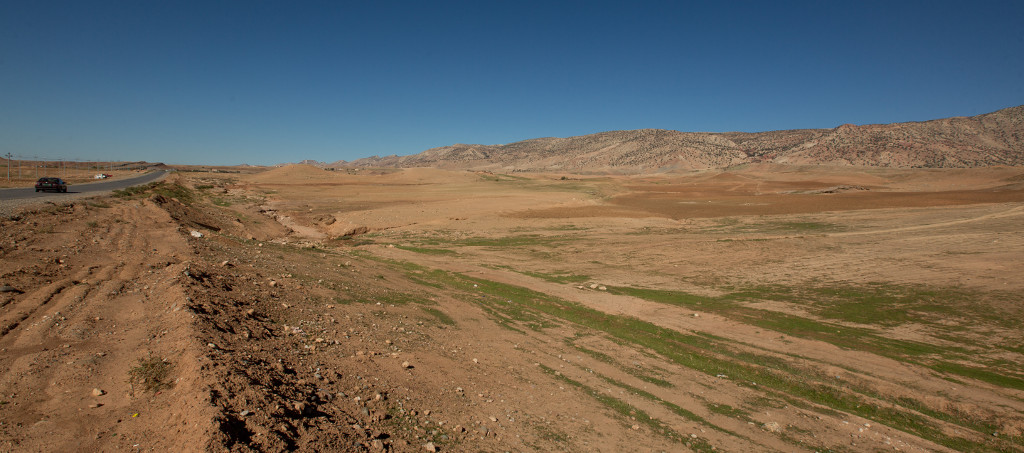
When we got to Koya, we went to visit the old caravanserai, or an inn used for travellers and their horses to rest and recover.
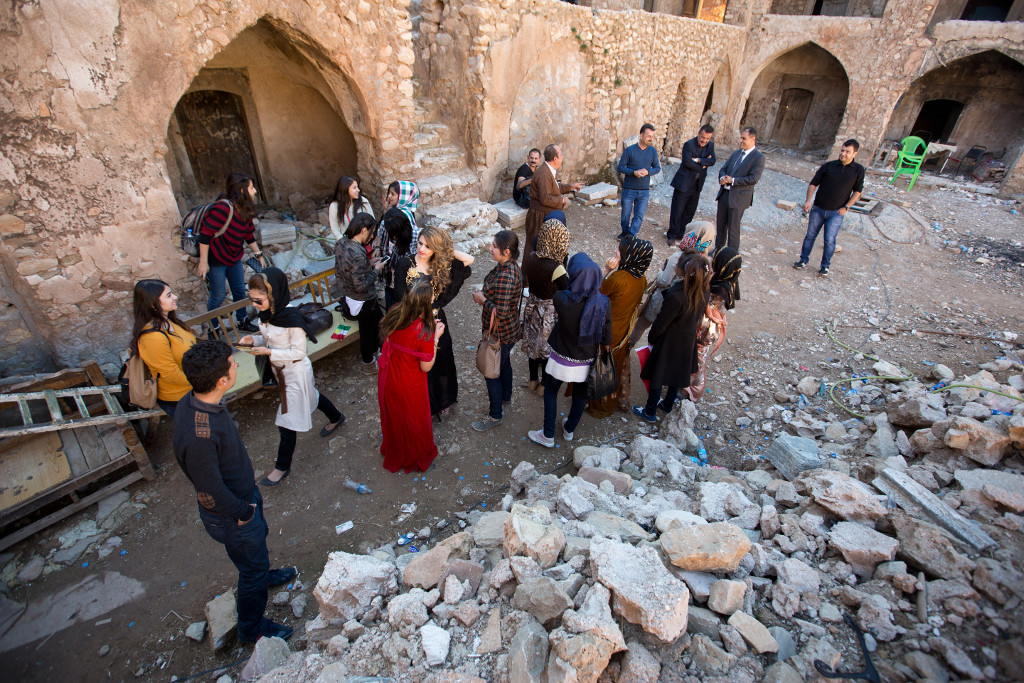
There was also a group of students there on an excursion. They were quite surprised to see a westerner, and invited Sardar and myself to join them for a picnic
.
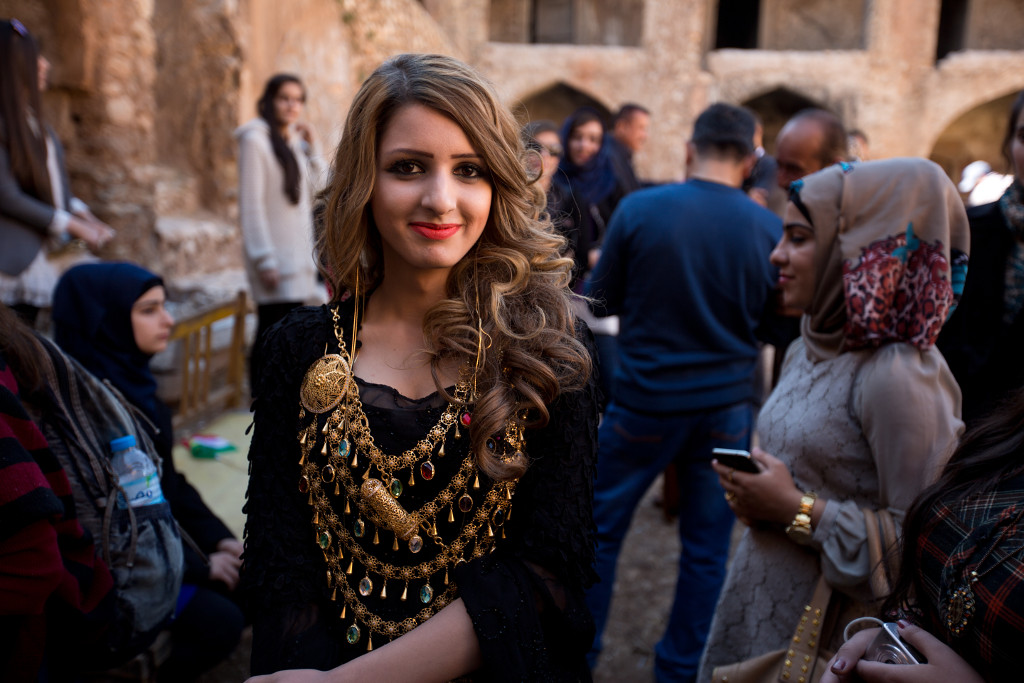
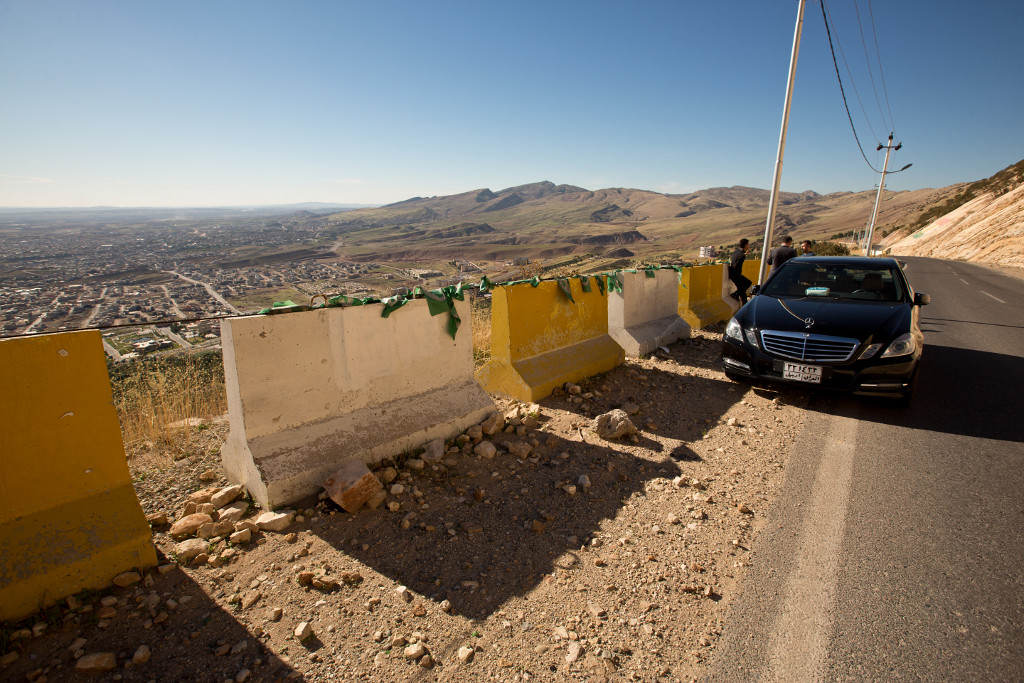
The excursion was organised by the education ministry and a TV channel, and we swapped Sardar's Nissan for a ride in their black Mercedes for the ride up the mountain for the picnic.
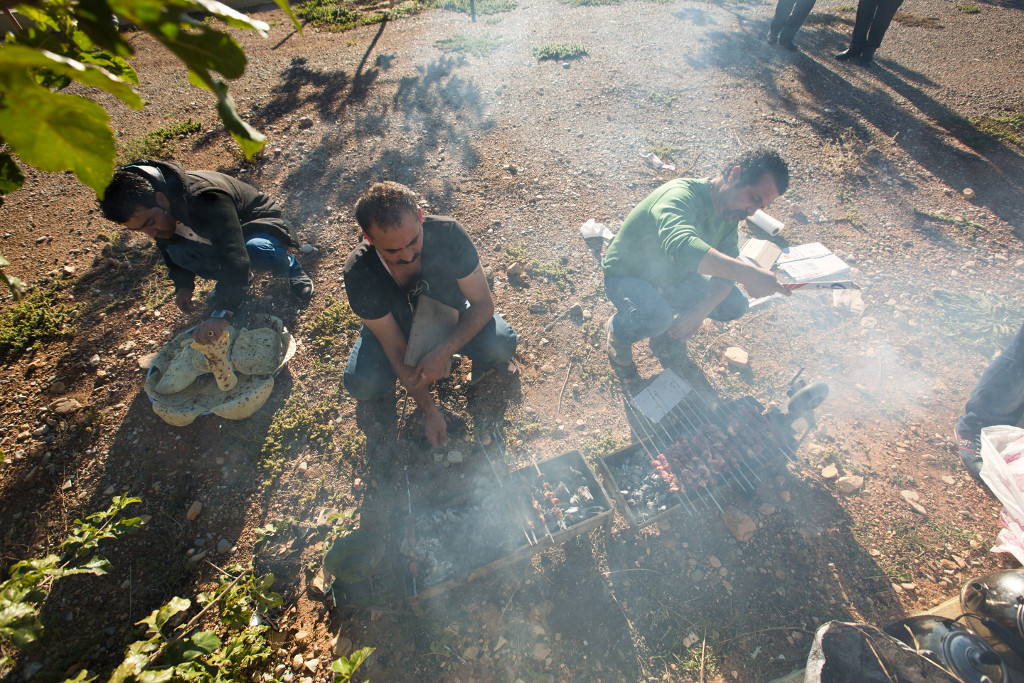
The TV crew BBQing the lamb and chicken kebabs.
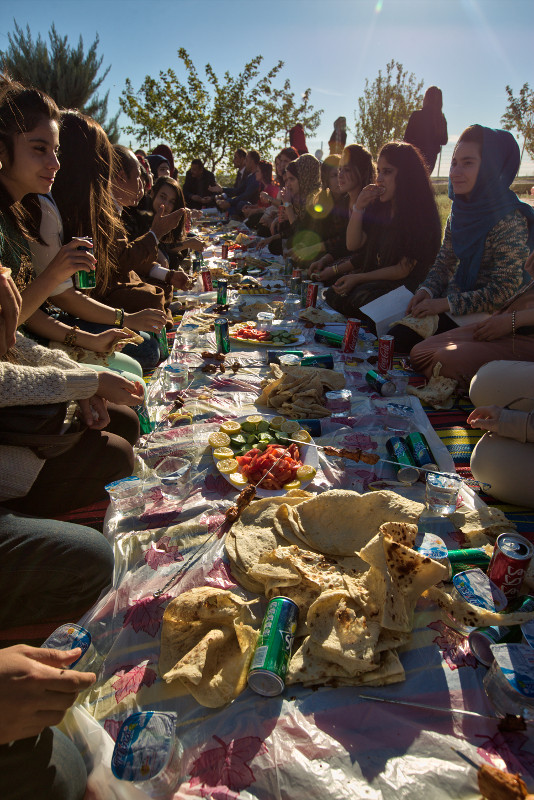
Enjoying a picnic out in the afternoon sun. The students were really interested why someone would come to Iraqi Kurdistan for vacation, as their concept of going on holiday was just to go somewhere to relax and have fun. With Sardar interpreting, I managed to explain that visiting new places and experiencing new cultures can be very enlighting and just as fun and exciting as a more traditional holiday
.
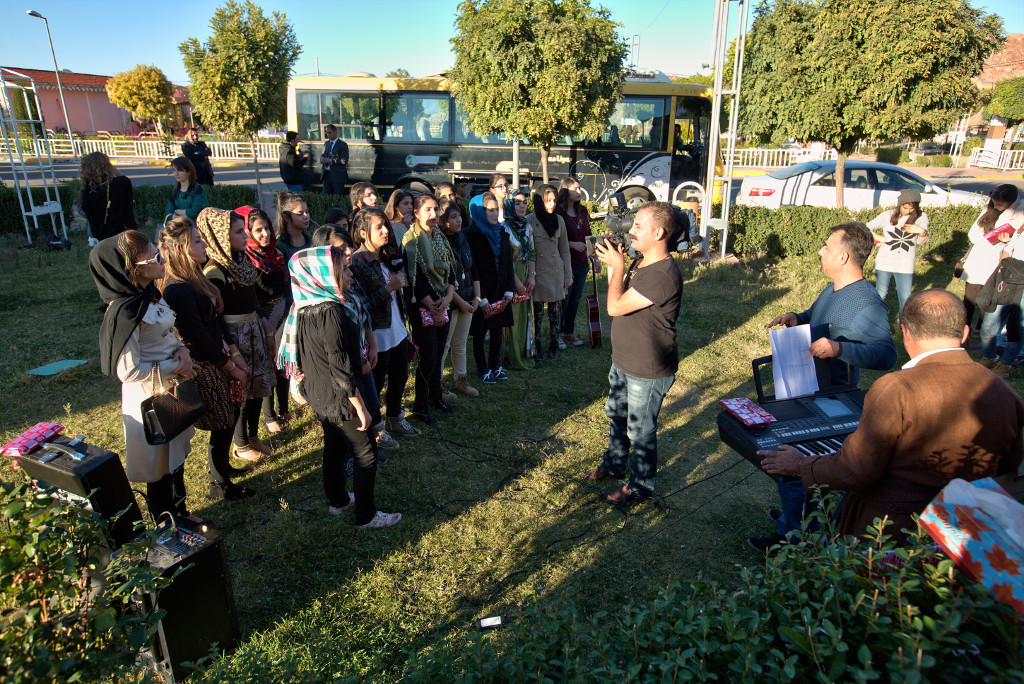
The students singing traditional Kurdish folk songs.
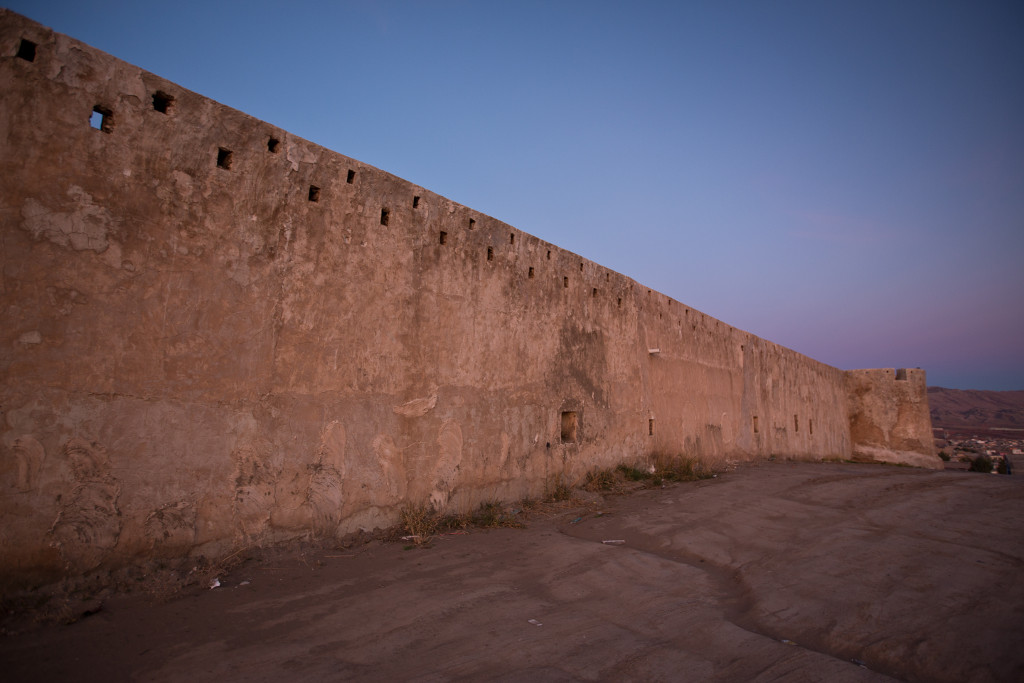
After saying farewell and thanking everyone for the awesome hospitality and great afternoon, we headed back down the mountain to the Ottoman-era Koya fort.
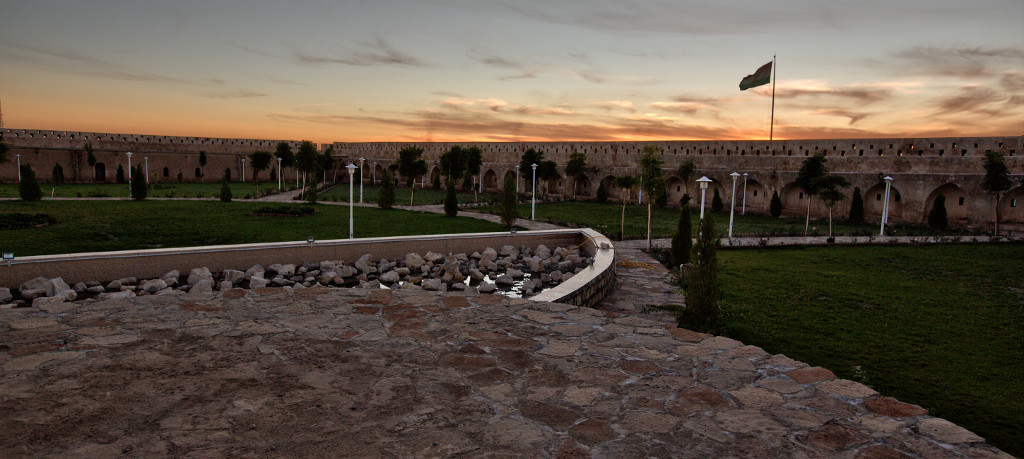
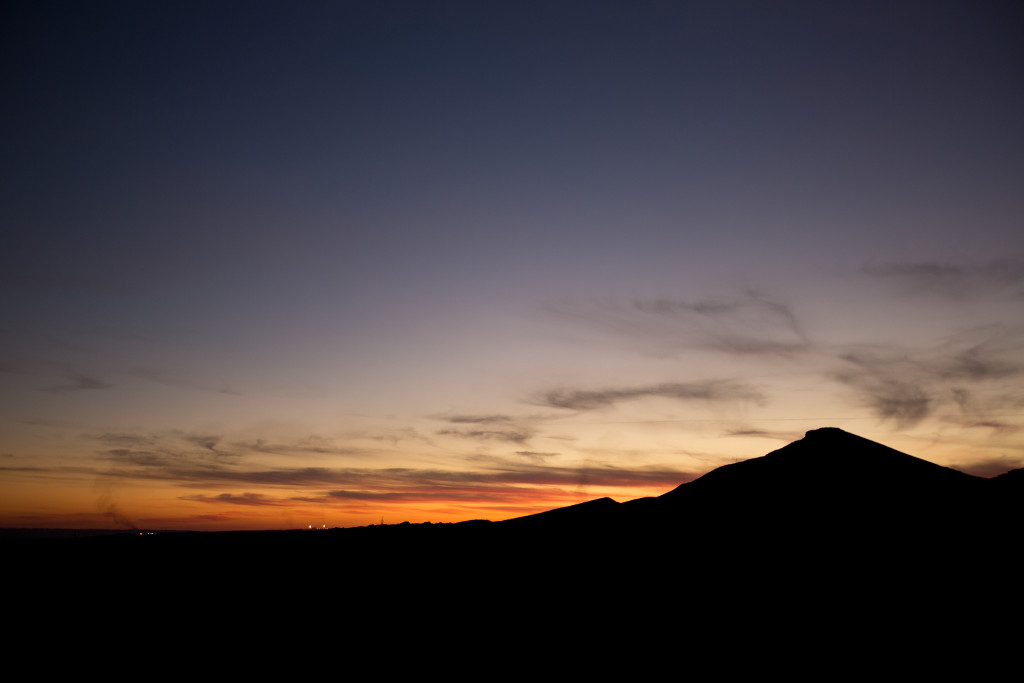
We got there just on dusk so had some great colours in the sky.
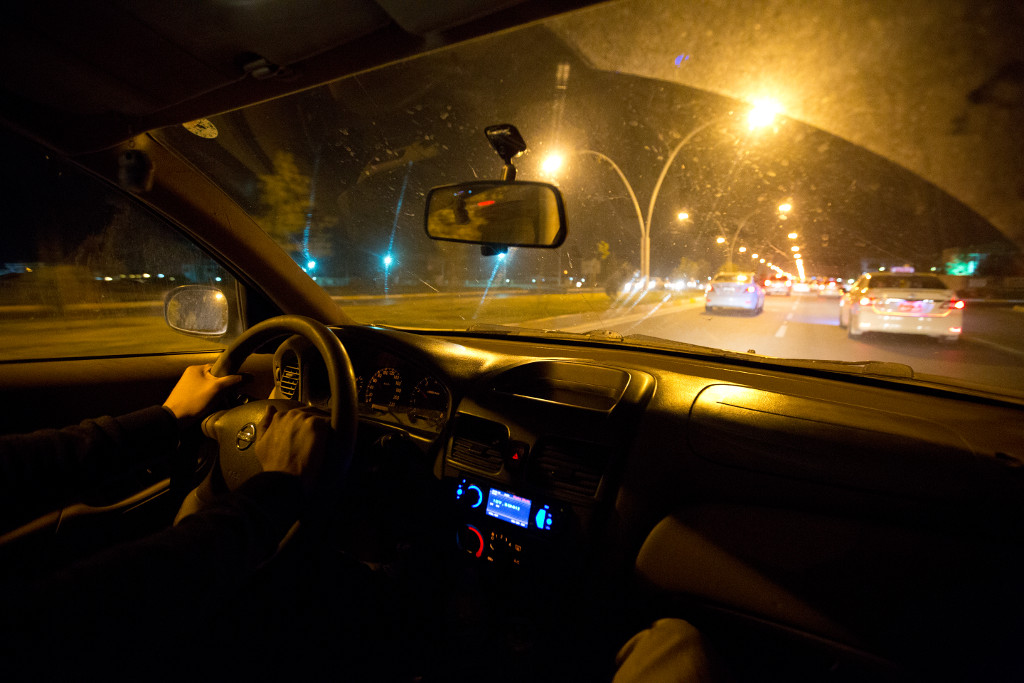
We then headed west again for the ~60 minute drive to Erbil.
On the outskirts of Erbil.
At my hotel in Erbil, where I said goodbye to Sardar and thanked him for the great day and to make sure to recommend him to other intrepid travellers
.
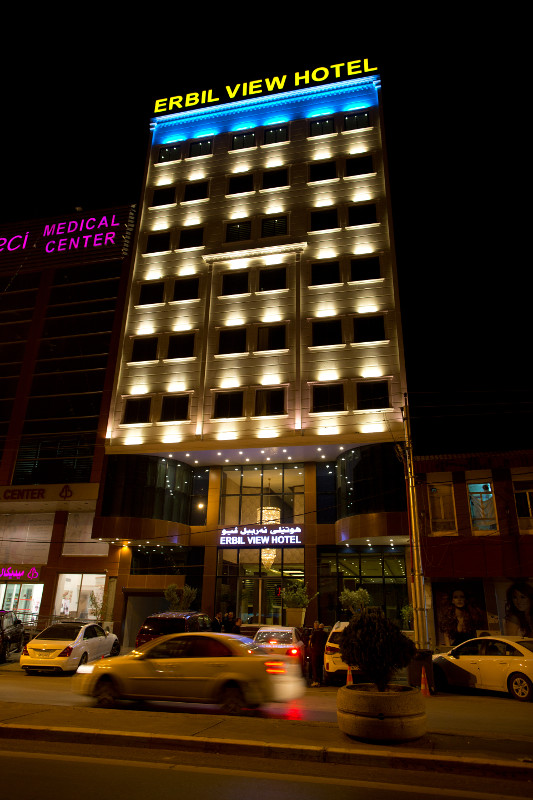
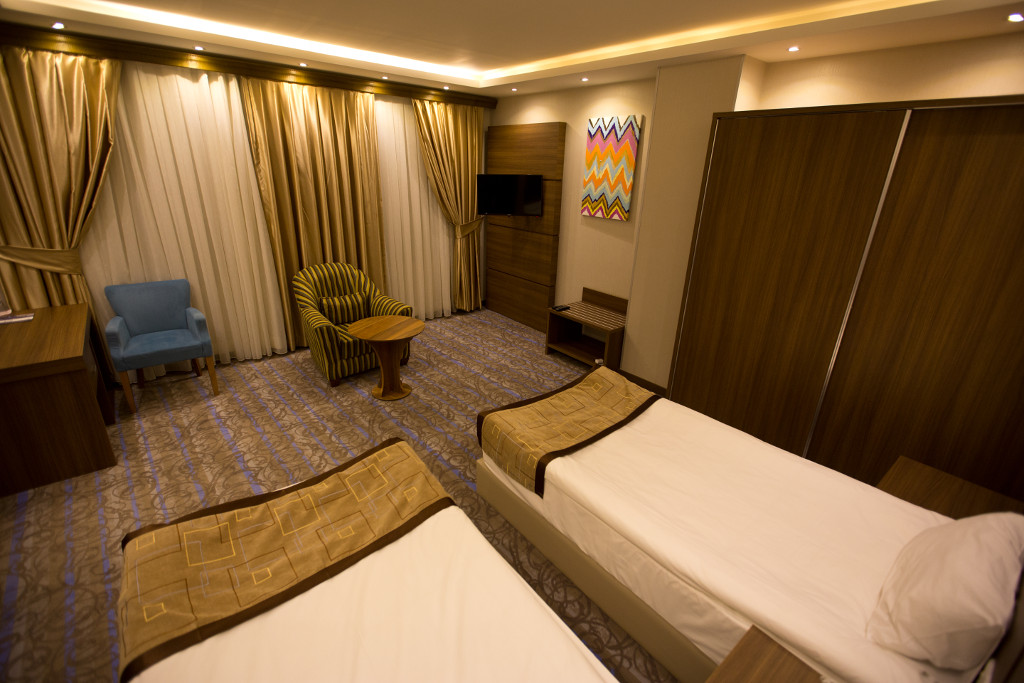
The hotel was only 6 months old, and got a great room for $80 (including breakfast).
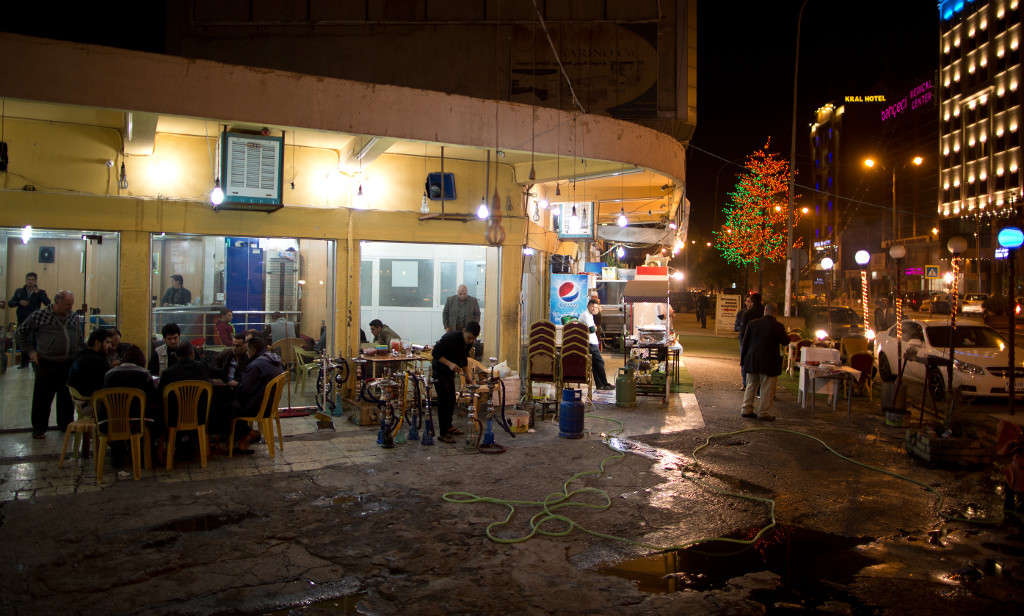
I then went for a walk through the streets to explore and grab some dinner.
A couple of kebabs, a fruit smoothie and some water for 3,500 dinar (~$3).

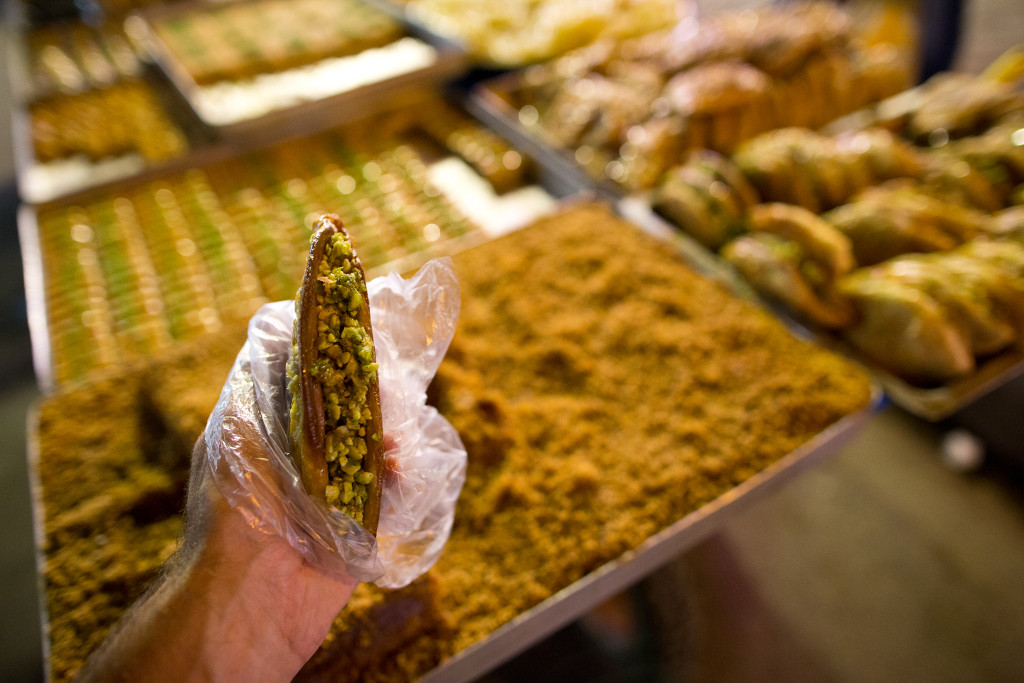
Father and son at a street side sweet/pastry stall.
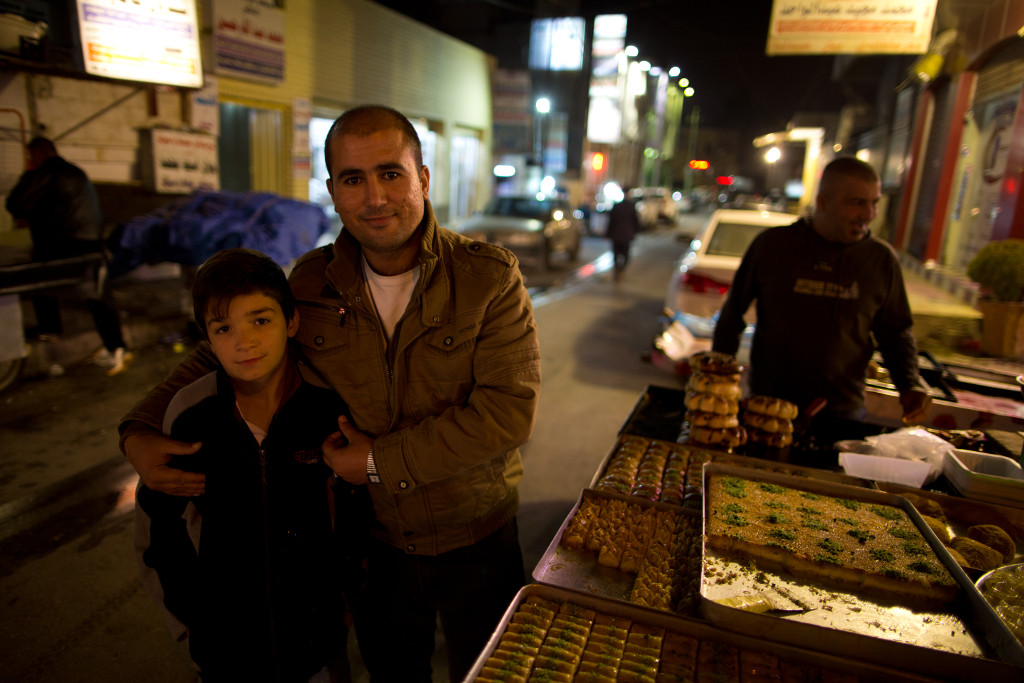
And I couldn't resist having some too
.
 Day 3.
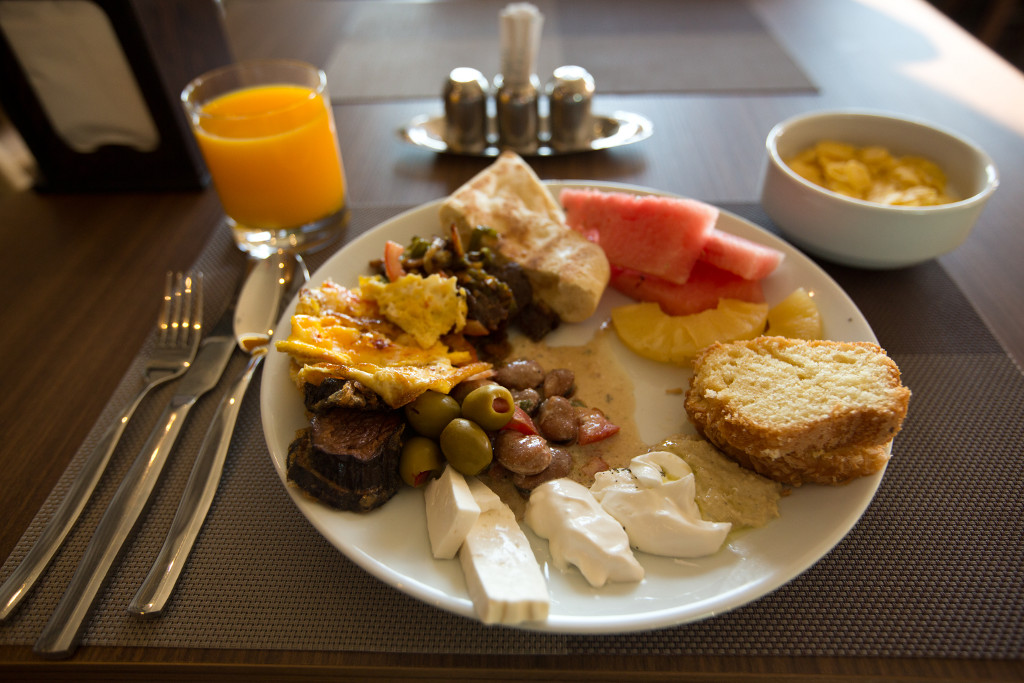
A decent breakfast at the start of day 3.
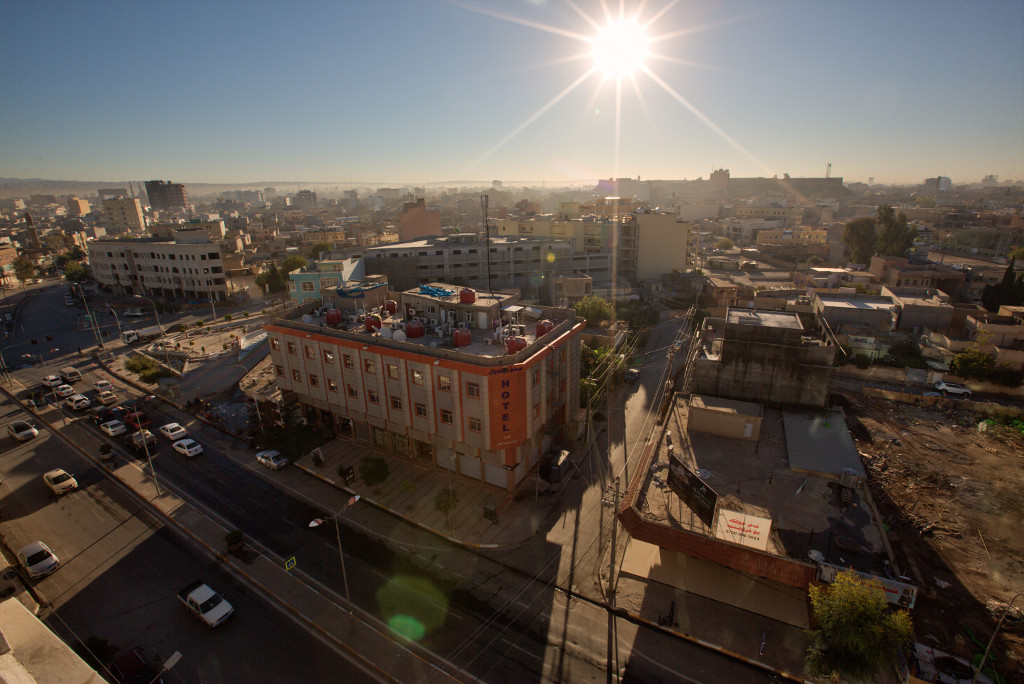
The view from my room on the morning on day 3. The Erbil Citadel, claimed to be the longest continuously inhabited urban-area on earth (for ~8000 years), on the horizon.
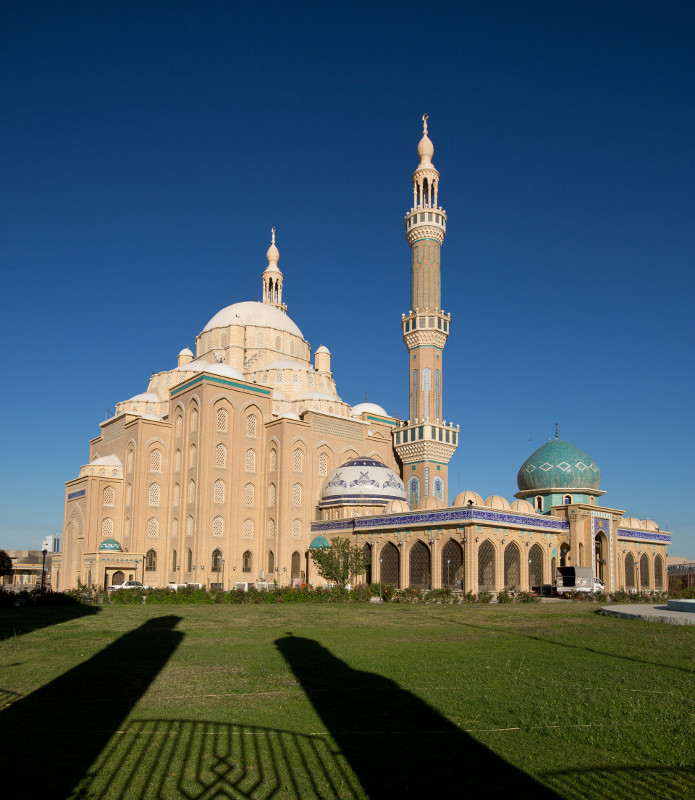
Erbil's Jalil Khayat Mosque, modelled on the Blue Mosque in Istanbul.
The road to Mosul...now closed.
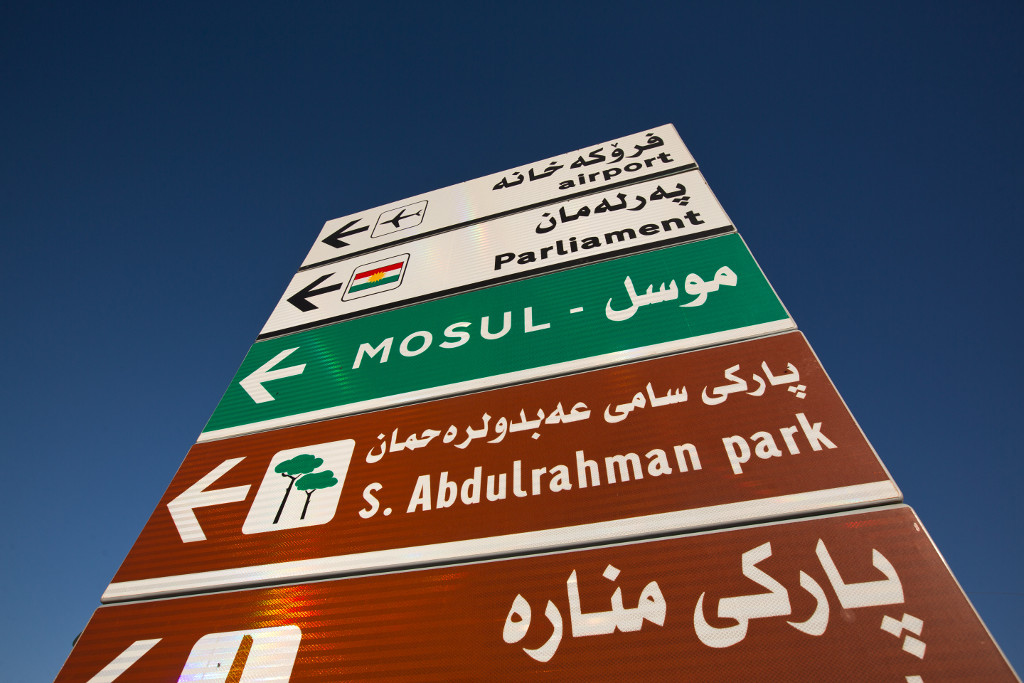
I then walked into the centre of Erbil to see the Citadel. Until recently, it was home to Erbil’s poorest residents, many of them refugees who had fled war-torn regions of Iraq.
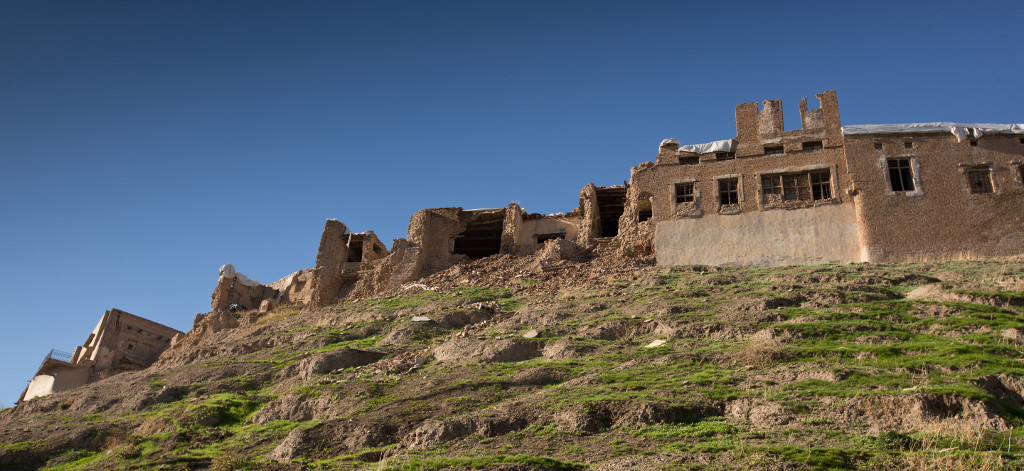
In 2006, the Kurdish government relocated the residents to allow for the restoration of the crumbling walls and buildings.
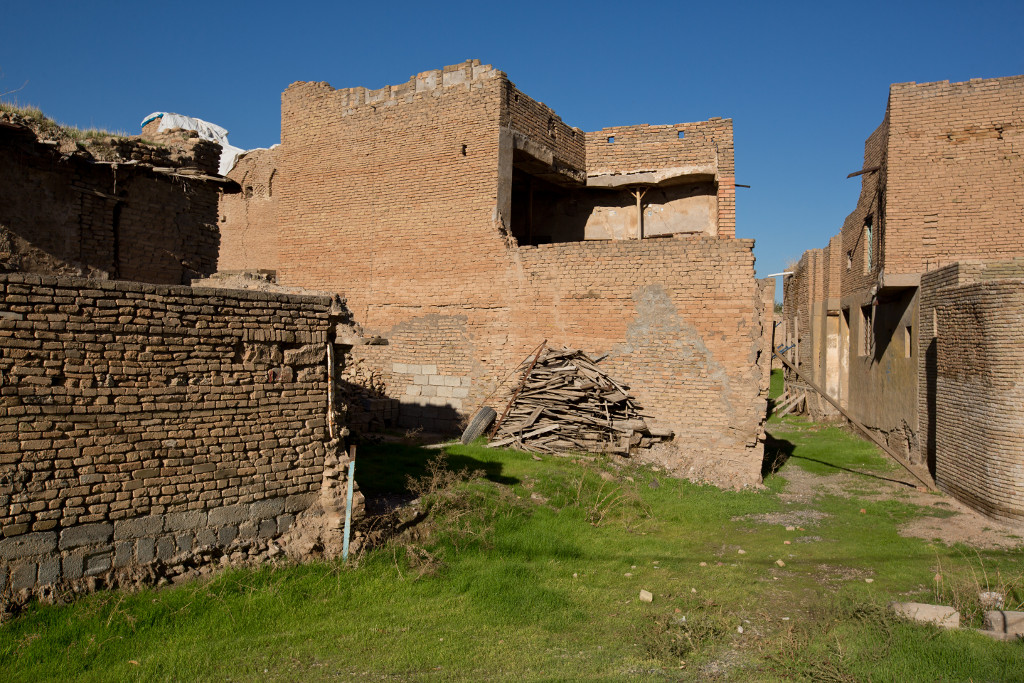
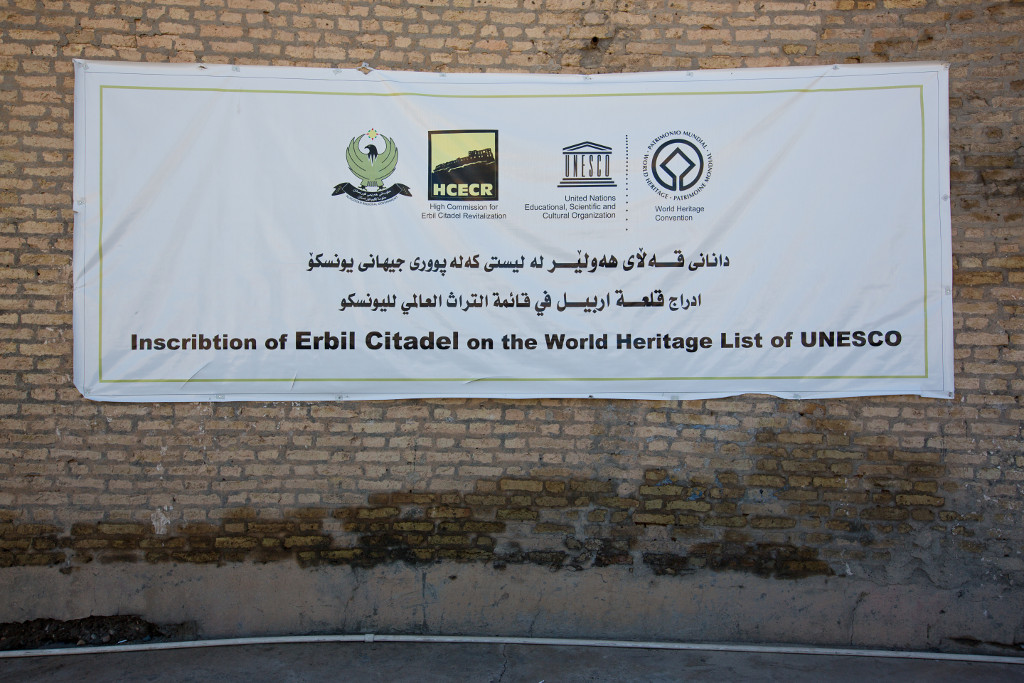
UNESCO and the KRG are slowly rebuilding and restoring the Citadel.
One family remains in order to not break the continuous habitation streak.
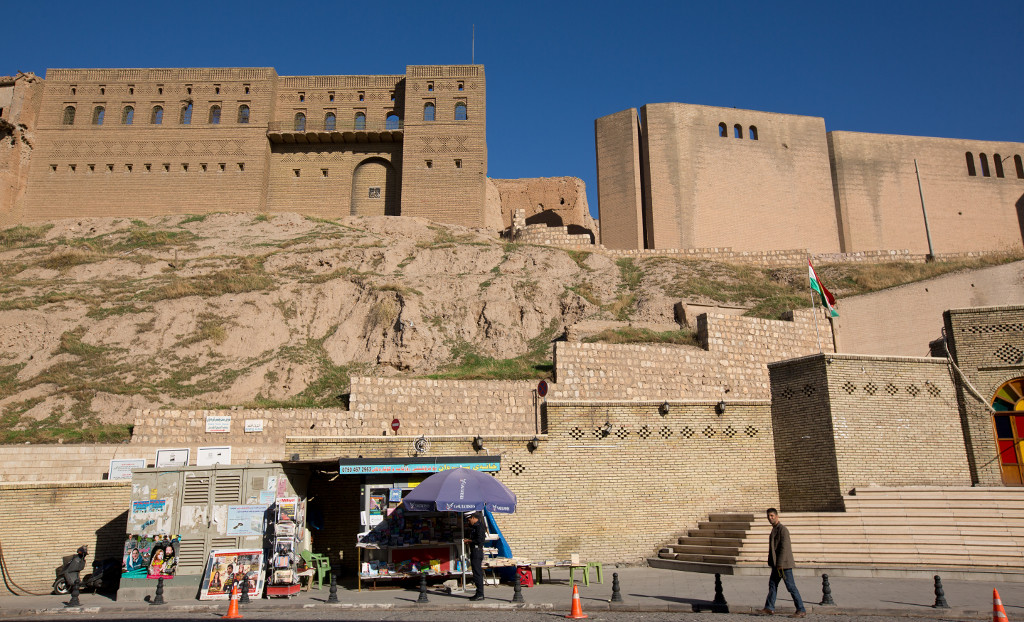
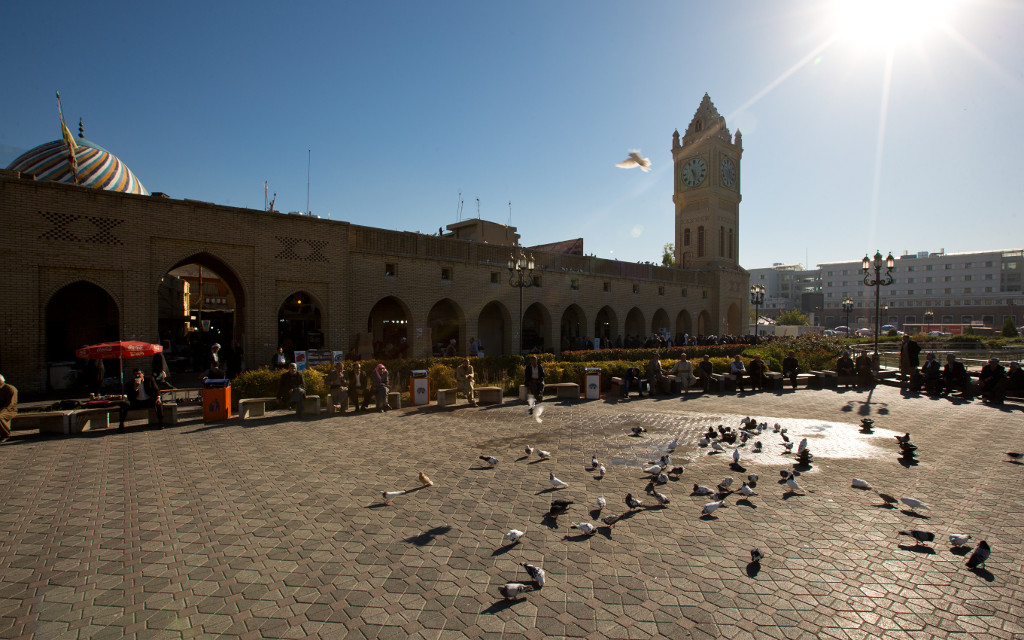
I then walked south through the Citadel Square.
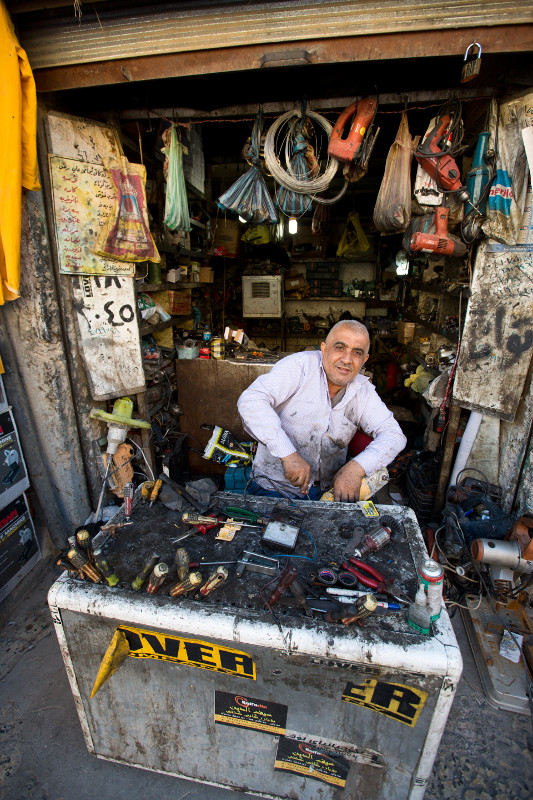
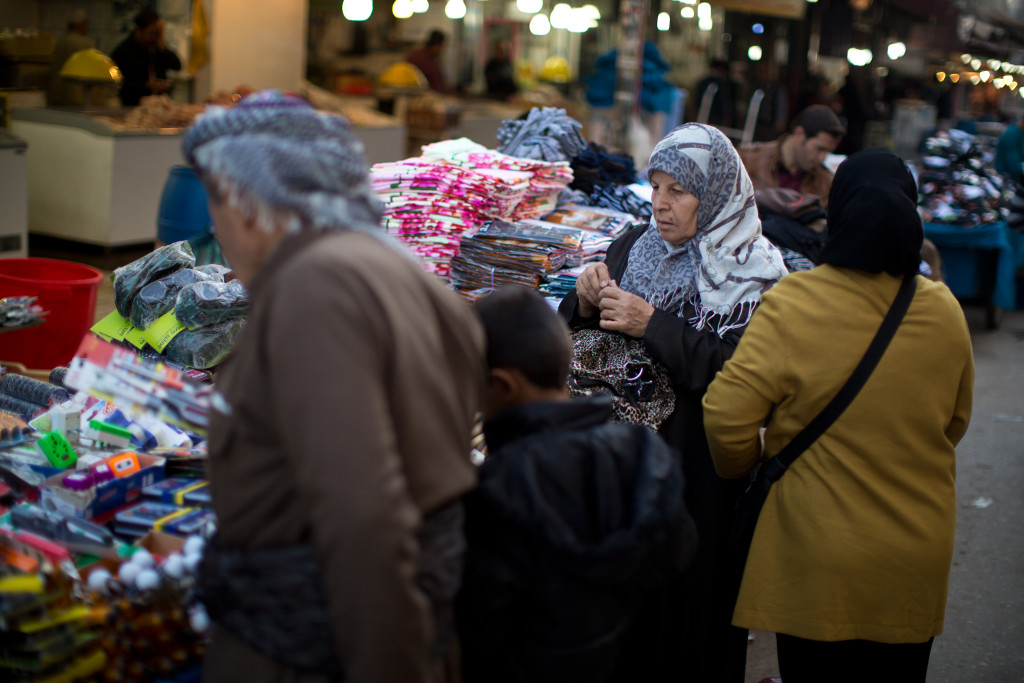
Power tool repair. And wandered through the lively markets.
A great place to take in the atmosphere of bustling Erbil.
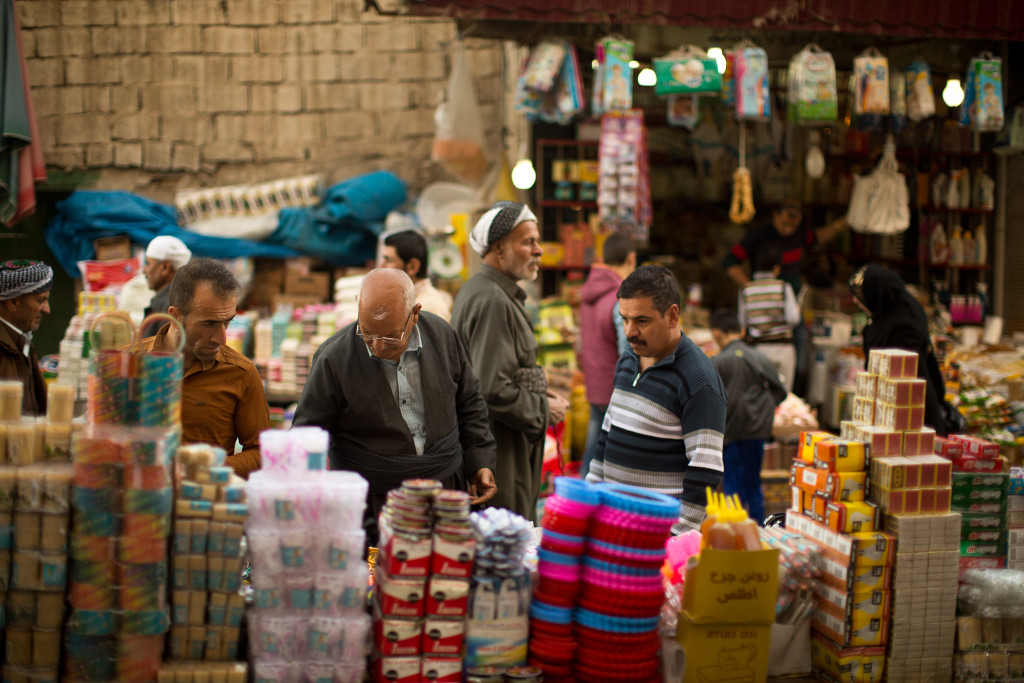
Family.
Cemedanî.
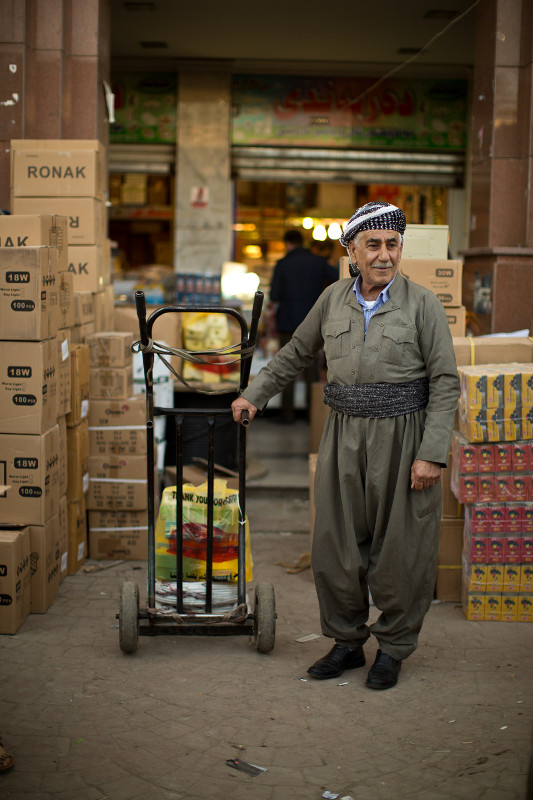
Above.

While I was in the markets I was hassled by a ~12 year old girl who was begging and whom I guess was a refugee from the recent conflicts. I normally just try and ignore this and walk away, but she was literally trying to pull my arm out of its socket, and refused to let go. I offered 250 dinars, but she refused and wanted more. I tried to break loose but she started pulling on to my shirt instead. I eventually got frustrated and screamed out loud 'La, La, La!!!' (no, no, no) and she took fright and scampered off.
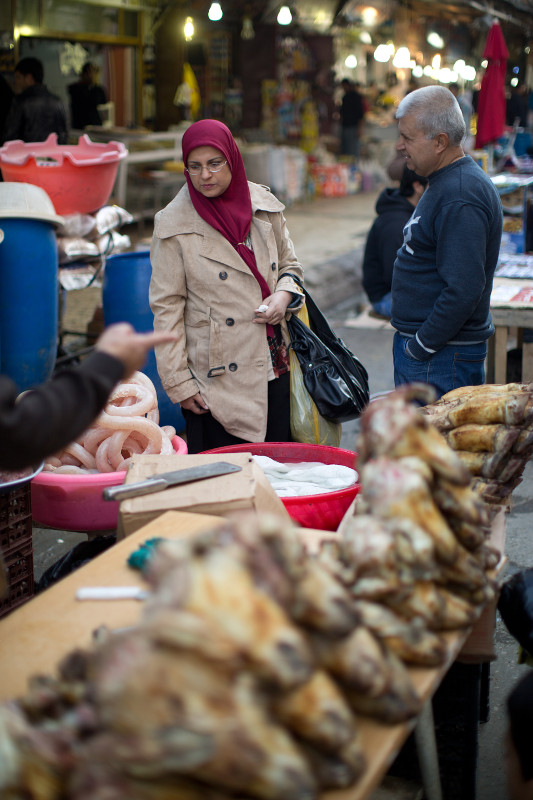
At the butcher.
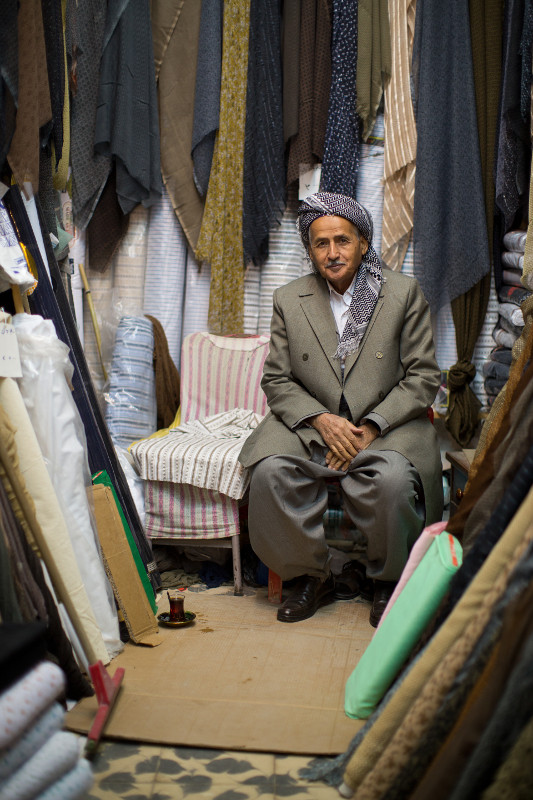
Tailor.
Qaysari Bazaar.
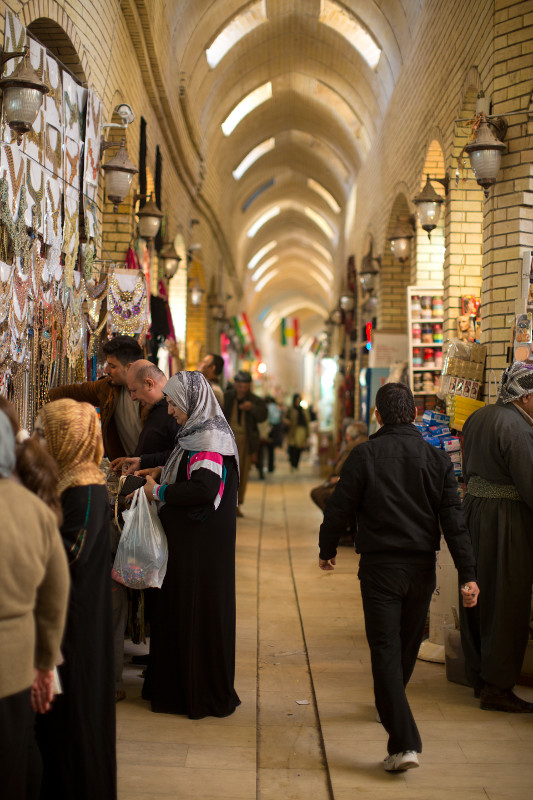
I then took a break and had some chai.
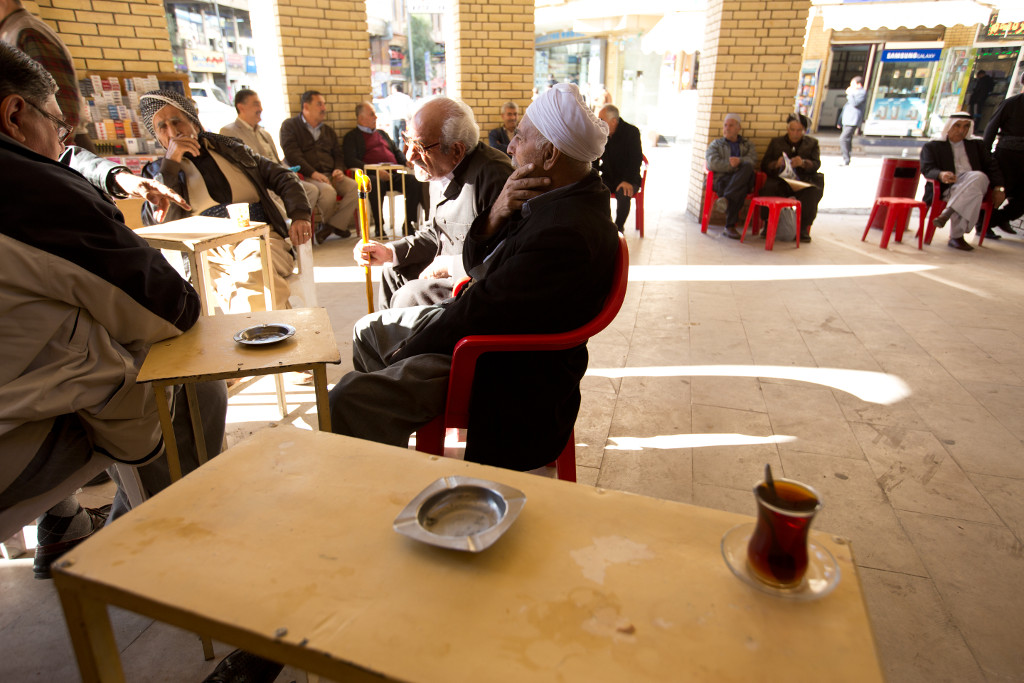
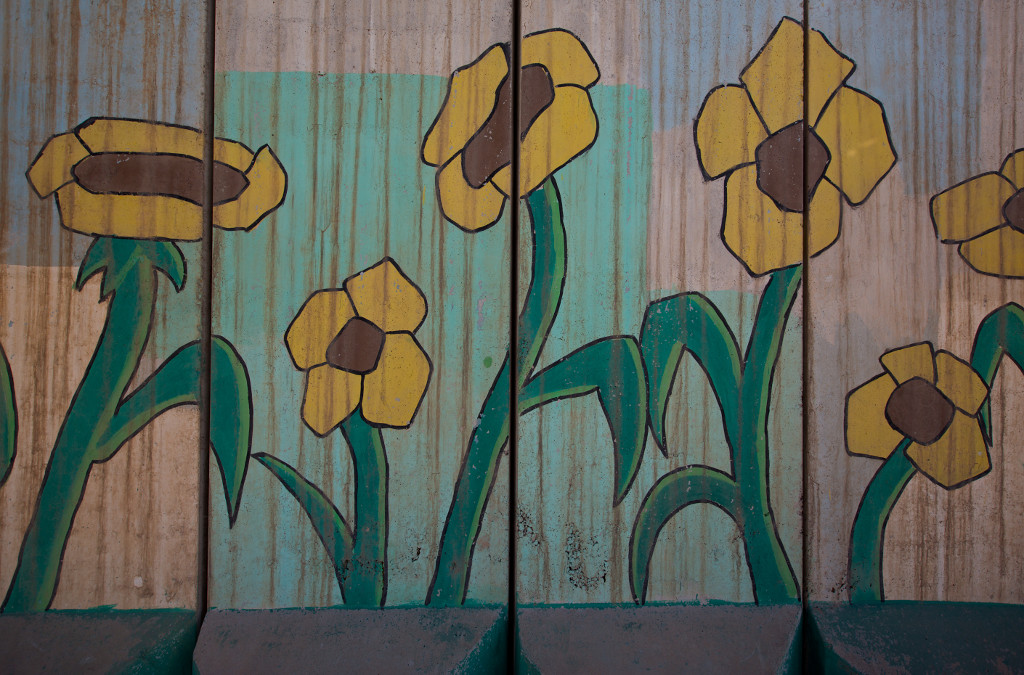
Flowers painted on the 6 metre tall blast walls surrounding the Kurdish Parliament.
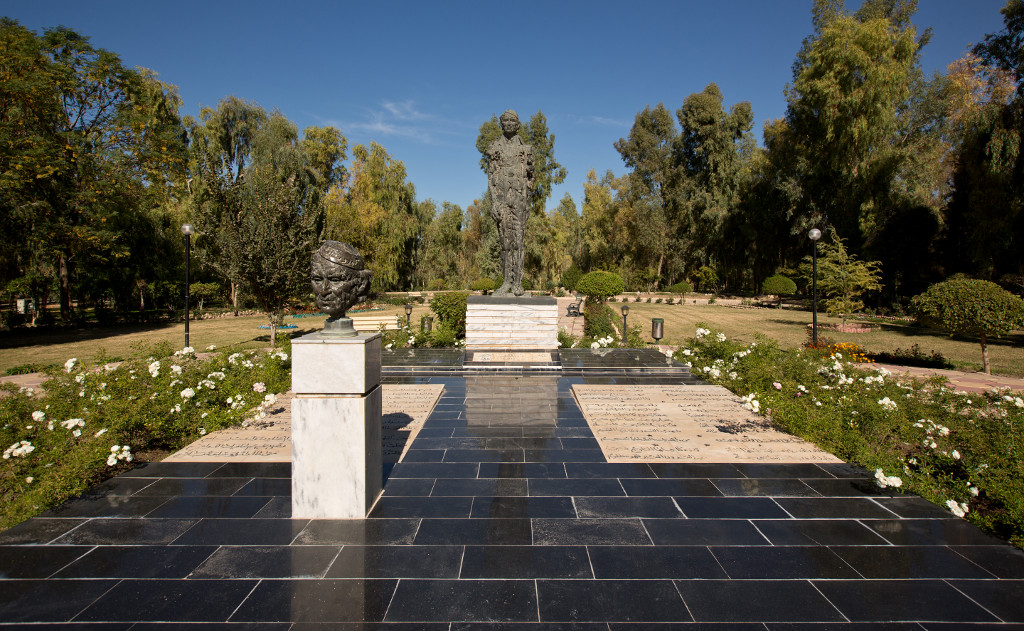
At Martyr Sami Abdul-Rahman Park.
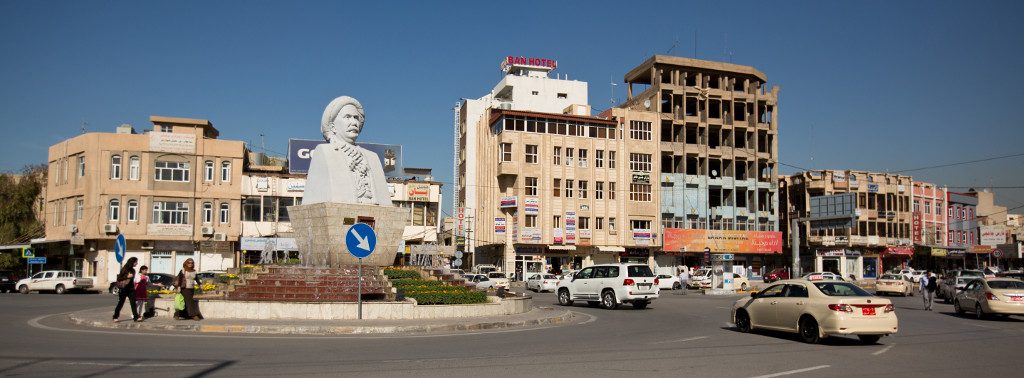
Roundabout.
At a 'DIY' kebab shop for lunch. 2,000 dinars for 2 bottles of water and a lamb kebab.

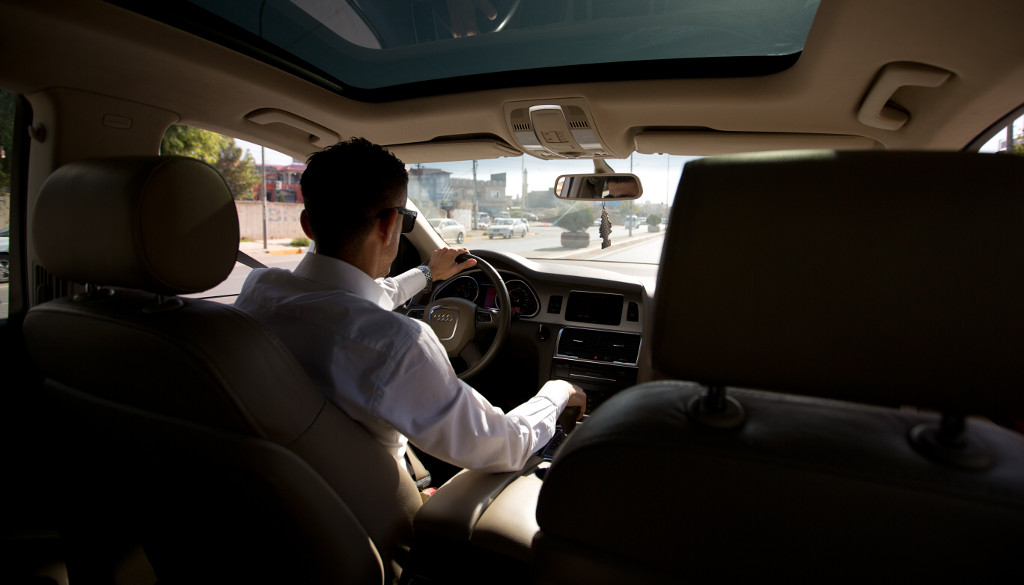
In the hotel Audi for the ride to Erbil Airport.
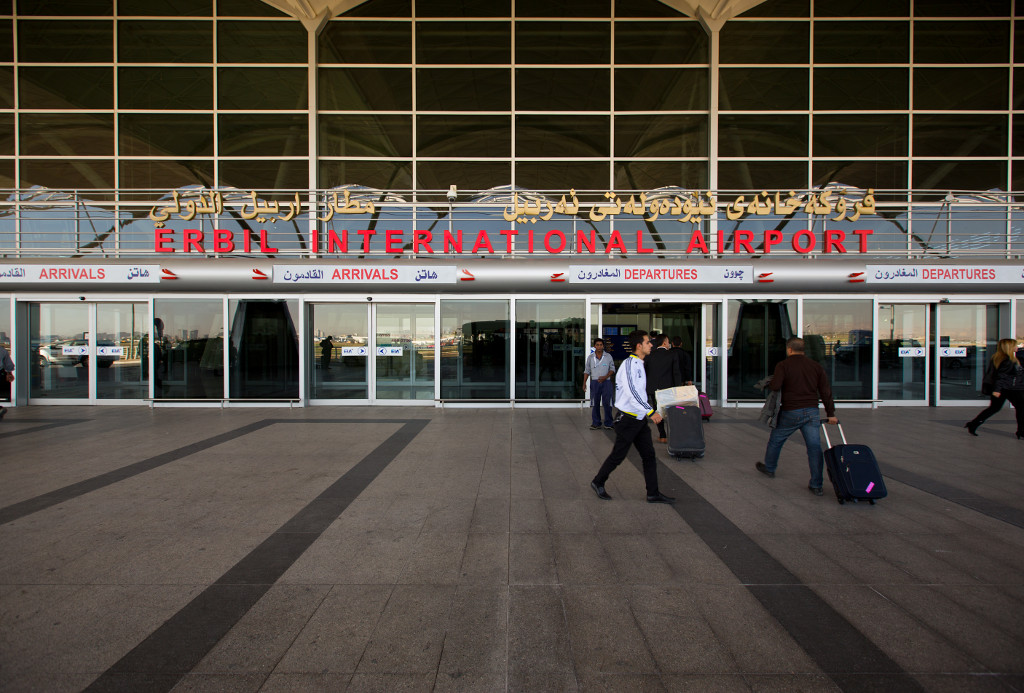
Erbil Airport was probably the most secure airport I have visited. The hotel car was searched, passport checked as well as a pat down at the checkpoint at the main entrance. You then drive on to a security building and have your luggage x-rayed etc., and then catch a bus for the 2 kilometer ride to the main airport building.
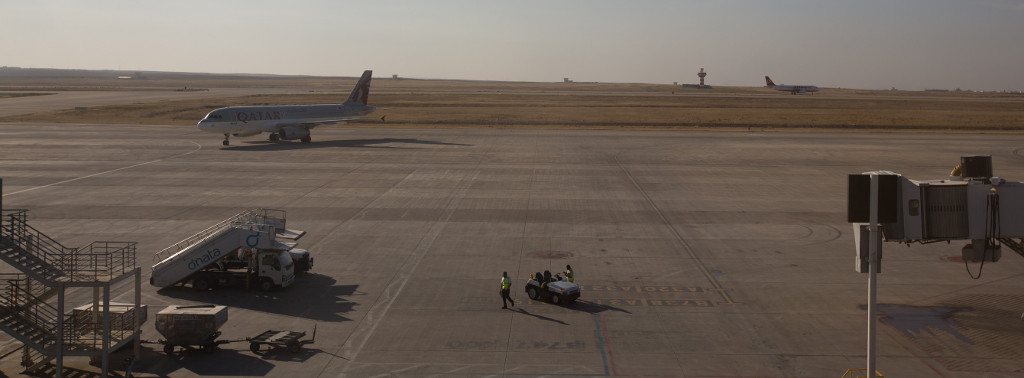
The QR A320 taxiing to gate after arrival from Doha. Also on the horizon is numerous watch towers on the airport perimeter that look out in the direction of Mosul.
After take-off the aircraft did numerous steep turns in order to quickly gain altitude and minimise the chance of possible ground attack. Although all the UAE airlines (Emirates, Etihad, Air Arabia and Flydubai) pulled out of flying to Erbil (and why I had to fly Qatar airways) in the wake of ISIS, Flydubai has recently resumed flights again.
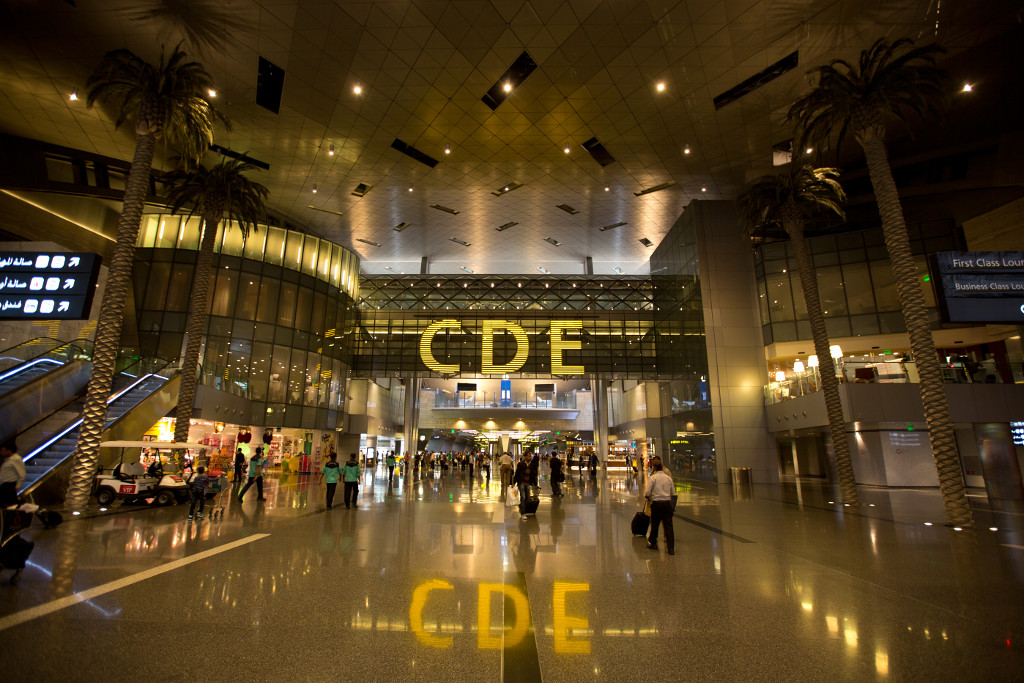
At Doha airport again for the final flight to Al Maktoum International (DWC).
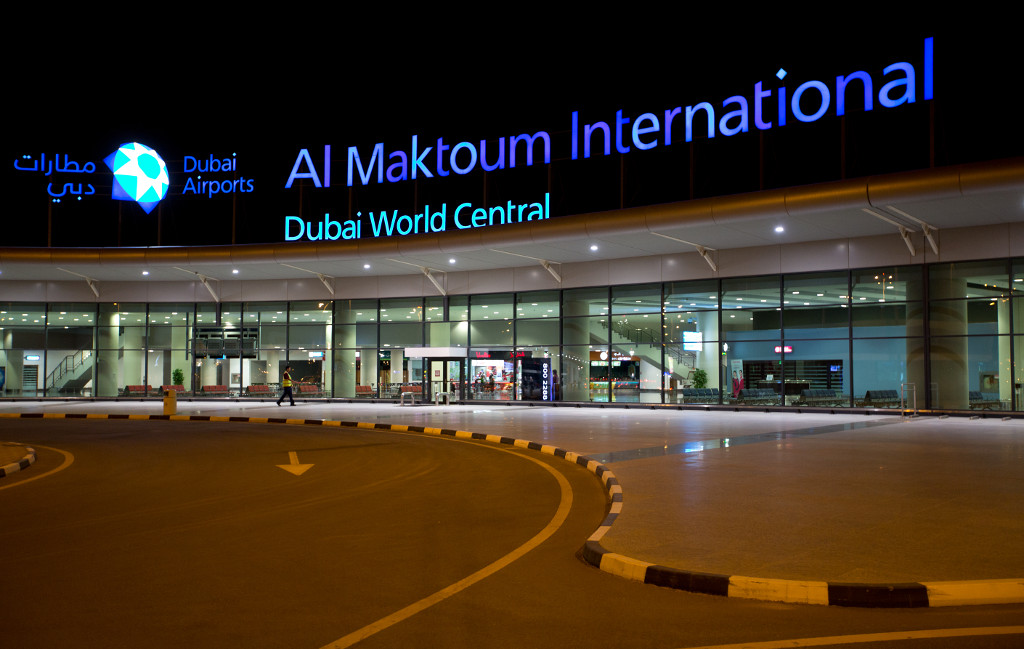
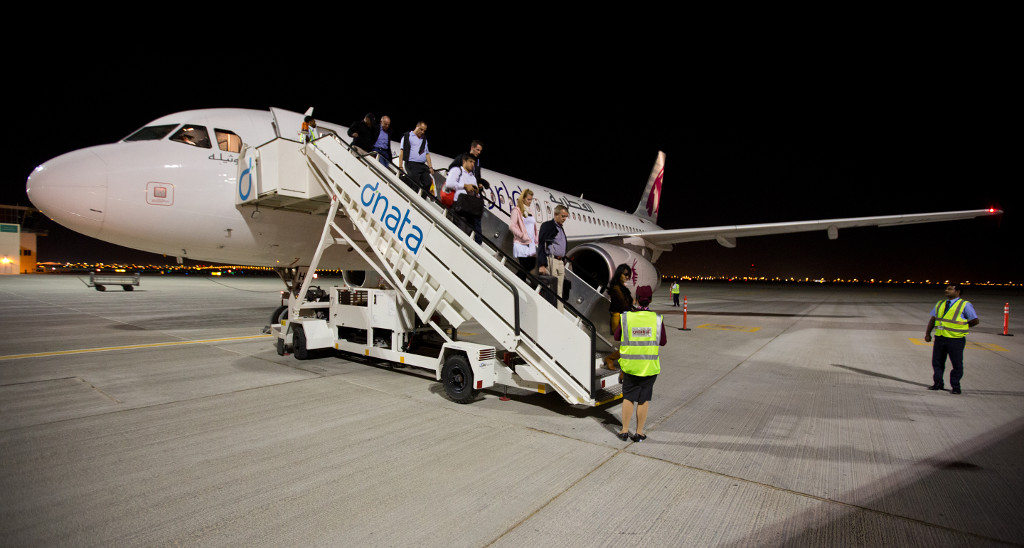
After landing at DWC. Quite eerie to land back in Dubai with no other aircraft in sight
.
And about to catch a taxi home after a great few days in Northern Iraq
!