One of the more annoying popular gadgets of recent history has to be laser pointers. With the exception of taunting cats and dogs, there are very few practical applications for most people who own them. Yet they remain popular with morons – especially morons that live in the flight paths surrounding airports. Unfortunately, a moron plus $10 can equal catastrophe.
No one who has been arrested for shining a laser onto an aircraft can seem to give a good answer for why one would do so. Most of the time, it’s a solitary player game of, “can I hit that flying thing?” Despite many warnings to not do this, people all over the world continue to try, and regularly succeed. And while there may seem to be no harm in shining a little green dot from your backyard onto an airplane overhead as it gets ready to land in a nearby airport, the potential for disaster is huge.
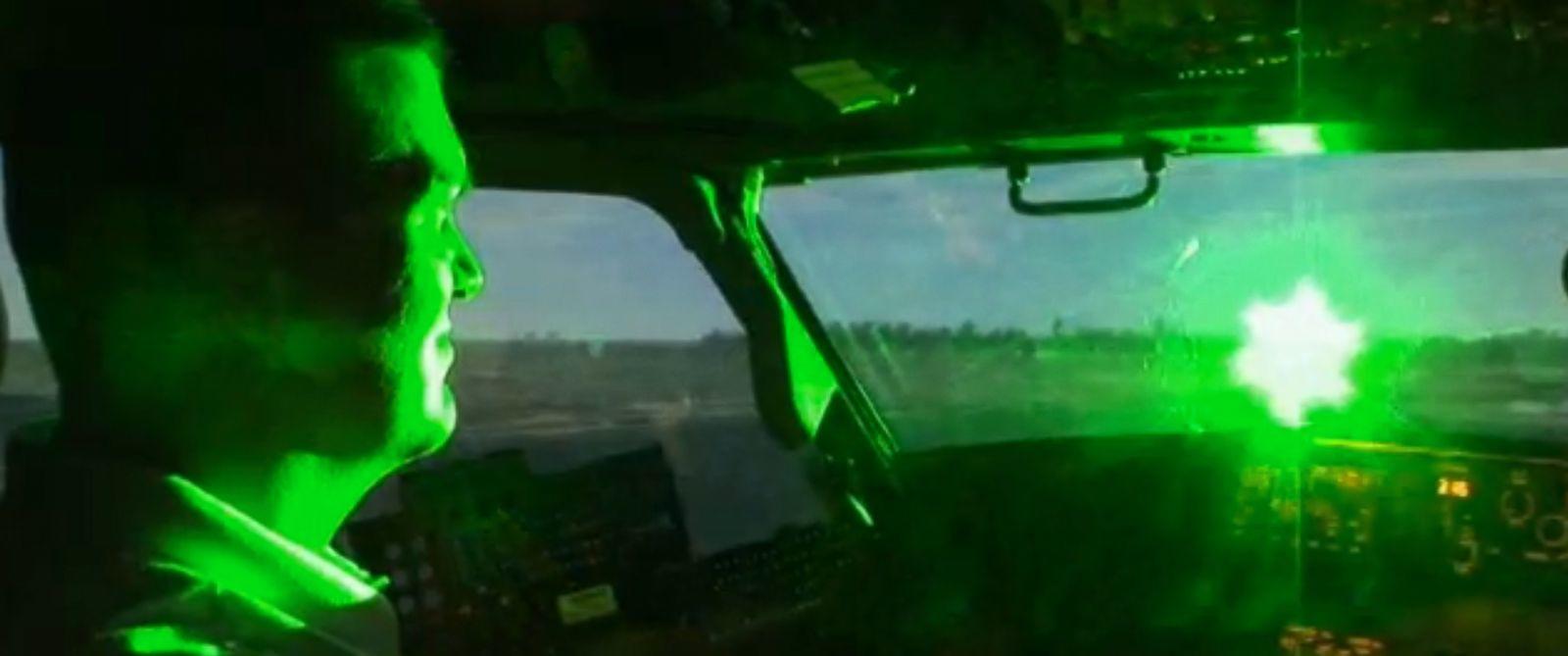
Lasing, as it’s called, is no joke. What seems from the ground to be a little dot looks much different from the window of an airplane…and also is unavoidable. The powerful beam of even just a standard laser pointer, when hitting an aircraft, spreads and illuminates the whole cockpit with a blinding light, which then causes temporary blindness and even pain and eye injuries. Lasers can reach heights of up to 12,000 feet, affecting pilots in the most critical phases of flight – landing and takeoff. Chances are, these laser incidents have been without malicious intent, but are rightly treated as such by law enforcement,
who have doled out prison sentences as stiff as 14 years for using the devices so foolishly. You would think, with the penalties handed down, that these incidents would be on the decline, but they continue to rise; as of May 28th,
the number of reported lasings in the US was 2,925 – an increase of 33% from 2015. Just last week,
it was reported that multiple planes in the airspace around DTW airport experienced lasings, and by the time this article is published, there will most certainly have been more.
Over the years, I have been on several aircraft that have been lased, and thankfully, the only indication I’ve had that it happened was the pilots telling me about it on the ground afterward, and watching them stay behind as they fill out a mountain of paperwork. But while we have yet to see an accident directly related to laser pointers, it can absolutely happen. In fact, I find it amazing and a testament to the skill of commercial pilots and ATC that there have been none since this has become an epidemic over the years.
It’s amazing just how much harm a single stupid person can inflict on scores of other people with simple, legal, store-bought technology. Between lasers and drones (the latter of which once resulted in a terrifying emergency landing for me, resulting in no injuries or evacuation, thankfully), we’ve given too much power to people who are completely reckless and irresponsible. Of course, as they say, you can’t fix stupid, but we can quit marketing powerful tools to them.
[Photo: FAA]
























 Amanda Pleva November 15, 2016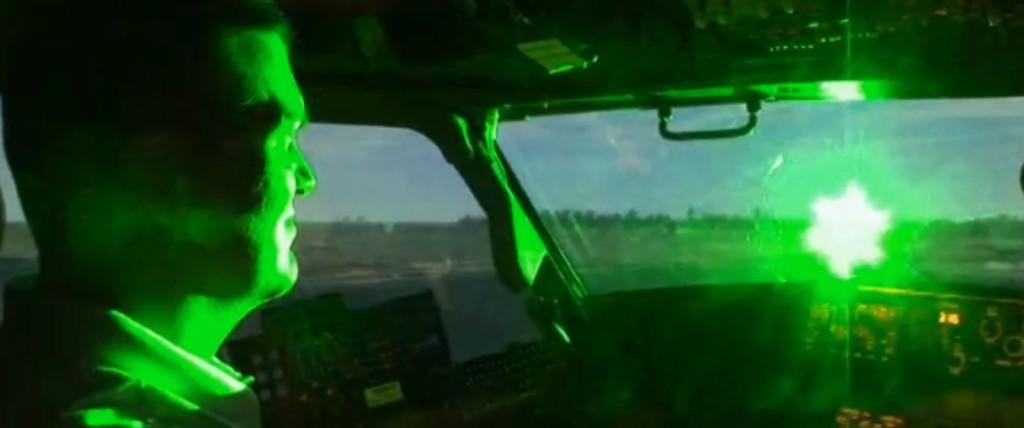





A lot of complaining about stupid and uneducated people here while entirely missing the mechanism why laser light is harmful. A green laser pointer hardly ever exceeds 300mW or so in output power, widened up to 3000 feet and deflected through cockpit windows it doesn't douse the cockpit with bright light, it delvers about as much power as a decent LED. The danger originates solely from the fact that the light is highly coherent and hence the green light can be focussed to a diffraction limited spot on the retina by the eye which leads to dangerous flux densities. The harm comes from the concentration, not the absolute power. And with the eye nerves being part of the central nervous system, a strong irritation and pain reaction follows.
Airplane manufacturers are looking for alternative solutions, such as one from MetaMaterials, a Nova Scotia company, who are developing films which can disperse the light from lasers, therefore protecting the pilot