















Where Did “Coach” Come From?
 Joe Cortez August 13, 2015
In the spirit of #TBT (“Throwback Thursday,” not Brazil’s Tabatinga Airport) FlyerTalk takes a look back at the events that helped shape modern aviation. Here are just a few moments from history that changed the face of the industry during the week of August 9.
August 9, 2010
JetBlue flight attendant Steven Slater made headlines around the world, after promptly deciding to leave his job with the airline. After an altercation with a passenger over retrieving luggage after landing at John F. Kennedy International Airport (JFK), Slater made some select comments over the aircraft intercom.
The flight attendant then took a beer from the galley, opened the emergency exit and slid down the evacuation slide. He was later arrested at his home and plead guilty to criminal mischief.
August 10, 2002
After months of tumultuous finances, US Airways became the first airline to declare bankruptcy following the September 11 terrorist attacks.
In their official history, US Airways writes the bankruptcy was part of a reorganization plan in order to become “a leaner, more competitive carrier.” US Airways would go bankrupt once again in 2004, prior to being acquired by America West Airlines.
August 11, 1995
Brazilian aircraft manufacturer Embraer celebrates the first flight of the ERJ-145, a regional jet evolved from the turboprop EMB 120 Brasilia. The aircraft became an immediate success in regional markets, with ExpressJet becoming the first airline to fly the regional aircraft.
Today, it is estimated over 500 ERJ-145 family aircraft fly over the U.S., primarily operated by regional carriers operating on behalf of mainline carriers.
August 12, 1946
After an act of Congress, President Harry S. Truman signs the bill authorizing the creation of the National Air Museum as a separate bureau of the Smithsonian Institute.
The museum’s first official home was made in a Quonset hut, before opening a separate building in 1976. Today, the National Air and Space Museum receives over 7 million visitors annually.
August 13, 2001
After facing competition from low cost carrier Southwest Airlines, Midway Airlines abruptly declared bankruptcy, leaving hundreds of employees without a job overnight. Despite trying to reorganize multiple times and in multiple operating arrangements (including flying as US Airways Express), the airline would finally cease operations two years later.
August 14, 1932
After founding the Ninety-Nines with fellow pilots Amelia Earhart and Ruth Nichols in 1930, Louise Thaden would team up with Francis Marsalis to begin an all-woman flight endurance record over 196 hours. The two pilots flew a Curtiss Thrush biplane over Long Island, New York for eight days straight.
Over the course of the trip, the duo refueled their aircraft 78 times and made live broadcasts from their aircraft. In 1999, Thaden was enshrined in the National Aviation Hall of Fame.
August 15, 1945
The Soviet Union celebrated the first flight of the Ilyushin Il-12 — NATO reporting name “Coach” — one of the first Eastern commercial aircraft debuted at the end of World War II. The propeller aircraft was designed to become the replacement for the Lisunov Li-2 (a licensed version of the Douglas DC-3), with capacity for up to 32 passengers and a range of 810 miles.
The aircraft would officially debut two years later and ultimately see extensive service on many Eastern airlines, including Aeroflot, LOT Polish Airlines and Czech Airlines.
[Photo: RuthAS via Wikimedia Commons]


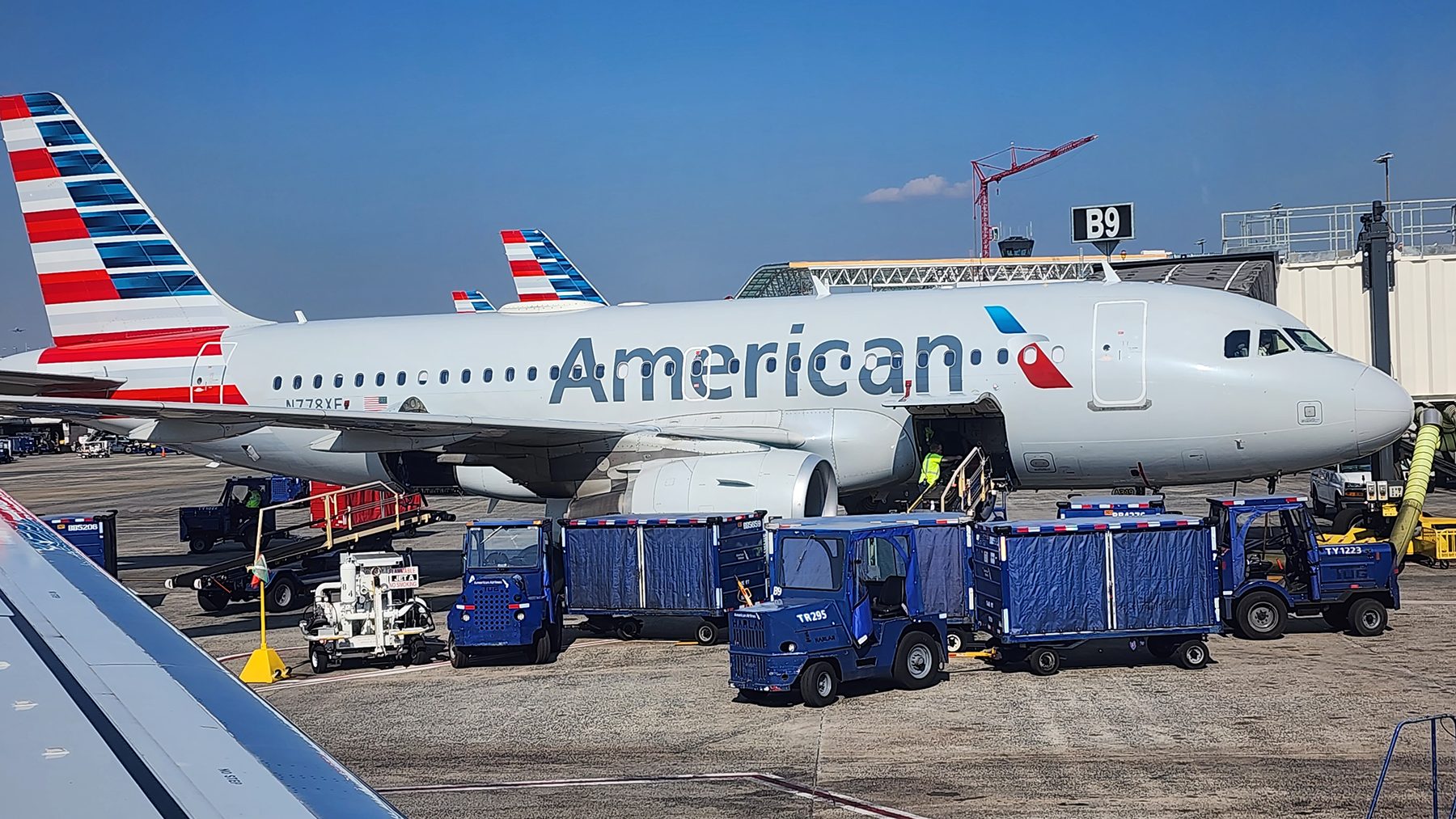


The IL-12's NATO designation was "Coach" which had nothing to do with the class of service, simply how NATO military forces referred to the a/c.
The term "Coach" as an airline term reflects the fact that in the early days, airlines largely competed with railroads. "Coach" was the standard grade of accommodations on the railroads; "Pullman" was "First Class." The term "Coach" had nothing to do with Russian airplane types.
The NATO nomenclature for Soviet Bloc a/c types had nothing to do with manufacturer or other designation, but was type-based. Transport a/c were given names beginning with "C", while fighter/attack a/c were given names starting with "F" (as in 'Fagot", "Fresco").. The names were selected for simplicity, ability to be pronounced by aircrew and air controllers whose native languages might be from any of the original NATO country. Accents could play Hell with pronunciation and comprehension over voice radio links.
In the 50s there were no Czech Airlines only Czechoslovak Airlines.