



















The Truth About Cats And Dogs And Planes
 Joe Cortez April 01, 2018
When it comes to commercial aviation, more animals are making headlines. Whether it’s a peacock involuntarily denied boarding or a dog that gets sent to Japan by accident, both the good and bad in animal aviation is coming out. Are situations involving animals this common on airplanes? And how safe are your pets when they fly?
If you have read any digital publication about aviation recently (this one included), none of the opening months of 2018 have gone by without some mention of an animal.
The Incidents
It started in January when a flyer tried to bring their “emotional support” peacock aboard a United Airlines flight (it was denied at the gate). Then in February, another flyer accused Spirit Airlines of forcing her to flush an “emotional support” hamster down the aircraft lavatory (a spokesperson for the low-cost carrier denied the allegations).
United was involved in two more high-profile animal incidents in March when a French Bulldog puppy died after its carrier was allegedly forced into an overhead bin by a flight attendant. One day later, they misdirected a dog, sending it to Japan instead of its intended destination of Kansas City, Missouri. Even worse, the German Shepard did not earn United MileagePlus miles for the misdirection.
Are situations involving animals common on airplanes? If so, why are we not hearing more about them? To understand just how our four-legged friends are being treated in the friendly skies, we took a look at airlines’ animal policies, along with data from the U.S. Department of Transportation on animal incidents to see how bad the problem really is.
The Rules
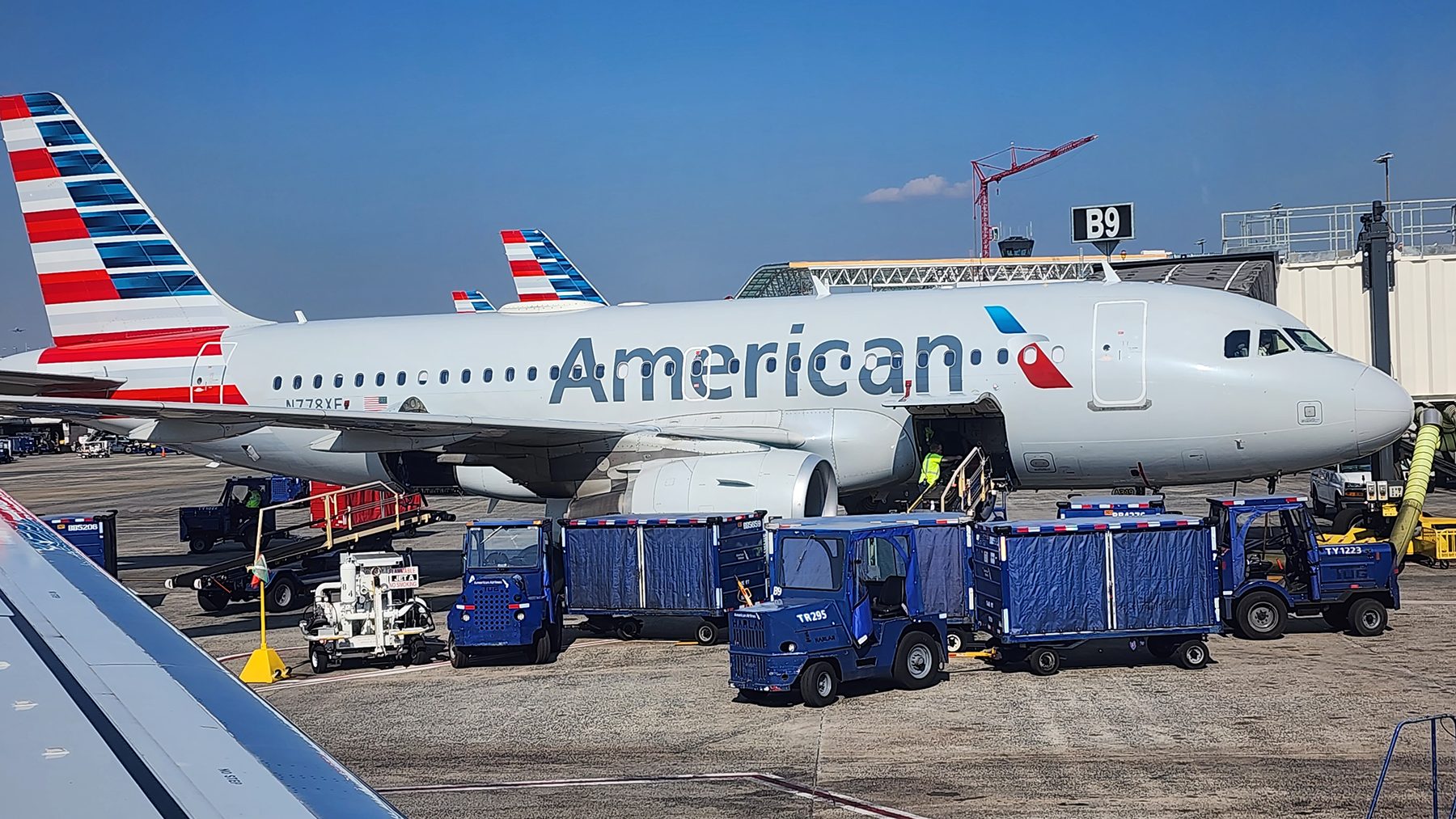
American Airlines has very liberal pet travel rules for dogs and cats, with restrictions on which animals can travel in the main cabin, or shipped as cargo. Brachycephalic cats and dogs (like Pugs and Himalayans) can’t travel as cargo, and all animals are prohibited on most Airbus A320/A321 types. American flights are limited to seven animals on board (not counting service animals), while American Eagle flights are limited to five. There is a fee for transporting animals that are not service animals.
Delta Air Lines and United have more complex rules but are much more comprehensive in nature. Dogs, cats, birds, hamsters and even rabbits are all allowed to fly in the domestic main cabin for a fee, while dogs and cats can be transported in the cargo hold. The limitations? No animals can be on flights that last longer than 12 hours or fly to more than 12 destinations.
At United, animals are now only allowed in-cabin, since the carrier suspended their animal cargo program. Once again, dogs, cats, rabbits and most household birds can fly United for a fee but must be packed in a kennel that can fit under the seat.
But Just How Safe Are Pets?
So now that we know how animals can fly, are they truly safe in the skies? According to the DOT, 506,994 pets accompanied their companions on flights in 2017. The vast majority arrived at their destinations without any problems. However, there were 40 total incidents aboard American carriers, with United leading the way, possibly due in part to the fact they transported the most animals.
Only one pet was lost while flying – it was aboard an Alaska Airlines flight – while 15 were injured. United reported the most injuries with 13, while American and Delta each reported one injury. Sadly, 24 pets didn’t arrive at their destination alive: 24 went to the Rainbow Bridge while flying United, while Alaska, American and Delta each reported two fatalities.
Compared to the total amount of flying pets in 2017, there were only .79 incidents for every 10,000 animals transported. This breaks down to an incident rate of .00007 percent. Even United, which had an incident rate of 2.24 per 10,000 animals transported, had a total incident rate of .0002 percent.
Losing a pet is tragic. Having lost my fair share, it’s something that I would never wish upon another flyer. But every time we take animals into a stressful and unfamiliar situation, the risk is there. Veterinarians who have previously spoken to FlyerTalk recommend not only getting a pet exam before a big trip but to also tag kennels with the owner’s name, contact information and the pets microchip ID number. In addition, be sure to know the regulations of where you plan on bringing your pet. If you don’t have the right paperwork completed in time, your pet may be denied entry.
Pet travel can be dangerous, but the numbers show pets are safer now more than ever in the skies. By understanding airline policies and rules that govern pets in the cabin, you can reduce the odds of your pet becoming a statistic.



Or... Don't take the pet on travels!