























Shrinking Pool of Future Pilots Keeps Major Airlines on Edge
 Jennifer Billock July 01, 2016
In three years, major U.S. airlines expect to face a serious problem: they may start running out of pilots.
In three years time, major airlines may be facing a problem already hitting regional carriers—a lack of pilots to employ. According to a study by the University of North Dakota’s Aviation Department, airlines are heading into a pilot deficit of up to 15,000 less than needed. It’s not for lack of pay; some of the international flight pilots make between $200,000 and $300,000 a year. It’s that less and less people are choosing commercial aviation as a career, and the current crop of pilots is starting to age out at 65.
“That is one of the things in my job I get to worry about every day and when I go to bed at night,” Greg Muccio, a senior manager at Southwest Airlines, told Bloomberg. “The biggest problem is a general lack of interest in folks pursuing this as a career anymore. That’s what puts us in the most jeopardy.”
The main reasons for the slowing of new pilots, according to the University of North Dakota study, are that regional carriers—where new pilots cut their teeth—aren’t paying well enough, flight training and certification is prohibitively expensive, and a 2013 regulation change increased the number of flight hours required to become a first officer sixfold.
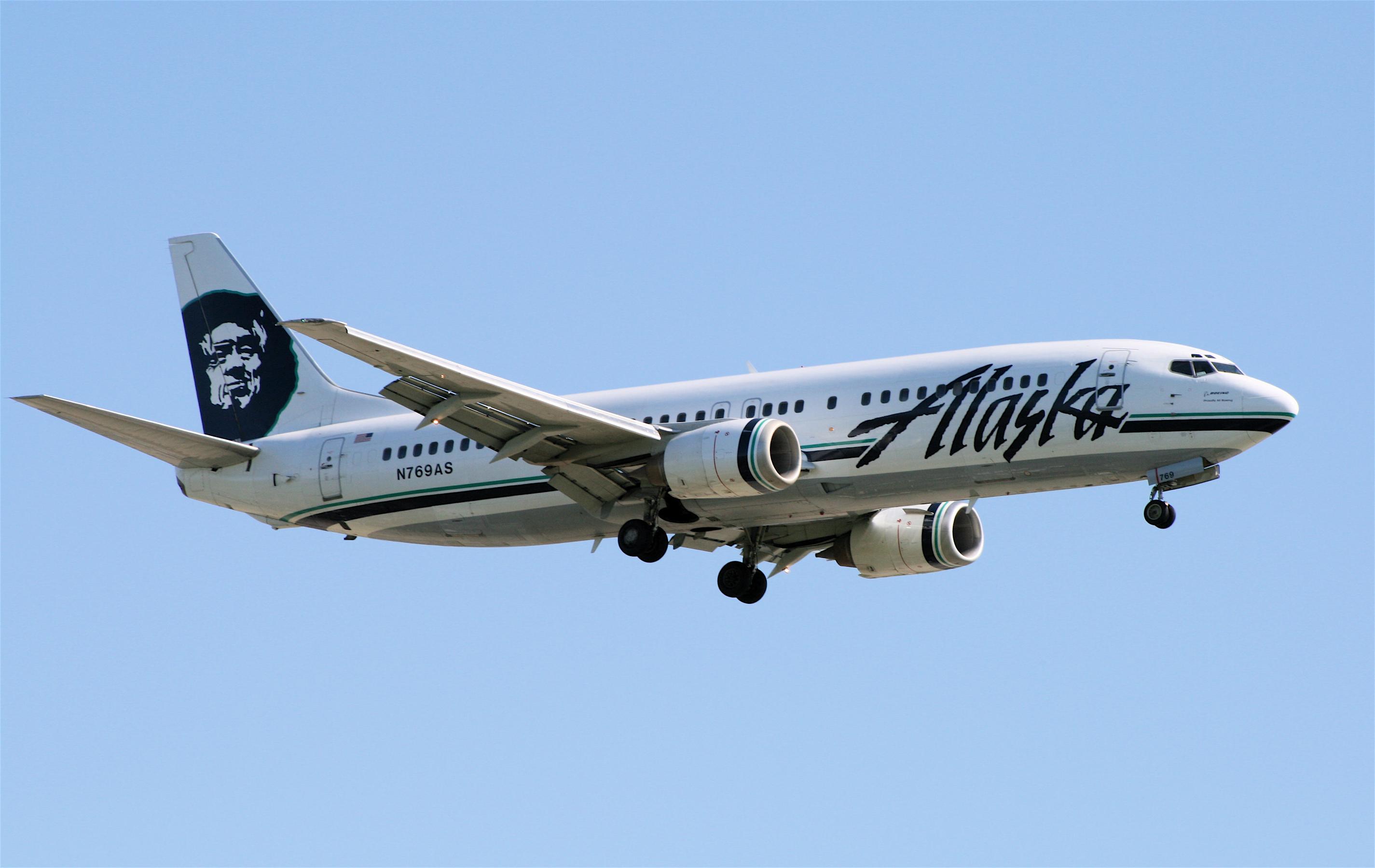
“The future is a little scary,” John Hornibrook, system chief pilot for Alaska Air Group, told Bloomberg. “The pool is just not as big as it used to be. That’s a concern for everybody down the road.”
[Photo: WIKIMEDIA COMMONS]
You’re Reading



Citing some international pilots as making $200K to $300K doesn't reflect the reality of new first officers here in the US nor what pilots will make until they've got a lot of seniority. And the cost of flight training (including tuition, room, and board) at UND ($170K) doesn't include all the flight time one needs to get an ATP rating and a job. So you graduate with a bunch of debt and then have to become a low-paid CFI until you've built up sufficient hours to be hired. I'm not blaming UND here. Flight training isn't all that cheap. It cost me plenty just to get my private pilot certificate at a local flight school, but I'm lucky that I only fly for fun, so I don't a massive debt ahead of me. I wouldn't consider a job in commercial aviation because of how long it would take to pay off the debts compounded by the lousy introductory work conditions of the regional airlines.
Well they'll have to do what they do in Asia: Airlines pay people to train to be pilots. The FAA here is already paying people to train as ATCs, so...