Researcher Proposes Elegant Airport Solution
 Jackie Reddy August 12, 2016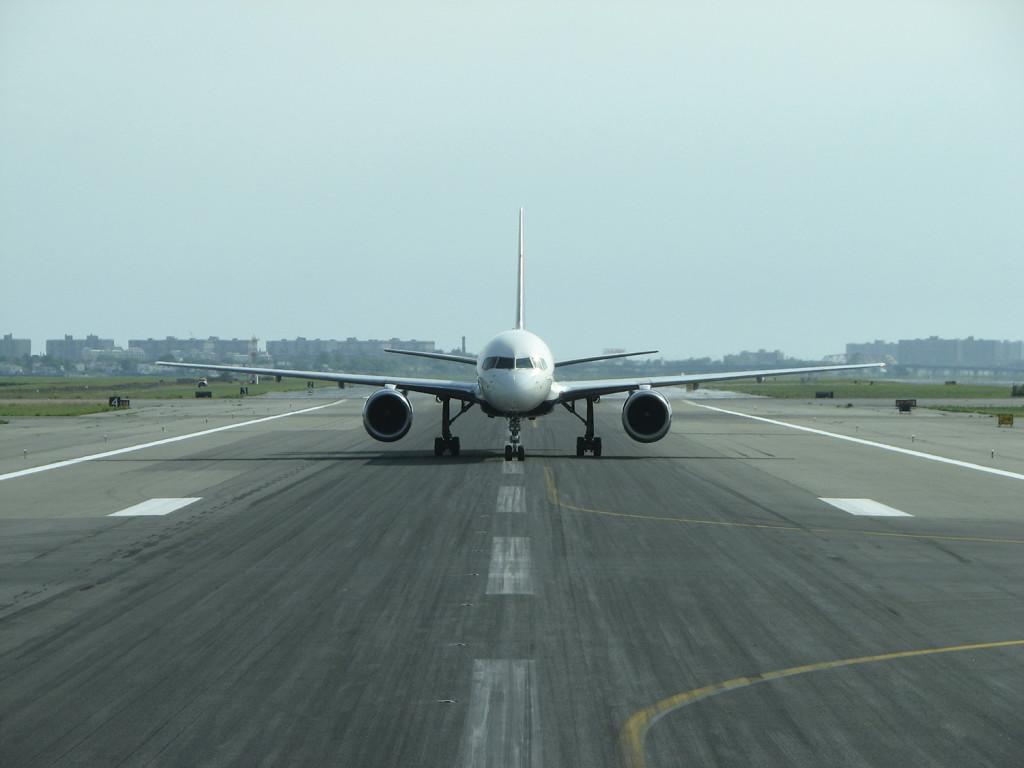
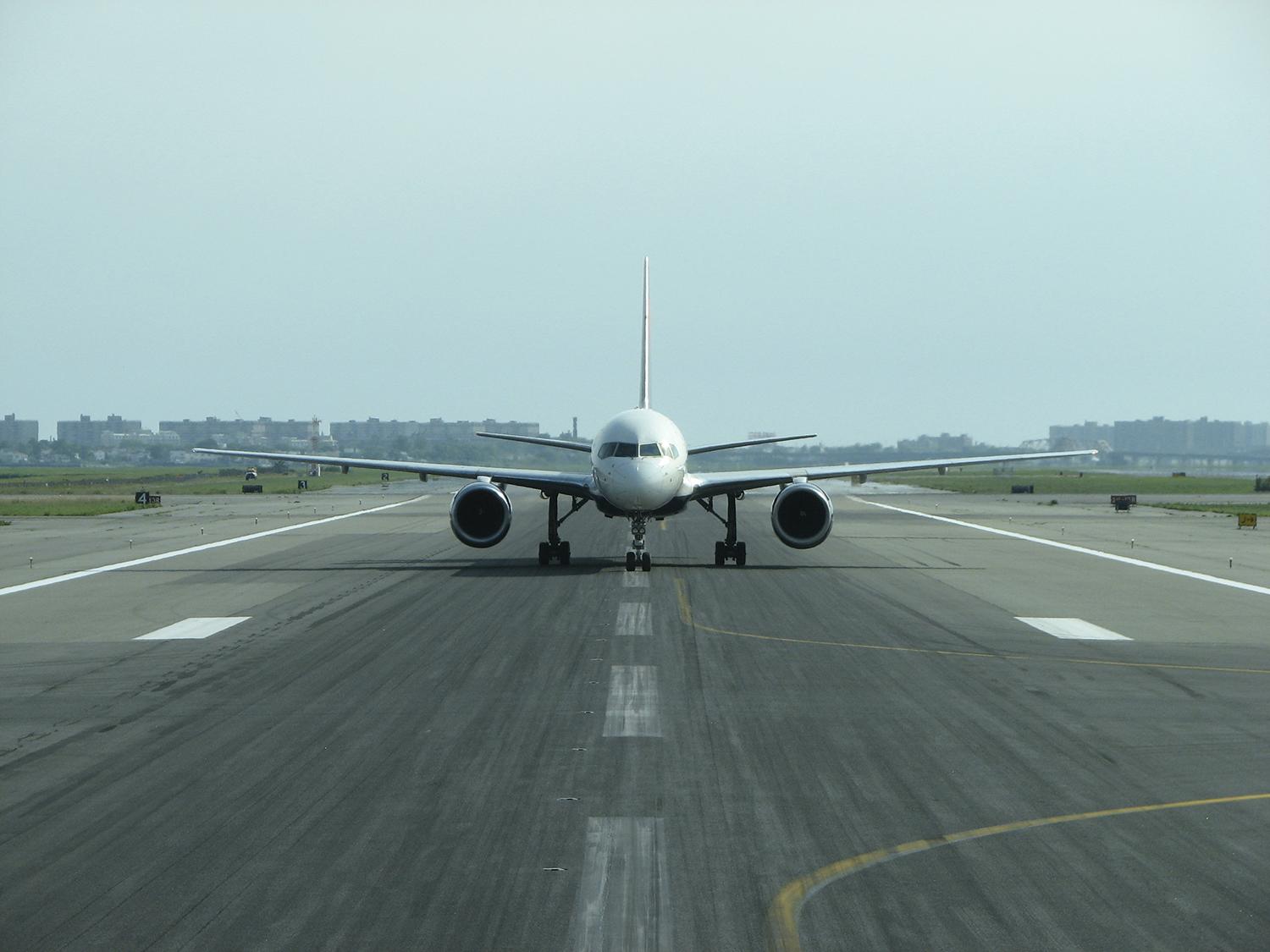
No improvements needed: Dr Chen’s framework relies upon carefully routing and managing ground traffic between taxi and tarmac.
Most travelers are all too well-acquainted with the delays associated with ground traffic at airports and as global passenger figures continue to grow, airport authorities are doing their best to manage the two issues associated with these high capacities. Up until now, many airports have relied upon improving their physical infrastructure or the levying of congestion fees to relieve both the delays and gas emissions caused by congestion.
But Dr Jun Chen of the University of Lincoln has presented a more elegant solution, one which doesn’t require any physical augmentation to an airport. Rather, he and his colleagues have developed a framework called Active Routing (AR), which can be used to determine the most fuel- and time-efficient route that a plane can take between tarmac and stand when taxiing or taking off.
Dr Chen explained the solution to Forbes, saying, “It is estimated that fuel burnt during taxiing alone represents up to six percent of fuel consumption for short-haul flights, totaling five million tons of fuel per year globally.”
Examining data from airports in Doha, Manchester and Zurich, Dr Chen and his team determined that regardless of size or layout, it is possible to decrease both emission and congestion levels simply by more carefully managing the ground movements of planes on the tarmac.
Dr Chen’s AR solution includes time buffers to account for variations in aircraft size and speed. In building the framework, he and his team have also collected data on ground position, landing times and even speed profiles for different aircraft.
The idea is that all of this collected data would then be collated and, along with the true speed and position of a plane, would be processed via computer to create an optimal taxiing route and pattern for an airport in real time
While the AR framework is still in its conceptual phase, it is something that Dr Chen believes could, even if only partially implemented, have a measurable and profound impact on both the congestion and gas emissions associated with air travel.
[Photo: Winter Corporation]