























Lawmakers Want Airlines to Take Responsibility for Flight Attendant Harrassment
 Jennifer Billock May 31, 2018
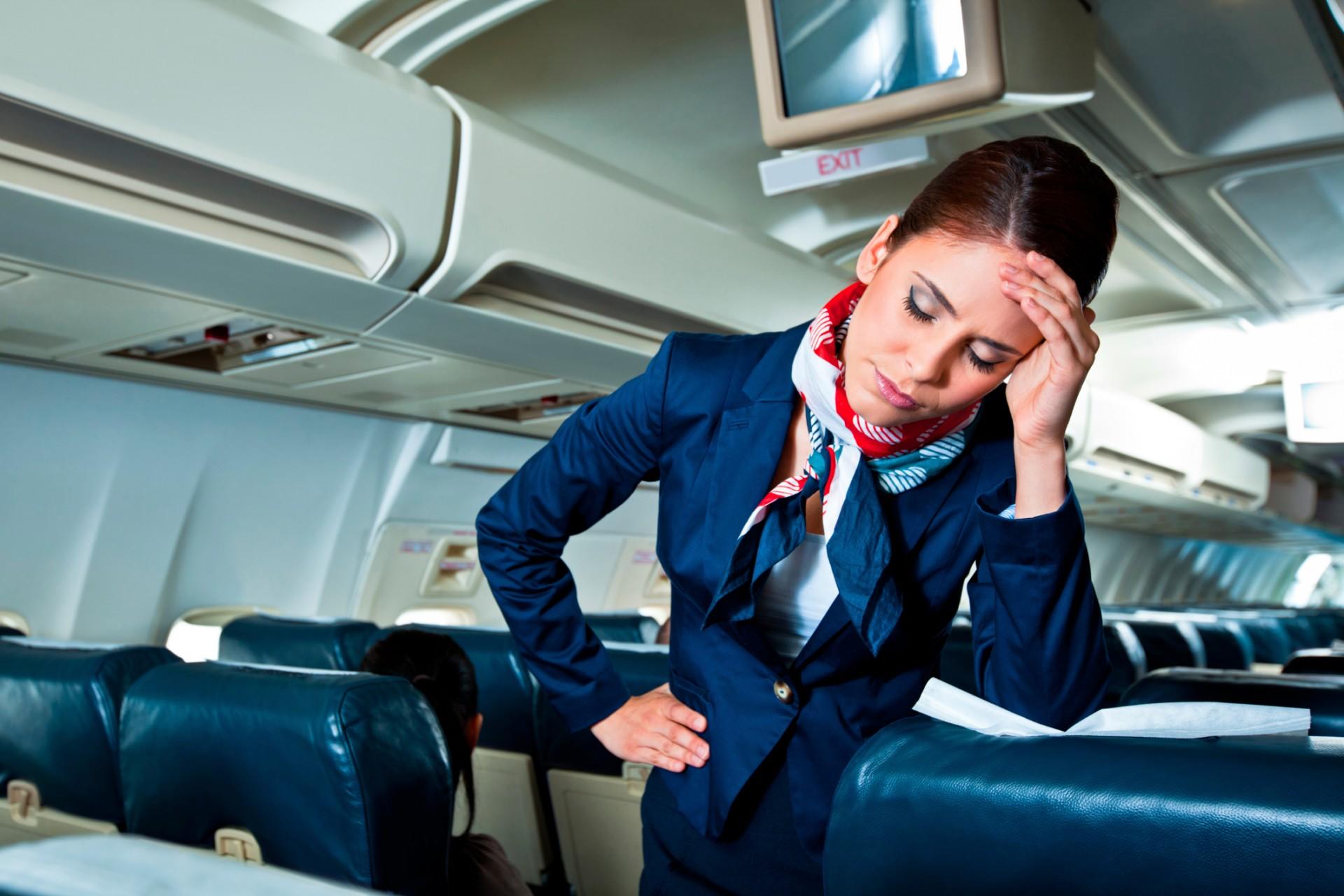
The time has come for airlines to finally acknowledge and take action on the persistent problem of sexual harassment of flight attendants, according to letter sent to 30 airline executives from a bipartisan committee of lawmakers demanding change.
A group of bipartisan lawmakers is standing up for flight attendants who have faced sexual harassment for far too long. The group sent a letter to 30 airline executives demanding change and that action be taken.
“Flight attendants are first responders to medical emergencies, in-flight fires, or evacuations as well as the last line of defense against hijacking,” the lawmakers write in the letter, according to CNN. “They deserve our respect and gratitude, and to be treated fairly.”
A Republican representative, Barbara Comstock from Virginia, and a Democrat representative, Lois Frankel from Florida, spearheaded the effort to write the letter.
“We are continuing our efforts at creating a culture of zero tolerance for sexual harassment in the workplace and the best practices for ensuring that,” Comstock told CNN.
The group of lawmakers also made a statement about the current political situation in the U.S. by sending a letter rather than trying to pass through legislation.
“In my opinion it will be quicker for industry leaders to step up and fix the problem rather than waiting for Congress,” Frankel told CNN.
There are no solid statistics on exactly how many flight attendants are being sexually harassed every year, but the FBI ran a series of investigations and found that sexual assaults during flights increased by 66 percent between 2014 and 2017.
[Photo: Shutterstock]
You’re Reading



The lawmakers are passing the buck and the end result is that this would open up the airlines to huge liability for parties (passengers) they have little enforceable authority over. Should the airlines be responsible for employee on employee harassment? Absolutely. But to make them responsible for the passengers will ultimately remove legal due process. It should remain a matter for law enforcement and separate civil litigation.