













How Could Aviation Priorities Change Under Second Trump Administration?
 Joe Cortez January 02, 2025
President Donald J. Trump participates in a Christmas Day video teleconference from the Oval Office Tuesday, Dec. 25, 2018, with military service members stationed at remote sites worldwide to thank them for their service to our nation. (Official White House Photo by Shealah Craighead)
Holland & Knight says the next Transportation Department could repeal existing regulations and not pursue as many regulatory enforcement cases compared to the previous administration.
New Rules Could Get Dropped, While Airline Mergers and Alliances Increase
The analysis comes from the law firm’s “review of the record of the first Trump Administration and statements made by the president-elect and/or his transition team.” Based on their observations, they identify three major changes for the new administration.
First, current Notices of Proposed Rulemaking that have not yet been approved could end up being withdrawn. This includes the Family Seating Rule, which would allow families to sit together aboard an aircraft without paying for seats. Their position is based on Trump’s previous Executive Order where agencies must repeal two policies or regulations for every new one that gets through.
Next, the Transportation Department may pursue fewer regulatory cases against airlines than under the Biden administration. Based on the policy of not pursing enforcement if the “activity or behavior was not directly banned by a statute or regulation” in the first Trump presidency, the law firm suggests that it may be more of the same in the immediate future.
“Given the U.S. Supreme Court’s recent rejection of the Chevron doctrine in the Loper Bright decision and the highly conservative approach toward regulatory enforcement taken by the DOT under the first Trump Administration, expect DOT enforcement activity to both decline and be more narrowly constrained than it has been under the Biden Administration,” the analysis reads. “Which has emphasized both the size and volume of fines levied against commercial airlines as evidence of its pro-consumer bent.”
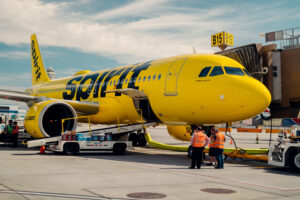
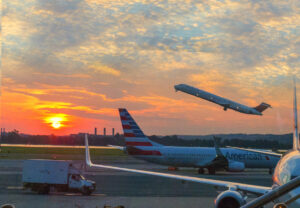
Finally, Holland & Knight suggest that the aviation team could change the Transportation Department’s position on antitrust policy. During the Biden presidency, both the Northeast Alliance between American and JetBlue and the proposed merger of JetBlue and Spirit Airlines were struck down after legal action by the Justice Department. The legal team’s analysis suggests “the new administration will likely take a more permissive approach to cooperation between airline competitors.”
When Trump is sworn into office on January 20, 2025, the Associated Press reports he intends to nominate former U.S. representative and Fox Business host Sean Duffy for transportation secretary.
You’re Reading