


















Air Transat Passengers Speak Out
 Joe Cortez August 31, 2017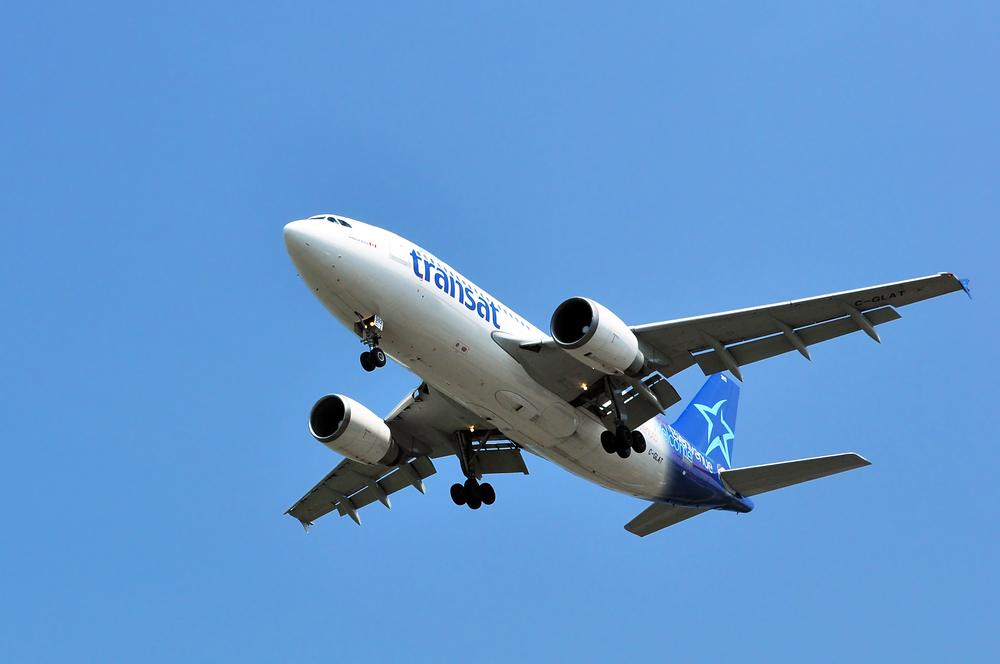
Flyers aboard trapped flight tell their stories during Canadian Transportation Agency hearing.
A number of flyers trapped for hours aboard an Air Transat flight are telling administrators about their experiences which led to calling 911 for help. CTV News reports flyers described their experience to the Canadian Transportation Agency, describing high heat and deplorable conditions that has left some with nightmares.
The situation took place on July 31, 2017, when storms forced the Air Transat flight from Belgium to temporarily divert to Ottawa Macdonald-Cartier International Airport (YOW) instead of the final destination of Montreal. The airline told passengers Canadian customs officers and airport officials would not let them off the aircraft, while the airport said airline officials declined services. Now, the Transportation Agency is investigating Air Transat for breaking their contract with passengers.
Those aboard the aircraft for six hours on the ground described sweltering heat, a lack of food and water on the flight and no concern for those trapped. One passenger told officials they watched a child vomit in the aisle when he couldn’t reach the lavatory in time, while another said it was if the airline treated the people like cargo.
“There was no relief,” Alan Abraham, one of the flyers aboard the aircraft, told the board according to CTV News. “I felt like we were luggage; they had to get us to Montreal no matter what. They didn’t care what condition we were in.”
Officials for YOW told the investigation board that their role is to provide infrastructure to aircraft and they were not at fault for the issues experienced by passengers. Executives for the airline will testify at a second hearing. In a statement to the media, a spokesperson for Air Transat apologized once again for passengers, calling the situation “difficult.”
[Photo: Shutterstock]



And Canadian passengers still do not have their rights protected in law as is the situation in the USA and EU. Canadian airlines can basically do as they please.
However, the airport had firsthand knowledge of a issue of major substance and did not act to assist or trigger immediately needed medical and other services. I guess they were a not too innocent bystander. To me they had a humanitarian obligation to do more, if not trigger authorities to investigate as there would be a likelihood of death as there is with heat stroke. How many hours are too many? How much heat is too much? How much cold is too much? In my lowly opinion, this tripped over the line to criminal. Baking a child in a hot car, is it manslaughter?
While definitely horrible this can't compare with the near-death experience suffered by passengers aboard Air Transat Flight 236 which ran out of fuel over the Atlantic in 2001 due to a fuel leak caused by improper maintenance and had to glide for 75 miles to the Azores. Why Canada continued to allow this airline landing rights after that fiasco is a mystery to me... https://en.wikipedia.org/wiki/Air_Transat_Flight_236