




















Proportion of Commercial Pilots With Military Backgrounds on the Wane
 Jackie Reddy April 20, 2018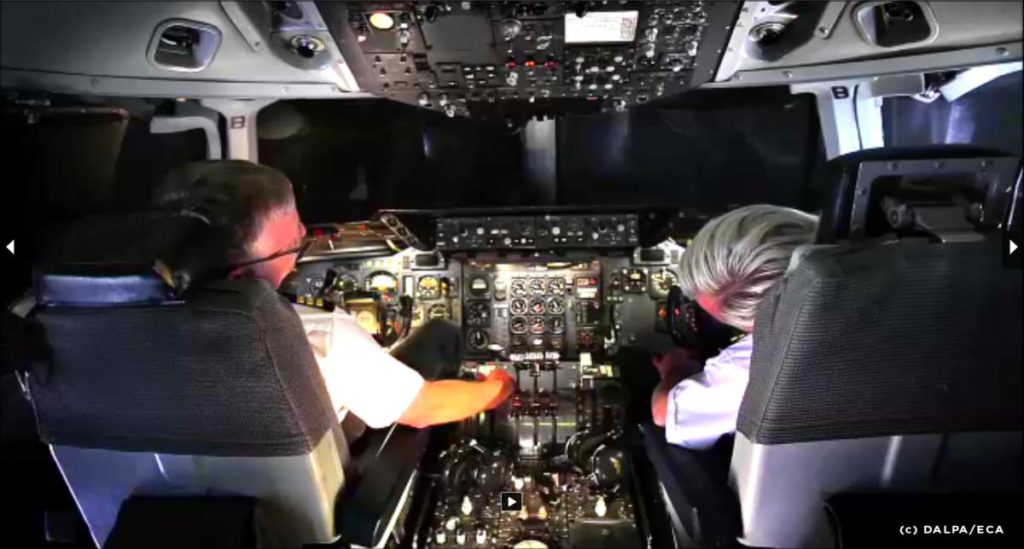
Tammie Jo Schults’, captain of Southwest Airlines Flight 1380, was once a fighter pilot. While a military background was formerly the norm among commercial pilots, fewer are taking this path into commercial aviation. Schults and her ilk, the Washington Post reports, are a “dying breed.”
Much has been made of Tammie Jo Schults’ military background in the aftermath of Southwest Airlines Flight 1380. But it seems that Schults’ path into commercial aviation – via the cockpit of an F/A-18 Hornet – is becoming less common among airline pilots, the Washington Post reports.
According to the outlet, due to changes in the recruitment process and an increase in commercial demand, only a third of pilots now come from military backgrounds. It reports that, back in the 1960s, over 80 percent of pilots hailed from military service, which served as the primary conduit for commercial pilots.
Back then, explains Louis Smith, the president of FAPA.aero, a career advisory service for pilots, a military background was normal. “The military was considered the primary method of gaining flight experience for a later career at the airlines,” Smith told the outlet.
The intense vetting of top prospects, in addition to far-reaching background checks and plenty of practical experience, ensured that military pilots looking to transition into commercial aviation were attractive candidates.
But all of this preparation doesn’t come without cost; back in 2017, Air Force Lt. Gen. Gina Grosso, deputy chief of staff for manpower and personnel services, observed that it costs approximately $11 million to train a fighter pilot. Given this, the military is doing what it can to ensure that it receives a solid return on this investment. While Air Force pilots in the sixties were only required to serve four years after qualifying, the outlet reports that this length of service has now been extended to a decade.
This has reduced the number of training pilots and “deters some aspiring pilots who saw a four-year commitment as a viable alternative to flight school but weren’t willing to commit to 10 years of flying, after a year or more of training.”
Furthermore, the outlet reports that, “The dynamics that drove the industry’s shift from a haven for ex-military pilots to one dominated by civilians will only accelerate … This generation of fighter pilots-turned commercial heroes are on their way out, and there won’t be many coming in to replace them.”
[Photo: Shutterstock]
You’re Reading




All you have to do is look at the hiring trends of the airlines over the last 3 years as the mass exodus takes place of polots leavig the military. Approximately half of the United, Delta, and Southwest new hires are military pilots. American is the exception due to flow through agreements. So, no, military pilot to airline pilot numbers are not dwindling by any stretch.