FAA Takes Action on 787 Cockpit Seats After Design Flaw Exposed
 Jeff Edwards March 14, 2016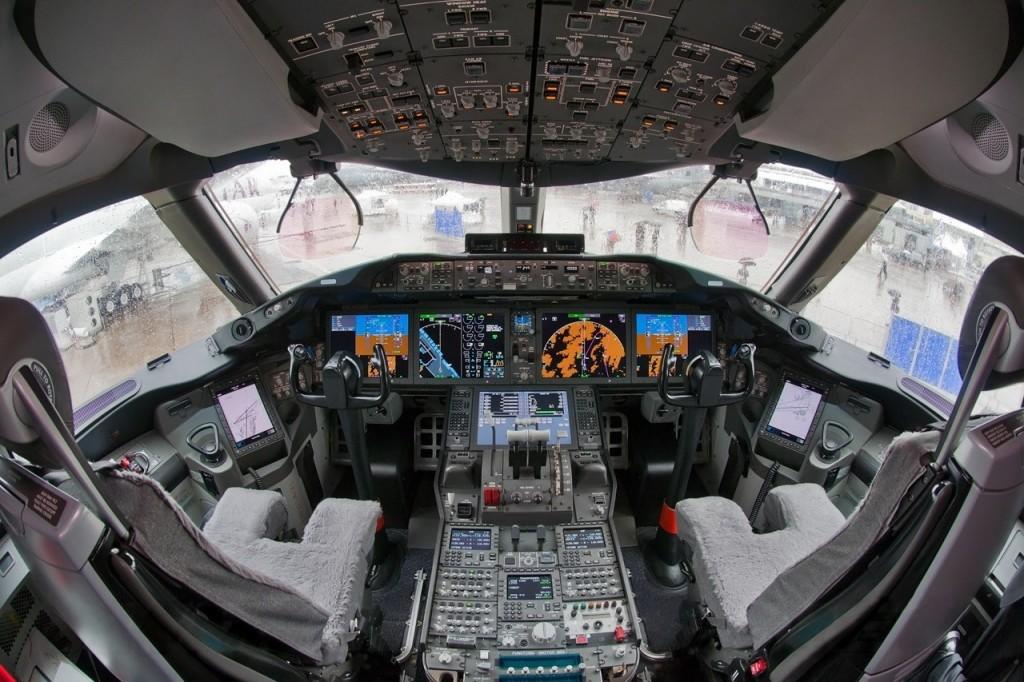
U.S. regulators are taking steps to require that the flight deck seats be replaced on all Boeing 787s following an investigation into a crew seat that failed dramatically while the pilot was attempting to land.
A Federal Aviation Administration (FAA) investigation is pointing to a serious design flaw in the flight deck seats on Boeing 787 Dreamliners. Regulators are now proposing a new directive requiring airlines to replace both of the cockpit seats on all 787 aircraft currently in service.
Flightglobal reports that the FAA move comes in the wake of an incident in which a pilot’s seat came loose during a landing attempt. Investigators determined that because of design flaws in the seat, similar incidents in which the “captain’s seat moved uncommanded during a landing rollout due to a failure in the seat horizontal actuator” might be expected to occur on other Boeing 787 Dreamliners as well.
“Press fit clutch pins in the actuator could migrate loose when subjected to repeated dynamic impact loading,” the FAA warned in the proposed mandate. “The clutch pins can migrate loose, overturn, and force clutch plate separation, resulting in degraded or failed seat locking.”
Regulators are allowing a three-month comment period before the new requirement is implemented. If the proposal is approved, airlines would be required to replace the malfunctioning seats within a three-year window. In December 2014, Boeing issued an alert to customers urging operators to replace the cockpit seats. The proposed FAA rule would make that manufacturer’s recommendation mandatory.
Ipeco, the U.K.-based supplier of crew seats for the 787-8, told Flightglobal that “the operator does not have to replace the seat, but rather the actuators on the seat only” and added “the estimated spares replacement costs reported by the FAA are not applicable since the spares are being provided by Ipeco free of charge to all customers.” It also commented that “it has already supplied replacement actuators for over 50% of the 787 aircraft affected in advance of this AD and also paid for labour charges to replace the actuators.”
[File photo: Flight deck of the Boeing 787-8 N787BA via Alex Beltyukov, Wikipedia]