EPA to Set Rules Limiting Aircraft Emissions
 Erica Berardi June 10, 2015
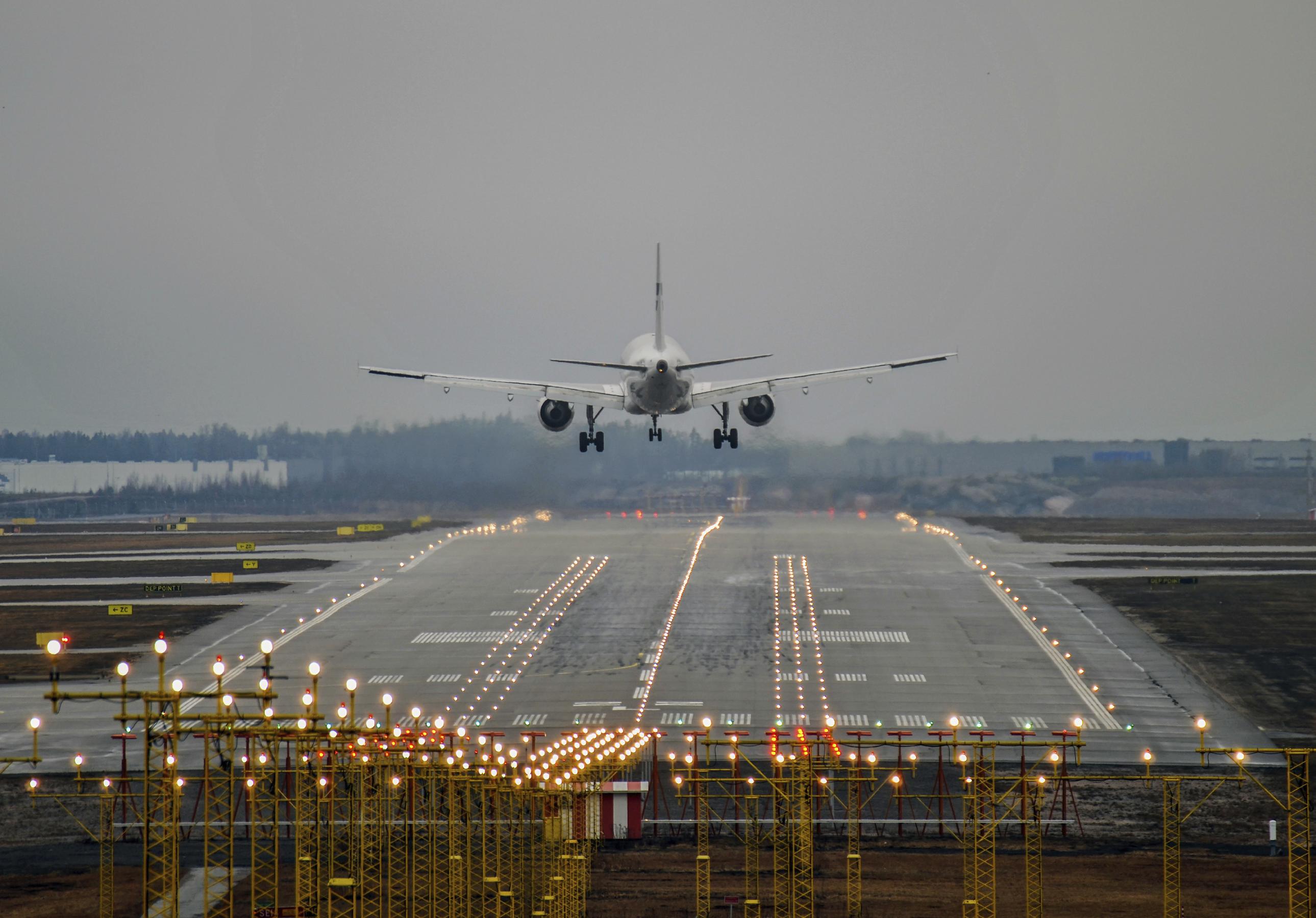
The EPA will soon set emission requirements on new aircraft and new aircraft engines.
Warning that greenhouse gas emissions from aircraft pose a danger to public health, the Environmental Protection Agency (EPA) announced Wednesday that it plans to establish carbon pollution guidelines for the aviation industry.
The EPA said that greenhouse gas (GHGs) concentrations emitted by certain aircraft endanger current and future public health and welfare. The agency will develop new rules and regulations as required by the Clean Air Act (CAA).
“These proposed findings, if finalized, would trigger new duties that would apply to the EPA, but would not themselves apply new requirements to other entities outside the federal government,” reads a portion of the advance notice of proposed rulemaking, which was signed by EPA Administrator Gina McCarthy on Wednesday.
Manufacturers of new aircraft and new aircraft engines would be subject to the EPA’s regulations when finalized, but these regualtions will not apply to small piston-engine planes or military aircraft. The CAA cites the same six, well-mixed GHGs — carbon dioxide, methane, nitrous oxide, hydrofluorocarbons, perfluorocarbons and sulfur hexafluoride — as air pollution and climate change’s main cause.
The EPA said that in 2010, the latest year with complete global emissions data, U.S. aircraft emissions represented 29 percent of all global aircraft emissions. The EPA expects these emissions to increase by 50 percent by 2035.
The EPA and the Federal Aviation Administration (FAA) will work in conjunction with the International Civil Aviation Organization (ICAO) to establish international emission standards and requirements. ICAO standards are expected for adoption in 2016. Historically, ICAO adopts international emission standards and the EPA follows with rules matching domestic standards to ICAO’s.
“The ICAO’s standard won’t deliver substantial reductions because they are setting a standard that 90–95% of aircraft already meet,” said Sarah Burt, an Earthjustice attorney, in a press release Wednesday.
San Francisco-based Earthjustice is a non-profit, environmental advocacy organization. In 2007, Earthjustice petitioned the EPA to regulate aviation pollution and represented a coalition of environmental groups in a subsequent lawsuit that compelled EPA to do so.
“It won’t apply it to existing aircraft, which have 20–30 year lifespan—only to new designs, which would push back the phase-in even more,” said Burt. “The U.S. share of the problem is considerable, and a more robust U.S. action could help ratchet up the international standard.”
According to the EPA’s Endangerment Finding, aircraft emit 700 million metric tonnes of carbon pollution annually, which makes global aviation, if equivalent to a country, the 7th largest global emitter. The EPA’s full 194-page report can be read in its entirety here.
[Photo: iStock]